![[EN]](data:image/png;base64,iVBORw0KGgoAAAANSUhEUgAAAB4AAAAUCAYAAACaq43EAAAAGXRFWHRTb2Z0d2FyZQBBZG9iZSBJbWFnZVJlYWR5ccllPAAAAyRpVFh0WE1MOmNvbS5hZG9iZS54bXAAAAAAADw/eHBhY2tldCBiZWdpbj0i77u/IiBpZD0iVzVNME1wQ2VoaUh6cmVTek5UY3prYzlkIj8+IDx4OnhtcG1ldGEgeG1sbnM6eD0iYWRvYmU6bnM6bWV0YS8iIHg6eG1wdGs9IkFkb2JlIFhNUCBDb3JlIDUuMy1jMDExIDY2LjE0NTY2MSwgMjAxMi8wMi8wNi0xNDo1NjoyNyAgICAgICAgIj4gPHJkZjpSREYgeG1sbnM6cmRmPSJodHRwOi8vd3d3LnczLm9yZy8xOTk5LzAyLzIyLXJkZi1zeW50YXgtbnMjIj4gPHJkZjpEZXNjcmlwdGlvbiByZGY6YWJvdXQ9IiIgeG1sbnM6eG1wPSJodHRwOi8vbnMuYWRvYmUuY29tL3hhcC8xLjAvIiB4bWxuczp4bXBNTT0iaHR0cDovL25zLmFkb2JlLmNvbS94YXAvMS4wL21tLyIgeG1sbnM6c3RSZWY9Imh0dHA6Ly9ucy5hZG9iZS5jb20veGFwLzEuMC9zVHlwZS9SZXNvdXJjZVJlZiMiIHhtcDpDcmVhdG9yVG9vbD0iQWRvYmUgUGhvdG9zaG9wIENTNiAoTWFjaW50b3NoKSIgeG1wTU06SW5zdGFuY2VJRD0ieG1wLmlpZDpERTc5MkI3RjE3OEExMUUyQTcxNDlDNEFCRkNENzc2NiIgeG1wTU06RG9jdW1lbnRJRD0ieG1wLmRpZDpERTc5MkI4MDE3OEExMUUyQTcxNDlDNEFCRkNENzc2NiI+IDx4bXBNTTpEZXJpdmVkRnJvbSBzdFJlZjppbnN0YW5jZUlEPSJ4bXAuaWlkOkEyMTE0RjIyMTc4QTExRTJBNzE0OUM0QUJGQ0Q3NzY2IiBzdFJlZjpkb2N1bWVudElEPSJ4bXAuZGlkOkRFNzkyQjdFMTc4QTExRTJBNzE0OUM0QUJGQ0Q3NzY2Ii8+IDwvcmRmOkRlc2NyaXB0aW9uPiA8L3JkZjpSREY+IDwveDp4bXBtZXRhPiA8P3hwYWNrZXQgZW5kPSJyIj8+60cYSwAAAyhJREFUeNrElN1PU3cYxz/tOQUBD/aNymtbUAq2IOiUWXmZA40Iy2BzcW53y7JlyZLtZuE/8NaY7Gbe7WJbdJnTDOdQCbLKrERUotgCSodQ7AsFpK28yKT7rfsL2gv7JCcn+eV3zpPv5/l+H9X2xp65SqtJGfr1Fg3vNPD02SIhfwRniwP3pdvsOVxPaCHGs7+DOA/VJs8crXXEs3P48OfTfMIcU+SRaqlMzm8SNut2VuefIxvyydZIxFbWyX35iviLNZRiPZJaxdLyCkoiQUyc6cwFTPvC9FRkcbJMy7JaTrmxHIuvxaZm5xW7+Jl3NkKRaRt5OVlMjvuoqa9gwr9AgS4PvTYP78hjdtVVEAw9J+Kdxv7Td+hL8tGTeslGg8Jeexk3/riLs62O+cU441NBDjbZGbg+SlNbPYvRF9zzzHCoycFA/yhvCtRqnZbr5a1YEjGm5S2po1ZXfRHVaCTlWLODq24v1eWFGPVbuXH5Dh3vORm88xhziR5zoZ5rl9y0dx/ggS/EzGSQs5Ua3s39h7CUlbri0mKdUGzmijBXqzBXYH4Z931fsmlf7zBvd+wjIigMDI/TcbyRvt+GOSgUZ62uU3S2h8IdRgrTQK1S2T6PyhpZ+aB9LxcF2hpbCUUF27hy4S+Of/wWfUMeykuNVIin9/xNuj9qYWR8juknIc5szNC1voA/DdSypayAhlor57/vp/NEC7OBRfpveek+0cwvP/7JsfedhEWcLg8+pOtkMxfOuTjc5WSrSc+S6ymSQYtGyk5dsVT9/4zbhZmu3Z5IztggXOwSZjvSuZ+hUR9mEan/KAz+PkJb5z7GngSYdXu46T9Ho3EL6ZSKnZ9Fax0W5aFrDNuB6mROA6El7BYTnns+bPt3srK2gV+QcIjIPRLzrxL3ZkLLfB0c40udRCAd1EfFNioxaSG+Sl2NmchSnCKjwh6HBWlzk/rd1uTyMOTn8MbuctRiieyqLKbKbqXs4gSvQmFephOnRCIRFW+F11yyp/3TtD/eSKjYTM4rjcZh110yUZlDPfnVqcwovkppRhRnDrX/2x+UjKDuJXcuE4r/FWAAjBMttNdoYOEAAAAASUVORK5CYII=)
 Understanding and leveraging customer sentiment data is crucial for driving successful acquisition funnels. By tapping into the emotions and opinions of your target audience, you can tailor your marketing strategies to resonate with potential customers on a deeper level.
In this comprehensive guide, we will explore the role of customer sentiment data in acquisition funnels and how it can be used to optimize the customer journey.
Understanding Customer Sentiment Data
What is Customer Sentiment Data?
Customer sentiment data refers to the information gathered from various sources that reflects the feelings, opinions, and attitudes of customers towards a brand, product, or service. This data is typically collected through surveys, social media monitoring, reviews, and other feedback channels. By analyzing customer sentiment data, businesses can gain valuable insights into how their target audience perceives their offerings.
Importance of Customer Sentiment Data in Acquisition Funnels
Customer sentiment data plays a critical role in shaping acquisition funnels by providing a deeper understanding of customer preferences, pain points, and motivations. By incorporating sentiment analysis into the funnel design, businesses can create more personalized and engaging experiences for potential customers. This, in turn, can lead to higher conversion rates and improved customer satisfaction.
Types of Customer Sentiment Data
There are various types of customer sentiment data that businesses can leverage to inform their acquisition funnel strategies. This includes explicit feedback such as reviews and ratings, as well as implicit data like social media interactions and website behavior. By combining different types of sentiment data, businesses can paint a more comprehensive picture of customer perceptions and preferences.
Building Acquisition Funnels with Customer Sentiment Data
 Identifying Key Touchpoints
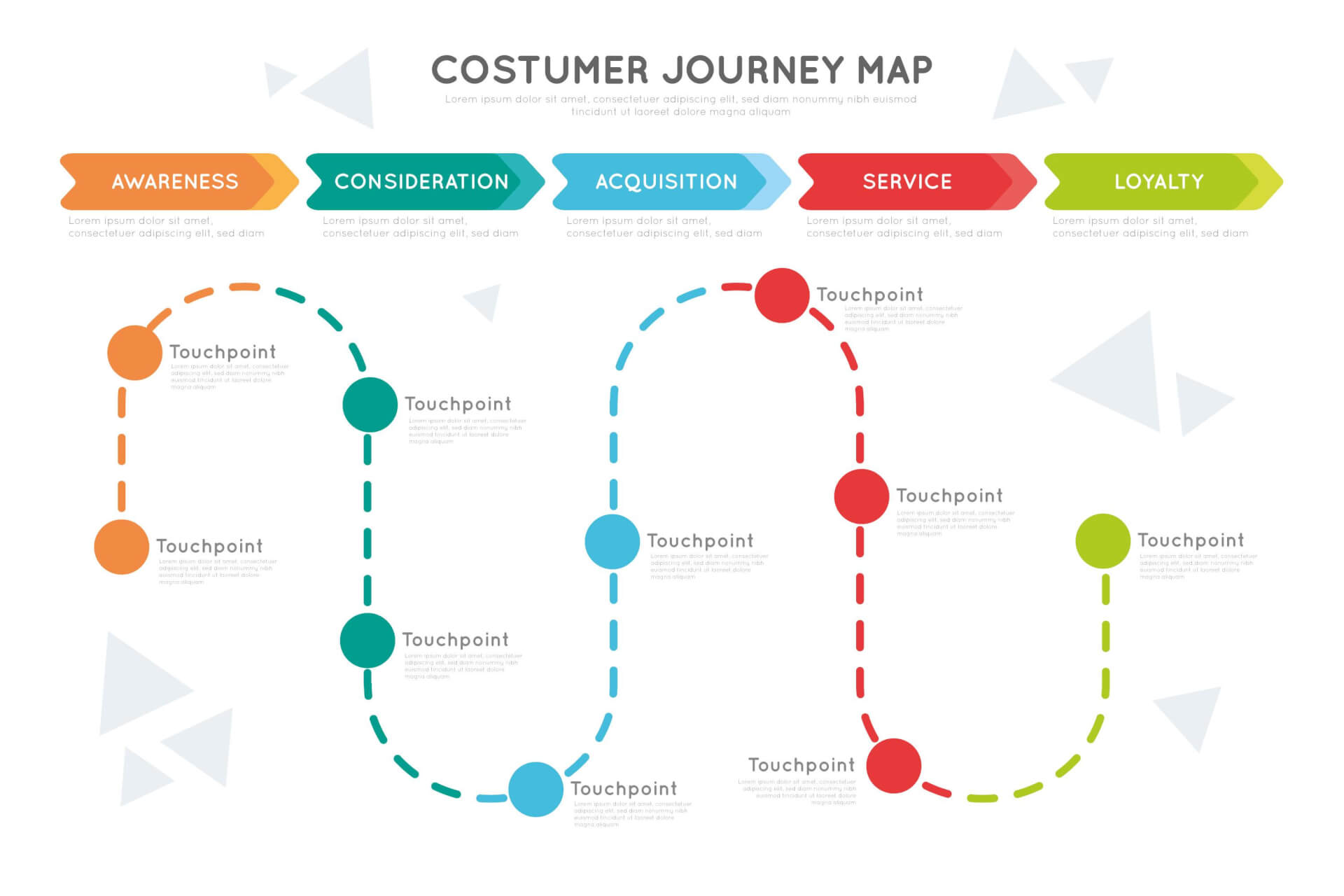
To effectively integrate customer sentiment data into acquisition funnels, businesses need to identify key touchpoints where customer interactions occur.
These touchpoints can include social media platforms, email campaigns, website visits, and more.
By pinpointing these touchpoints, businesses can strategically collect and analyze customer sentiment data at each stage of the funnel.
Mapping Customer Sentiment Data to the Funnel
Once key touchpoints are identified, businesses can map customer sentiment data to different stages of the acquisition funnel. For example, sentiment analysis can help determine the effectiveness of marketing messages, the clarity of product descriptions, and the overall user experience.
By aligning sentiment data with specific funnel stages, businesses can tailor their strategies to address customer needs and concerns.
Personalizing the Customer Journey
One of the key benefits of leveraging customer sentiment data in acquisition funnels is the ability to personalize the customer journey. By understanding the emotions and preferences of individual customers, businesses can create targeted campaigns, personalized recommendations, and tailored messaging that resonates with each prospect.
This level of personalization can significantly increase engagement and conversion rates.
Analyzing and Optimizing Acquisition Funnels
Leveraging Customer Sentiment Insights
Once customer sentiment data is integrated into acquisition funnels, businesses must continuously analyze and leverage these insights to optimize their strategies. By monitoring sentiment trends, identifying patterns, and acting on feedback, businesses can make data-driven decisions that enhance the overall customer experience.
This proactive approach can lead to more effective acquisition funnels and increased customer loyalty.
A/B Testing and Iterative Improvements
In addition to leveraging customer sentiment insights, businesses should also conduct A/B testing and implement iterative improvements to their acquisition funnels. By testing different variations of messaging, design elements, and calls-to-action, businesses can identify what resonates best with their target audience.
This data-driven approach allows businesses to refine their strategies based on real-time feedback and continuously improve performance.
Measuring Success Metrics
To gauge the effectiveness of acquisition funnels driven by customer sentiment data, businesses must establish relevant success metrics and KPIs. These metrics can include conversion rates, customer satisfaction scores, retention rates, and more.
By tracking these metrics over time, businesses can assess the impact of sentiment-driven strategies and make data-backed decisions to optimize their funnels for maximum results.
 Reading Recommendation: To find out more, head over to our Blog Article "Building an Acquisition Funnel That Maximizes NPS"
Integrating Customer Sentiment Data Tools
 Choosing the Right Tools
When it comes to integrating customer sentiment data into acquisition funnels, businesses have a wide range of tools and platforms to choose from. From sentiment analysis software to social listening tools, businesses must select the right tools that align with their specific needs and goals.
By investing in the right technology, businesses can streamline data collection, analysis, and implementation processes.
Implementing Customer Sentiment Data Platforms
Once the tools are selected, businesses must effectively implement customer sentiment data platforms into their existing systems and workflows.
This may involve training teams on how to use the tools, setting up automated data collection processes, and establishing data governance protocols. By integrating sentiment data platforms seamlessly, businesses can ensure that insights are readily available to inform strategic decision-making.
Training Teams for Effective Utilization
Lastly, businesses must prioritize training and upskilling their teams to effectively utilize customer sentiment data in acquisition funnels. By providing training sessions, workshops, and resources on sentiment analysis techniques and best practices, businesses can empower their teams to leverage data-driven insights for better decision-making.
This investment in skills development can lead to more informed strategies and improved funnel performance.
Conclusion
In conclusion, customer sentiment data is a powerful tool that can drive successful acquisition funnels by providing valuable insights into customer preferences and behaviors.
By understanding customer sentiment, mapping it to the funnel, and personalizing the customer journey, businesses can create more engaging and effective marketing strategies. By continuously analyzing, optimizing, and integrating sentiment data tools, businesses can stay ahead of the competition and deliver exceptional customer experiences.

Recommended reading: If this article helped you and you would like to learn more about the possibilities of using NPS in customer acquisition, continue reading here: "The role of NPS in customer acquisition"
FAQs
How can businesses collect customer sentiment data effectively?
To collect customer sentiment data effectively, businesses can utilize surveys, social media monitoring tools, online reviews, and feedback forms. By leveraging multiple channels, businesses can gather a diverse range of opinions and insights from their target audience.
What are some common challenges businesses face when integrating customer sentiment data into acquisition funnels?
Some common challenges businesses face when integrating customer sentiment data into acquisition funnels include data silos, lack of data integration, and limited resources for analysis. Overcoming these challenges requires a strategic approach to data management and a commitment to investing in the right tools and technologies.
How can businesses measure the ROI of sentiment-driven acquisition funnels?
Businesses can measure the ROI of sentiment-driven acquisition funnels by tracking key metrics such as conversion rates, customer lifetime value, and customer satisfaction scores. By comparing these metrics to baseline data and industry benchmarks, businesses can assess the impact of sentiment-driven strategies on their bottom line.
What role does customer sentiment data play in customer retention strategies?
Customer sentiment data plays a crucial role in customer retention strategies by helping businesses understand customer satisfaction levels, identify pain points, and predict churn. By leveraging sentiment data to personalize retention campaigns and address customer feedback, businesses can enhance loyalty and reduce customer attrition.
How can businesses ensure data privacy and security when collecting customer sentiment data?
To ensure data privacy and security when collecting customer sentiment data, businesses should implement robust data protection measures, comply with relevant regulations such as GDPR, and prioritize transparency in data collection practices. By building trust with customers and safeguarding their data, businesses can mitigate risks and maintain ethical data practices.