![[EN]](data:image/png;base64,iVBORw0KGgoAAAANSUhEUgAAAB4AAAAUCAYAAACaq43EAAAAGXRFWHRTb2Z0d2FyZQBBZG9iZSBJbWFnZVJlYWR5ccllPAAAAyRpVFh0WE1MOmNvbS5hZG9iZS54bXAAAAAAADw/eHBhY2tldCBiZWdpbj0i77u/IiBpZD0iVzVNME1wQ2VoaUh6cmVTek5UY3prYzlkIj8+IDx4OnhtcG1ldGEgeG1sbnM6eD0iYWRvYmU6bnM6bWV0YS8iIHg6eG1wdGs9IkFkb2JlIFhNUCBDb3JlIDUuMy1jMDExIDY2LjE0NTY2MSwgMjAxMi8wMi8wNi0xNDo1NjoyNyAgICAgICAgIj4gPHJkZjpSREYgeG1sbnM6cmRmPSJodHRwOi8vd3d3LnczLm9yZy8xOTk5LzAyLzIyLXJkZi1zeW50YXgtbnMjIj4gPHJkZjpEZXNjcmlwdGlvbiByZGY6YWJvdXQ9IiIgeG1sbnM6eG1wPSJodHRwOi8vbnMuYWRvYmUuY29tL3hhcC8xLjAvIiB4bWxuczp4bXBNTT0iaHR0cDovL25zLmFkb2JlLmNvbS94YXAvMS4wL21tLyIgeG1sbnM6c3RSZWY9Imh0dHA6Ly9ucy5hZG9iZS5jb20veGFwLzEuMC9zVHlwZS9SZXNvdXJjZVJlZiMiIHhtcDpDcmVhdG9yVG9vbD0iQWRvYmUgUGhvdG9zaG9wIENTNiAoTWFjaW50b3NoKSIgeG1wTU06SW5zdGFuY2VJRD0ieG1wLmlpZDpERTc5MkI3RjE3OEExMUUyQTcxNDlDNEFCRkNENzc2NiIgeG1wTU06RG9jdW1lbnRJRD0ieG1wLmRpZDpERTc5MkI4MDE3OEExMUUyQTcxNDlDNEFCRkNENzc2NiI+IDx4bXBNTTpEZXJpdmVkRnJvbSBzdFJlZjppbnN0YW5jZUlEPSJ4bXAuaWlkOkEyMTE0RjIyMTc4QTExRTJBNzE0OUM0QUJGQ0Q3NzY2IiBzdFJlZjpkb2N1bWVudElEPSJ4bXAuZGlkOkRFNzkyQjdFMTc4QTExRTJBNzE0OUM0QUJGQ0Q3NzY2Ii8+IDwvcmRmOkRlc2NyaXB0aW9uPiA8L3JkZjpSREY+IDwveDp4bXBtZXRhPiA8P3hwYWNrZXQgZW5kPSJyIj8+60cYSwAAAyhJREFUeNrElN1PU3cYxz/tOQUBD/aNymtbUAq2IOiUWXmZA40Iy2BzcW53y7JlyZLtZuE/8NaY7Gbe7WJbdJnTDOdQCbLKrERUotgCSodQ7AsFpK28yKT7rfsL2gv7JCcn+eV3zpPv5/l+H9X2xp65SqtJGfr1Fg3vNPD02SIhfwRniwP3pdvsOVxPaCHGs7+DOA/VJs8crXXEs3P48OfTfMIcU+SRaqlMzm8SNut2VuefIxvyydZIxFbWyX35iviLNZRiPZJaxdLyCkoiQUyc6cwFTPvC9FRkcbJMy7JaTrmxHIuvxaZm5xW7+Jl3NkKRaRt5OVlMjvuoqa9gwr9AgS4PvTYP78hjdtVVEAw9J+Kdxv7Td+hL8tGTeslGg8Jeexk3/riLs62O+cU441NBDjbZGbg+SlNbPYvRF9zzzHCoycFA/yhvCtRqnZbr5a1YEjGm5S2po1ZXfRHVaCTlWLODq24v1eWFGPVbuXH5Dh3vORm88xhziR5zoZ5rl9y0dx/ggS/EzGSQs5Ua3s39h7CUlbri0mKdUGzmijBXqzBXYH4Z931fsmlf7zBvd+wjIigMDI/TcbyRvt+GOSgUZ62uU3S2h8IdRgrTQK1S2T6PyhpZ+aB9LxcF2hpbCUUF27hy4S+Of/wWfUMeykuNVIin9/xNuj9qYWR8juknIc5szNC1voA/DdSypayAhlor57/vp/NEC7OBRfpveek+0cwvP/7JsfedhEWcLg8+pOtkMxfOuTjc5WSrSc+S6ymSQYtGyk5dsVT9/4zbhZmu3Z5IztggXOwSZjvSuZ+hUR9mEan/KAz+PkJb5z7GngSYdXu46T9Ho3EL6ZSKnZ9Fax0W5aFrDNuB6mROA6El7BYTnns+bPt3srK2gV+QcIjIPRLzrxL3ZkLLfB0c40udRCAd1EfFNioxaSG+Sl2NmchSnCKjwh6HBWlzk/rd1uTyMOTn8MbuctRiieyqLKbKbqXs4gSvQmFephOnRCIRFW+F11yyp/3TtD/eSKjYTM4rjcZh110yUZlDPfnVqcwovkppRhRnDrX/2x+UjKDuJXcuE4r/FWAAjBMttNdoYOEAAAAASUVORK5CYII=)
One key metric that can help businesses measure their success in customer acquisition and retention is Net Promoter Score (NPS). NPS is a metric that measures customer loyalty and satisfaction based on the likelihood of customers to recommend a company to others.
In this article, we will discuss how to build an acquisition funnel that maximizes NPS from day one.

Understanding the Acquisition Funnel
Before we dive into how to maximize NPS through the acquisition funnel, it's important to understand what the acquisition funnel is.
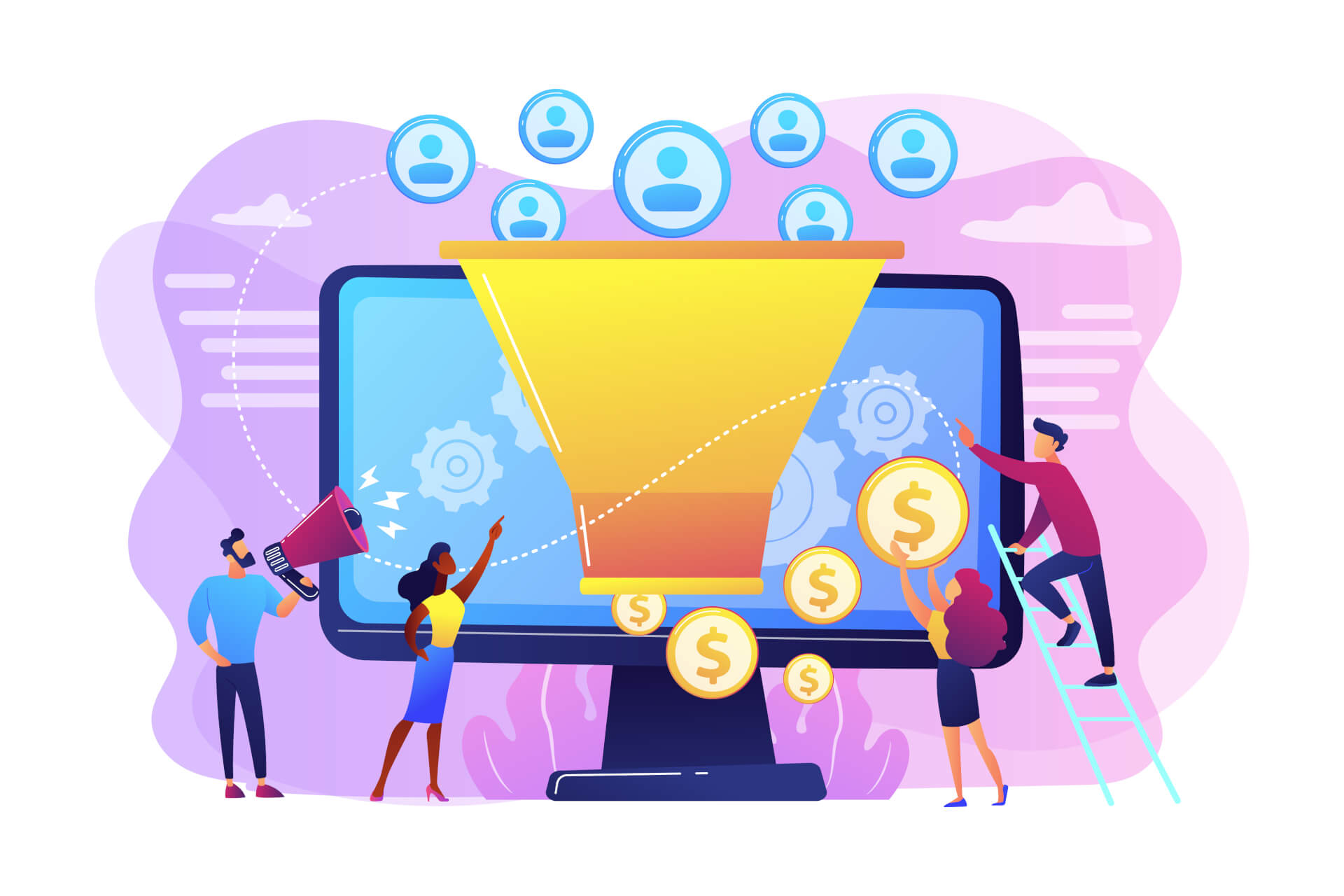
The acquisition funnel is a framework that outlines the steps a customer takes from first discovering a brand to making a purchase and becoming a loyal advocate. The stages of the acquisition funnel typically include awareness, interest, consideration, conversion, and advocacy.
Step 1: Define Your Target Audience
The first step in building an acquisition funnel that maximizes NPS is to define your target audience.
This involves
- understanding who your ideal customers are
- what their pain points are
- and how your product or service can solve their problems.
By clearly defining your target audience, you can tailor your marketing efforts to attract the right customers and increase the likelihood of them becoming loyal advocates.
Step 2: Create Compelling Content
Once you have defined your target audience, the next step is to create compelling content that will attract and engage them.
This can include
- blog posts
- social media posts
- videos
- infographics
- and more.
The key is to create content that is valuable, relevant, and informative to your target audience. By creating compelling content, you can increase brand awareness, generate interest in your products or services, and ultimately drive conversions.
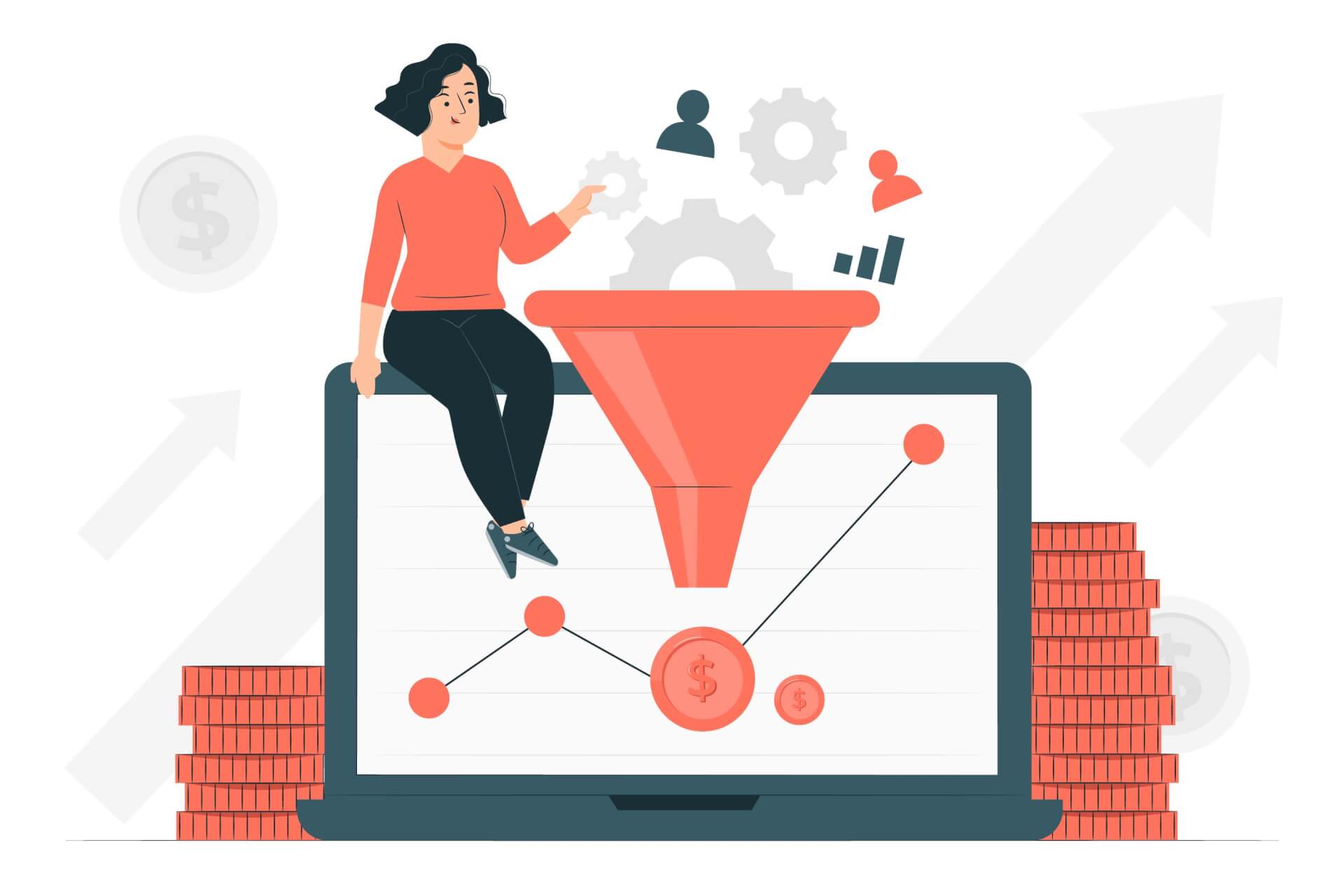
Step 3: Optimize the Customer Journey
As customers move through the acquisition funnel, it's important to optimize their journey to maximize NPS. This involves providing a seamless and personalized experience at every touchpoint, from the initial awareness stage to the final conversion stage.
By optimizing the customer journey, you can increase customer satisfaction, loyalty, and advocacy.
Step 4: Measure and Analyze NPS
Finally, to maximize NPS from day one, it's important to measure and analyze NPS regularly. This involves sending out NPS surveys to customers and analyzing the results to identify areas for improvement.
By tracking NPS, you can identify trends, measure customer satisfaction, and make data-driven decisions to optimize the acquisition funnel.
Conclusion
Building a customer acquisition funnel that maximizes NPS from day one is essential for businesses looking to attract and retain loyal customers.
By defining your target audience, creating compelling content, optimizing the customer journey, and measuring NPS, you can increase customer satisfaction, loyalty, and advocacy. By following these steps, you can build a strong acquisition funnel that maximizes NPS and sets your business up for long-term success.
Recommended reading: If this article helped you and you would like to learn more about the possibilities of using NPS in customer acquisition, continue reading here: "The role of NPS in customer acquisition"
FAQs
What is NPS and why is it important for businesses?
NPS stands for Net Promoter Score and it is a metric that measures customer loyalty and satisfaction. It is important for businesses because it can help them measure their success in attracting and retaining customers.
How can businesses improve their NPS score?
Businesses can improve their NPS score by providing excellent customer service, listening to customer feedback, and continuously striving to exceed customer expectations.
What are some common mistakes businesses make when trying to maximize NPS?
Some common mistakes businesses make when trying to maximize NPS include ignoring customer feedback, failing to personalize the customer experience, and focusing too much on acquiring new customers instead of retaining existing ones.
How often should businesses measure their NPS?
Businesses should measure their NPS regularly, ideally on a quarterly or semi-annual basis, to track changes in customer satisfaction and identify areas for improvement.
What are some strategies for increasing customer advocacy and loyalty?
Some strategies for increasing customer advocacy and loyalty include rewarding loyal customers, creating a referral program, and providing exceptional customer service.