![[EN]](data:image/png;base64,iVBORw0KGgoAAAANSUhEUgAAAB4AAAAUCAYAAACaq43EAAAAGXRFWHRTb2Z0d2FyZQBBZG9iZSBJbWFnZVJlYWR5ccllPAAAAyRpVFh0WE1MOmNvbS5hZG9iZS54bXAAAAAAADw/eHBhY2tldCBiZWdpbj0i77u/IiBpZD0iVzVNME1wQ2VoaUh6cmVTek5UY3prYzlkIj8+IDx4OnhtcG1ldGEgeG1sbnM6eD0iYWRvYmU6bnM6bWV0YS8iIHg6eG1wdGs9IkFkb2JlIFhNUCBDb3JlIDUuMy1jMDExIDY2LjE0NTY2MSwgMjAxMi8wMi8wNi0xNDo1NjoyNyAgICAgICAgIj4gPHJkZjpSREYgeG1sbnM6cmRmPSJodHRwOi8vd3d3LnczLm9yZy8xOTk5LzAyLzIyLXJkZi1zeW50YXgtbnMjIj4gPHJkZjpEZXNjcmlwdGlvbiByZGY6YWJvdXQ9IiIgeG1sbnM6eG1wPSJodHRwOi8vbnMuYWRvYmUuY29tL3hhcC8xLjAvIiB4bWxuczp4bXBNTT0iaHR0cDovL25zLmFkb2JlLmNvbS94YXAvMS4wL21tLyIgeG1sbnM6c3RSZWY9Imh0dHA6Ly9ucy5hZG9iZS5jb20veGFwLzEuMC9zVHlwZS9SZXNvdXJjZVJlZiMiIHhtcDpDcmVhdG9yVG9vbD0iQWRvYmUgUGhvdG9zaG9wIENTNiAoTWFjaW50b3NoKSIgeG1wTU06SW5zdGFuY2VJRD0ieG1wLmlpZDpERTc5MkI3RjE3OEExMUUyQTcxNDlDNEFCRkNENzc2NiIgeG1wTU06RG9jdW1lbnRJRD0ieG1wLmRpZDpERTc5MkI4MDE3OEExMUUyQTcxNDlDNEFCRkNENzc2NiI+IDx4bXBNTTpEZXJpdmVkRnJvbSBzdFJlZjppbnN0YW5jZUlEPSJ4bXAuaWlkOkEyMTE0RjIyMTc4QTExRTJBNzE0OUM0QUJGQ0Q3NzY2IiBzdFJlZjpkb2N1bWVudElEPSJ4bXAuZGlkOkRFNzkyQjdFMTc4QTExRTJBNzE0OUM0QUJGQ0Q3NzY2Ii8+IDwvcmRmOkRlc2NyaXB0aW9uPiA8L3JkZjpSREY+IDwveDp4bXBtZXRhPiA8P3hwYWNrZXQgZW5kPSJyIj8+60cYSwAAAyhJREFUeNrElN1PU3cYxz/tOQUBD/aNymtbUAq2IOiUWXmZA40Iy2BzcW53y7JlyZLtZuE/8NaY7Gbe7WJbdJnTDOdQCbLKrERUotgCSodQ7AsFpK28yKT7rfsL2gv7JCcn+eV3zpPv5/l+H9X2xp65SqtJGfr1Fg3vNPD02SIhfwRniwP3pdvsOVxPaCHGs7+DOA/VJs8crXXEs3P48OfTfMIcU+SRaqlMzm8SNut2VuefIxvyydZIxFbWyX35iviLNZRiPZJaxdLyCkoiQUyc6cwFTPvC9FRkcbJMy7JaTrmxHIuvxaZm5xW7+Jl3NkKRaRt5OVlMjvuoqa9gwr9AgS4PvTYP78hjdtVVEAw9J+Kdxv7Td+hL8tGTeslGg8Jeexk3/riLs62O+cU441NBDjbZGbg+SlNbPYvRF9zzzHCoycFA/yhvCtRqnZbr5a1YEjGm5S2po1ZXfRHVaCTlWLODq24v1eWFGPVbuXH5Dh3vORm88xhziR5zoZ5rl9y0dx/ggS/EzGSQs5Ua3s39h7CUlbri0mKdUGzmijBXqzBXYH4Z931fsmlf7zBvd+wjIigMDI/TcbyRvt+GOSgUZ62uU3S2h8IdRgrTQK1S2T6PyhpZ+aB9LxcF2hpbCUUF27hy4S+Of/wWfUMeykuNVIin9/xNuj9qYWR8juknIc5szNC1voA/DdSypayAhlor57/vp/NEC7OBRfpveek+0cwvP/7JsfedhEWcLg8+pOtkMxfOuTjc5WSrSc+S6ymSQYtGyk5dsVT9/4zbhZmu3Z5IztggXOwSZjvSuZ+hUR9mEan/KAz+PkJb5z7GngSYdXu46T9Ho3EL6ZSKnZ9Fax0W5aFrDNuB6mROA6El7BYTnns+bPt3srK2gV+QcIjIPRLzrxL3ZkLLfB0c40udRCAd1EfFNioxaSG+Sl2NmchSnCKjwh6HBWlzk/rd1uTyMOTn8MbuctRiieyqLKbKbqXs4gSvQmFephOnRCIRFW+F11yyp/3TtD/eSKjYTM4rjcZh110yUZlDPfnVqcwovkppRhRnDrX/2x+UjKDuJXcuE4r/FWAAjBMttNdoYOEAAAAASUVORK5CYII=)
Understanding the buyer's journey is crucial for businesses looking to convert leads into customers. Conversion path analysis allows companies to track and analyze the steps a potential customer takes from the initial click to making a purchase.
By mapping out this journey, businesses can identify key touchpoints, optimize their marketing strategies, and ultimately increase their conversion rates.
Understanding the Buyer's Journey
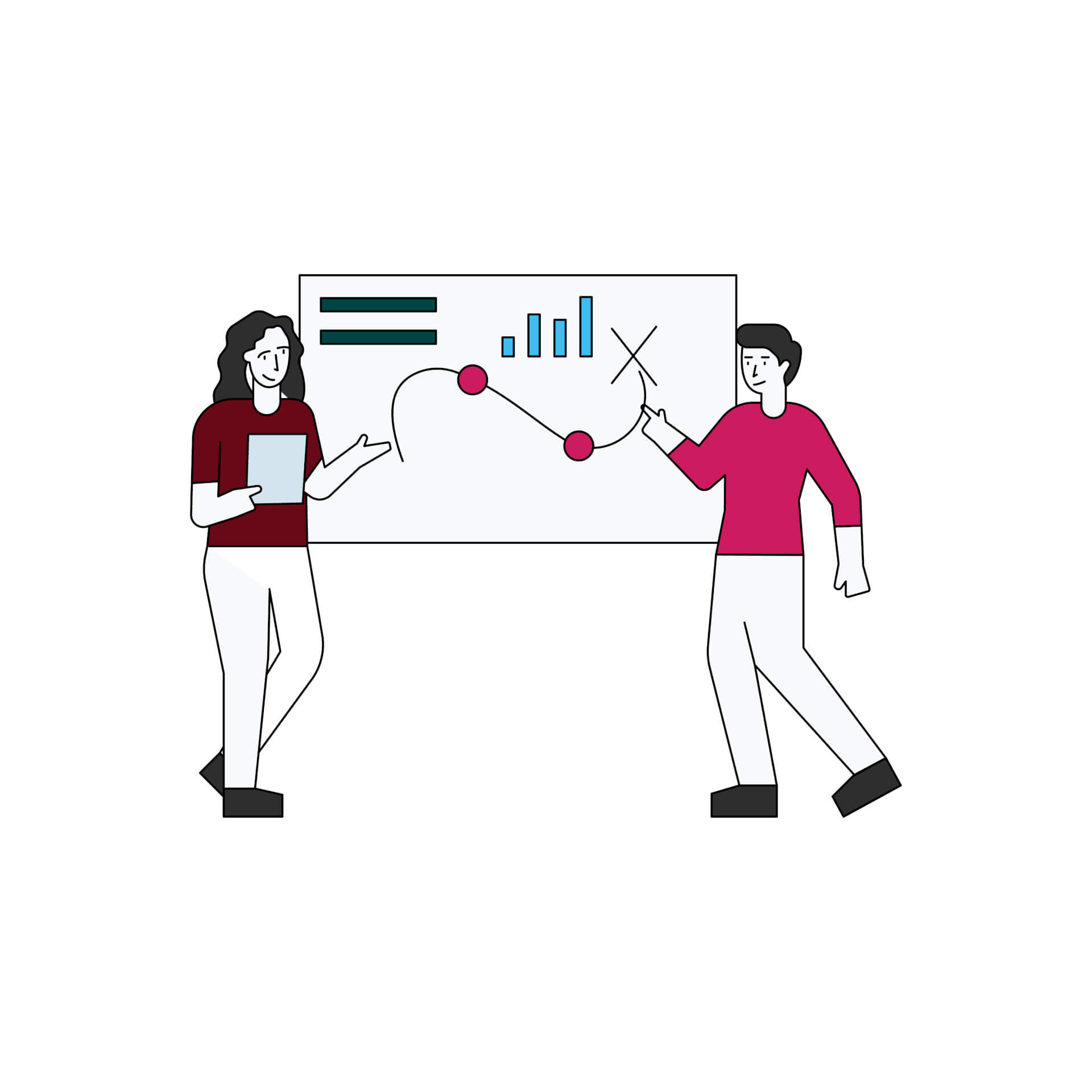 The buyer's journey consists of three main stages: awareness, consideration, and decision. Each stage represents a different level of engagement with the brand and requires a unique approach to marketing.
Awareness Stage
During the awareness stage, potential customers become aware of a problem or need they have. They may start researching solutions and exploring different options. This is the stage where businesses need to focus on creating awareness and building trust with their target audience.
Consideration Stage
In the consideration stage, potential customers have identified their problem and are evaluating different solutions. They are comparing products or services, reading reviews, and seeking more information. Businesses need to provide valuable content and resources to help educate and guide customers through this stage.
Decision Stage
The decision stage is where potential customers are ready to make a purchase. They have narrowed down their options and are looking for the best deal or offer. This is the stage where businesses need to focus on converting leads into customers by providing compelling reasons to choose their product or service.
Importance of Conversion Path Analysis

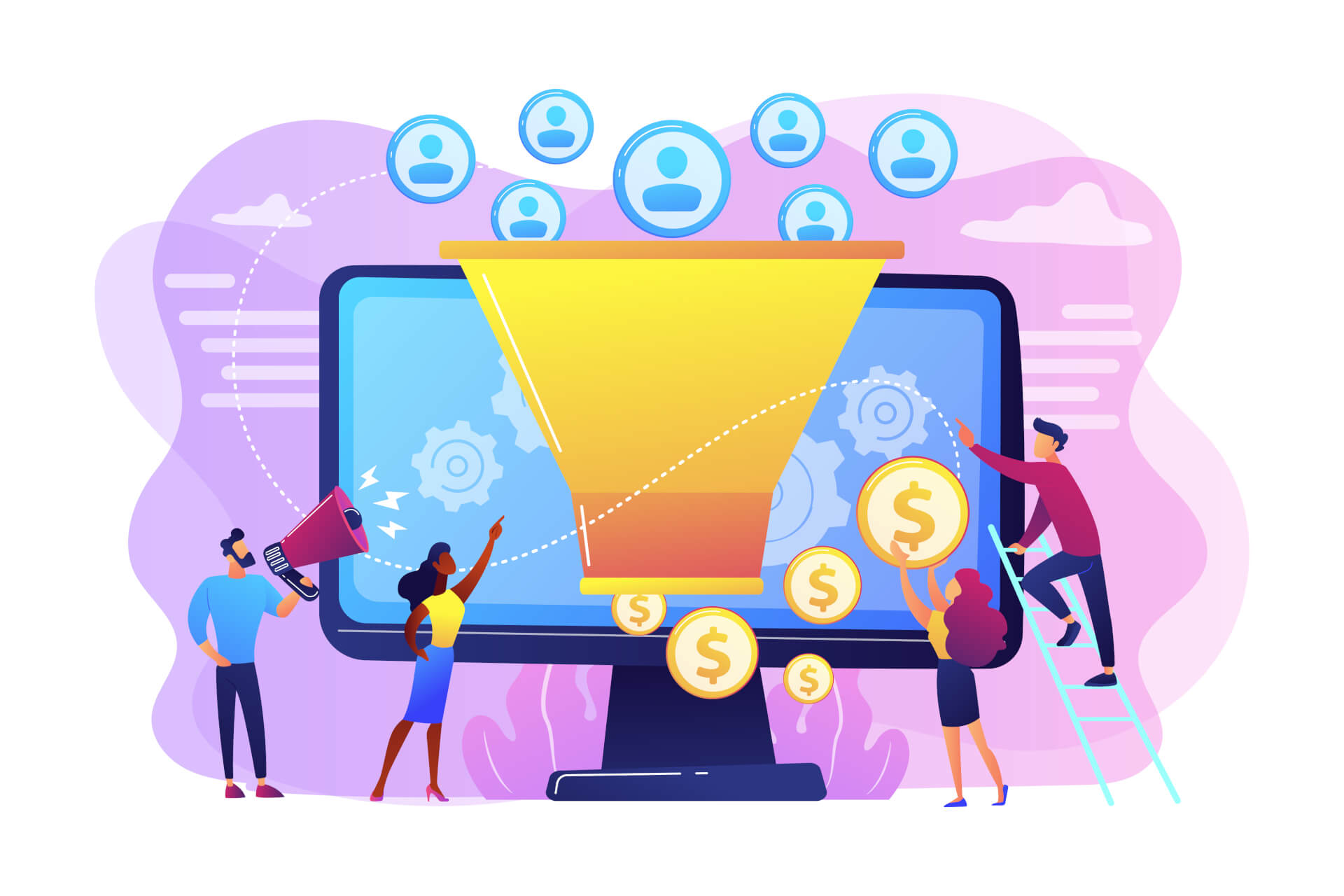
Conversion path analysis is essential for businesses to understand how customers move through the sales funnel and where they may be dropping off.
By analyzing the conversion path, businesses can identify bottlenecks, optimize their marketing efforts, and improve the overall customer experience.
This data-driven approach allows companies to make informed decisions and tailor their strategies to better meet the needs of their target audience.
Tools for Conversion Path Analysis
There are several tools available to help businesses track and analyze the buyer's journey. Google Analytics is a popular choice for monitoring website traffic, conversion rates, and user behavior. Other tools like HubSpot, Kissmetrics, and Mixpanel offer more advanced features for tracking customer interactions and measuring the effectiveness of marketing campaigns.
Implementing Conversion Path Analysis
To effectively implement conversion path analysis, businesses need to set up tracking mechanisms to capture data at every stage of the buyer's journey. This may involve setting up goals in Google Analytics, creating custom tracking links, or using marketing automation software to monitor customer interactions.
By collecting and analyzing this data, businesses can gain valuable insights into customer behavior and make data-driven decisions to improve their conversion rates.
Best Practices for Optimizing the Buyer's Journey
- Personalization: Tailor your marketing messages to the specific needs and interests of your target audience.
- Multi-channel Marketing: Reach customers through a variety of channels to increase brand visibility and engagement.
- A/B Testing: Experiment with different marketing strategies to identify what resonates best with your audience.
- Continuous Optimization: Regularly review and update your conversion path based on data and feedback from customers.
- Customer Feedback: Listen to your customers and incorporate their feedback to improve the overall customer experience.
Conclusion
In conclusion, conversion path analysis is a powerful tool for businesses looking to optimize their marketing strategies and increase their conversion rates. By mapping the buyer's journey from click to customer, companies can b, and ultimately drive more sales. By implementing best practices and utilizing the right tools, businesses can create a seamless and personalized experience for their customers, leading to higher conversion rates and increased revenue.
Recommended reading: If this article helped you and you would like to learn more about the possibilities of using NPS in customer acquisition, continue reading here: "The role of NPS in customer acquisition"
FAQs
Why is conversion path analysis important for businesses?
Conversion path analysis helps businesses understand how customers move through the sales funnel and where they may be dropping off. By analyzing the conversion path, businesses can identify bottlenecks, optimize their marketing efforts, and improve the overall customer experience.
What tools can businesses use for conversion path analysis?
Businesses can use tools like Google Analytics, HubSpot, Kissmetrics, and Mixpanel to track and analyze the buyer's journey. These tools offer features for monitoring website traffic, conversion rates, and user behavior to help businesses make data-driven decisions.
How can businesses implement conversion path analysis effectively?
To implement conversion path analysis effectively, businesses need to set up tracking mechanisms to capture data at every stage of the buyer's journey. This may involve setting up goals in Google Analytics, creating custom tracking links, or using marketing automation software to monitor customer interactions.
What are some best practices for optimizing the buyer's journey?
Some best practices for optimizing the buyer's journey include personalization, multi-channel marketing, A/B testing, continuous optimization, and customer feedback. By tailoring marketing messages to customer needs, reaching customers through multiple channels, and experimenting with different strategies, businesses can improve their conversion rates.
How can businesses use conversion path analysis to increase their conversion rates?
By analyzing the buyer's journey and identifying key touchpoints, businesses can address customer needs, optimize their marketing strategies, and create a seamless and personalized experience for their customers. This leads to higher conversion rates, increased revenue, and improved customer satisfaction.