![[EN]](data:image/png;base64,iVBORw0KGgoAAAANSUhEUgAAAB4AAAAUCAYAAACaq43EAAAAGXRFWHRTb2Z0d2FyZQBBZG9iZSBJbWFnZVJlYWR5ccllPAAAAyRpVFh0WE1MOmNvbS5hZG9iZS54bXAAAAAAADw/eHBhY2tldCBiZWdpbj0i77u/IiBpZD0iVzVNME1wQ2VoaUh6cmVTek5UY3prYzlkIj8+IDx4OnhtcG1ldGEgeG1sbnM6eD0iYWRvYmU6bnM6bWV0YS8iIHg6eG1wdGs9IkFkb2JlIFhNUCBDb3JlIDUuMy1jMDExIDY2LjE0NTY2MSwgMjAxMi8wMi8wNi0xNDo1NjoyNyAgICAgICAgIj4gPHJkZjpSREYgeG1sbnM6cmRmPSJodHRwOi8vd3d3LnczLm9yZy8xOTk5LzAyLzIyLXJkZi1zeW50YXgtbnMjIj4gPHJkZjpEZXNjcmlwdGlvbiByZGY6YWJvdXQ9IiIgeG1sbnM6eG1wPSJodHRwOi8vbnMuYWRvYmUuY29tL3hhcC8xLjAvIiB4bWxuczp4bXBNTT0iaHR0cDovL25zLmFkb2JlLmNvbS94YXAvMS4wL21tLyIgeG1sbnM6c3RSZWY9Imh0dHA6Ly9ucy5hZG9iZS5jb20veGFwLzEuMC9zVHlwZS9SZXNvdXJjZVJlZiMiIHhtcDpDcmVhdG9yVG9vbD0iQWRvYmUgUGhvdG9zaG9wIENTNiAoTWFjaW50b3NoKSIgeG1wTU06SW5zdGFuY2VJRD0ieG1wLmlpZDpERTc5MkI3RjE3OEExMUUyQTcxNDlDNEFCRkNENzc2NiIgeG1wTU06RG9jdW1lbnRJRD0ieG1wLmRpZDpERTc5MkI4MDE3OEExMUUyQTcxNDlDNEFCRkNENzc2NiI+IDx4bXBNTTpEZXJpdmVkRnJvbSBzdFJlZjppbnN0YW5jZUlEPSJ4bXAuaWlkOkEyMTE0RjIyMTc4QTExRTJBNzE0OUM0QUJGQ0Q3NzY2IiBzdFJlZjpkb2N1bWVudElEPSJ4bXAuZGlkOkRFNzkyQjdFMTc4QTExRTJBNzE0OUM0QUJGQ0Q3NzY2Ii8+IDwvcmRmOkRlc2NyaXB0aW9uPiA8L3JkZjpSREY+IDwveDp4bXBtZXRhPiA8P3hwYWNrZXQgZW5kPSJyIj8+60cYSwAAAyhJREFUeNrElN1PU3cYxz/tOQUBD/aNymtbUAq2IOiUWXmZA40Iy2BzcW53y7JlyZLtZuE/8NaY7Gbe7WJbdJnTDOdQCbLKrERUotgCSodQ7AsFpK28yKT7rfsL2gv7JCcn+eV3zpPv5/l+H9X2xp65SqtJGfr1Fg3vNPD02SIhfwRniwP3pdvsOVxPaCHGs7+DOA/VJs8crXXEs3P48OfTfMIcU+SRaqlMzm8SNut2VuefIxvyydZIxFbWyX35iviLNZRiPZJaxdLyCkoiQUyc6cwFTPvC9FRkcbJMy7JaTrmxHIuvxaZm5xW7+Jl3NkKRaRt5OVlMjvuoqa9gwr9AgS4PvTYP78hjdtVVEAw9J+Kdxv7Td+hL8tGTeslGg8Jeexk3/riLs62O+cU441NBDjbZGbg+SlNbPYvRF9zzzHCoycFA/yhvCtRqnZbr5a1YEjGm5S2po1ZXfRHVaCTlWLODq24v1eWFGPVbuXH5Dh3vORm88xhziR5zoZ5rl9y0dx/ggS/EzGSQs5Ua3s39h7CUlbri0mKdUGzmijBXqzBXYH4Z931fsmlf7zBvd+wjIigMDI/TcbyRvt+GOSgUZ62uU3S2h8IdRgrTQK1S2T6PyhpZ+aB9LxcF2hpbCUUF27hy4S+Of/wWfUMeykuNVIin9/xNuj9qYWR8juknIc5szNC1voA/DdSypayAhlor57/vp/NEC7OBRfpveek+0cwvP/7JsfedhEWcLg8+pOtkMxfOuTjc5WSrSc+S6ymSQYtGyk5dsVT9/4zbhZmu3Z5IztggXOwSZjvSuZ+hUR9mEan/KAz+PkJb5z7GngSYdXu46T9Ho3EL6ZSKnZ9Fax0W5aFrDNuB6mROA6El7BYTnns+bPt3srK2gV+QcIjIPRLzrxL3ZkLLfB0c40udRCAd1EfFNioxaSG+Sl2NmchSnCKjwh6HBWlzk/rd1uTyMOTn8MbuctRiieyqLKbKbqXs4gSvQmFephOnRCIRFW+F11yyp/3TtD/eSKjYTM4rjcZh110yUZlDPfnVqcwovkppRhRnDrX/2x+UjKDuJXcuE4r/FWAAjBMttNdoYOEAAAAASUVORK5CYII=)
 Where competition is fierce and attention spans are short, it's more important than ever for businesses to stay top of mind with their target audience. This is where retargeting ads come into play.
Retargeting ads, also known as remarketing ads, are a powerful digital marketing strategy that allows businesses to target users who have previously visited their website but did not take the desired action, such as making a purchase or filling out a form. By showing targeted ads to these lost leads as they browse the internet, businesses can stay top of mind and encourage them to come back and complete the desired action.
In this comprehensive guide, we will delve into what retargeting ads are, how they work, and the best practices for setting up and optimizing retargeting campaigns to re-engage and convert lost leads.
What are Retargeting Ads?

How do Retargeting Ads Work?
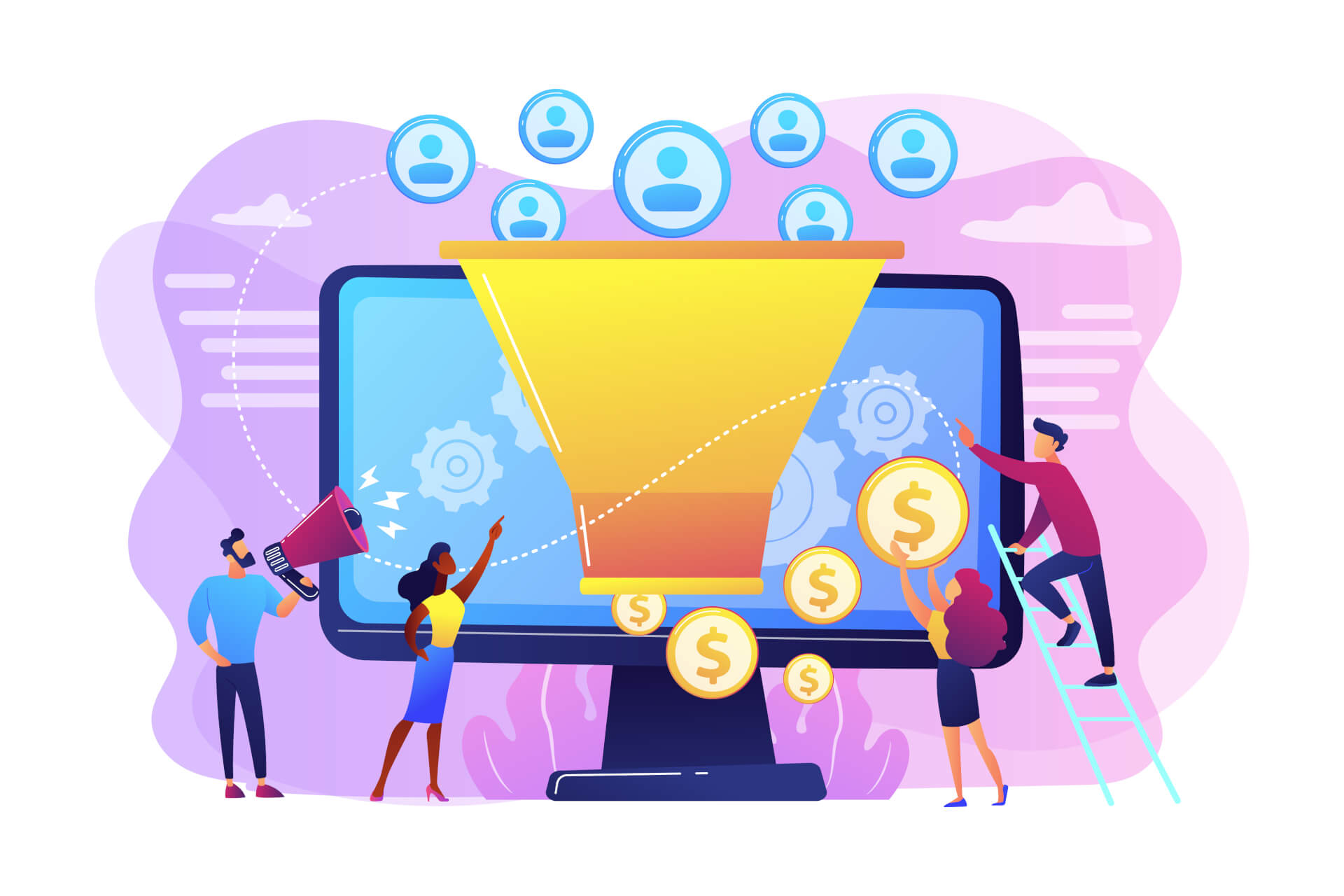
Retargeting ads work by placing a small piece of code, known as a pixel, on your website that tracks visitors' behavior. When a visitor leaves your site without converting, the pixel triggers ads to be displayed to them as they browse other websites or social media platforms. This keeps your brand in front of them and encourages them to return and complete the desired action.
Benefits of Using Retargeting Ads
Retargeting ads offer several benefits, including increased brand awareness, higher conversion rates, and improved ROI. By targeting users who have already shown interest in your products or services, you are more likely to convert them into customers.
Additionally, retargeting ads allow you to personalize your messaging and offers based on users' behavior, increasing the likelihood of conversion.
Common Misconceptions about Retargeting Ads
One common misconception about retargeting ads is that they are intrusive or annoying to users. However, when done correctly, retargeting ads can be a valuable tool for re-engaging lost leads and driving conversions.
Another misconception is that retargeting ads are only effective for e-commerce businesses. In reality, retargeting ads can be beneficial for a wide range of industries and business models.
Setting Up a Retargeting Campaign

Choosing the Right Platform
When setting up a retargeting campaign, it's important to choose the right platform that aligns with your goals and target audience. Popular retargeting platforms include Google Ads, Facebook Ads, and LinkedIn Ads, each offering unique targeting options and capabilities.
Defining Your Target Audience
Before launching a retargeting campaign, it's essential to define your target audience based on their behavior and interactions with your website. Segmenting your audience allows you to create personalized ads that resonate with different user groups and increase the likelihood of conversion.
Creating Compelling Ad Creatives
The success of a retargeting campaign often hinges on the quality of your ad creatives. To stand out from the competition and capture users' attention, create compelling and visually appealing ads that highlight your unique selling points and encourage users to take action.
Setting Up Tracking and Analytics
To measure the effectiveness of your retargeting campaign, it's crucial to set up tracking and analytics to monitor key performance metrics such as click-through rates, conversion rates, and return on ad spend.
By analyzing this data, you can make informed decisions to optimize your campaign for better results.
Best Practices for Retargeting Ads

Frequency Capping
One common pitfall of retargeting campaigns is bombarding users with too many ads, leading to ad fatigue and a negative user experience.
Implementing frequency capping limits the number of times a user sees your ads, preventing overexposure and improving campaign performance.
A/B Testing
To optimize your retargeting ads for better results, conduct A/B testing to compare different ad creatives, messaging, and targeting strategies. By testing and iterating on your ads, you can identify what resonates best with your audience and refine your campaign for maximum effectiveness.
Personalization
Personalization is key to a successful retargeting campaign. Tailor your ads to each user's behavior and preferences, such as showcasing products they viewed or offering exclusive discounts based on their interactions.
Personalized ads are more likely to capture users' attention and drive conversions.
Dynamic Retargeting
Dynamic retargeting takes personalization to the next level by automatically displaying ads featuring products or services that users have previously viewed on your website. By showing users relevant and timely ads, dynamic retargeting increases the chances of conversion and drives higher ROI for your campaign.
Optimizing Retargeting Campaigns

Monitoring Performance
Regularly monitor the performance of your retargeting campaign to identify areas for improvement and optimization. Track key metrics, such as click-through rates, conversion rates, and cost per acquisition, to gauge the effectiveness of your ads and make data-driven decisions.
Making Data-Driven Decisions
Use data and analytics to inform your retargeting strategy and make informed decisions about budget allocation, ad creatives, and audience targeting. By analyzing performance data and trends, you can optimize your campaign for better results and maximize ROI.
Adjusting Ad Budgets
As you monitor the performance of your retargeting campaign, be prepared to adjust your ad budgets based on what is working best. Allocate more budget to high-performing ads and audiences, while scaling back on underperforming areas to optimize your campaign for maximum impact.
Retargeting Across Different Channels
Expand the reach of your retargeting campaign by targeting users across different channels and devices. By retargeting users on platforms like social media, display networks, and email, you can engage users at various touchpoints and increase the chances of conversion.
Case Studies: Successful Retargeting Campaigns

Increasing Conversion Rates by 30%
In our first example, the company implemented a dynamic retargeting campaign that showcased personalized product recommendations to users based on their browsing behavior. By tailoring ads to users' preferences, the company saw a 30% increase in conversion rates and a significant boost in ROI.
Re-Engaging Abandoned Cart Customers
In our second example, the company targeted users who had abandoned their shopping carts with personalized ads offering a discount on their next purchase. By re-engaging these lost leads with a compelling offer, the company was able to recover a significant percentage of abandoned carts and drive conversions.
Upselling to Existing Customers
Our third example company used retargeting ads to upsell additional products to existing customers who had previously made a purchase. By showcasing complementary products and exclusive offers, the company was able to increase the average order value and drive repeat purchases from loyal customers.
Conclusion
In conclusion, retargeting ads are a valuable tool for re-engaging and converting lost leads by keeping your brand top of mind with users who have shown interest in your products or services. By following best practices, optimizing your campaigns, and leveraging personalization, you can maximize the effectiveness of your retargeting ads and drive higher ROI for your business.
Recommended reading: If this article helped you and you would like to learn more about the possibilities of using NPS in customer acquisition, continue reading here: "The role of NPS in customer acquisition"
FAQs
What is the difference between retargeting and remarketing?
Retargeting and remarketing are often used interchangeably, but there is a subtle difference between the two. Retargeting typically refers to targeting users based on their behavior on your website, while remarketing can also include targeting users through email or other channels.
How long should I run a retargeting campaign for?
The duration of a retargeting campaign can vary depending on your goals and target audience. It's recommended to run a retargeting campaign for at least 30 days to give users ample time to re-engage and convert.
How can I measure the success of my retargeting campaign?
To measure the success of your retargeting campaign, track key performance metrics such as click-through rates, conversion rates, and return on ad spend. Use these metrics to gauge the effectiveness of your ads and make data-driven decisions to optimize your campaign.
Are retargeting ads effective for B2B businesses?
Yes, retargeting ads can be highly effective for B2B businesses by targeting decision-makers and influencers who have visited your website but not converted. By staying top of mind with these key stakeholders, you can increase the likelihood of conversion and drive leads for your B2B business.
How can I prevent ad fatigue in my retargeting campaign?
To prevent ad fatigue and ensure a positive user experience, implement frequency capping to limit the number of times a user sees your ads. Rotate ad creatives and messaging regularly to keep ads fresh and engaging for users, reducing the risk of overexposure.