![[EN]](data:image/png;base64,iVBORw0KGgoAAAANSUhEUgAAAB4AAAAUCAYAAACaq43EAAAAGXRFWHRTb2Z0d2FyZQBBZG9iZSBJbWFnZVJlYWR5ccllPAAAAyRpVFh0WE1MOmNvbS5hZG9iZS54bXAAAAAAADw/eHBhY2tldCBiZWdpbj0i77u/IiBpZD0iVzVNME1wQ2VoaUh6cmVTek5UY3prYzlkIj8+IDx4OnhtcG1ldGEgeG1sbnM6eD0iYWRvYmU6bnM6bWV0YS8iIHg6eG1wdGs9IkFkb2JlIFhNUCBDb3JlIDUuMy1jMDExIDY2LjE0NTY2MSwgMjAxMi8wMi8wNi0xNDo1NjoyNyAgICAgICAgIj4gPHJkZjpSREYgeG1sbnM6cmRmPSJodHRwOi8vd3d3LnczLm9yZy8xOTk5LzAyLzIyLXJkZi1zeW50YXgtbnMjIj4gPHJkZjpEZXNjcmlwdGlvbiByZGY6YWJvdXQ9IiIgeG1sbnM6eG1wPSJodHRwOi8vbnMuYWRvYmUuY29tL3hhcC8xLjAvIiB4bWxuczp4bXBNTT0iaHR0cDovL25zLmFkb2JlLmNvbS94YXAvMS4wL21tLyIgeG1sbnM6c3RSZWY9Imh0dHA6Ly9ucy5hZG9iZS5jb20veGFwLzEuMC9zVHlwZS9SZXNvdXJjZVJlZiMiIHhtcDpDcmVhdG9yVG9vbD0iQWRvYmUgUGhvdG9zaG9wIENTNiAoTWFjaW50b3NoKSIgeG1wTU06SW5zdGFuY2VJRD0ieG1wLmlpZDpERTc5MkI3RjE3OEExMUUyQTcxNDlDNEFCRkNENzc2NiIgeG1wTU06RG9jdW1lbnRJRD0ieG1wLmRpZDpERTc5MkI4MDE3OEExMUUyQTcxNDlDNEFCRkNENzc2NiI+IDx4bXBNTTpEZXJpdmVkRnJvbSBzdFJlZjppbnN0YW5jZUlEPSJ4bXAuaWlkOkEyMTE0RjIyMTc4QTExRTJBNzE0OUM0QUJGQ0Q3NzY2IiBzdFJlZjpkb2N1bWVudElEPSJ4bXAuZGlkOkRFNzkyQjdFMTc4QTExRTJBNzE0OUM0QUJGQ0Q3NzY2Ii8+IDwvcmRmOkRlc2NyaXB0aW9uPiA8L3JkZjpSREY+IDwveDp4bXBtZXRhPiA8P3hwYWNrZXQgZW5kPSJyIj8+60cYSwAAAyhJREFUeNrElN1PU3cYxz/tOQUBD/aNymtbUAq2IOiUWXmZA40Iy2BzcW53y7JlyZLtZuE/8NaY7Gbe7WJbdJnTDOdQCbLKrERUotgCSodQ7AsFpK28yKT7rfsL2gv7JCcn+eV3zpPv5/l+H9X2xp65SqtJGfr1Fg3vNPD02SIhfwRniwP3pdvsOVxPaCHGs7+DOA/VJs8crXXEs3P48OfTfMIcU+SRaqlMzm8SNut2VuefIxvyydZIxFbWyX35iviLNZRiPZJaxdLyCkoiQUyc6cwFTPvC9FRkcbJMy7JaTrmxHIuvxaZm5xW7+Jl3NkKRaRt5OVlMjvuoqa9gwr9AgS4PvTYP78hjdtVVEAw9J+Kdxv7Td+hL8tGTeslGg8Jeexk3/riLs62O+cU441NBDjbZGbg+SlNbPYvRF9zzzHCoycFA/yhvCtRqnZbr5a1YEjGm5S2po1ZXfRHVaCTlWLODq24v1eWFGPVbuXH5Dh3vORm88xhziR5zoZ5rl9y0dx/ggS/EzGSQs5Ua3s39h7CUlbri0mKdUGzmijBXqzBXYH4Z931fsmlf7zBvd+wjIigMDI/TcbyRvt+GOSgUZ62uU3S2h8IdRgrTQK1S2T6PyhpZ+aB9LxcF2hpbCUUF27hy4S+Of/wWfUMeykuNVIin9/xNuj9qYWR8juknIc5szNC1voA/DdSypayAhlor57/vp/NEC7OBRfpveek+0cwvP/7JsfedhEWcLg8+pOtkMxfOuTjc5WSrSc+S6ymSQYtGyk5dsVT9/4zbhZmu3Z5IztggXOwSZjvSuZ+hUR9mEan/KAz+PkJb5z7GngSYdXu46T9Ho3EL6ZSKnZ9Fax0W5aFrDNuB6mROA6El7BYTnns+bPt3srK2gV+QcIjIPRLzrxL3ZkLLfB0c40udRCAd1EfFNioxaSG+Sl2NmchSnCKjwh6HBWlzk/rd1uTyMOTn8MbuctRiieyqLKbKbqXs4gSvQmFephOnRCIRFW+F11yyp/3TtD/eSKjYTM4rjcZh110yUZlDPfnVqcwovkppRhRnDrX/2x+UjKDuJXcuE4r/FWAAjBMttNdoYOEAAAAASUVORK5CYII=)
 One of the most effective ways to gauge customer satisfaction and loyalty is through Net Promoter Score (NPS) surveys. However, collecting NPS scores is just the first step. The real magic happens in how you follow up on those scores.
Customer feedback is the lifeblood of any business. It provides valuable insights into what customers think about your products or services, what they like, and what they don't. NPS is a powerful tool that helps businesses measure customer loyalty and satisfaction. But simply collecting NPS scores is not enough.
Following up with customers to understand their feedback, address any issues, and show appreciation for their input is crucial for building long-lasting relationships.
Understanding NPS
What is NPS?
Net Promoter Score (NPS) is a metric used to measure customer loyalty and satisfaction. It is based on a single question:
"On a scale of 0-10, how likely are you to recommend our company to a friend or colleague?"
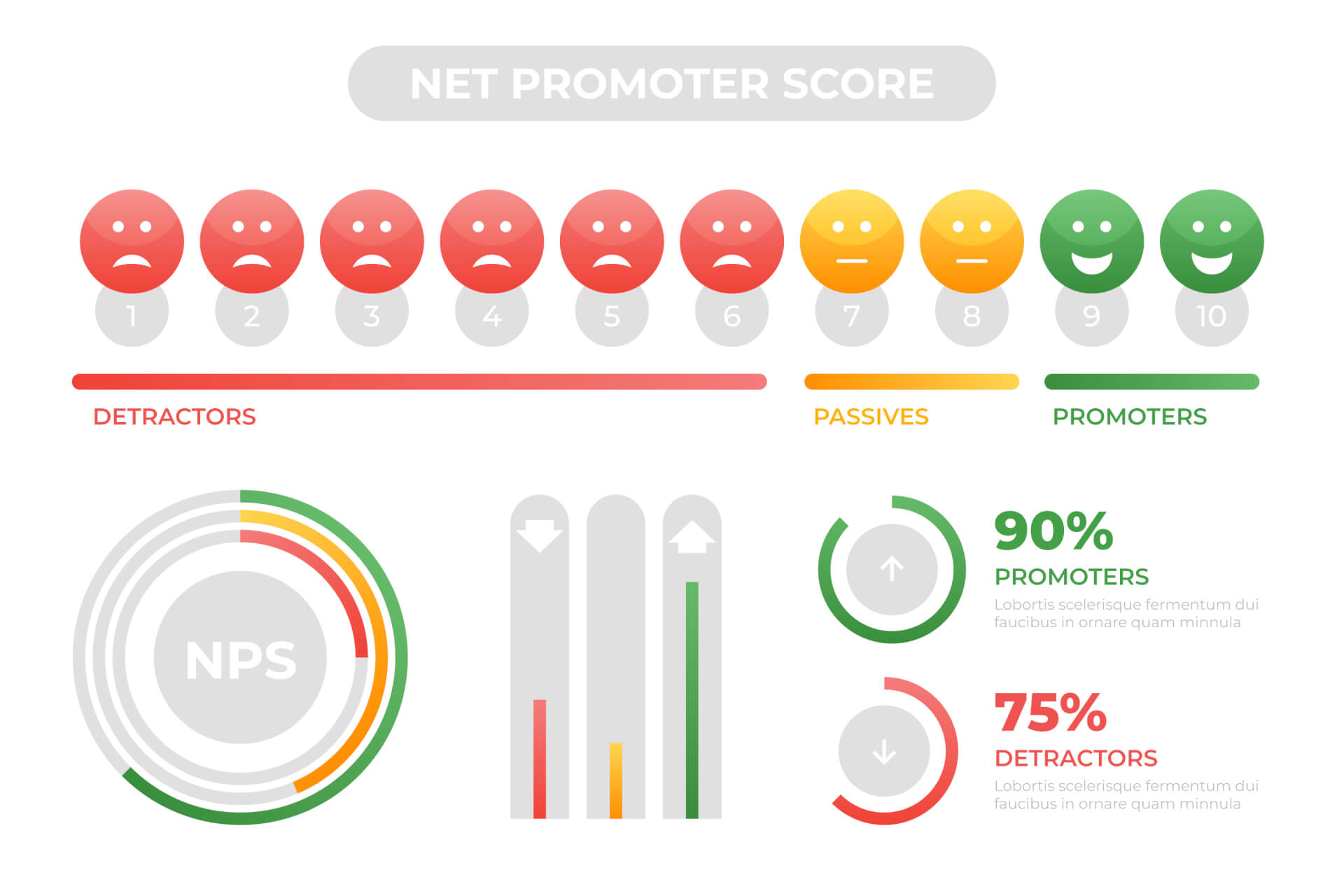
Based on their responses, customers are categorized into three groups: promoters (score 9-10), passives (score 7-8), and detractors (score 0-6).
How is NPS calculated?
NPS is calculated by subtracting the percentage of detractors from the percentage of promoters. The final score can range from -100 (if all customers are detractors) to +100 (if all customers are promoters). A high NPS indicates that customers are likely to recommend your business, while a low NPS signals areas for improvement.
Importance of NPS in business
NPS provides businesses with a clear and measurable way to track customer satisfaction and loyalty over time. It helps identify areas of strength and weakness, prioritize improvements, and benchmark performance against competitors. By focusing on improving NPS scores, businesses can drive growth, increase customer retention, and boost profitability.
The Art of NPS Customer Follow-Up

Why follow-up on NPS scores?
Following up on NPS scores shows customers that their feedback is valued and appreciated. It gives businesses an opportunity to dig deeper into the reasons behind the scores, address any issues or concerns raised, and strengthen relationships with customers.
By engaging with customers after they submit their scores, businesses can turn passive customers into promoters and detractors into loyal advocates.
Best practices for NPS follow-up
When following up on NPS scores, it's essential to be prompt, personalized, and proactive. Acknowledge the customer's feedback, thank them for their input, and show genuine interest in their experience.
Use the feedback to identify areas for improvement and take action to address any issues raised. By demonstrating a commitment to listening and acting on customer feedback, businesses can build trust and loyalty.
Timing of NPS follow-up
The timing of NPS follow-up is critical. Ideally, follow-up should occur shortly after the customer has submitted their score, while the experience is still fresh in their mind. This shows customers that their feedback is important and that the business is responsive to their concerns.
By following up in a timely manner, businesses can capture valuable insights, address issues promptly, and enhance the overall customer experience.
Crafting the Perfect NPS Follow-Up Message

Personalization and customization
When crafting NPS follow-up messages, it's essential to personalize the communication to each customer. Address them by name, reference specific feedback they provided, and tailor the message to their individual experience.
By showing customers that their feedback is not just a number but a valuable contribution to the business, you can foster a sense of connection and loyalty.
Addressing positive and negative feedback
Whether a customer is a promoter, passive, or detractor, it's important to acknowledge their feedback and respond accordingly. For promoters, express gratitude for their support and encourage them to continue spreading the word about your business.
For passives, seek to understand what could be done to turn them into promoters. And for detractors, address their concerns, apologize for any shortcomings, and take steps to rectify the situation.
Encouraging further engagement
NPS follow-up is not just about closing the loop on feedback; it's also an opportunity to engage with customers and deepen the relationship. Encourage customers to provide more detailed feedback, participate in surveys or focus groups, or take advantage of special offers or promotions. By fostering ongoing dialogue and interaction with customers, businesses can build loyalty, trust, and advocacy.
Leveraging NPS Follow-Up for Business Growth

Using NPS feedback for product improvement
NPS feedback provides valuable insights into what customers value most about your products or services and where there is room for improvement. By analyzing trends in feedback, identifying common themes, and taking action to address issues raised, businesses can enhance the customer experience, drive product innovation, and stay ahead of the competition.
Turning detractors into promoters
One of the most powerful outcomes of NPS follow-up is the opportunity to turn detractors into promoters. By listening to detractors' feedback, addressing their concerns, and going above and beyond to make things right, businesses can win back their trust and loyalty. When detractors are converted into promoters, they become valuable advocates for the business, helping attract new customers and drive growth.
Building customer loyalty through follow-up
Consistent and meaningful follow-up on NPS scores is key to building long-term customer loyalty. By showing customers that their feedback is heard, valued, and acted upon, businesses can create a sense of trust and partnership. When customers feel appreciated and supported, they are more likely to remain loyal, recommend the business to others, and continue to engage with the brand over time.
Conclusion
In conclusion, NPS customer follow-up is a critical component of any successful customer feedback program. By engaging with customers after they submit their scores, businesses can gain valuable insights, address issues, and build strong relationships that drive growth and loyalty.
By following best practices for NPS follow-up, crafting personalized messages, and leveraging feedback for improvement, businesses can turn detractors into promoters, enhance the customer experience, and set themselves apart from the competition.
Reading recommendation: If this article helped you and you would like to find out more about the Net Promoter Score, continue reading here: “The Net Promoter Score – Basics and Areas of Application”
FAQ
Why is NPS follow-up important?
NPS follow-up is important because it shows customers that their feedback is valued, helps businesses understand the reasons behind their scores, and provides an opportunity to address any issues raised.
How can businesses use NPS feedback for growth?
Businesses can use NPS feedback for growth by analyzing trends in feedback, identifying areas for improvement, and taking action to enhance the customer experience and drive product innovation.
What should businesses do with detractors' feedback?
Businesses should listen to detractors' feedback, address their concerns, apologize for any shortcomings, and take steps to make things right. By turning detractors into promoters, businesses can win back their trust and loyalty.
How can businesses encourage further engagement with customers?
Businesses can encourage further engagement with customers by offering special promotions, inviting them to participate in surveys or focus groups, and fostering ongoing dialogue and interaction to build loyalty and trust.
What are the benefits of building customer loyalty through NPS follow-up?
Building customer loyalty through NPS follow-up can lead to increased customer retention, higher customer lifetime value, positive word-of-mouth referrals, and a competitive advantage in the market.