![[EN]](data:image/png;base64,iVBORw0KGgoAAAANSUhEUgAAAB4AAAAUCAYAAACaq43EAAAAGXRFWHRTb2Z0d2FyZQBBZG9iZSBJbWFnZVJlYWR5ccllPAAAAyRpVFh0WE1MOmNvbS5hZG9iZS54bXAAAAAAADw/eHBhY2tldCBiZWdpbj0i77u/IiBpZD0iVzVNME1wQ2VoaUh6cmVTek5UY3prYzlkIj8+IDx4OnhtcG1ldGEgeG1sbnM6eD0iYWRvYmU6bnM6bWV0YS8iIHg6eG1wdGs9IkFkb2JlIFhNUCBDb3JlIDUuMy1jMDExIDY2LjE0NTY2MSwgMjAxMi8wMi8wNi0xNDo1NjoyNyAgICAgICAgIj4gPHJkZjpSREYgeG1sbnM6cmRmPSJodHRwOi8vd3d3LnczLm9yZy8xOTk5LzAyLzIyLXJkZi1zeW50YXgtbnMjIj4gPHJkZjpEZXNjcmlwdGlvbiByZGY6YWJvdXQ9IiIgeG1sbnM6eG1wPSJodHRwOi8vbnMuYWRvYmUuY29tL3hhcC8xLjAvIiB4bWxuczp4bXBNTT0iaHR0cDovL25zLmFkb2JlLmNvbS94YXAvMS4wL21tLyIgeG1sbnM6c3RSZWY9Imh0dHA6Ly9ucy5hZG9iZS5jb20veGFwLzEuMC9zVHlwZS9SZXNvdXJjZVJlZiMiIHhtcDpDcmVhdG9yVG9vbD0iQWRvYmUgUGhvdG9zaG9wIENTNiAoTWFjaW50b3NoKSIgeG1wTU06SW5zdGFuY2VJRD0ieG1wLmlpZDpERTc5MkI3RjE3OEExMUUyQTcxNDlDNEFCRkNENzc2NiIgeG1wTU06RG9jdW1lbnRJRD0ieG1wLmRpZDpERTc5MkI4MDE3OEExMUUyQTcxNDlDNEFCRkNENzc2NiI+IDx4bXBNTTpEZXJpdmVkRnJvbSBzdFJlZjppbnN0YW5jZUlEPSJ4bXAuaWlkOkEyMTE0RjIyMTc4QTExRTJBNzE0OUM0QUJGQ0Q3NzY2IiBzdFJlZjpkb2N1bWVudElEPSJ4bXAuZGlkOkRFNzkyQjdFMTc4QTExRTJBNzE0OUM0QUJGQ0Q3NzY2Ii8+IDwvcmRmOkRlc2NyaXB0aW9uPiA8L3JkZjpSREY+IDwveDp4bXBtZXRhPiA8P3hwYWNrZXQgZW5kPSJyIj8+60cYSwAAAyhJREFUeNrElN1PU3cYxz/tOQUBD/aNymtbUAq2IOiUWXmZA40Iy2BzcW53y7JlyZLtZuE/8NaY7Gbe7WJbdJnTDOdQCbLKrERUotgCSodQ7AsFpK28yKT7rfsL2gv7JCcn+eV3zpPv5/l+H9X2xp65SqtJGfr1Fg3vNPD02SIhfwRniwP3pdvsOVxPaCHGs7+DOA/VJs8crXXEs3P48OfTfMIcU+SRaqlMzm8SNut2VuefIxvyydZIxFbWyX35iviLNZRiPZJaxdLyCkoiQUyc6cwFTPvC9FRkcbJMy7JaTrmxHIuvxaZm5xW7+Jl3NkKRaRt5OVlMjvuoqa9gwr9AgS4PvTYP78hjdtVVEAw9J+Kdxv7Td+hL8tGTeslGg8Jeexk3/riLs62O+cU441NBDjbZGbg+SlNbPYvRF9zzzHCoycFA/yhvCtRqnZbr5a1YEjGm5S2po1ZXfRHVaCTlWLODq24v1eWFGPVbuXH5Dh3vORm88xhziR5zoZ5rl9y0dx/ggS/EzGSQs5Ua3s39h7CUlbri0mKdUGzmijBXqzBXYH4Z931fsmlf7zBvd+wjIigMDI/TcbyRvt+GOSgUZ62uU3S2h8IdRgrTQK1S2T6PyhpZ+aB9LxcF2hpbCUUF27hy4S+Of/wWfUMeykuNVIin9/xNuj9qYWR8juknIc5szNC1voA/DdSypayAhlor57/vp/NEC7OBRfpveek+0cwvP/7JsfedhEWcLg8+pOtkMxfOuTjc5WSrSc+S6ymSQYtGyk5dsVT9/4zbhZmu3Z5IztggXOwSZjvSuZ+hUR9mEan/KAz+PkJb5z7GngSYdXu46T9Ho3EL6ZSKnZ9Fax0W5aFrDNuB6mROA6El7BYTnns+bPt3srK2gV+QcIjIPRLzrxL3ZkLLfB0c40udRCAd1EfFNioxaSG+Sl2NmchSnCKjwh6HBWlzk/rd1uTyMOTn8MbuctRiieyqLKbKbqXs4gSvQmFephOnRCIRFW+F11yyp/3TtD/eSKjYTM4rjcZh110yUZlDPfnVqcwovkppRhRnDrX/2x+UjKDuJXcuE4r/FWAAjBMttNdoYOEAAAAASUVORK5CYII=)
Customer feedback provides insights into customer satisfaction, loyalty, and overall sentiment towards a brand. One common method used to measure customer feedback is Net Promoter Score (NPS), a metric that gauges customer loyalty and satisfaction.
However, understanding the emotions behind the NPS score is equally important. This is where NPS sentiment analysis comes into play.
What is NPS Sentiment Analysis?

Definition of NPS
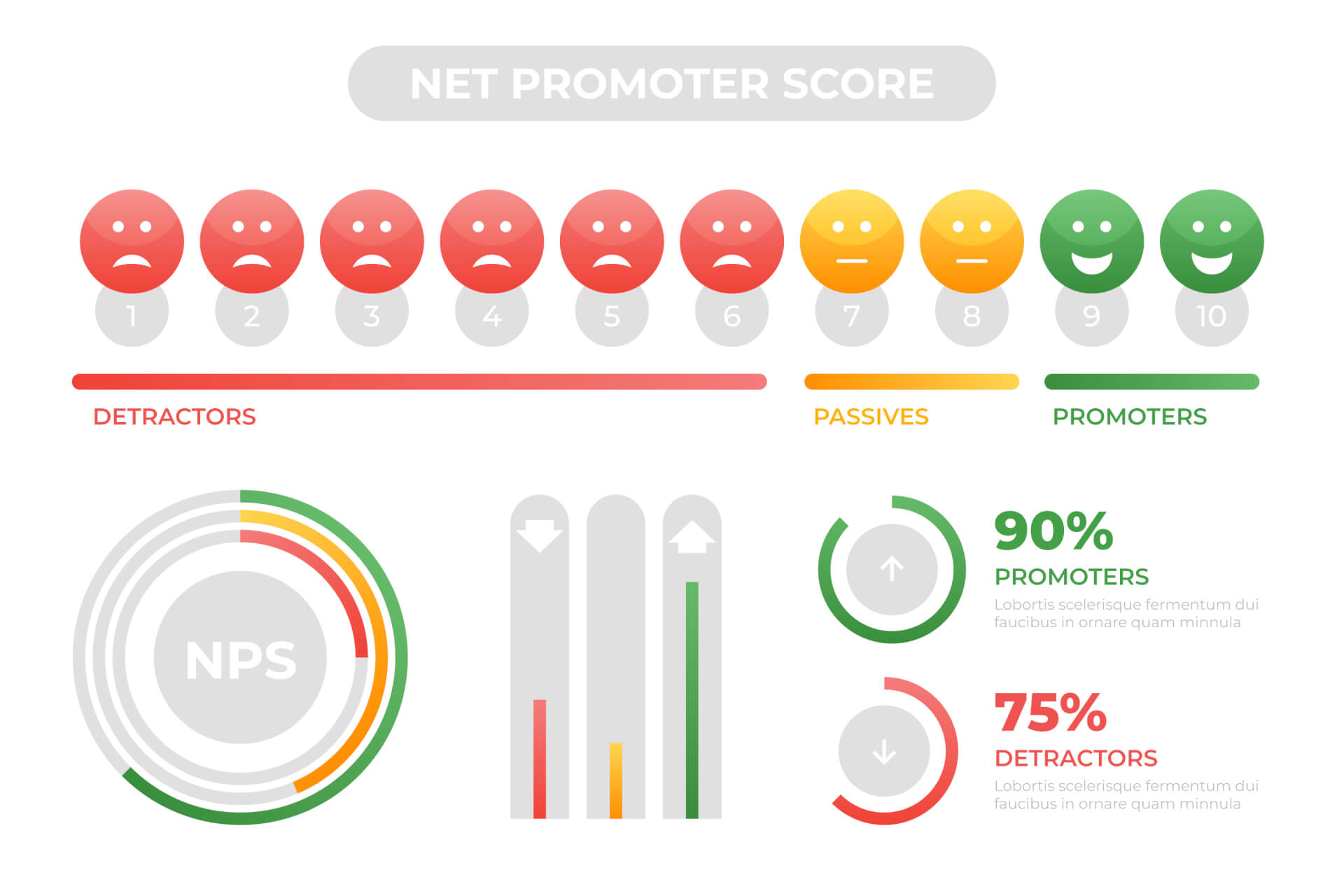
Net Promoter Score (NPS) is a metric used to measure customer loyalty and satisfaction. It is based on the simple question: "On a scale of 0-10, how likely are you to recommend our product/service to a friend or colleague?" Customers are then categorized into Promoters (score 9-10), Passives (score 7-8), and Detractors (score 0-6).
Importance of Sentiment Analysis
While NPS provides a numerical score, it doesn't capture the emotions or reasons behind the score. Sentiment analysis, on the other hand, helps businesses understand the underlying emotions expressed in customer feedback, whether positive, negative, or neutral.
How Does NPS Sentiment Analysis Work?

Data Collection
NPS sentiment analysis involves collecting and analyzing textual feedback from customers, such as survey responses, reviews, and social media comments. This data is then processed to extract sentiment-related information.
Text Processing
Text processing techniques like natural language processing (NLP) are used to analyze the sentiment of the text. This involves identifying keywords, phrases, and context to determine the overall sentiment expressed by customers.
Sentiment Classification
Once the text is processed, sentiment classification algorithms are used to categorize the feedback into positive, negative, or neutral sentiments. This helps businesses understand the overall sentiment of their customers.
Reading recommendation: In our blog article "Tutorial: How to Perform Sentiment Analysis", we guide you through the steps to conduct a sentiment analysis.
Benefits of NPS Sentiment Analysis

Customer Insights
NPS sentiment analysis provides businesses with valuable insights into customer emotions, preferences, and pain points. This helps businesses tailor their products and services to better meet customer needs.
Proactive Response
By analyzing sentiment in real-time, businesses can proactively address customer issues and concerns before they escalate. This leads to improved customer satisfaction and loyalty.
Brand Reputation Management
Understanding the sentiment behind the NPS score helps businesses manage their brand reputation effectively. By addressing negative feedback and amplifying positive sentiment, businesses can enhance their brand image.
Challenges of NPS Sentiment Analysis

Accuracy
One of the challenges of NPS sentiment analysis is ensuring the accuracy of sentiment classification. Misinterpreting customer feedback can lead to incorrect insights and decision-making.
Bias
Another challenge is bias in sentiment analysis algorithms. Biased algorithms can lead to skewed results, impacting the overall analysis and decision-making process.
Data Privacy
Collecting and analyzing customer feedback raises concerns about data privacy. Businesses must ensure that customer data is handled securely and ethically to maintain trust.
Best Practices for Implementing NPS Sentiment Analysis

Define Goals
Before implementing NPS sentiment analysis, businesses should define clear goals and objectives. This helps focus the analysis on key metrics and outcomes.
Choose the Right Tools
Selecting the right sentiment analysis tools and technologies is crucial for accurate and reliable results. Businesses should invest in tools that align with their specific needs and requirements.
Train Your Team
Training employees on how to interpret and act on sentiment analysis results is essential for successful implementation. This ensures that insights are effectively utilized to drive business decisions.
Real-World Examples of NPS Sentiment Analysis
Case Study
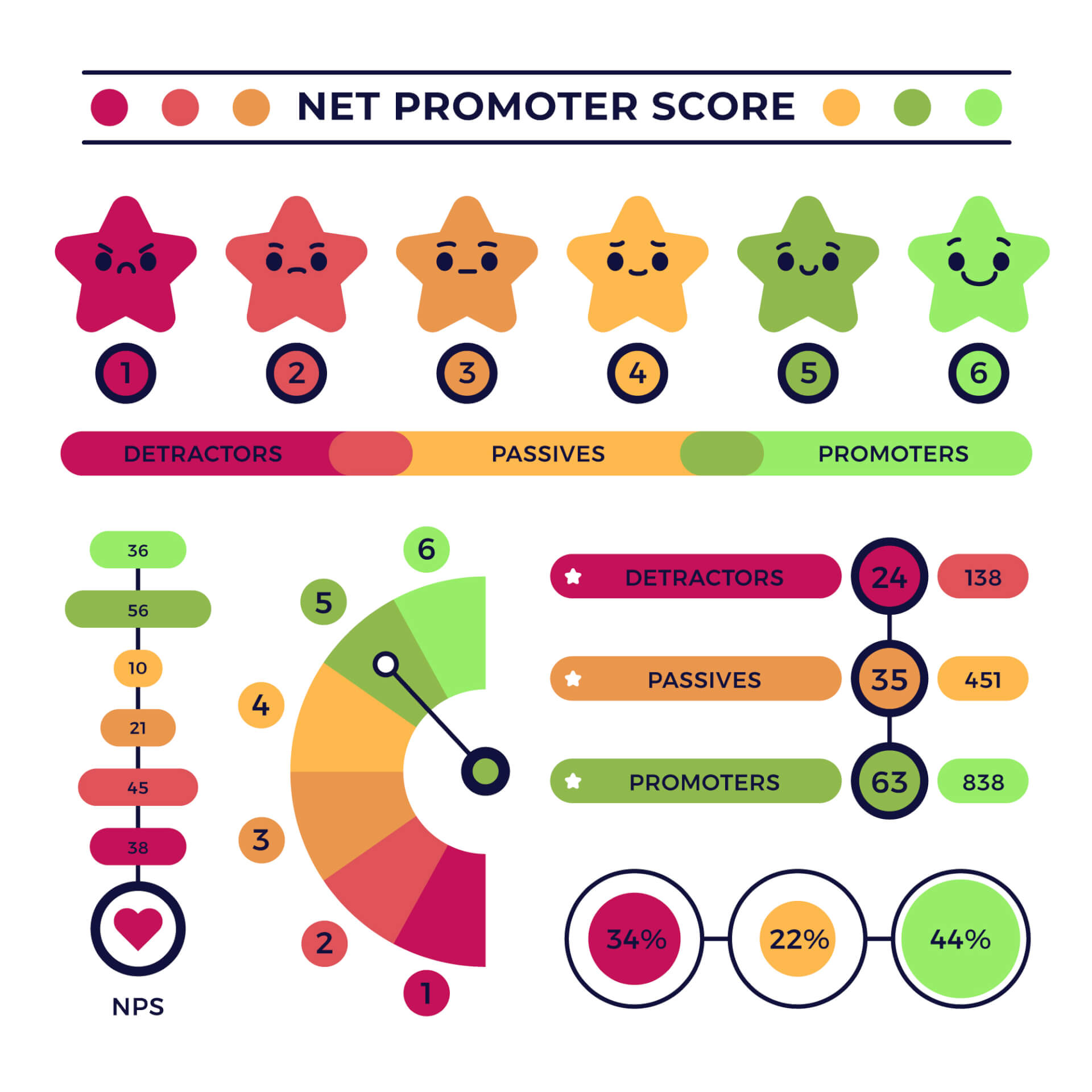
the company in our first example implemented NPS sentiment analysis to understand customer sentiment towards their new product launch. By analyzing feedback from social media, they identified key areas for improvement and successfully addressed customer concerns.
Success Story
The company in our second example used NPS sentiment analysis to track customer sentiment over time. By monitoring sentiment trends, they were able to proactively address issues, resulting in increased customer satisfaction and loyalty.
Common Misconceptions about NPS Sentiment Analysis

It's Just a Number
Many businesses view NPS as just a number, overlooking the underlying emotions expressed by customers. Sentiment analysis helps businesses dig deeper into the reasons behind the score.
Sentiment is Subjective
Some businesses believe that sentiment analysis is subjective and unreliable. However, with the right tools and techniques, sentiment analysis can provide valuable insights into customer emotions.
NPS is Enough
Relying solely on NPS scores without analyzing sentiment can lead to missed opportunities for improvement. Combining NPS with sentiment analysis provides a more comprehensive view of customer feedback.
Conclusion
In conclusion, NPS sentiment analysis is a powerful tool for understanding the emotions behind the score. By analyzing customer sentiment, businesses can gain valuable insights, proactively address issues, and enhance their brand reputation. Implementing best practices and overcoming challenges are key to leveraging the benefits of NPS sentiment analysis effectively.
Reading recommendation: If this article helped you and you would like to find out more about the Net Promoter Score, continue reading here: “The Net Promoter Score – Basics and Areas of Application”
FAQ
How can NPS sentiment analysis benefit my business?
NPS sentiment analysis provides valuable insights into customer emotions, preferences, and pain points, helping businesses tailor their products and services to better meet customer needs.
What are the challenges of implementing NPS sentiment analysis?
Challenges include ensuring accuracy in sentiment classification, addressing bias in algorithms, and maintaining data privacy and security.
How can businesses overcome bias in sentiment analysis algorithms?
Businesses can overcome bias by using diverse training data, testing for bias regularly, and implementing bias detection and mitigation techniques.
What tools are recommended for NPS sentiment analysis?
Tools like sentiment analysis APIs, NLP libraries, and social media monitoring platforms are commonly used for NPS sentiment analysis.
How can businesses use NPS sentiment analysis to improve customer satisfaction?
By analyzing sentiment trends, businesses can proactively address customer issues, enhance product offerings, and improve overall customer satisfaction and loyalty.