![[EN]](data:image/png;base64,iVBORw0KGgoAAAANSUhEUgAAAB4AAAAUCAYAAACaq43EAAAAGXRFWHRTb2Z0d2FyZQBBZG9iZSBJbWFnZVJlYWR5ccllPAAAAyRpVFh0WE1MOmNvbS5hZG9iZS54bXAAAAAAADw/eHBhY2tldCBiZWdpbj0i77u/IiBpZD0iVzVNME1wQ2VoaUh6cmVTek5UY3prYzlkIj8+IDx4OnhtcG1ldGEgeG1sbnM6eD0iYWRvYmU6bnM6bWV0YS8iIHg6eG1wdGs9IkFkb2JlIFhNUCBDb3JlIDUuMy1jMDExIDY2LjE0NTY2MSwgMjAxMi8wMi8wNi0xNDo1NjoyNyAgICAgICAgIj4gPHJkZjpSREYgeG1sbnM6cmRmPSJodHRwOi8vd3d3LnczLm9yZy8xOTk5LzAyLzIyLXJkZi1zeW50YXgtbnMjIj4gPHJkZjpEZXNjcmlwdGlvbiByZGY6YWJvdXQ9IiIgeG1sbnM6eG1wPSJodHRwOi8vbnMuYWRvYmUuY29tL3hhcC8xLjAvIiB4bWxuczp4bXBNTT0iaHR0cDovL25zLmFkb2JlLmNvbS94YXAvMS4wL21tLyIgeG1sbnM6c3RSZWY9Imh0dHA6Ly9ucy5hZG9iZS5jb20veGFwLzEuMC9zVHlwZS9SZXNvdXJjZVJlZiMiIHhtcDpDcmVhdG9yVG9vbD0iQWRvYmUgUGhvdG9zaG9wIENTNiAoTWFjaW50b3NoKSIgeG1wTU06SW5zdGFuY2VJRD0ieG1wLmlpZDpERTc5MkI3RjE3OEExMUUyQTcxNDlDNEFCRkNENzc2NiIgeG1wTU06RG9jdW1lbnRJRD0ieG1wLmRpZDpERTc5MkI4MDE3OEExMUUyQTcxNDlDNEFCRkNENzc2NiI+IDx4bXBNTTpEZXJpdmVkRnJvbSBzdFJlZjppbnN0YW5jZUlEPSJ4bXAuaWlkOkEyMTE0RjIyMTc4QTExRTJBNzE0OUM0QUJGQ0Q3NzY2IiBzdFJlZjpkb2N1bWVudElEPSJ4bXAuZGlkOkRFNzkyQjdFMTc4QTExRTJBNzE0OUM0QUJGQ0Q3NzY2Ii8+IDwvcmRmOkRlc2NyaXB0aW9uPiA8L3JkZjpSREY+IDwveDp4bXBtZXRhPiA8P3hwYWNrZXQgZW5kPSJyIj8+60cYSwAAAyhJREFUeNrElN1PU3cYxz/tOQUBD/aNymtbUAq2IOiUWXmZA40Iy2BzcW53y7JlyZLtZuE/8NaY7Gbe7WJbdJnTDOdQCbLKrERUotgCSodQ7AsFpK28yKT7rfsL2gv7JCcn+eV3zpPv5/l+H9X2xp65SqtJGfr1Fg3vNPD02SIhfwRniwP3pdvsOVxPaCHGs7+DOA/VJs8crXXEs3P48OfTfMIcU+SRaqlMzm8SNut2VuefIxvyydZIxFbWyX35iviLNZRiPZJaxdLyCkoiQUyc6cwFTPvC9FRkcbJMy7JaTrmxHIuvxaZm5xW7+Jl3NkKRaRt5OVlMjvuoqa9gwr9AgS4PvTYP78hjdtVVEAw9J+Kdxv7Td+hL8tGTeslGg8Jeexk3/riLs62O+cU441NBDjbZGbg+SlNbPYvRF9zzzHCoycFA/yhvCtRqnZbr5a1YEjGm5S2po1ZXfRHVaCTlWLODq24v1eWFGPVbuXH5Dh3vORm88xhziR5zoZ5rl9y0dx/ggS/EzGSQs5Ua3s39h7CUlbri0mKdUGzmijBXqzBXYH4Z931fsmlf7zBvd+wjIigMDI/TcbyRvt+GOSgUZ62uU3S2h8IdRgrTQK1S2T6PyhpZ+aB9LxcF2hpbCUUF27hy4S+Of/wWfUMeykuNVIin9/xNuj9qYWR8juknIc5szNC1voA/DdSypayAhlor57/vp/NEC7OBRfpveek+0cwvP/7JsfedhEWcLg8+pOtkMxfOuTjc5WSrSc+S6ymSQYtGyk5dsVT9/4zbhZmu3Z5IztggXOwSZjvSuZ+hUR9mEan/KAz+PkJb5z7GngSYdXu46T9Ho3EL6ZSKnZ9Fax0W5aFrDNuB6mROA6El7BYTnns+bPt3srK2gV+QcIjIPRLzrxL3ZkLLfB0c40udRCAd1EfFNioxaSG+Sl2NmchSnCKjwh6HBWlzk/rd1uTyMOTn8MbuctRiieyqLKbKbqXs4gSvQmFephOnRCIRFW+F11yyp/3TtD/eSKjYTM4rjcZh110yUZlDPfnVqcwovkppRhRnDrX/2x+UjKDuJXcuE4r/FWAAjBMttNdoYOEAAAAASUVORK5CYII=)
Multi-touch attribution allows businesses to track and attribute value to each interaction a customer has with their brand, providing insights into which marketing channels are most effective in driving conversions.

What is Multi-Touch Attribution?
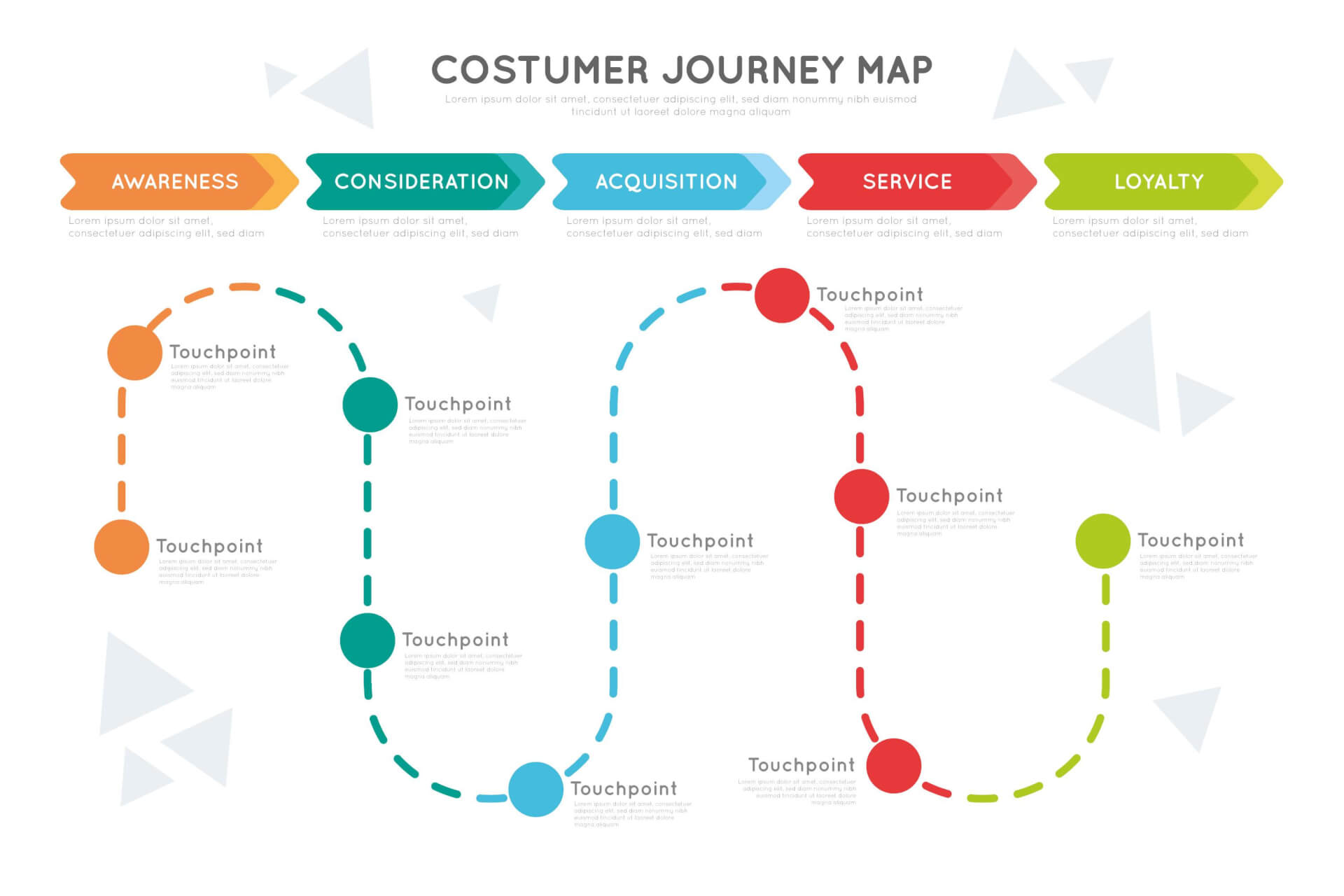
Multi-touch attribution is a marketing strategy that assigns value to each touchpoint a customer interacts with before making a purchase. Unlike single-touch attribution models that credit only one touchpoint, multi-touch attribution recognizes the influence of multiple channels in the customer journey.
Why is Multi-Touch Attribution Important in Digital Marketing?
With consumers engaging with brands across multiple devices and platforms, it's essential for marketers to have a holistic view of the customer journey. Multi-touch attribution enables businesses to allocate marketing budgets more effectively, optimize campaigns based on data-driven insights, and improve overall ROI.
Types of Multi-Touch Attribution Models
First-Touch Attribution
First-touch attribution gives credit to the first interaction a customer has with a brand. This model is useful for understanding how customers initially discover a product or service.
Last-Touch Attribution
Last-touch attribution attributes all value to the final touchpoint before a conversion. While this model is straightforward, it may overlook the influence of earlier touchpoints in the customer journey.
Linear Attribution
Linear attribution assigns equal value to each touchpoint in the customer journey. This model provides a balanced view of the entire conversion path.
Time Decay Attribution
Time decay attribution gives more weight to touchpoints closer to the conversion event. This model recognizes the diminishing influence of early interactions over time.
U-Shaped Attribution
U-shaped attribution gives more credit to the first and last touchpoints, recognizing their significant impact on the customer journey. This model is ideal for businesses with longer sales cycles.
Challenges of Multi-Touch Attribution

Data Fragmentation
One of the main challenges of multi-touch attribution is consolidating data from various sources to create a unified view of the customer journey. Marketers must ensure data accuracy and consistency to make informed decisions.
Cross-Device Tracking
With consumers using multiple devices to interact with brands, tracking their journey across devices poses a significant challenge. Implementing cross-device tracking solutions is essential for accurate attribution.
Attribution Modeling Complexity
Choosing the right attribution model can be complex, as each model has its strengths and limitations. Marketers must understand the nuances of each model and select the one that best aligns with their business goals.
Implementing Multi-Touch Attribution

Choosing the Right Attribution Model
When implementing multi-touch attribution, businesses must consider their industry, target audience, and marketing objectives to choose the most suitable attribution model.
A/B testing different models can help determine the most effective approach.
Utilizing Marketing Automation Tools
Marketing automation tools can streamline the multi-touch attribution process by tracking customer interactions, analyzing data, and generating reports. These tools enable marketers to make data-driven decisions and optimize campaign performance.
Integrating CRM Systems for Data Analysis
Integrating customer relationship management (CRM) systems with multi-touch attribution platforms allows businesses to analyze customer data more effectively.
By combining CRM data with attribution insights, marketers can gain a deeper understanding of customer behavior and preferences.

Recommended reading: In our blog article "Leveraging NPS and CRM Integration for Business Success" we explain the advantages of integrating NPS with CRM data, show why this is essential for companies and how to successfully implement this integration.
Best Practices for Multi-Touch Attribution

Consistent Data Collection
Consistent data collection across all touchpoints is essential for accurate attribution. Marketers should ensure that tracking mechanisms are in place for every interaction, including online and offline channels.
Regularly Reviewing and Adjusting Attribution Models
As consumer behavior and marketing trends evolve, it's crucial for businesses to regularly review and adjust their attribution models. By staying agile and adapting to changing market conditions, marketers can optimize their attribution strategies for better results.
Collaborating Across Marketing and Sales Teams
Effective multi-touch attribution requires collaboration between marketing and sales teams. By aligning on common goals, sharing insights, and working together to analyze attribution data, organizations can improve the overall customer experience and drive revenue growth.
Case Studies
Implementing Multi-Touch Attribution Successfully
A leading e-commerce retailer, implemented a multi-touch attribution model that attributed value to various touchpoints in the customer journey. By analyzing attribution data, the company identified the most effective marketing channels and optimized their campaigns for better ROI.
Overcoming Challenges with Multi-Touch Attribution
A software-as-a-service (SaaS) provider, faced challenges with data fragmentation and cross-device tracking when implementing multi-touch attribution. By investing in data integration solutions and cross-device tracking technologies, the company was able to overcome these challenges and improve their attribution accuracy.
Conclusion
In conclusion, multi-touch attribution is a powerful tool for tracking the real impact of marketing efforts and optimizing campaign performance. By implementing the right attribution model, utilizing marketing automation tools, and following best practices, businesses can gain valuable insights into customer behavior and make data-driven decisions to drive growth.

Recommended reading: If this article helped you and you would like to learn more about the possibilities of using NPS in customer acquisition, continue reading here: "The role of NPS in customer acquisition"
FAQs
How does multi-touch attribution differ from single-touch attribution?
Multi-touch attribution considers all touchpoints in the customer journey, while single-touch attribution credits value to only one touchpoint.
What are the benefits of using multi-touch attribution in digital marketing?
Multi-touch attribution provides a comprehensive view of the customer journey, helps allocate marketing budgets effectively, and improves campaign performance based on data-driven insights.
How can businesses overcome the challenges of implementing multi-touch attribution?
Businesses can overcome challenges by consolidating data sources, implementing cross-device tracking solutions, and collaborating across marketing and sales teams.
What role does artificial intelligence play in improving multi-touch attribution models?
Artificial intelligence can help analyze large datasets, identify patterns in customer behavior, and optimize attribution models for better accuracy and efficiency.
How can small businesses leverage multi-touch attribution to optimize their marketing strategies?
Small businesses can leverage multi-touch attribution by choosing the right attribution model, utilizing affordable marketing automation tools, and focusing on consistent data collection to track customer interactions effectively.