![[EN]](data:image/png;base64,iVBORw0KGgoAAAANSUhEUgAAAB4AAAAUCAYAAACaq43EAAAAGXRFWHRTb2Z0d2FyZQBBZG9iZSBJbWFnZVJlYWR5ccllPAAAAyRpVFh0WE1MOmNvbS5hZG9iZS54bXAAAAAAADw/eHBhY2tldCBiZWdpbj0i77u/IiBpZD0iVzVNME1wQ2VoaUh6cmVTek5UY3prYzlkIj8+IDx4OnhtcG1ldGEgeG1sbnM6eD0iYWRvYmU6bnM6bWV0YS8iIHg6eG1wdGs9IkFkb2JlIFhNUCBDb3JlIDUuMy1jMDExIDY2LjE0NTY2MSwgMjAxMi8wMi8wNi0xNDo1NjoyNyAgICAgICAgIj4gPHJkZjpSREYgeG1sbnM6cmRmPSJodHRwOi8vd3d3LnczLm9yZy8xOTk5LzAyLzIyLXJkZi1zeW50YXgtbnMjIj4gPHJkZjpEZXNjcmlwdGlvbiByZGY6YWJvdXQ9IiIgeG1sbnM6eG1wPSJodHRwOi8vbnMuYWRvYmUuY29tL3hhcC8xLjAvIiB4bWxuczp4bXBNTT0iaHR0cDovL25zLmFkb2JlLmNvbS94YXAvMS4wL21tLyIgeG1sbnM6c3RSZWY9Imh0dHA6Ly9ucy5hZG9iZS5jb20veGFwLzEuMC9zVHlwZS9SZXNvdXJjZVJlZiMiIHhtcDpDcmVhdG9yVG9vbD0iQWRvYmUgUGhvdG9zaG9wIENTNiAoTWFjaW50b3NoKSIgeG1wTU06SW5zdGFuY2VJRD0ieG1wLmlpZDpERTc5MkI3RjE3OEExMUUyQTcxNDlDNEFCRkNENzc2NiIgeG1wTU06RG9jdW1lbnRJRD0ieG1wLmRpZDpERTc5MkI4MDE3OEExMUUyQTcxNDlDNEFCRkNENzc2NiI+IDx4bXBNTTpEZXJpdmVkRnJvbSBzdFJlZjppbnN0YW5jZUlEPSJ4bXAuaWlkOkEyMTE0RjIyMTc4QTExRTJBNzE0OUM0QUJGQ0Q3NzY2IiBzdFJlZjpkb2N1bWVudElEPSJ4bXAuZGlkOkRFNzkyQjdFMTc4QTExRTJBNzE0OUM0QUJGQ0Q3NzY2Ii8+IDwvcmRmOkRlc2NyaXB0aW9uPiA8L3JkZjpSREY+IDwveDp4bXBtZXRhPiA8P3hwYWNrZXQgZW5kPSJyIj8+60cYSwAAAyhJREFUeNrElN1PU3cYxz/tOQUBD/aNymtbUAq2IOiUWXmZA40Iy2BzcW53y7JlyZLtZuE/8NaY7Gbe7WJbdJnTDOdQCbLKrERUotgCSodQ7AsFpK28yKT7rfsL2gv7JCcn+eV3zpPv5/l+H9X2xp65SqtJGfr1Fg3vNPD02SIhfwRniwP3pdvsOVxPaCHGs7+DOA/VJs8crXXEs3P48OfTfMIcU+SRaqlMzm8SNut2VuefIxvyydZIxFbWyX35iviLNZRiPZJaxdLyCkoiQUyc6cwFTPvC9FRkcbJMy7JaTrmxHIuvxaZm5xW7+Jl3NkKRaRt5OVlMjvuoqa9gwr9AgS4PvTYP78hjdtVVEAw9J+Kdxv7Td+hL8tGTeslGg8Jeexk3/riLs62O+cU441NBDjbZGbg+SlNbPYvRF9zzzHCoycFA/yhvCtRqnZbr5a1YEjGm5S2po1ZXfRHVaCTlWLODq24v1eWFGPVbuXH5Dh3vORm88xhziR5zoZ5rl9y0dx/ggS/EzGSQs5Ua3s39h7CUlbri0mKdUGzmijBXqzBXYH4Z931fsmlf7zBvd+wjIigMDI/TcbyRvt+GOSgUZ62uU3S2h8IdRgrTQK1S2T6PyhpZ+aB9LxcF2hpbCUUF27hy4S+Of/wWfUMeykuNVIin9/xNuj9qYWR8juknIc5szNC1voA/DdSypayAhlor57/vp/NEC7OBRfpveek+0cwvP/7JsfedhEWcLg8+pOtkMxfOuTjc5WSrSc+S6ymSQYtGyk5dsVT9/4zbhZmu3Z5IztggXOwSZjvSuZ+hUR9mEan/KAz+PkJb5z7GngSYdXu46T9Ho3EL6ZSKnZ9Fax0W5aFrDNuB6mROA6El7BYTnns+bPt3srK2gV+QcIjIPRLzrxL3ZkLLfB0c40udRCAd1EfFNioxaSG+Sl2NmchSnCKjwh6HBWlzk/rd1uTyMOTn8MbuctRiieyqLKbKbqXs4gSvQmFephOnRCIRFW+F11yyp/3TtD/eSKjYTM4rjcZh110yUZlDPfnVqcwovkppRhRnDrX/2x+UjKDuJXcuE4r/FWAAjBMttNdoYOEAAAAASUVORK5CYII=)
One of the most effective ways to gather feedback and measure customer satisfaction is through Net Promoter Score (NPS) surveys. However, collecting NPS data is just the first step. To truly benefit from NPS feedback, businesses need to create a seamless feedback loop with system integration.
In this article, we will explore how to effectively integrate NPS feedback into your systems to drive continuous improvement and enhance customer loyalty.
What is NPS?
N et Promoter Score (NPS) is a metric used to measure customer loyalty and satisfaction. It is based on the simple question: "On a scale of 0-10, how likely are you to recommend our product/service to a friend or colleague?"
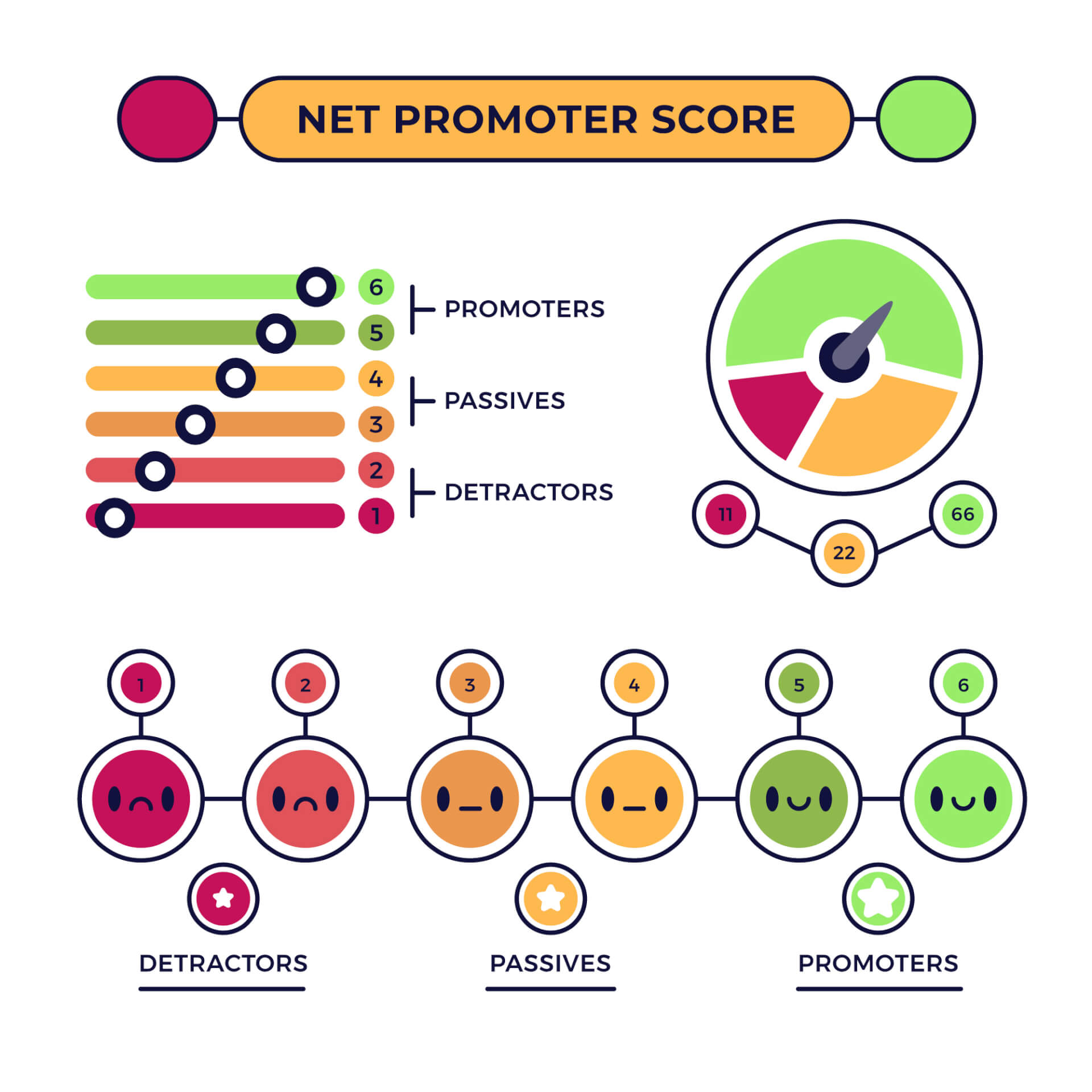
Customers are then categorized into Promoters (score 9-10), Passives (score 7-8), and Detractors (score 0-6). The NPS score is calculated by subtracting the percentage of Detractors from the percentage of Promoters.
Importance of System Integration
System integration is the process of connecting different systems and applications within an organization to streamline data flow and improve efficiency. When it comes to NPS feedback, integrating your survey data with other systems such as CRM, helpdesk, and marketing automation platforms can provide valuable insights and enable you to take action on customer feedback in real-time.
Steps to Create a Seamless NPS Feedback Loop with System Integration
1 - Choose the Right NPS Survey Tool
The first step in creating a seamless NPS feedback loop is to select a reliable survey tool that allows for easy integration with other systems. Look for a tool that offers APIs or integrations with popular CRM platforms.

2 - Integrate NPS Data with CRM
By integrating NPS data with your CRM system, you can track customer feedback alongside other customer interactions. This allows you to segment customers based on their NPS score and tailor your communication and marketing efforts accordingly.
3 - Automate Feedback Analysis
Use automation tools to analyze NPS feedback in real-time and trigger alerts for negative feedback. This enables your team to promptly address customer issues and prevent churn.
4 - Link NPS Data with Helpdesk
Integrating NPS data with your helpdesk system can provide valuable context when handling customer inquiries. Agents can see a customer's NPS score and feedback history, allowing for personalized and efficient support.
5 - Utilize Marketing Automation
Leverage NPS data in your marketing campaigns by targeting Promoters with referral programs and Passives/Detractors with targeted messaging to improve their experience.
6 - Implement Continuous Improvement
Use NPS feedback to identify areas for improvement and track progress over time. Regularly review feedback data and make necessary adjustments to enhance customer satisfaction.
Benefits of a Seamless NPS Feedback Loop

- Improved customer satisfaction and loyalty
- Real-time insights for proactive customer support
- Enhanced personalization and targeted marketing
- Increased referral rates and customer advocacy
- Data-driven decision-making for continuous improvement
Recommended reading: We cover more information on the topic of feedback loops and NPS in our blog article: "NPS and Customer Journey Mapping: Closing the Loop Between Insight and Experience"
Conclusion
Creating a seamless NPS feedback loop with system integration is essential for businesses looking to leverage customer feedback effectively. By integrating NPS data with your existing systems and processes, you can drive continuous improvement, enhance customer loyalty, and stay ahead of the competition. Take the necessary steps to streamline your feedback loop and watch your NPS scores soar.
FAQs
How often should I send out NPS surveys?
It is recommended to send out NPS surveys on a regular basis, such as quarterly or bi-annually, to track customer sentiment over time.
How can I encourage customers to provide feedback through NPS surveys?
Offer incentives such as discounts or giveaways to encourage customers to participate in NPS surveys and share their honest feedback.
What should I do with negative feedback received through NPS surveys?
Act promptly on negative feedback by reaching out to the customer to address their concerns and resolve any issues to improve their experience.
Can NPS feedback be used to measure employee performance?
Yes, NPS feedback can be used to evaluate employee performance in customer-facing roles and identify areas for training and improvement.
How can I track the ROI of implementing a seamless NPS feedback loop?
Monitor key metrics such as customer retention rates, referral rates, and customer lifetime value to measure the impact of your NPS feedback loop on business performance.