![[EN]](data:image/png;base64,iVBORw0KGgoAAAANSUhEUgAAAB4AAAAUCAYAAACaq43EAAAAGXRFWHRTb2Z0d2FyZQBBZG9iZSBJbWFnZVJlYWR5ccllPAAAAyRpVFh0WE1MOmNvbS5hZG9iZS54bXAAAAAAADw/eHBhY2tldCBiZWdpbj0i77u/IiBpZD0iVzVNME1wQ2VoaUh6cmVTek5UY3prYzlkIj8+IDx4OnhtcG1ldGEgeG1sbnM6eD0iYWRvYmU6bnM6bWV0YS8iIHg6eG1wdGs9IkFkb2JlIFhNUCBDb3JlIDUuMy1jMDExIDY2LjE0NTY2MSwgMjAxMi8wMi8wNi0xNDo1NjoyNyAgICAgICAgIj4gPHJkZjpSREYgeG1sbnM6cmRmPSJodHRwOi8vd3d3LnczLm9yZy8xOTk5LzAyLzIyLXJkZi1zeW50YXgtbnMjIj4gPHJkZjpEZXNjcmlwdGlvbiByZGY6YWJvdXQ9IiIgeG1sbnM6eG1wPSJodHRwOi8vbnMuYWRvYmUuY29tL3hhcC8xLjAvIiB4bWxuczp4bXBNTT0iaHR0cDovL25zLmFkb2JlLmNvbS94YXAvMS4wL21tLyIgeG1sbnM6c3RSZWY9Imh0dHA6Ly9ucy5hZG9iZS5jb20veGFwLzEuMC9zVHlwZS9SZXNvdXJjZVJlZiMiIHhtcDpDcmVhdG9yVG9vbD0iQWRvYmUgUGhvdG9zaG9wIENTNiAoTWFjaW50b3NoKSIgeG1wTU06SW5zdGFuY2VJRD0ieG1wLmlpZDpERTc5MkI3RjE3OEExMUUyQTcxNDlDNEFCRkNENzc2NiIgeG1wTU06RG9jdW1lbnRJRD0ieG1wLmRpZDpERTc5MkI4MDE3OEExMUUyQTcxNDlDNEFCRkNENzc2NiI+IDx4bXBNTTpEZXJpdmVkRnJvbSBzdFJlZjppbnN0YW5jZUlEPSJ4bXAuaWlkOkEyMTE0RjIyMTc4QTExRTJBNzE0OUM0QUJGQ0Q3NzY2IiBzdFJlZjpkb2N1bWVudElEPSJ4bXAuZGlkOkRFNzkyQjdFMTc4QTExRTJBNzE0OUM0QUJGQ0Q3NzY2Ii8+IDwvcmRmOkRlc2NyaXB0aW9uPiA8L3JkZjpSREY+IDwveDp4bXBtZXRhPiA8P3hwYWNrZXQgZW5kPSJyIj8+60cYSwAAAyhJREFUeNrElN1PU3cYxz/tOQUBD/aNymtbUAq2IOiUWXmZA40Iy2BzcW53y7JlyZLtZuE/8NaY7Gbe7WJbdJnTDOdQCbLKrERUotgCSodQ7AsFpK28yKT7rfsL2gv7JCcn+eV3zpPv5/l+H9X2xp65SqtJGfr1Fg3vNPD02SIhfwRniwP3pdvsOVxPaCHGs7+DOA/VJs8crXXEs3P48OfTfMIcU+SRaqlMzm8SNut2VuefIxvyydZIxFbWyX35iviLNZRiPZJaxdLyCkoiQUyc6cwFTPvC9FRkcbJMy7JaTrmxHIuvxaZm5xW7+Jl3NkKRaRt5OVlMjvuoqa9gwr9AgS4PvTYP78hjdtVVEAw9J+Kdxv7Td+hL8tGTeslGg8Jeexk3/riLs62O+cU441NBDjbZGbg+SlNbPYvRF9zzzHCoycFA/yhvCtRqnZbr5a1YEjGm5S2po1ZXfRHVaCTlWLODq24v1eWFGPVbuXH5Dh3vORm88xhziR5zoZ5rl9y0dx/ggS/EzGSQs5Ua3s39h7CUlbri0mKdUGzmijBXqzBXYH4Z931fsmlf7zBvd+wjIigMDI/TcbyRvt+GOSgUZ62uU3S2h8IdRgrTQK1S2T6PyhpZ+aB9LxcF2hpbCUUF27hy4S+Of/wWfUMeykuNVIin9/xNuj9qYWR8juknIc5szNC1voA/DdSypayAhlor57/vp/NEC7OBRfpveek+0cwvP/7JsfedhEWcLg8+pOtkMxfOuTjc5WSrSc+S6ymSQYtGyk5dsVT9/4zbhZmu3Z5IztggXOwSZjvSuZ+hUR9mEan/KAz+PkJb5z7GngSYdXu46T9Ho3EL6ZSKnZ9Fax0W5aFrDNuB6mROA6El7BYTnns+bPt3srK2gV+QcIjIPRLzrxL3ZkLLfB0c40udRCAd1EfFNioxaSG+Sl2NmchSnCKjwh6HBWlzk/rd1uTyMOTn8MbuctRiieyqLKbKbqXs4gSvQmFephOnRCIRFW+F11yyp/3TtD/eSKjYTM4rjcZh110yUZlDPfnVqcwovkppRhRnDrX/2x+UjKDuJXcuE4r/FWAAjBMttNdoYOEAAAAASUVORK5CYII=)
Net Promoter Score (NPS) has become a staple metric for businesses looking to measure customer loyalty and satisfaction.
By asking customers a simple question – "How likely are you to recommend our product/service to a friend or colleague?" – companies can categorize respondents into Promoters, Passives, and Detractors.
While NPS provides a snapshot of customer sentiment, the real value lies in the insights that can be derived from this data.
In this comprehensive guide, we will explore how to effectively analyze NPS data and leverage it to drive meaningful change within your organization.
Understanding NPS Data

What is NPS?
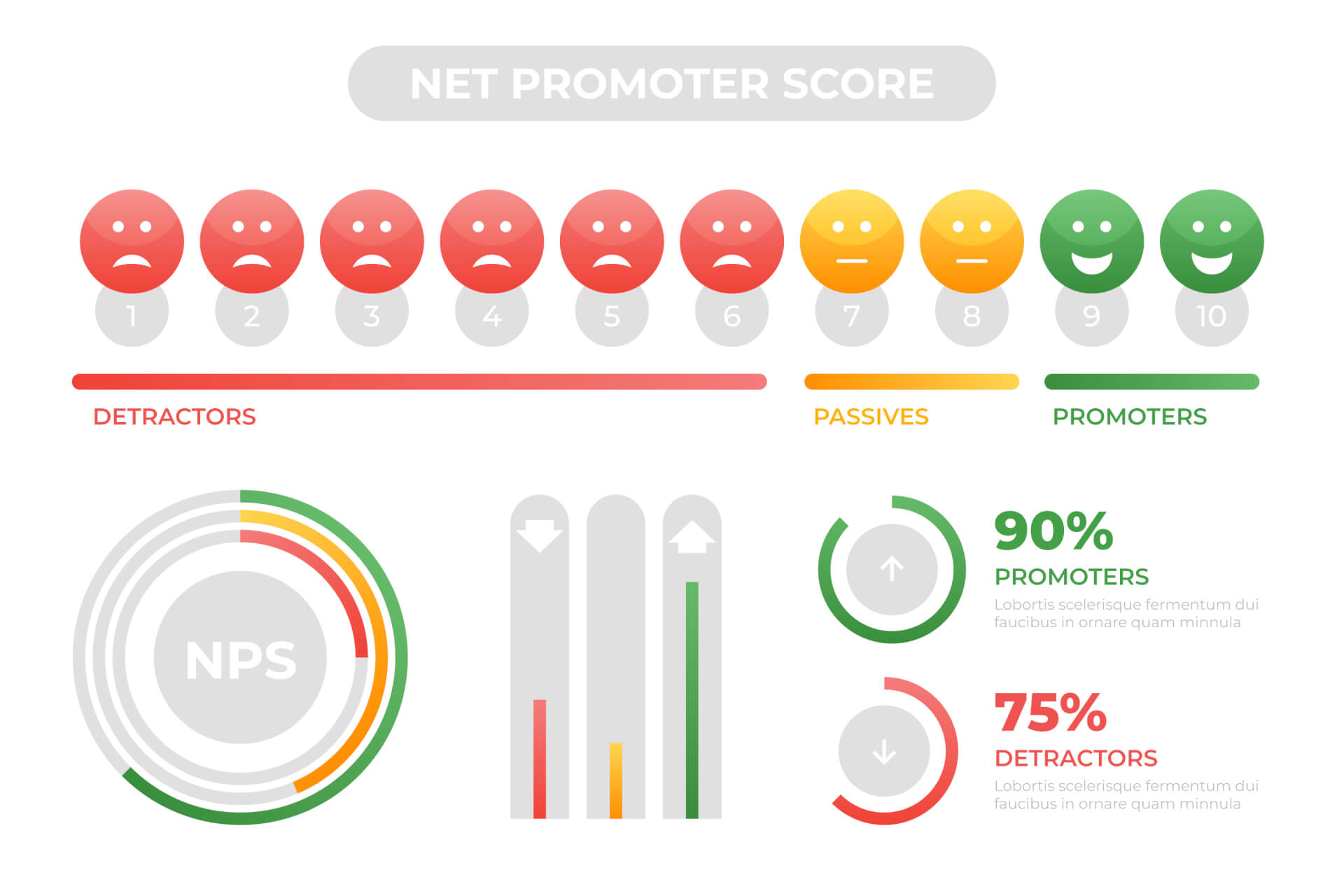
Net Promoter Score is a customer loyalty metric that ranges from -100 to 100, with scores above 0 considered positive. Promoters (score 9-10) are loyal enthusiasts who are likely to recommend your business, while Detractors (score 0-6) are unhappy customers who can damage your reputation. Passives (score 7-8) are satisfied but unenthusiastic customers who may switch to competitors.
How is NPS Calculated?
NPS is calculated by subtracting the percentage of Detractors from the percentage of Promoters. The resulting score indicates the overall sentiment towards your brand. A high NPS indicates strong customer loyalty and satisfaction, while a low NPS signals areas for improvement.
Importance of NPS in Business
NPS provides a direct measure of customer advocacy and can help businesses identify areas of strength and weakness. By tracking NPS over time, companies can gauge the effectiveness of their customer experience initiatives and make data-driven decisions to improve customer satisfaction.
Extracting Insights from NPS Data

Analyzing Promoters, Passives, and Detractors
Analyzing the feedback from Promoters, Passives, and Detractors can reveal valuable insights into what drives customer loyalty and satisfaction.
Promoters may highlight specific features or services they love, while Detractors may point out areas for improvement. By understanding the reasons behind each score, companies can tailor their strategies to address customer needs effectively.
Identifying Trends and Patterns
By tracking NPS scores over time and across different customer segments, businesses can identify trends and patterns that impact customer satisfaction. For example, a sudden drop in NPS among a specific customer demographic may indicate a problem that needs immediate attention. By analyzing these trends, companies can proactively address issues before they escalate.
Using NPS Benchmarks
Comparing your NPS score to industry benchmarks or competitors' scores can provide valuable context for interpreting your results. Benchmarking allows businesses to assess their performance relative to peers and set realistic goals for improvement. By benchmarking against industry leaders, companies can identify best practices and strategies to emulate.
Turning Insights into Action

Creating Actionable Strategies
Once insights have been extracted from NPS data, the next step is to translate them into actionable strategies. This may involve implementing new customer experience initiatives, refining existing processes, or addressing specific pain points identified by customers. By aligning strategies with customer feedback, companies can drive tangible improvements in customer satisfaction.
Implementing Changes Based on NPS Data
Implementing changes based on NPS data requires cross-functional collaboration and a commitment to continuous improvement. By involving key stakeholders from different departments, companies can ensure that NPS initiatives are effectively executed and monitored. Regularly reviewing progress and adjusting strategies based on feedback is essential for long-term success.
Measuring the Impact of NPS Initiatives
Measuring the impact of NPS initiatives is crucial for evaluating their effectiveness and ROI. By tracking key performance indicators (KPIs) such as
- customer retention
- referral rates
- and customer lifetime value
companies can quantify the impact of their NPS initiatives on business outcomes. This data-driven approach enables companies to make informed decisions and optimize their strategies for maximum impact.

Recommended reading: Our blog article "NPS Data Interpretation: Transforming Numbers into Meaningful Insights" discusses how the collected data can be further used and interpreted.
Common Challenges and Solutions

Dealing with Low Response Rates
One common challenge in NPS data analysis is low response rates, which can skew results and limit the insights derived from the data. To address this issue, companies can incentivize feedback, personalize survey invitations, and follow up with non-respondents to encourage participation. By increasing response rates, businesses can ensure that their NPS data is representative and actionable.
Addressing Biases in NPS Data
Bias in NPS data can arise from factors such as survey design, sample selection, or respondent demographics. To mitigate biases, companies can use random sampling techniques, segment data by customer characteristics, and validate results through additional research methods.
By identifying and correcting biases, businesses can ensure that their NPS data accurately reflects customer sentiment.
Overcoming Internal Resistance to NPS
Internal resistance to NPS initiatives can hinder their effectiveness and adoption within an organization. To overcome resistance, companies should communicate the value of NPS data to all stakeholders, provide training on how to interpret and use NPS insights, and demonstrate the impact of NPS initiatives on business outcomes.
By fostering a culture of customer-centricity, companies can overcome internal barriers and drive meaningful change.
Conclusion
In conclusion, extracting actionable insights from NPS data is essential for leveraging customer feedback to drive strategic initiatives. By understanding the nuances of NPS scores, analyzing trends and patterns, and translating insights into actionable strategies, businesses can enhance customer satisfaction and loyalty.
By addressing common challenges such as low response rates, biases in data, and internal resistance, companies can maximize the value of their NPS initiatives and achieve sustainable growth.
Reading recommendation: If this article helped you and you would like to find out more about the Net Promoter Score, continue reading here: “The Net Promoter Score – Basics and Areas of Application”
FAQs
How often should companies collect NPS data?
Companies should collect NPS data regularly to track changes in customer sentiment over time. Ideally, NPS surveys should be conducted at key touchpoints in the customer journey to capture feedback at critical moments.
Can NPS data be used to predict customer behavior?
While NPS is a strong indicator of customer loyalty and satisfaction, it may not directly predict future customer behavior. However, by analyzing trends and patterns in NPS data, companies can identify signals that may influence future customer actions.
How can companies incentivize customers to provide NPS feedback?
Companies can incentivize customers to provide NPS feedback by offering rewards, discounts, or exclusive offers in exchange for their input. By demonstrating the value of customer feedback, businesses can encourage participation and improve response rates.
What role does leadership play in leveraging NPS data?
Leadership plays a crucial role in leveraging NPS data by championing customer-centric initiatives, empowering teams to act on insights, and driving a culture of continuous improvement. By prioritizing customer feedback and aligning strategies with NPS insights, leaders can drive meaningful change within their organizations.
How can companies measure the ROI of NPS initiatives?
Companies can measure the ROI of NPS initiatives by tracking key performance indicators (KPIs) such as customer retention, referral rates, and revenue growth. By quantifying the impact of NPS initiatives on business outcomes, companies can assess the return on investment and make data-driven decisions for future initiatives.