![[EN]](data:image/png;base64,iVBORw0KGgoAAAANSUhEUgAAAB4AAAAUCAYAAACaq43EAAAAGXRFWHRTb2Z0d2FyZQBBZG9iZSBJbWFnZVJlYWR5ccllPAAAAyRpVFh0WE1MOmNvbS5hZG9iZS54bXAAAAAAADw/eHBhY2tldCBiZWdpbj0i77u/IiBpZD0iVzVNME1wQ2VoaUh6cmVTek5UY3prYzlkIj8+IDx4OnhtcG1ldGEgeG1sbnM6eD0iYWRvYmU6bnM6bWV0YS8iIHg6eG1wdGs9IkFkb2JlIFhNUCBDb3JlIDUuMy1jMDExIDY2LjE0NTY2MSwgMjAxMi8wMi8wNi0xNDo1NjoyNyAgICAgICAgIj4gPHJkZjpSREYgeG1sbnM6cmRmPSJodHRwOi8vd3d3LnczLm9yZy8xOTk5LzAyLzIyLXJkZi1zeW50YXgtbnMjIj4gPHJkZjpEZXNjcmlwdGlvbiByZGY6YWJvdXQ9IiIgeG1sbnM6eG1wPSJodHRwOi8vbnMuYWRvYmUuY29tL3hhcC8xLjAvIiB4bWxuczp4bXBNTT0iaHR0cDovL25zLmFkb2JlLmNvbS94YXAvMS4wL21tLyIgeG1sbnM6c3RSZWY9Imh0dHA6Ly9ucy5hZG9iZS5jb20veGFwLzEuMC9zVHlwZS9SZXNvdXJjZVJlZiMiIHhtcDpDcmVhdG9yVG9vbD0iQWRvYmUgUGhvdG9zaG9wIENTNiAoTWFjaW50b3NoKSIgeG1wTU06SW5zdGFuY2VJRD0ieG1wLmlpZDpERTc5MkI3RjE3OEExMUUyQTcxNDlDNEFCRkNENzc2NiIgeG1wTU06RG9jdW1lbnRJRD0ieG1wLmRpZDpERTc5MkI4MDE3OEExMUUyQTcxNDlDNEFCRkNENzc2NiI+IDx4bXBNTTpEZXJpdmVkRnJvbSBzdFJlZjppbnN0YW5jZUlEPSJ4bXAuaWlkOkEyMTE0RjIyMTc4QTExRTJBNzE0OUM0QUJGQ0Q3NzY2IiBzdFJlZjpkb2N1bWVudElEPSJ4bXAuZGlkOkRFNzkyQjdFMTc4QTExRTJBNzE0OUM0QUJGQ0Q3NzY2Ii8+IDwvcmRmOkRlc2NyaXB0aW9uPiA8L3JkZjpSREY+IDwveDp4bXBtZXRhPiA8P3hwYWNrZXQgZW5kPSJyIj8+60cYSwAAAyhJREFUeNrElN1PU3cYxz/tOQUBD/aNymtbUAq2IOiUWXmZA40Iy2BzcW53y7JlyZLtZuE/8NaY7Gbe7WJbdJnTDOdQCbLKrERUotgCSodQ7AsFpK28yKT7rfsL2gv7JCcn+eV3zpPv5/l+H9X2xp65SqtJGfr1Fg3vNPD02SIhfwRniwP3pdvsOVxPaCHGs7+DOA/VJs8crXXEs3P48OfTfMIcU+SRaqlMzm8SNut2VuefIxvyydZIxFbWyX35iviLNZRiPZJaxdLyCkoiQUyc6cwFTPvC9FRkcbJMy7JaTrmxHIuvxaZm5xW7+Jl3NkKRaRt5OVlMjvuoqa9gwr9AgS4PvTYP78hjdtVVEAw9J+Kdxv7Td+hL8tGTeslGg8Jeexk3/riLs62O+cU441NBDjbZGbg+SlNbPYvRF9zzzHCoycFA/yhvCtRqnZbr5a1YEjGm5S2po1ZXfRHVaCTlWLODq24v1eWFGPVbuXH5Dh3vORm88xhziR5zoZ5rl9y0dx/ggS/EzGSQs5Ua3s39h7CUlbri0mKdUGzmijBXqzBXYH4Z931fsmlf7zBvd+wjIigMDI/TcbyRvt+GOSgUZ62uU3S2h8IdRgrTQK1S2T6PyhpZ+aB9LxcF2hpbCUUF27hy4S+Of/wWfUMeykuNVIin9/xNuj9qYWR8juknIc5szNC1voA/DdSypayAhlor57/vp/NEC7OBRfpveek+0cwvP/7JsfedhEWcLg8+pOtkMxfOuTjc5WSrSc+S6ymSQYtGyk5dsVT9/4zbhZmu3Z5IztggXOwSZjvSuZ+hUR9mEan/KAz+PkJb5z7GngSYdXu46T9Ho3EL6ZSKnZ9Fax0W5aFrDNuB6mROA6El7BYTnns+bPt3srK2gV+QcIjIPRLzrxL3ZkLLfB0c40udRCAd1EfFNioxaSG+Sl2NmchSnCKjwh6HBWlzk/rd1uTyMOTn8MbuctRiieyqLKbKbqXs4gSvQmFephOnRCIRFW+F11yyp/3TtD/eSKjYTM4rjcZh110yUZlDPfnVqcwovkppRhRnDrX/2x+UjKDuJXcuE4r/FWAAjBMttNdoYOEAAAAASUVORK5CYII=)
One effective way to prioritize customer satisfaction and loyalty is to measure and improve customer loyalty is through Net Promoter Score (NPS).
NPS is a metric that gauges customer loyalty by asking one simple question: "On a scale of 0-10, how likely are you to recommend our company to a friend or colleague?"
In this article, we will discuss how to build an NPS-based marketing strategy that not only measures customer loyalty but also helps in winning and retaining loyal customers.
What is NPS and How Does it Work?
Net Promoter Score (NPS) is a customer loyalty metric that was developed by Fred Reichheld, Bain & Company, and Satmetrix Systems. It is based on the premise that customers who are willing to recommend a company to others are more likely to be loyal and continue doing business with that company.
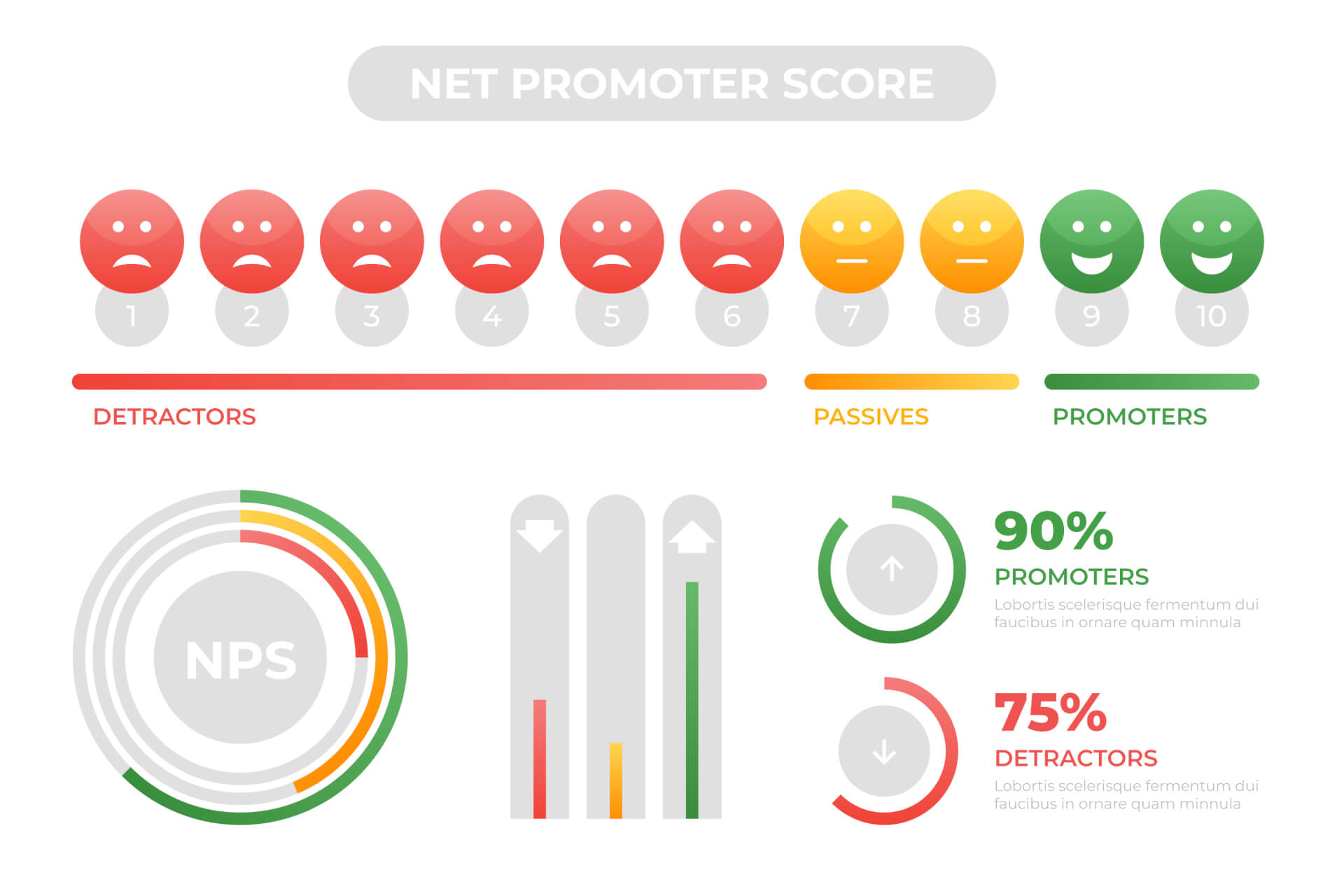
NPS is calculated by subtracting the percentage of detractors (customers who rate the company 0-6) from the percentage of promoters (customers who rate the company 9-10). The result is a score that can range from -100 to +100.
Why is NPS Important for Marketing Strategy?

NPS is important for marketing strategy because it provides valuable insights into customer loyalty and satisfaction. By measuring NPS on a regular basis, companies can identify areas for improvement and take proactive steps to address customer concerns.
Additionally, NPS can help companies identify their most loyal customers (promoters) and leverage their feedback to attract new customers and retain existing ones.
Steps to Building an NPS-Based Marketing Strategy

1 - Measure NPS Regularly
The first step in building an NPS-based marketing strategy is to measure NPS regularly. This can be done through surveys sent to customers after they have interacted with your company.
By tracking NPS over time, you can identify trends and make data-driven decisions to improve customer loyalty.
2 - Identify Promoters, Passives, and Detractors
Once you have collected NPS data, it's important to segment customers into promoters, passives, and detractors. Promoters are your most loyal customers who are likely to recommend your company to others.
Passives are satisfied but not enthusiastic customers, while detractors are unhappy customers who may spread negative word-of-mouth.
3 - Engage with Promoters
Engaging with promoters is crucial for building a loyal customer base. Reach out to promoters to thank them for their support and ask for feedback on how you can improve their experience. Promoters can also be valuable advocates for your brand, so encourage them to share their positive experiences with others.
4 - Address Detractors' Concerns
Detractors can provide valuable insights into areas where your company may be falling short. Reach out to detractors to understand their concerns and take proactive steps to address them.
By resolving issues and improving the customer experience, you can potentially turn detractors into promoters.
5 - Use NPS Data to Inform Marketing Campaigns
Utilize NPS data to inform your marketing campaigns and messaging. Highlight positive customer feedback in your marketing materials and use customer testimonials to build trust with potential customers. Additionally, address common pain points identified by detractors in your marketing messaging to show that you are actively working to improve the customer experience.

Conclusion
Building an NPS-based marketing strategy is essential for winning loyal customers and fostering long-term relationships with your customer base. By measuring NPS regularly, identifying promoters and detractors, engaging with customers, and using NPS data to inform marketing campaigns, you can create a customer-centric marketing strategy that drives loyalty and growth.
Reading recommendation: If this article helped you and you would like to find out more about the Net Promoter Score, continue reading here: “The Net Promoter Score – Basics and Areas of Application”
FAQs
How often should I measure NPS?
It is recommended to measure NPS on a regular basis, such as quarterly or bi-annually, to track trends and make informed decisions.
How can I encourage customers to participate in NPS surveys?
Offer incentives, such as discounts or giveaways, for customers who participate in NPS surveys to increase response rates.
Can NPS be used in conjunction with other customer satisfaction metrics?
Yes, NPS can be used in conjunction with other metrics, such as Customer Satisfaction Score (CSAT) and Customer Effort Score (CES), to gain a holistic view of customer loyalty and satisfaction.
How can I effectively communicate NPS results to stakeholders?
Present NPS results in a clear and concise manner, highlighting key insights and actionable steps for improvement, to effectively communicate the impact of customer feedback.
What are some best practices for following up with customers after receiving their NPS feedback?
Follow up with customers promptly to thank them for their feedback, address any concerns they may have raised, and provide updates on how their feedback has been used to improve the customer experience.