![[EN]](data:image/png;base64,iVBORw0KGgoAAAANSUhEUgAAAB4AAAAUCAYAAACaq43EAAAAGXRFWHRTb2Z0d2FyZQBBZG9iZSBJbWFnZVJlYWR5ccllPAAAAyRpVFh0WE1MOmNvbS5hZG9iZS54bXAAAAAAADw/eHBhY2tldCBiZWdpbj0i77u/IiBpZD0iVzVNME1wQ2VoaUh6cmVTek5UY3prYzlkIj8+IDx4OnhtcG1ldGEgeG1sbnM6eD0iYWRvYmU6bnM6bWV0YS8iIHg6eG1wdGs9IkFkb2JlIFhNUCBDb3JlIDUuMy1jMDExIDY2LjE0NTY2MSwgMjAxMi8wMi8wNi0xNDo1NjoyNyAgICAgICAgIj4gPHJkZjpSREYgeG1sbnM6cmRmPSJodHRwOi8vd3d3LnczLm9yZy8xOTk5LzAyLzIyLXJkZi1zeW50YXgtbnMjIj4gPHJkZjpEZXNjcmlwdGlvbiByZGY6YWJvdXQ9IiIgeG1sbnM6eG1wPSJodHRwOi8vbnMuYWRvYmUuY29tL3hhcC8xLjAvIiB4bWxuczp4bXBNTT0iaHR0cDovL25zLmFkb2JlLmNvbS94YXAvMS4wL21tLyIgeG1sbnM6c3RSZWY9Imh0dHA6Ly9ucy5hZG9iZS5jb20veGFwLzEuMC9zVHlwZS9SZXNvdXJjZVJlZiMiIHhtcDpDcmVhdG9yVG9vbD0iQWRvYmUgUGhvdG9zaG9wIENTNiAoTWFjaW50b3NoKSIgeG1wTU06SW5zdGFuY2VJRD0ieG1wLmlpZDpERTc5MkI3RjE3OEExMUUyQTcxNDlDNEFCRkNENzc2NiIgeG1wTU06RG9jdW1lbnRJRD0ieG1wLmRpZDpERTc5MkI4MDE3OEExMUUyQTcxNDlDNEFCRkNENzc2NiI+IDx4bXBNTTpEZXJpdmVkRnJvbSBzdFJlZjppbnN0YW5jZUlEPSJ4bXAuaWlkOkEyMTE0RjIyMTc4QTExRTJBNzE0OUM0QUJGQ0Q3NzY2IiBzdFJlZjpkb2N1bWVudElEPSJ4bXAuZGlkOkRFNzkyQjdFMTc4QTExRTJBNzE0OUM0QUJGQ0Q3NzY2Ii8+IDwvcmRmOkRlc2NyaXB0aW9uPiA8L3JkZjpSREY+IDwveDp4bXBtZXRhPiA8P3hwYWNrZXQgZW5kPSJyIj8+60cYSwAAAyhJREFUeNrElN1PU3cYxz/tOQUBD/aNymtbUAq2IOiUWXmZA40Iy2BzcW53y7JlyZLtZuE/8NaY7Gbe7WJbdJnTDOdQCbLKrERUotgCSodQ7AsFpK28yKT7rfsL2gv7JCcn+eV3zpPv5/l+H9X2xp65SqtJGfr1Fg3vNPD02SIhfwRniwP3pdvsOVxPaCHGs7+DOA/VJs8crXXEs3P48OfTfMIcU+SRaqlMzm8SNut2VuefIxvyydZIxFbWyX35iviLNZRiPZJaxdLyCkoiQUyc6cwFTPvC9FRkcbJMy7JaTrmxHIuvxaZm5xW7+Jl3NkKRaRt5OVlMjvuoqa9gwr9AgS4PvTYP78hjdtVVEAw9J+Kdxv7Td+hL8tGTeslGg8Jeexk3/riLs62O+cU441NBDjbZGbg+SlNbPYvRF9zzzHCoycFA/yhvCtRqnZbr5a1YEjGm5S2po1ZXfRHVaCTlWLODq24v1eWFGPVbuXH5Dh3vORm88xhziR5zoZ5rl9y0dx/ggS/EzGSQs5Ua3s39h7CUlbri0mKdUGzmijBXqzBXYH4Z931fsmlf7zBvd+wjIigMDI/TcbyRvt+GOSgUZ62uU3S2h8IdRgrTQK1S2T6PyhpZ+aB9LxcF2hpbCUUF27hy4S+Of/wWfUMeykuNVIin9/xNuj9qYWR8juknIc5szNC1voA/DdSypayAhlor57/vp/NEC7OBRfpveek+0cwvP/7JsfedhEWcLg8+pOtkMxfOuTjc5WSrSc+S6ymSQYtGyk5dsVT9/4zbhZmu3Z5IztggXOwSZjvSuZ+hUR9mEan/KAz+PkJb5z7GngSYdXu46T9Ho3EL6ZSKnZ9Fax0W5aFrDNuB6mROA6El7BYTnns+bPt3srK2gV+QcIjIPRLzrxL3ZkLLfB0c40udRCAd1EfFNioxaSG+Sl2NmchSnCKjwh6HBWlzk/rd1uTyMOTn8MbuctRiieyqLKbKbqXs4gSvQmFephOnRCIRFW+F11yyp/3TtD/eSKjYTM4rjcZh110yUZlDPfnVqcwovkppRhRnDrX/2x+UjKDuJXcuE4r/FWAAjBMttNdoYOEAAAAASUVORK5CYII=)
In the world of customer feedback, the Net Promoter Score (NPS) is a widely used metric to gauge customer loyalty and satisfaction. However, simply knowing your NPS score is not enough. Understanding what that number is really telling you is crucial for making meaningful improvements to your business.
In this article, we will delve into the nuances of NPS score interpretation and how you can use this information to drive positive change within your organization.

What is NPS?
Before we dive into NPS score interpretation, let's first understand what NPS is. NPS is a customer loyalty metric that measures the willingness of customers to recommend a company's products or services to others. It is calculated based on responses to a single question:
"On a scale of 0-10, how likely are you to recommend our company to a friend or colleague?"
Interpreting Your NPS Score
1 - Detractors, Passives, Promoters
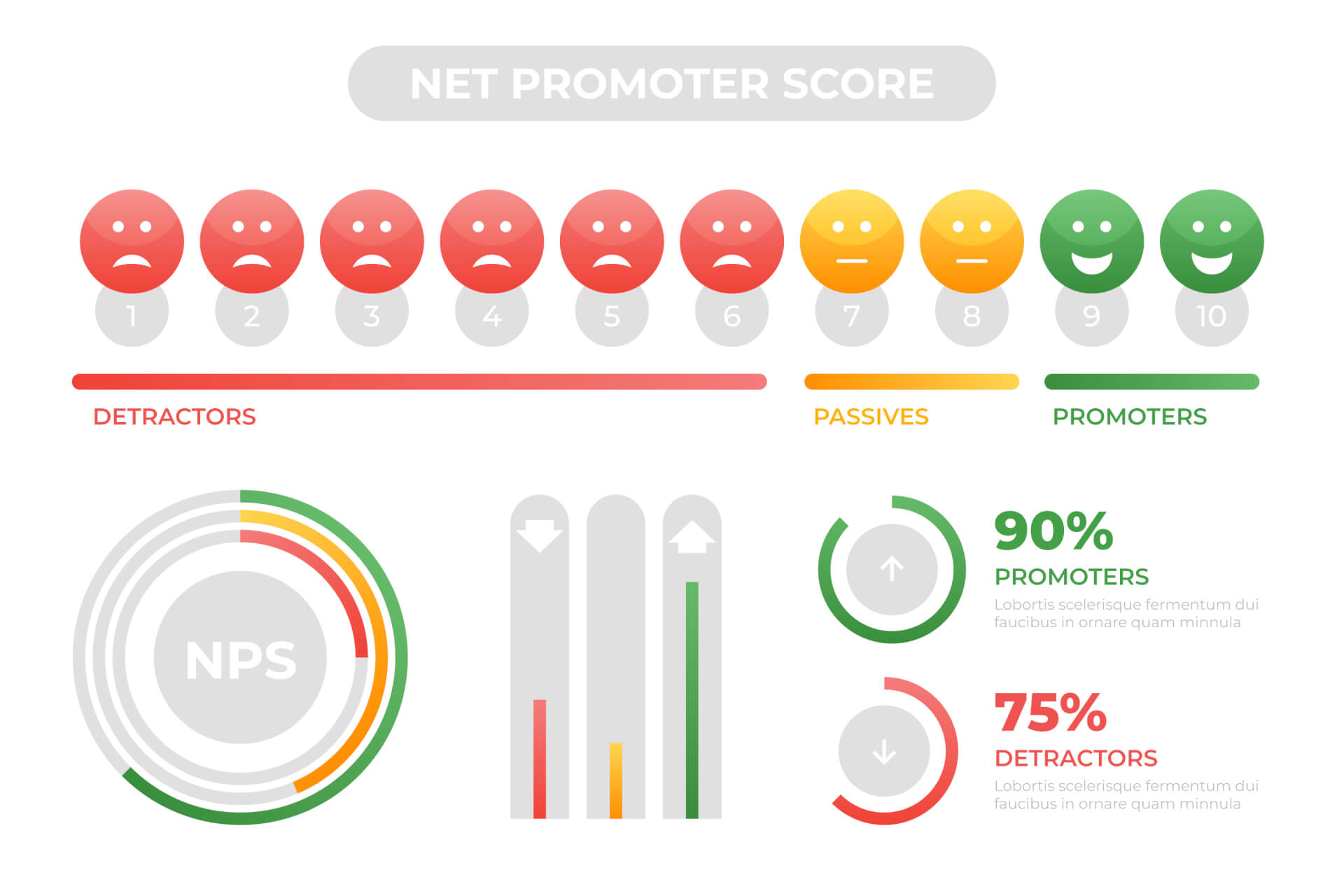
- NPS scores are divided into three categories: Detractors (score 0-6), Passives (score 7-8), and Promoters (score 9-10).
- Detractors are unhappy customers who are likely to spread negative word-of-mouth about your business.
- Passives are satisfied but unenthusiastic customers who are easily swayed by competitors.
- Promoters are loyal enthusiasts who will keep coming back and refer others to your business.
2 - Calculating Your NPS
- To calculate your NPS, subtract the percentage of Detractors from the percentage of Promoters.
- For example, if 20% of respondents are Detractors, 30% are Passives, and 50% are Promoters, your NPS score would be 30 (50% - 20%).
3 - Benchmarking Your NPS
- It's essential to benchmark your NPS against industry standards or competitors to understand where you stand.
- A positive NPS score (above 0) is considered good, while anything above 50 is excellent.

Using NPS for Improvement
1 - Identifying Pain Points
- NPS feedback can help you pinpoint areas of improvement within your business.
- Look for common themes in feedback from Detractors and Passives to address underlying issues.
2 - Driving Customer Loyalty
- By focusing on converting Passives into Promoters, you can increase customer loyalty and advocacy.
- Implement strategies to exceed customer expectations and create memorable experiences.
3 - Measuring Success
- Regularly tracking your NPS score allows you to monitor the impact of changes made based on customer feedback.
- Use NPS as a key performance indicator to measure the success of customer experience initiatives.
Conclusion
In conclusion, your NPS score is more than just a number – it is a reflection of your customers' loyalty and satisfaction. By understanding the nuances of NPS score interpretation and using this information to drive positive change within your organization, you can build stronger customer relationships and improve overall business performance.
Reading recommendation: If this article helped you and you would like to find out more about the Net Promoter Score, continue reading here: “The Net Promoter Score – Basics and Areas of Application”
FAQs
What is a good NPS score?
A good NPS score is typically considered to be above 0, with scores above 50 being excellent.
How often should I measure my NPS?
It is recommended to measure your NPS regularly, such as quarterly or bi-annually, to track changes over time.
Can NPS be used across all industries?
Yes, NPS can be used across various industries to measure customer loyalty and satisfaction.
How can I encourage customers to provide NPS feedback?
Encourage customers to provide NPS feedback by making the process quick and easy, and by explaining the value of their input.
What should I do with NPS feedback once I have it?
Once you have collected NPS feedback, analyze it for trends and insights, and use it to inform strategic decisions and improvements within your organization.