![[EN]](data:image/png;base64,iVBORw0KGgoAAAANSUhEUgAAAB4AAAAUCAYAAACaq43EAAAAGXRFWHRTb2Z0d2FyZQBBZG9iZSBJbWFnZVJlYWR5ccllPAAAAyRpVFh0WE1MOmNvbS5hZG9iZS54bXAAAAAAADw/eHBhY2tldCBiZWdpbj0i77u/IiBpZD0iVzVNME1wQ2VoaUh6cmVTek5UY3prYzlkIj8+IDx4OnhtcG1ldGEgeG1sbnM6eD0iYWRvYmU6bnM6bWV0YS8iIHg6eG1wdGs9IkFkb2JlIFhNUCBDb3JlIDUuMy1jMDExIDY2LjE0NTY2MSwgMjAxMi8wMi8wNi0xNDo1NjoyNyAgICAgICAgIj4gPHJkZjpSREYgeG1sbnM6cmRmPSJodHRwOi8vd3d3LnczLm9yZy8xOTk5LzAyLzIyLXJkZi1zeW50YXgtbnMjIj4gPHJkZjpEZXNjcmlwdGlvbiByZGY6YWJvdXQ9IiIgeG1sbnM6eG1wPSJodHRwOi8vbnMuYWRvYmUuY29tL3hhcC8xLjAvIiB4bWxuczp4bXBNTT0iaHR0cDovL25zLmFkb2JlLmNvbS94YXAvMS4wL21tLyIgeG1sbnM6c3RSZWY9Imh0dHA6Ly9ucy5hZG9iZS5jb20veGFwLzEuMC9zVHlwZS9SZXNvdXJjZVJlZiMiIHhtcDpDcmVhdG9yVG9vbD0iQWRvYmUgUGhvdG9zaG9wIENTNiAoTWFjaW50b3NoKSIgeG1wTU06SW5zdGFuY2VJRD0ieG1wLmlpZDpERTc5MkI3RjE3OEExMUUyQTcxNDlDNEFCRkNENzc2NiIgeG1wTU06RG9jdW1lbnRJRD0ieG1wLmRpZDpERTc5MkI4MDE3OEExMUUyQTcxNDlDNEFCRkNENzc2NiI+IDx4bXBNTTpEZXJpdmVkRnJvbSBzdFJlZjppbnN0YW5jZUlEPSJ4bXAuaWlkOkEyMTE0RjIyMTc4QTExRTJBNzE0OUM0QUJGQ0Q3NzY2IiBzdFJlZjpkb2N1bWVudElEPSJ4bXAuZGlkOkRFNzkyQjdFMTc4QTExRTJBNzE0OUM0QUJGQ0Q3NzY2Ii8+IDwvcmRmOkRlc2NyaXB0aW9uPiA8L3JkZjpSREY+IDwveDp4bXBtZXRhPiA8P3hwYWNrZXQgZW5kPSJyIj8+60cYSwAAAyhJREFUeNrElN1PU3cYxz/tOQUBD/aNymtbUAq2IOiUWXmZA40Iy2BzcW53y7JlyZLtZuE/8NaY7Gbe7WJbdJnTDOdQCbLKrERUotgCSodQ7AsFpK28yKT7rfsL2gv7JCcn+eV3zpPv5/l+H9X2xp65SqtJGfr1Fg3vNPD02SIhfwRniwP3pdvsOVxPaCHGs7+DOA/VJs8crXXEs3P48OfTfMIcU+SRaqlMzm8SNut2VuefIxvyydZIxFbWyX35iviLNZRiPZJaxdLyCkoiQUyc6cwFTPvC9FRkcbJMy7JaTrmxHIuvxaZm5xW7+Jl3NkKRaRt5OVlMjvuoqa9gwr9AgS4PvTYP78hjdtVVEAw9J+Kdxv7Td+hL8tGTeslGg8Jeexk3/riLs62O+cU441NBDjbZGbg+SlNbPYvRF9zzzHCoycFA/yhvCtRqnZbr5a1YEjGm5S2po1ZXfRHVaCTlWLODq24v1eWFGPVbuXH5Dh3vORm88xhziR5zoZ5rl9y0dx/ggS/EzGSQs5Ua3s39h7CUlbri0mKdUGzmijBXqzBXYH4Z931fsmlf7zBvd+wjIigMDI/TcbyRvt+GOSgUZ62uU3S2h8IdRgrTQK1S2T6PyhpZ+aB9LxcF2hpbCUUF27hy4S+Of/wWfUMeykuNVIin9/xNuj9qYWR8juknIc5szNC1voA/DdSypayAhlor57/vp/NEC7OBRfpveek+0cwvP/7JsfedhEWcLg8+pOtkMxfOuTjc5WSrSc+S6ymSQYtGyk5dsVT9/4zbhZmu3Z5IztggXOwSZjvSuZ+hUR9mEan/KAz+PkJb5z7GngSYdXu46T9Ho3EL6ZSKnZ9Fax0W5aFrDNuB6mROA6El7BYTnns+bPt3srK2gV+QcIjIPRLzrxL3ZkLLfB0c40udRCAd1EfFNioxaSG+Sl2NmchSnCKjwh6HBWlzk/rd1uTyMOTn8MbuctRiieyqLKbKbqXs4gSvQmFephOnRCIRFW+F11yyp/3TtD/eSKjYTM4rjcZh110yUZlDPfnVqcwovkppRhRnDrX/2x+UjKDuJXcuE4r/FWAAjBMttNdoYOEAAAAASUVORK5CYII=)
When it comes to measuring customer satisfaction and loyalty, Net Promoter Score (NPS) is a widely-used metric in the business world. Understanding the different types of NPS respondents—Promoters, Passives, and Detractors—is crucial for interpreting the feedback received and taking actionable steps to improve customer relationships.
In this comprehensive guide, we will delve into the characteristics of each type of respondent, the significance of their feedback, and strategies for effectively engaging with them.
What is NPS?

Definition of NPS
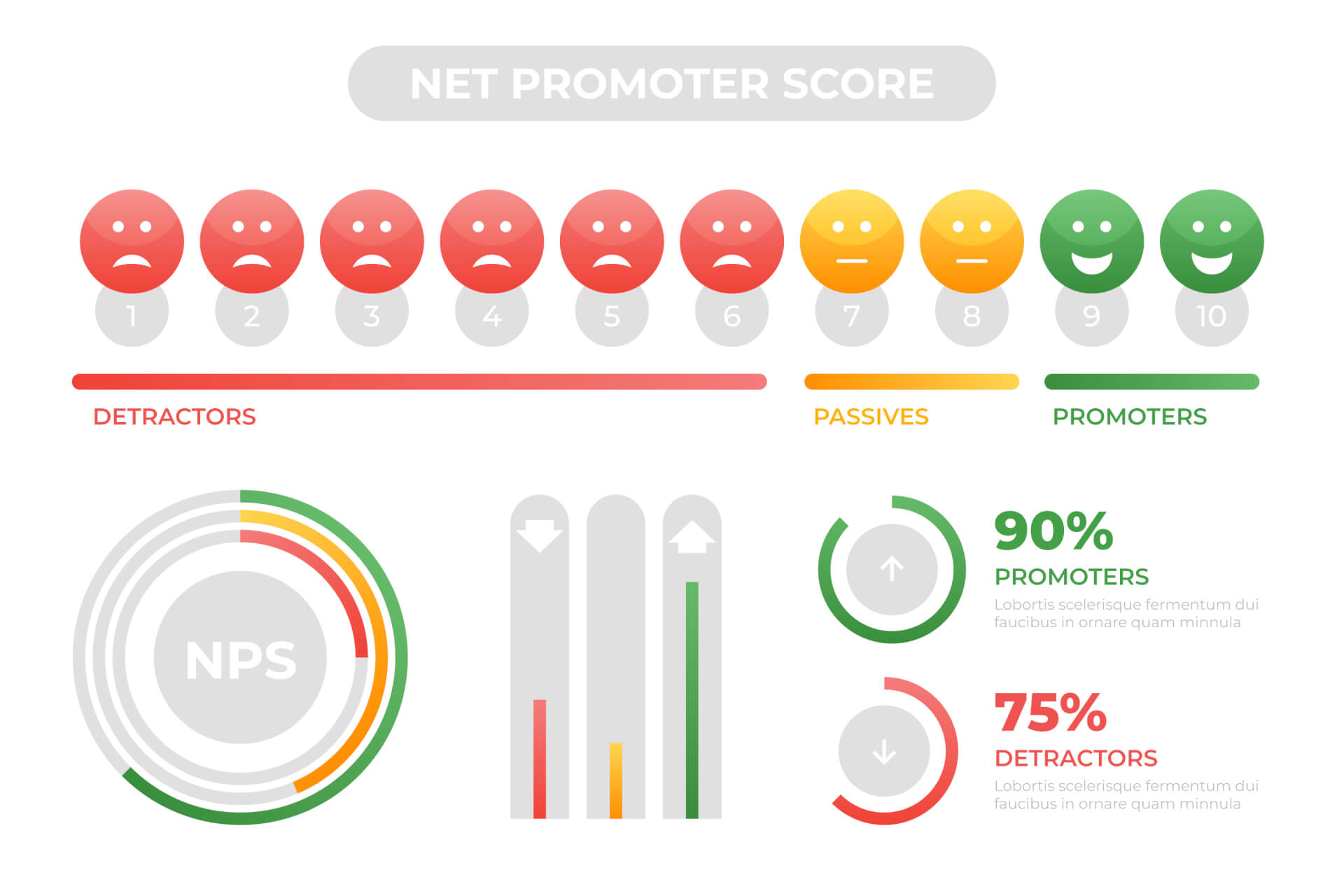
Net Promoter Score (NPS) is a metric used to gauge customer loyalty and satisfaction based on a simple question: "On a scale of 0-10, how likely are you to recommend our product/service to a friend or colleague?" Respondents are categorized into three groups based on their scores: Promoters (9-10), Passives (7-8), and Detractors (0-6).
How NPS is calculated
To calculate NPS, the percentage of Detractors is subtracted from the percentage of Promoters, resulting in a score that ranges from -100 to +100. A high NPS indicates a strong customer advocacy, while a low or negative score signals areas for improvement.
Who are NPS Respondents?
Promoters
Promoters are customers who are highly satisfied with your product/service and are likely to recommend it to others. They are loyal advocates who can drive positive word-of-mouth marketing and contribute to business growth.
Passives
Passives are customers who are somewhat satisfied with your offering but not enthusiastic enough to actively promote it. While they may not actively detract from your brand, they are also not actively promoting it.
Detractors
Detractors are customers who are dissatisfied with your product/service and may spread negative feedback to others. Addressing their concerns and turning them into satisfied customers is crucial for minimizing churn and improving overall customer satisfaction.
Why Understanding NPS Respondents is Important

Impact on business growth
By understanding the sentiments of Promoters, Passives, and Detractors, businesses can tailor their strategies to retain loyal customers, convert passive customers into advocates, and address the pain points of detractors. This can lead to increased customer retention, higher customer lifetime value, and ultimately, business growth.
Identifying areas for improvement
Analyzing the feedback from different NPS respondents can provide valuable insights into areas where the business excels and areas that need improvement. By addressing the specific needs and concerns of each group, businesses can enhance their overall customer experience and drive continuous improvement.
Strategies for Engaging with NPS Respondents

Engaging Promoters
Promoters are your most valuable asset in terms of customer advocacy. Engage with them by thanking them for their positive feedback, encouraging them to refer others, and rewarding their loyalty with exclusive offers or discounts.
Converting Passives
Passives are on the fence about your product/service and can be swayed in either direction. Engage with them by seeking feedback on how to improve their experience, addressing any concerns they may have, and providing incentives to encourage them to become more active advocates.
Addressing Detractors
Detractors pose a risk to your business if their concerns are left unaddressed. Reach out to them to understand the root cause of their dissatisfaction, resolve their issues promptly, and follow up to ensure their concerns have been addressed satisfactorily.
Common Misconceptions about NPS Respondents
One common misconception is that all Passives are neutral customers who have no impact on business outcomes. In reality, Passives can still have a significant influence on brand perception and customer retention. It's important to engage with them proactively to prevent them from becoming Detractors.
Best Practices for NPS Surveys
Timing and frequency of surveys
Timing is crucial when sending out NPS surveys to ensure that feedback is collected at relevant touchpoints in the customer journey. Avoid survey fatigue by spacing out surveys and targeting specific segments of customers based on their interactions with your brand.
Designing effective survey questions
Craft clear and concise survey questions that are easy for respondents to understand and provide actionable insights. Avoid leading questions that may bias the responses and focus on gathering honest feedback that can drive meaningful improvements.
Real-World Examples of NPS Success Stories
Several companies have leveraged NPS feedback to drive significant improvements in customer satisfaction and loyalty. For example, one company implemented a customer feedback loop based on NPS data, resulting in a 20% increase in customer retention and a 15% boost in referral rates.
Conclusion
Understanding the nuances of NPS respondents—Promoters, Passives, and Detractors—is essential for businesses looking to improve customer relationships, drive growth, and enhance overall customer experience. By engaging with each group strategically, addressing their specific needs, and leveraging feedback to make data-driven decisions, businesses can build a loyal customer base and achieve sustainable success.
Reading recommendation: If this article helped you and you would like to find out more about the Net Promoter Score, continue reading here: “The Net Promoter Score – Basics and Areas of Application”
FAQs
How do you differentiate between a Passive and a Detractor in NPS surveys?
In NPS surveys, Passives are customers who give a score of 7-8, indicating moderate satisfaction but lack of enthusiasm. Detractors, on the other hand, give a score of 0-6, signaling dissatisfaction with the product/service.
What strategies can businesses use to retain Promoters and prevent them from becoming Passives?
Businesses can retain Promoters by maintaining consistent quality, providing exceptional customer service, rewarding loyalty, and actively seeking feedback to address any issues promptly.
How can businesses effectively engage with Detractors and turn them into satisfied customers?
To engage with Detractors, businesses should reach out to understand their concerns, offer solutions to address their issues, follow up to ensure satisfaction, and implement changes based on their feedback to prevent similar issues in the future.
Are there any industry-specific best practices for collecting and analyzing NPS data?
Industry-specific best practices for NPS data collection may vary, but common principles include targeting relevant touchpoints, segmenting customers based on their interactions, and using the feedback to drive continuous improvement tailored to the specific needs of each customer group.
How can businesses leverage NPS feedback to drive actionable insights and improvements?
Businesses can leverage NPS feedback by analyzing trends, identifying recurring themes, prioritizing areas for improvement based on customer feedback, and implementing data-driven strategies to address the needs and concerns of different customer segments.