![[EN]](data:image/png;base64,iVBORw0KGgoAAAANSUhEUgAAAB4AAAAUCAYAAACaq43EAAAAGXRFWHRTb2Z0d2FyZQBBZG9iZSBJbWFnZVJlYWR5ccllPAAAAyRpVFh0WE1MOmNvbS5hZG9iZS54bXAAAAAAADw/eHBhY2tldCBiZWdpbj0i77u/IiBpZD0iVzVNME1wQ2VoaUh6cmVTek5UY3prYzlkIj8+IDx4OnhtcG1ldGEgeG1sbnM6eD0iYWRvYmU6bnM6bWV0YS8iIHg6eG1wdGs9IkFkb2JlIFhNUCBDb3JlIDUuMy1jMDExIDY2LjE0NTY2MSwgMjAxMi8wMi8wNi0xNDo1NjoyNyAgICAgICAgIj4gPHJkZjpSREYgeG1sbnM6cmRmPSJodHRwOi8vd3d3LnczLm9yZy8xOTk5LzAyLzIyLXJkZi1zeW50YXgtbnMjIj4gPHJkZjpEZXNjcmlwdGlvbiByZGY6YWJvdXQ9IiIgeG1sbnM6eG1wPSJodHRwOi8vbnMuYWRvYmUuY29tL3hhcC8xLjAvIiB4bWxuczp4bXBNTT0iaHR0cDovL25zLmFkb2JlLmNvbS94YXAvMS4wL21tLyIgeG1sbnM6c3RSZWY9Imh0dHA6Ly9ucy5hZG9iZS5jb20veGFwLzEuMC9zVHlwZS9SZXNvdXJjZVJlZiMiIHhtcDpDcmVhdG9yVG9vbD0iQWRvYmUgUGhvdG9zaG9wIENTNiAoTWFjaW50b3NoKSIgeG1wTU06SW5zdGFuY2VJRD0ieG1wLmlpZDpERTc5MkI3RjE3OEExMUUyQTcxNDlDNEFCRkNENzc2NiIgeG1wTU06RG9jdW1lbnRJRD0ieG1wLmRpZDpERTc5MkI4MDE3OEExMUUyQTcxNDlDNEFCRkNENzc2NiI+IDx4bXBNTTpEZXJpdmVkRnJvbSBzdFJlZjppbnN0YW5jZUlEPSJ4bXAuaWlkOkEyMTE0RjIyMTc4QTExRTJBNzE0OUM0QUJGQ0Q3NzY2IiBzdFJlZjpkb2N1bWVudElEPSJ4bXAuZGlkOkRFNzkyQjdFMTc4QTExRTJBNzE0OUM0QUJGQ0Q3NzY2Ii8+IDwvcmRmOkRlc2NyaXB0aW9uPiA8L3JkZjpSREY+IDwveDp4bXBtZXRhPiA8P3hwYWNrZXQgZW5kPSJyIj8+60cYSwAAAyhJREFUeNrElN1PU3cYxz/tOQUBD/aNymtbUAq2IOiUWXmZA40Iy2BzcW53y7JlyZLtZuE/8NaY7Gbe7WJbdJnTDOdQCbLKrERUotgCSodQ7AsFpK28yKT7rfsL2gv7JCcn+eV3zpPv5/l+H9X2xp65SqtJGfr1Fg3vNPD02SIhfwRniwP3pdvsOVxPaCHGs7+DOA/VJs8crXXEs3P48OfTfMIcU+SRaqlMzm8SNut2VuefIxvyydZIxFbWyX35iviLNZRiPZJaxdLyCkoiQUyc6cwFTPvC9FRkcbJMy7JaTrmxHIuvxaZm5xW7+Jl3NkKRaRt5OVlMjvuoqa9gwr9AgS4PvTYP78hjdtVVEAw9J+Kdxv7Td+hL8tGTeslGg8Jeexk3/riLs62O+cU441NBDjbZGbg+SlNbPYvRF9zzzHCoycFA/yhvCtRqnZbr5a1YEjGm5S2po1ZXfRHVaCTlWLODq24v1eWFGPVbuXH5Dh3vORm88xhziR5zoZ5rl9y0dx/ggS/EzGSQs5Ua3s39h7CUlbri0mKdUGzmijBXqzBXYH4Z931fsmlf7zBvd+wjIigMDI/TcbyRvt+GOSgUZ62uU3S2h8IdRgrTQK1S2T6PyhpZ+aB9LxcF2hpbCUUF27hy4S+Of/wWfUMeykuNVIin9/xNuj9qYWR8juknIc5szNC1voA/DdSypayAhlor57/vp/NEC7OBRfpveek+0cwvP/7JsfedhEWcLg8+pOtkMxfOuTjc5WSrSc+S6ymSQYtGyk5dsVT9/4zbhZmu3Z5IztggXOwSZjvSuZ+hUR9mEan/KAz+PkJb5z7GngSYdXu46T9Ho3EL6ZSKnZ9Fax0W5aFrDNuB6mROA6El7BYTnns+bPt3srK2gV+QcIjIPRLzrxL3ZkLLfB0c40udRCAd1EfFNioxaSG+Sl2NmchSnCKjwh6HBWlzk/rd1uTyMOTn8MbuctRiieyqLKbKbqXs4gSvQmFephOnRCIRFW+F11yyp/3TtD/eSKjYTM4rjcZh110yUZlDPfnVqcwovkppRhRnDrX/2x+UjKDuJXcuE4r/FWAAjBMttNdoYOEAAAAASUVORK5CYII=)
Customer success has become a critical aspect of ensuring long-term customer satisfaction and loyalty. Top teams understand that it's not just about selling a product or service but also about ensuring that customers achieve their desired outcomes and derive value from their investment.
Customer success is more than just a buzzword; it's a strategic approach to ensuring that customers achieve their desired outcomes while using a product or service. It involves proactive engagement, personalized solutions, and data-driven decision-making to drive customer satisfaction and loyalty. In this guide, we will explore the key components of customer success and how top teams leverage these practices to drive success.
In this comprehensive guide, we will delve into the best practices that top teams employ to drive customer success and satisfaction.
Understanding Customer Success

Definition and Importance
Customer success is the process of ensuring that customers achieve their desired outcomes while using a product or service. It goes beyond traditional customer support by focusing on proactive engagement and personalized solutions to drive long-term satisfaction and loyalty. Customer success is crucial for businesses as it helps reduce churn, increase customer lifetime value, and drive referrals and advocacy.
Key Metrics for Success
To measure the effectiveness of customer success initiatives, businesses often track key metrics such as Net Promoter Score (NPS), Customer Health Score, and Churn Rate. These metrics provide insights into customer satisfaction, engagement, and loyalty, allowing businesses to identify areas for improvement and drive success.
Customer Success vs. Customer Support
While customer support focuses on resolving customer issues and providing reactive assistance, customer success takes a proactive approach to ensure that customers achieve their desired outcomes.
Customer success involves building strong relationships, providing continuous value, and being proactive and predictive in addressing customer needs.
Implementing Customer Success Strategies

Onboarding Process
One of the critical components of customer success is the onboarding process. A well-designed onboarding process helps customers get up and running quickly, understand the value of the product or service, and set them up for long-term success. Top teams invest in personalized onboarding experiences to ensure that customers are set up for success from the start.
Proactive Customer Engagement
Proactive customer engagement is essential for driving customer success. Top teams engage with customers regularly, provide valuable insights and resources, and anticipate their needs to proactively address any issues or challenges.
By being proactive in their approach, top teams build strong relationships and drive long-term satisfaction.
Personalization and Tailored Solutions
Personalization plays a crucial role in customer success. Top teams understand the importance of tailoring solutions to meet the unique needs and preferences of each customer. By providing personalized recommendations, proactive support, and tailored solutions, top teams drive customer satisfaction and loyalty.
Data-Driven Decision Making
Data plays a vital role in driving customer success. Top teams leverage data analytics to gain insights into customer behavior, preferences, and needs. By analyzing data, top teams can make informed decisions, identify trends, and personalize their approach to drive customer success.
Measuring Customer Success
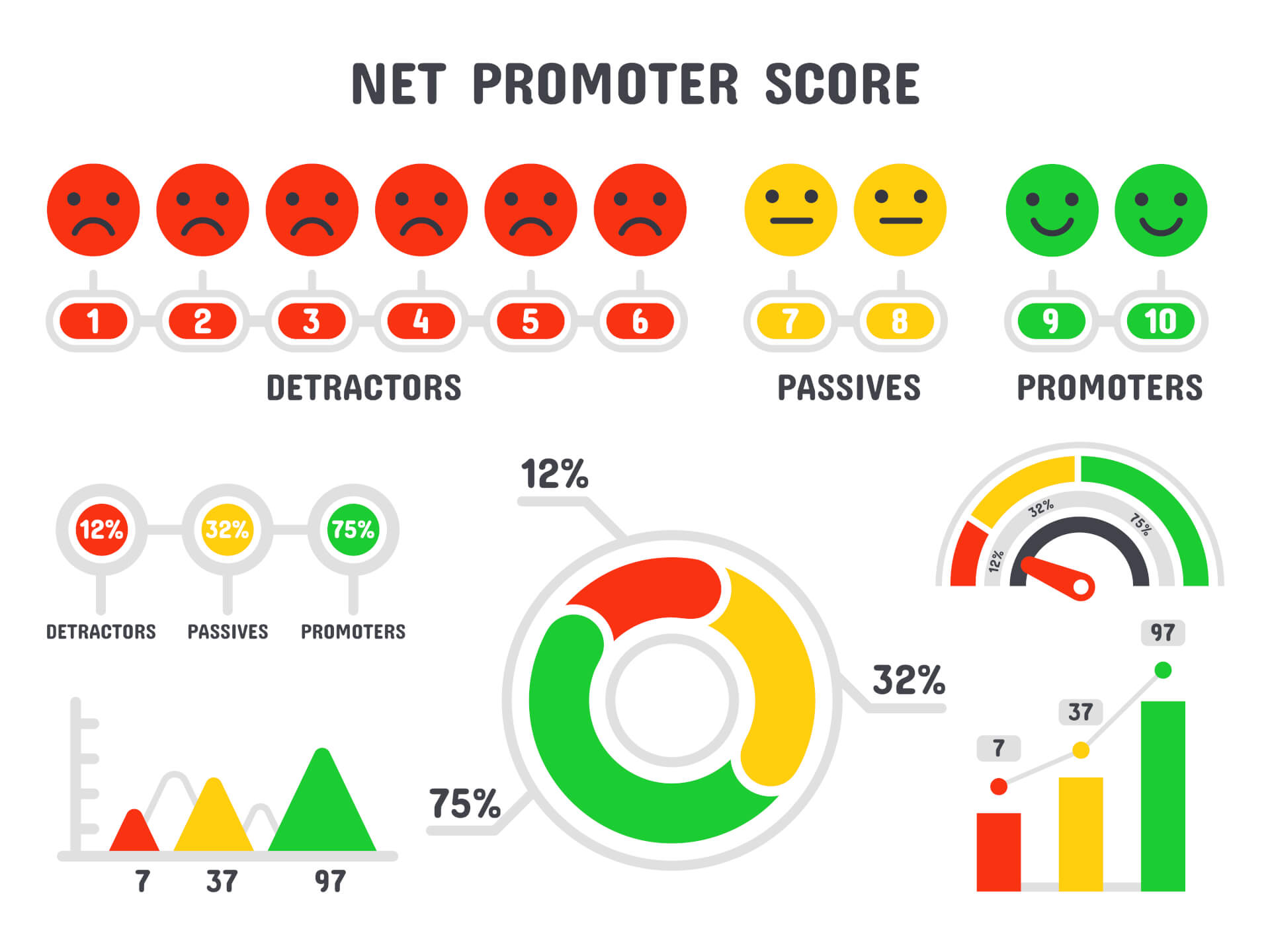
Net Promoter Score (NPS)
Net Promoter Score (NPS) is a key metric used to measure customer satisfaction and loyalty. It helps businesses gauge the likelihood of customers to recommend their product or service to others.
Top teams track NPS scores regularly to identify areas for improvement and drive customer success.
Customer Health Score
Customer Health Score is a metric that measures the overall health and satisfaction of customers. It takes into account various factors such as usage patterns, engagement levels, and feedback to provide a holistic view of customer satisfaction.
Top teams use Customer Health Score to identify at-risk customers and proactively address their needs.
Churn Rate
Churn Rate is a critical metric that measures the percentage of customers who stop using a product or service within a given period. High churn rates indicate that customers are not deriving value from the product or service, leading to decreased customer satisfaction and loyalty. Top teams track churn rates closely to identify reasons for churn and implement strategies to reduce churn and drive success.
Customer Success Best Practices

Building Strong Relationships
Building strong relationships with customers is essential for driving customer success. Top teams invest in building trust, understanding customer needs, and providing personalized support to build long-lasting relationships.
By fostering strong relationships, top teams drive customer satisfaction and loyalty.
Providing Continuous Value
Providing continuous value is a key best practice for driving customer success. Top teams focus on delivering ongoing value to customers through product updates, educational resources, and personalized recommendations.
By providing continuous value, top teams ensure that customers derive maximum benefit from their investment.
Being Proactive and Predictive
Being proactive and predictive in addressing customer needs is crucial for driving customer success. Top teams anticipate customer needs, provide proactive support, and address issues before they escalate.
By being proactive and predictive, top teams build trust, drive satisfaction, and increase customer loyalty.
Leveraging Technology for Success
Technology plays a crucial role in driving customer success. Top teams leverage technology tools such as customer relationship management (CRM) systems, analytics platforms, and automation tools to streamline processes, personalize interactions, and drive success. By leveraging technology effectively, top teams enhance the customer experience and drive satisfaction.
Creating a Culture of Customer Success
Creating a culture of customer success is essential for driving long-term satisfaction and loyalty. Top teams foster a customer-centric mindset across the organization, prioritize customer success in all interactions, and empower employees to go above and beyond to drive success. By creating a culture of customer success, top teams build a strong foundation for driving customer satisfaction and loyalty.
Conclusion
In conclusion, customer success is a critical aspect of ensuring long-term customer satisfaction and loyalty. Top teams understand the importance of proactive engagement, personalized solutions, and data-driven decision-making to drive success.
By implementing best practices such as building strong relationships, providing continuous value, and leveraging technology effectively, top teams drive customer satisfaction and loyalty. By prioritizing customer success, businesses can differentiate themselves in a competitive market and build a loyal customer base.

Recommended reading: If this article helped you and you would like to learn more about the role of NPS in shaping the customer experience, continue reading here: "The role of NPS in customer experience (CX)"
FAQ
How can businesses measure the effectiveness of their customer success initiatives?
Businesses can measure the effectiveness of their customer success initiatives by tracking key metrics such as Net Promoter Score (NPS), Customer Health Score, and Churn Rate. These metrics provide insights into customer satisfaction, engagement, and loyalty, allowing businesses to identify areas for improvement and drive success.
What role does personalization play in driving customer success?
Personalization plays a crucial role in customer success by tailoring solutions to meet the unique needs and preferences of each customer. By providing personalized recommendations, proactive support, and tailored solutions, businesses drive customer satisfaction and loyalty.
How can businesses create a culture of customer success?
Businesses can create a culture of customer success by fostering a customer-centric mindset across the organization, prioritizing customer success in all interactions, and empowering employees to go above and beyond to drive success. By creating a culture of customer success, businesses build a strong foundation for driving customer satisfaction and loyalty.
What are the key benefits of proactive customer engagement?
Proactive customer engagement helps businesses build strong relationships, provide valuable insights and resources, and anticipate customer needs to proactively address any issues or challenges. By being proactive in their approach, businesses drive long-term satisfaction and loyalty.
How can businesses leverage technology effectively for customer success?
Businesses can leverage technology tools such as customer relationship management (CRM) systems, analytics platforms, and automation tools to streamline processes, personalize interactions, and drive success. By leveraging technology effectively, businesses enhance the customer experience and drive satisfaction.