![[EN]](data:image/png;base64,iVBORw0KGgoAAAANSUhEUgAAAB4AAAAUCAYAAACaq43EAAAAGXRFWHRTb2Z0d2FyZQBBZG9iZSBJbWFnZVJlYWR5ccllPAAAAyRpVFh0WE1MOmNvbS5hZG9iZS54bXAAAAAAADw/eHBhY2tldCBiZWdpbj0i77u/IiBpZD0iVzVNME1wQ2VoaUh6cmVTek5UY3prYzlkIj8+IDx4OnhtcG1ldGEgeG1sbnM6eD0iYWRvYmU6bnM6bWV0YS8iIHg6eG1wdGs9IkFkb2JlIFhNUCBDb3JlIDUuMy1jMDExIDY2LjE0NTY2MSwgMjAxMi8wMi8wNi0xNDo1NjoyNyAgICAgICAgIj4gPHJkZjpSREYgeG1sbnM6cmRmPSJodHRwOi8vd3d3LnczLm9yZy8xOTk5LzAyLzIyLXJkZi1zeW50YXgtbnMjIj4gPHJkZjpEZXNjcmlwdGlvbiByZGY6YWJvdXQ9IiIgeG1sbnM6eG1wPSJodHRwOi8vbnMuYWRvYmUuY29tL3hhcC8xLjAvIiB4bWxuczp4bXBNTT0iaHR0cDovL25zLmFkb2JlLmNvbS94YXAvMS4wL21tLyIgeG1sbnM6c3RSZWY9Imh0dHA6Ly9ucy5hZG9iZS5jb20veGFwLzEuMC9zVHlwZS9SZXNvdXJjZVJlZiMiIHhtcDpDcmVhdG9yVG9vbD0iQWRvYmUgUGhvdG9zaG9wIENTNiAoTWFjaW50b3NoKSIgeG1wTU06SW5zdGFuY2VJRD0ieG1wLmlpZDpERTc5MkI3RjE3OEExMUUyQTcxNDlDNEFCRkNENzc2NiIgeG1wTU06RG9jdW1lbnRJRD0ieG1wLmRpZDpERTc5MkI4MDE3OEExMUUyQTcxNDlDNEFCRkNENzc2NiI+IDx4bXBNTTpEZXJpdmVkRnJvbSBzdFJlZjppbnN0YW5jZUlEPSJ4bXAuaWlkOkEyMTE0RjIyMTc4QTExRTJBNzE0OUM0QUJGQ0Q3NzY2IiBzdFJlZjpkb2N1bWVudElEPSJ4bXAuZGlkOkRFNzkyQjdFMTc4QTExRTJBNzE0OUM0QUJGQ0Q3NzY2Ii8+IDwvcmRmOkRlc2NyaXB0aW9uPiA8L3JkZjpSREY+IDwveDp4bXBtZXRhPiA8P3hwYWNrZXQgZW5kPSJyIj8+60cYSwAAAyhJREFUeNrElN1PU3cYxz/tOQUBD/aNymtbUAq2IOiUWXmZA40Iy2BzcW53y7JlyZLtZuE/8NaY7Gbe7WJbdJnTDOdQCbLKrERUotgCSodQ7AsFpK28yKT7rfsL2gv7JCcn+eV3zpPv5/l+H9X2xp65SqtJGfr1Fg3vNPD02SIhfwRniwP3pdvsOVxPaCHGs7+DOA/VJs8crXXEs3P48OfTfMIcU+SRaqlMzm8SNut2VuefIxvyydZIxFbWyX35iviLNZRiPZJaxdLyCkoiQUyc6cwFTPvC9FRkcbJMy7JaTrmxHIuvxaZm5xW7+Jl3NkKRaRt5OVlMjvuoqa9gwr9AgS4PvTYP78hjdtVVEAw9J+Kdxv7Td+hL8tGTeslGg8Jeexk3/riLs62O+cU441NBDjbZGbg+SlNbPYvRF9zzzHCoycFA/yhvCtRqnZbr5a1YEjGm5S2po1ZXfRHVaCTlWLODq24v1eWFGPVbuXH5Dh3vORm88xhziR5zoZ5rl9y0dx/ggS/EzGSQs5Ua3s39h7CUlbri0mKdUGzmijBXqzBXYH4Z931fsmlf7zBvd+wjIigMDI/TcbyRvt+GOSgUZ62uU3S2h8IdRgrTQK1S2T6PyhpZ+aB9LxcF2hpbCUUF27hy4S+Of/wWfUMeykuNVIin9/xNuj9qYWR8juknIc5szNC1voA/DdSypayAhlor57/vp/NEC7OBRfpveek+0cwvP/7JsfedhEWcLg8+pOtkMxfOuTjc5WSrSc+S6ymSQYtGyk5dsVT9/4zbhZmu3Z5IztggXOwSZjvSuZ+hUR9mEan/KAz+PkJb5z7GngSYdXu46T9Ho3EL6ZSKnZ9Fax0W5aFrDNuB6mROA6El7BYTnns+bPt3srK2gV+QcIjIPRLzrxL3ZkLLfB0c40udRCAd1EfFNioxaSG+Sl2NmchSnCKjwh6HBWlzk/rd1uTyMOTn8MbuctRiieyqLKbKbqXs4gSvQmFephOnRCIRFW+F11yyp/3TtD/eSKjYTM4rjcZh110yUZlDPfnVqcwovkppRhRnDrX/2x+UjKDuJXcuE4r/FWAAjBMttNdoYOEAAAAASUVORK5CYII=)
Net Promoter Score (NPS) is a valuable metric that helps businesses measure customer loyalty and satisfaction. However, simply collecting NPS data is not enough. To truly benefit from NPS reporting, businesses must be able to analyze the data effectively and make informed decisions based on the insights gained.
In this article, we will discuss how businesses can make the most of their NPS reporting by turning data into actionable decisions.
Understanding NPS Reporting
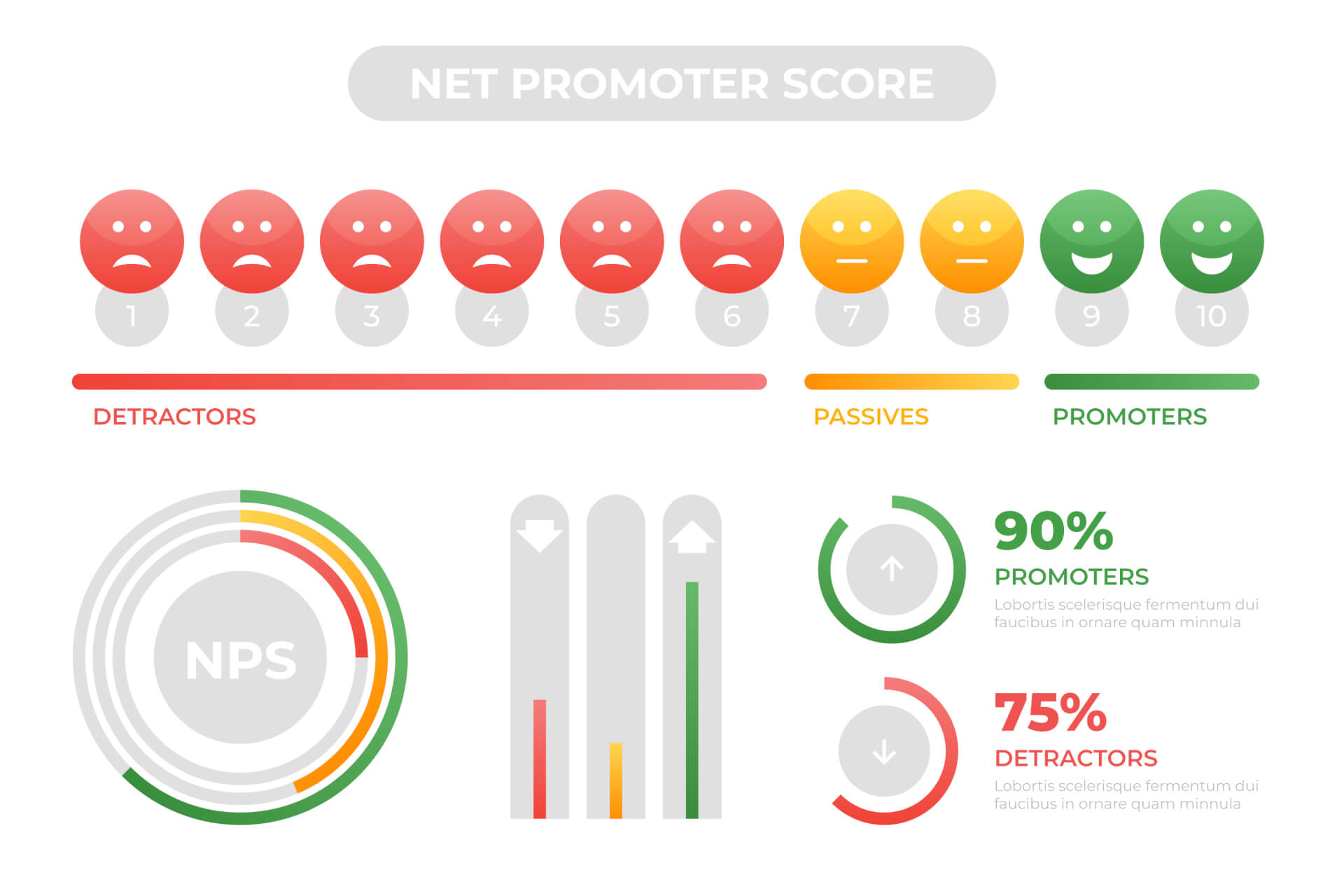
NPS reporting involves collecting feedback from customers through a simple survey that asks them to rate how likely they are to recommend the company to others. The responses are then used to calculate a Net Promoter Score, which is a number between -100 and 100 that indicates the overall sentiment of customers towards the company.

Analyzing NPS Data
Once the NPS data has been collected, businesses need to analyze it to uncover trends, patterns, and insights. This can be done by segmenting the data based on different criteria such as demographics, purchase history, or customer behavior. By analyzing the data in this way, businesses can gain a deeper understanding of what drives customer loyalty and satisfaction.
Making Informed Decisions
The ultimate goal of NPS reporting is to use the insights gained from the data to make informed decisions that drive business growth. By identifying areas of improvement and focusing on strategies to increase customer loyalty, businesses can enhance the overall customer experience and ultimately increase revenue.
Utilizing NPS Benchmarks
One way businesses can make the most of their NPS reporting is by comparing their scores to industry benchmarks. This allows businesses to see how they stack up against their competitors and identify areas where they may be falling short. By benchmarking their NPS scores, businesses can set realistic goals for improvement and track their progress over time.

Implementing Action Plans
Once businesses have analyzed their NPS data and identified areas for improvement, it is important to develop action plans to address these issues.
This may involve implementing new customer service initiatives, improving product offerings, or enhancing the overall customer experience.
By taking concrete steps to address customer feedback, businesses can demonstrate their commitment to customer satisfaction and loyalty.
Measuring Success
In order to gauge the effectiveness of their NPS reporting efforts, businesses need to track key performance indicators (KPIs) related to customer loyalty and satisfaction. This may include metrics such as customer retention rates, repeat purchase behavior, and customer lifetime value.
By monitoring these KPIs, businesses can assess the impact of their actions and make adjustments as needed.
Conclusion
In conclusion, NPS reporting is a valuable tool for businesses to measure customer loyalty and satisfaction. By analyzing NPS data effectively, businesses can gain valuable insights that can drive informed decision-making and ultimately improve the overall customer experience.
By utilizing benchmarks, implementing action plans, and measuring success, businesses can make the most of their NPS reporting efforts and achieve long-term success.
Reading recommendation: If this article helped you and you would like to find out more about the Net Promoter Score, continue reading here: “The Net Promoter Score – Basics and Areas of Application”
FAQs
What is a good Net Promoter Score?
A good Net Promoter Score typically falls between 50 and 70, but this can vary by industry.
How often should businesses collect NPS data?
Businesses should ideally collect NPS data on a regular basis, such as quarterly or bi-annually, to track changes over time.
Can NPS reporting help improve customer retention?
Yes, by identifying areas for improvement and addressing customer feedback, businesses can improve customer retention rates.
How can businesses incentivize customers to provide NPS feedback?
Businesses can offer incentives such as discounts or rewards for customers who participate in NPS surveys.
What are some common mistakes businesses make when analyzing NPS data?
Common mistakes include focusing too much on the overall score and not digging deeper into the data to uncover insights, as well as failing to take action based on the feedback received.