![[EN]](data:image/png;base64,iVBORw0KGgoAAAANSUhEUgAAAB4AAAAUCAYAAACaq43EAAAAGXRFWHRTb2Z0d2FyZQBBZG9iZSBJbWFnZVJlYWR5ccllPAAAAyRpVFh0WE1MOmNvbS5hZG9iZS54bXAAAAAAADw/eHBhY2tldCBiZWdpbj0i77u/IiBpZD0iVzVNME1wQ2VoaUh6cmVTek5UY3prYzlkIj8+IDx4OnhtcG1ldGEgeG1sbnM6eD0iYWRvYmU6bnM6bWV0YS8iIHg6eG1wdGs9IkFkb2JlIFhNUCBDb3JlIDUuMy1jMDExIDY2LjE0NTY2MSwgMjAxMi8wMi8wNi0xNDo1NjoyNyAgICAgICAgIj4gPHJkZjpSREYgeG1sbnM6cmRmPSJodHRwOi8vd3d3LnczLm9yZy8xOTk5LzAyLzIyLXJkZi1zeW50YXgtbnMjIj4gPHJkZjpEZXNjcmlwdGlvbiByZGY6YWJvdXQ9IiIgeG1sbnM6eG1wPSJodHRwOi8vbnMuYWRvYmUuY29tL3hhcC8xLjAvIiB4bWxuczp4bXBNTT0iaHR0cDovL25zLmFkb2JlLmNvbS94YXAvMS4wL21tLyIgeG1sbnM6c3RSZWY9Imh0dHA6Ly9ucy5hZG9iZS5jb20veGFwLzEuMC9zVHlwZS9SZXNvdXJjZVJlZiMiIHhtcDpDcmVhdG9yVG9vbD0iQWRvYmUgUGhvdG9zaG9wIENTNiAoTWFjaW50b3NoKSIgeG1wTU06SW5zdGFuY2VJRD0ieG1wLmlpZDpERTc5MkI3RjE3OEExMUUyQTcxNDlDNEFCRkNENzc2NiIgeG1wTU06RG9jdW1lbnRJRD0ieG1wLmRpZDpERTc5MkI4MDE3OEExMUUyQTcxNDlDNEFCRkNENzc2NiI+IDx4bXBNTTpEZXJpdmVkRnJvbSBzdFJlZjppbnN0YW5jZUlEPSJ4bXAuaWlkOkEyMTE0RjIyMTc4QTExRTJBNzE0OUM0QUJGQ0Q3NzY2IiBzdFJlZjpkb2N1bWVudElEPSJ4bXAuZGlkOkRFNzkyQjdFMTc4QTExRTJBNzE0OUM0QUJGQ0Q3NzY2Ii8+IDwvcmRmOkRlc2NyaXB0aW9uPiA8L3JkZjpSREY+IDwveDp4bXBtZXRhPiA8P3hwYWNrZXQgZW5kPSJyIj8+60cYSwAAAyhJREFUeNrElN1PU3cYxz/tOQUBD/aNymtbUAq2IOiUWXmZA40Iy2BzcW53y7JlyZLtZuE/8NaY7Gbe7WJbdJnTDOdQCbLKrERUotgCSodQ7AsFpK28yKT7rfsL2gv7JCcn+eV3zpPv5/l+H9X2xp65SqtJGfr1Fg3vNPD02SIhfwRniwP3pdvsOVxPaCHGs7+DOA/VJs8crXXEs3P48OfTfMIcU+SRaqlMzm8SNut2VuefIxvyydZIxFbWyX35iviLNZRiPZJaxdLyCkoiQUyc6cwFTPvC9FRkcbJMy7JaTrmxHIuvxaZm5xW7+Jl3NkKRaRt5OVlMjvuoqa9gwr9AgS4PvTYP78hjdtVVEAw9J+Kdxv7Td+hL8tGTeslGg8Jeexk3/riLs62O+cU441NBDjbZGbg+SlNbPYvRF9zzzHCoycFA/yhvCtRqnZbr5a1YEjGm5S2po1ZXfRHVaCTlWLODq24v1eWFGPVbuXH5Dh3vORm88xhziR5zoZ5rl9y0dx/ggS/EzGSQs5Ua3s39h7CUlbri0mKdUGzmijBXqzBXYH4Z931fsmlf7zBvd+wjIigMDI/TcbyRvt+GOSgUZ62uU3S2h8IdRgrTQK1S2T6PyhpZ+aB9LxcF2hpbCUUF27hy4S+Of/wWfUMeykuNVIin9/xNuj9qYWR8juknIc5szNC1voA/DdSypayAhlor57/vp/NEC7OBRfpveek+0cwvP/7JsfedhEWcLg8+pOtkMxfOuTjc5WSrSc+S6ymSQYtGyk5dsVT9/4zbhZmu3Z5IztggXOwSZjvSuZ+hUR9mEan/KAz+PkJb5z7GngSYdXu46T9Ho3EL6ZSKnZ9Fax0W5aFrDNuB6mROA6El7BYTnns+bPt3srK2gV+QcIjIPRLzrxL3ZkLLfB0c40udRCAd1EfFNioxaSG+Sl2NmchSnCKjwh6HBWlzk/rd1uTyMOTn8MbuctRiieyqLKbKbqXs4gSvQmFephOnRCIRFW+F11yyp/3TtD/eSKjYTM4rjcZh110yUZlDPfnVqcwovkppRhRnDrX/2x+UjKDuJXcuE4r/FWAAjBMttNdoYOEAAAAASUVORK5CYII=)
Customer feedback provides valuable insights into the customer experience, helping businesses improve their products and services. One popular method of collecting customer feedback is through Net Promoter Score (NPS) surveys.
NPS measures customer loyalty by asking one simple question: "On a scale of 0-10, how likely are you to recommend our product/service to a friend or colleague?"
In this article, we will explore the importance of NPS integration and how it can help businesses connect customer feedback across their tech stack.
What is NPS Integration?
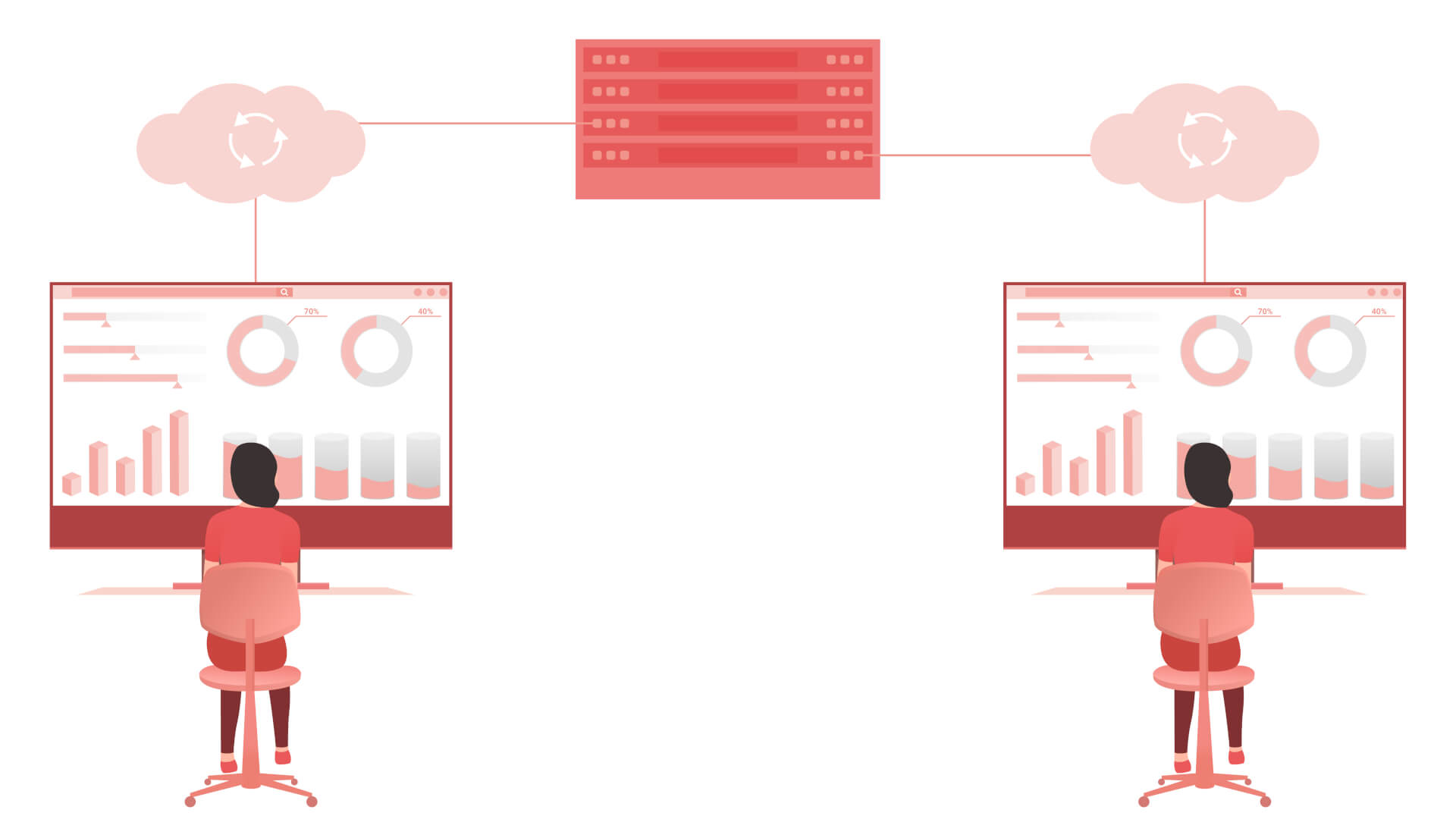 NPS integration refers to the process of connecting NPS survey data with other tools and systems within a company's tech stack. By integrating NPS data with customer relationship management (CRM) systems, helpdesk software, and other tools, businesses can gain a more comprehensive view of the customer experience.
This allows companies to track customer feedback in real-time, identify trends, and take action to improve customer satisfaction.
Benefits of NPS Integration

1 - Centralized Data Management
By integrating NPS data with other systems, businesses can centralize customer feedback in one place.
This makes it easier to track customer sentiment, identify issues, and take proactive steps to address them.
2 - Improved Customer Experience
NPS integration allows businesses to gather feedback at various touchpoints in the customer journey.
This enables companies to understand the customer experience holistically and make data-driven decisions to enhance it.
3 - Enhanced Reporting and Analytics
Integrating NPS data with analytics tools provides businesses with deeper insights into customer feedback. This allows companies to track key performance indicators (KPIs), measure the impact of customer feedback on business outcomes, and make informed decisions.
4 - Streamlined Communication
NPS integration enables seamless communication between departments within an organization. By sharing customer feedback in real-time, teams can collaborate more effectively to address customer issues and improve the overall experience.
How to Integrate NPS Across Your Tech Stack
- Choose the Right NPS Survey Tool: Select a reliable NPS survey tool that offers integration capabilities with other systems in your tech stack.
- Integrate with CRM Systems: Connect your NPS survey tool with CRM systems like Salesforce or HubSpot to ensure that customer feedback is captured and stored in a centralized database.
- Integrate with Helpdesk Software: Link your NPS data with helpdesk software such as Zendesk or Freshdesk to enable support teams to access customer feedback and resolve issues more efficiently.
- Utilize API Integrations: Leverage API integrations to connect your NPS data with other tools and systems that are critical to your business operations.

Reading recommendation: In our Blog article "Choosing the Right Customer Success Technology Stack for Scalable Growth" we explore the key components of a customer success technology stack and factors to consider when choosing the right tools.
Best Practices for NPS Integration

- Automate Feedback Collection: Set up automated NPS surveys to collect feedback at key touchpoints in the customer journey.
- Monitor Feedback in Real-Time: Monitor NPS data in real-time to identify trends and address issues promptly.
- Segment Customer Feedback: Segment NPS data based on customer demographics, behavior, or purchase history to gain deeper insights into customer sentiment.
- Close the Loop: Follow up with customers who provide feedback to show that their opinions are valued and to address any concerns they may have.
Conclusion
NPS integration is a powerful tool that allows businesses to connect customer feedback across their tech stack, enabling them to gain valuable insights into the customer experience. By centralizing data, improving communication, and leveraging analytics, companies can use NPS integration to drive customer satisfaction and loyalty.
FAQs
What is NPS integration?
NPS integration refers to the process of connecting NPS survey data with other tools and systems within a company's tech stack.
Why is NPS integration important?
NPS integration allows businesses to centralize customer feedback, improve the customer experience, enhance reporting and analytics, and streamline communication.
How can businesses integrate NPS across their tech stack?
Businesses can integrate NPS by choosing the right survey tool, connecting with CRM systems, helpdesk software, and utilizing API integrations.
What are the benefits of NPS integration?
The benefits of NPS integration include centralized data management, improved customer experience, enhanced reporting and analytics, and streamlined communication.
What are some best practices for NPS integration?
Best practices for NPS integration include automating feedback collection, monitoring feedback in real-time, segmenting customer feedback, and closing the loop with customers.