![[EN]](data:image/png;base64,iVBORw0KGgoAAAANSUhEUgAAAB4AAAAUCAYAAACaq43EAAAAGXRFWHRTb2Z0d2FyZQBBZG9iZSBJbWFnZVJlYWR5ccllPAAAAyRpVFh0WE1MOmNvbS5hZG9iZS54bXAAAAAAADw/eHBhY2tldCBiZWdpbj0i77u/IiBpZD0iVzVNME1wQ2VoaUh6cmVTek5UY3prYzlkIj8+IDx4OnhtcG1ldGEgeG1sbnM6eD0iYWRvYmU6bnM6bWV0YS8iIHg6eG1wdGs9IkFkb2JlIFhNUCBDb3JlIDUuMy1jMDExIDY2LjE0NTY2MSwgMjAxMi8wMi8wNi0xNDo1NjoyNyAgICAgICAgIj4gPHJkZjpSREYgeG1sbnM6cmRmPSJodHRwOi8vd3d3LnczLm9yZy8xOTk5LzAyLzIyLXJkZi1zeW50YXgtbnMjIj4gPHJkZjpEZXNjcmlwdGlvbiByZGY6YWJvdXQ9IiIgeG1sbnM6eG1wPSJodHRwOi8vbnMuYWRvYmUuY29tL3hhcC8xLjAvIiB4bWxuczp4bXBNTT0iaHR0cDovL25zLmFkb2JlLmNvbS94YXAvMS4wL21tLyIgeG1sbnM6c3RSZWY9Imh0dHA6Ly9ucy5hZG9iZS5jb20veGFwLzEuMC9zVHlwZS9SZXNvdXJjZVJlZiMiIHhtcDpDcmVhdG9yVG9vbD0iQWRvYmUgUGhvdG9zaG9wIENTNiAoTWFjaW50b3NoKSIgeG1wTU06SW5zdGFuY2VJRD0ieG1wLmlpZDpERTc5MkI3RjE3OEExMUUyQTcxNDlDNEFCRkNENzc2NiIgeG1wTU06RG9jdW1lbnRJRD0ieG1wLmRpZDpERTc5MkI4MDE3OEExMUUyQTcxNDlDNEFCRkNENzc2NiI+IDx4bXBNTTpEZXJpdmVkRnJvbSBzdFJlZjppbnN0YW5jZUlEPSJ4bXAuaWlkOkEyMTE0RjIyMTc4QTExRTJBNzE0OUM0QUJGQ0Q3NzY2IiBzdFJlZjpkb2N1bWVudElEPSJ4bXAuZGlkOkRFNzkyQjdFMTc4QTExRTJBNzE0OUM0QUJGQ0Q3NzY2Ii8+IDwvcmRmOkRlc2NyaXB0aW9uPiA8L3JkZjpSREY+IDwveDp4bXBtZXRhPiA8P3hwYWNrZXQgZW5kPSJyIj8+60cYSwAAAyhJREFUeNrElN1PU3cYxz/tOQUBD/aNymtbUAq2IOiUWXmZA40Iy2BzcW53y7JlyZLtZuE/8NaY7Gbe7WJbdJnTDOdQCbLKrERUotgCSodQ7AsFpK28yKT7rfsL2gv7JCcn+eV3zpPv5/l+H9X2xp65SqtJGfr1Fg3vNPD02SIhfwRniwP3pdvsOVxPaCHGs7+DOA/VJs8crXXEs3P48OfTfMIcU+SRaqlMzm8SNut2VuefIxvyydZIxFbWyX35iviLNZRiPZJaxdLyCkoiQUyc6cwFTPvC9FRkcbJMy7JaTrmxHIuvxaZm5xW7+Jl3NkKRaRt5OVlMjvuoqa9gwr9AgS4PvTYP78hjdtVVEAw9J+Kdxv7Td+hL8tGTeslGg8Jeexk3/riLs62O+cU441NBDjbZGbg+SlNbPYvRF9zzzHCoycFA/yhvCtRqnZbr5a1YEjGm5S2po1ZXfRHVaCTlWLODq24v1eWFGPVbuXH5Dh3vORm88xhziR5zoZ5rl9y0dx/ggS/EzGSQs5Ua3s39h7CUlbri0mKdUGzmijBXqzBXYH4Z931fsmlf7zBvd+wjIigMDI/TcbyRvt+GOSgUZ62uU3S2h8IdRgrTQK1S2T6PyhpZ+aB9LxcF2hpbCUUF27hy4S+Of/wWfUMeykuNVIin9/xNuj9qYWR8juknIc5szNC1voA/DdSypayAhlor57/vp/NEC7OBRfpveek+0cwvP/7JsfedhEWcLg8+pOtkMxfOuTjc5WSrSc+S6ymSQYtGyk5dsVT9/4zbhZmu3Z5IztggXOwSZjvSuZ+hUR9mEan/KAz+PkJb5z7GngSYdXu46T9Ho3EL6ZSKnZ9Fax0W5aFrDNuB6mROA6El7BYTnns+bPt3srK2gV+QcIjIPRLzrxL3ZkLLfB0c40udRCAd1EfFNioxaSG+Sl2NmchSnCKjwh6HBWlzk/rd1uTyMOTn8MbuctRiieyqLKbKbqXs4gSvQmFephOnRCIRFW+F11yyp/3TtD/eSKjYTM4rjcZh110yUZlDPfnVqcwovkppRhRnDrX/2x+UjKDuJXcuE4r/FWAAjBMttNdoYOEAAAAASUVORK5CYII=)
Understanding customer feedback and optimizing the customer experience are crucial for sustainable growth. Two powerful tools that can help businesses achieve this are Net Promoter Score (NPS) and Customer Journey Mapping.
By combining insights from NPS surveys with the visualization of the customer journey, companies can gain a comprehensive understanding of their customers' needs and preferences, leading to improved customer satisfaction and loyalty.
Understanding NPS
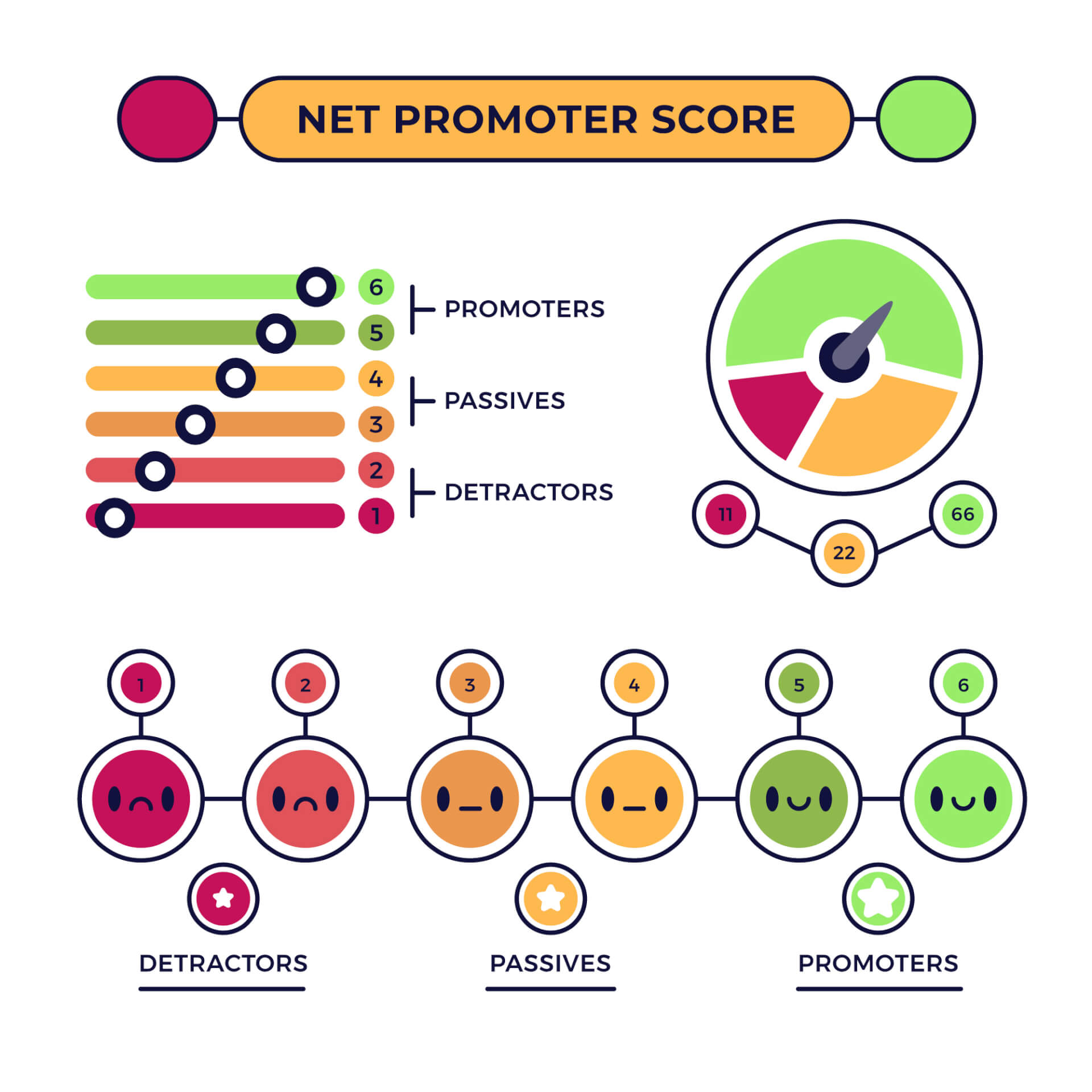 Net Promoter Score (NPS) is a metric used to measure customer loyalty and satisfaction based on a simple question: "How likely are you to recommend our product/service to a friend or colleague?" Customers are then categorized into Promoters (score 9-10), Passives (score 7-8), and Detractors (score 0-6).
The NPS score is calculated by subtracting the percentage of Detractors from the percentage of Promoters, resulting in a score between -100 and 100. Calculating NPS scores provides businesses with valuable insights into customer sentiment and loyalty.
By tracking NPS over time, companies can identify trends, measure the impact of customer experience initiatives, and benchmark their performance against industry standards. NPS also allows businesses to prioritize improvements that will have the greatest impact on customer satisfaction and loyalty.
Customer Journey Mapping
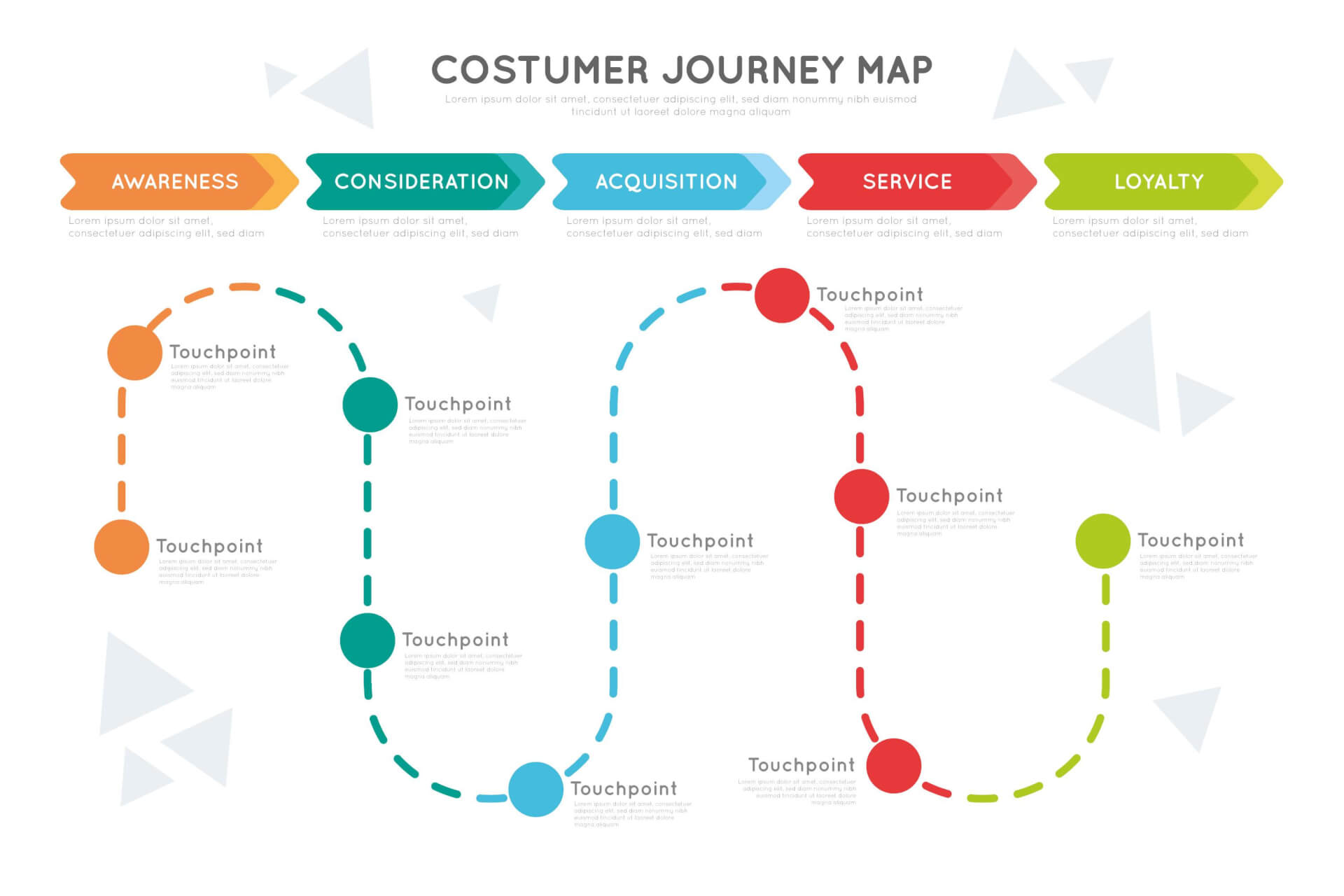 Customer Journey Mapping is a visual representation of the steps a customer takes when interacting with a company, from initial awareness to post-purchase support.
By mapping out the customer journey, businesses can identify touchpoints, pain points, and opportunities for improvement.
Customer Journey Mapping helps companies understand the customer experience holistically and ensures that every interaction with the brand is seamless and consistent. The process of Customer Journey Mapping involves gathering data from various sources, such as customer surveys, interviews, and analytics tools.
This data is then used to create a visual representation of the customer journey, highlighting key touchpoints, emotions, and pain points.
By analyzing the customer journey map, businesses can identify areas for optimization and create a more personalized and engaging customer experience.
Integrating NPS and Customer Journey Mapping
Integrating NPS and Customer Journey Mapping allows businesses to close the loop between customer feedback and the customer experience. By combining insights from NPS surveys with the visualization of the customer journey, companies can identify correlations between customer sentiment and specific touchpoints in the customer journey.
This integration enables businesses to prioritize improvements that will have the greatest impact on customer satisfaction and loyalty. To integrate NPS and Customer Journey Mapping effectively, businesses should align their survey questions with the key touchpoints identified in the customer journey map.
By asking targeted questions at each stage of the customer journey, companies can gather actionable insights that will help them improve the customer experience. Best practices for integration include using customer feedback to optimize touchpoints, tracking NPS scores at each stage of the customer journey, and continuously iterating on the customer journey map based on new insights.
Case Studies
 Several companies have successfully integrated NPS and Customer Journey Mapping to improve customer satisfaction and loyalty. For example, a retail company used NPS surveys to identify pain points in the checkout process and then mapped out the customer journey to optimize the online shopping experience. By addressing these pain points, the company was able to increase customer satisfaction and loyalty, leading to higher retention rates and revenue growth.
Lessons learned from implementing NPS and Customer Journey Mapping include the importance of cross-functional collaboration, data-driven decision-making, and continuous feedback loops. By involving stakeholders from different departments in the process, companies can ensure that improvements are implemented effectively and that the customer experience is consistently optimized.
The impact of NPS and Customer Journey Mapping on customer experience and business growth is significant, as companies that prioritize customer satisfaction and loyalty are more likely to succeed in the long term.
Challenges and Solutions
 Despite the benefits of integrating NPS and Customer Journey Mapping, businesses may face challenges in implementing these tools effectively.
Common challenges include data silos, lack of stakeholder buy-in, and limited resources for analysis and optimization. To overcome these challenges, companies can implement strategies such as data integration, executive sponsorship, and investment in analytics tools.
By addressing these challenges proactively, businesses can ensure that the insights gained from NPS and Customer Journey Mapping are used to drive meaningful improvements in the customer experience.
Tips for continuous improvement include
- regularly updating the customer journey map based on new data,
- conducting follow-up surveys to track changes in NPS scores,
- and leveraging customer feedback to inform strategic decisions.
By continuously iterating on the integration of NPS and Customer Journey Mapping, companies can stay ahead of evolving customer expectations and ensure that the customer experience remains a top priority.
Conclusion
In conclusion, integrating NPS and Customer Journey Mapping is a powerful strategy for closing the loop between customer insight and experience. By combining insights from NPS surveys with the visualization of the customer journey, businesses can gain a comprehensive understanding of their customers' needs and preferences. This holistic approach to customer experience optimization leads to improved customer satisfaction, loyalty, and ultimately, business growth.
FAQs
How can NPS help improve customer satisfaction?
NPS helps businesses measure customer loyalty and identify areas for improvement, leading to enhanced customer satisfaction.
What are the key touchpoints in a customer journey map?
Key touchpoints in a customer journey map include initial awareness, consideration, purchase, post-purchase support, and loyalty.
How often should NPS surveys be conducted?
NPS surveys should be conducted regularly to track changes in customer sentiment and measure the impact of customer experience initiatives.
What tools can be used for customer journey mapping?
Tools such as customer journey mapping software, analytics platforms, and survey tools can be used for creating and analyzing customer journey maps.
How can businesses leverage NPS and customer journey mapping for growth?
By integrating NPS and customer journey mapping, businesses can identify opportunities for improvement, optimize the customer experience, and drive business growth.