![[EN]](data:image/png;base64,iVBORw0KGgoAAAANSUhEUgAAAB4AAAAUCAYAAACaq43EAAAAGXRFWHRTb2Z0d2FyZQBBZG9iZSBJbWFnZVJlYWR5ccllPAAAAyRpVFh0WE1MOmNvbS5hZG9iZS54bXAAAAAAADw/eHBhY2tldCBiZWdpbj0i77u/IiBpZD0iVzVNME1wQ2VoaUh6cmVTek5UY3prYzlkIj8+IDx4OnhtcG1ldGEgeG1sbnM6eD0iYWRvYmU6bnM6bWV0YS8iIHg6eG1wdGs9IkFkb2JlIFhNUCBDb3JlIDUuMy1jMDExIDY2LjE0NTY2MSwgMjAxMi8wMi8wNi0xNDo1NjoyNyAgICAgICAgIj4gPHJkZjpSREYgeG1sbnM6cmRmPSJodHRwOi8vd3d3LnczLm9yZy8xOTk5LzAyLzIyLXJkZi1zeW50YXgtbnMjIj4gPHJkZjpEZXNjcmlwdGlvbiByZGY6YWJvdXQ9IiIgeG1sbnM6eG1wPSJodHRwOi8vbnMuYWRvYmUuY29tL3hhcC8xLjAvIiB4bWxuczp4bXBNTT0iaHR0cDovL25zLmFkb2JlLmNvbS94YXAvMS4wL21tLyIgeG1sbnM6c3RSZWY9Imh0dHA6Ly9ucy5hZG9iZS5jb20veGFwLzEuMC9zVHlwZS9SZXNvdXJjZVJlZiMiIHhtcDpDcmVhdG9yVG9vbD0iQWRvYmUgUGhvdG9zaG9wIENTNiAoTWFjaW50b3NoKSIgeG1wTU06SW5zdGFuY2VJRD0ieG1wLmlpZDpERTc5MkI3RjE3OEExMUUyQTcxNDlDNEFCRkNENzc2NiIgeG1wTU06RG9jdW1lbnRJRD0ieG1wLmRpZDpERTc5MkI4MDE3OEExMUUyQTcxNDlDNEFCRkNENzc2NiI+IDx4bXBNTTpEZXJpdmVkRnJvbSBzdFJlZjppbnN0YW5jZUlEPSJ4bXAuaWlkOkEyMTE0RjIyMTc4QTExRTJBNzE0OUM0QUJGQ0Q3NzY2IiBzdFJlZjpkb2N1bWVudElEPSJ4bXAuZGlkOkRFNzkyQjdFMTc4QTExRTJBNzE0OUM0QUJGQ0Q3NzY2Ii8+IDwvcmRmOkRlc2NyaXB0aW9uPiA8L3JkZjpSREY+IDwveDp4bXBtZXRhPiA8P3hwYWNrZXQgZW5kPSJyIj8+60cYSwAAAyhJREFUeNrElN1PU3cYxz/tOQUBD/aNymtbUAq2IOiUWXmZA40Iy2BzcW53y7JlyZLtZuE/8NaY7Gbe7WJbdJnTDOdQCbLKrERUotgCSodQ7AsFpK28yKT7rfsL2gv7JCcn+eV3zpPv5/l+H9X2xp65SqtJGfr1Fg3vNPD02SIhfwRniwP3pdvsOVxPaCHGs7+DOA/VJs8crXXEs3P48OfTfMIcU+SRaqlMzm8SNut2VuefIxvyydZIxFbWyX35iviLNZRiPZJaxdLyCkoiQUyc6cwFTPvC9FRkcbJMy7JaTrmxHIuvxaZm5xW7+Jl3NkKRaRt5OVlMjvuoqa9gwr9AgS4PvTYP78hjdtVVEAw9J+Kdxv7Td+hL8tGTeslGg8Jeexk3/riLs62O+cU441NBDjbZGbg+SlNbPYvRF9zzzHCoycFA/yhvCtRqnZbr5a1YEjGm5S2po1ZXfRHVaCTlWLODq24v1eWFGPVbuXH5Dh3vORm88xhziR5zoZ5rl9y0dx/ggS/EzGSQs5Ua3s39h7CUlbri0mKdUGzmijBXqzBXYH4Z931fsmlf7zBvd+wjIigMDI/TcbyRvt+GOSgUZ62uU3S2h8IdRgrTQK1S2T6PyhpZ+aB9LxcF2hpbCUUF27hy4S+Of/wWfUMeykuNVIin9/xNuj9qYWR8juknIc5szNC1voA/DdSypayAhlor57/vp/NEC7OBRfpveek+0cwvP/7JsfedhEWcLg8+pOtkMxfOuTjc5WSrSc+S6ymSQYtGyk5dsVT9/4zbhZmu3Z5IztggXOwSZjvSuZ+hUR9mEan/KAz+PkJb5z7GngSYdXu46T9Ho3EL6ZSKnZ9Fax0W5aFrDNuB6mROA6El7BYTnns+bPt3srK2gV+QcIjIPRLzrxL3ZkLLfB0c40udRCAd1EfFNioxaSG+Sl2NmchSnCKjwh6HBWlzk/rd1uTyMOTn8MbuctRiieyqLKbKbqXs4gSvQmFephOnRCIRFW+F11yyp/3TtD/eSKjYTM4rjcZh110yUZlDPfnVqcwovkppRhRnDrX/2x+UjKDuJXcuE4r/FWAAjBMttNdoYOEAAAAASUVORK5CYII=)
Customer feedback is more important than ever. One of the most effective tools for gathering and analyzing customer feedback is the Net Promoter Score (NPS).
In this article, we will explore how you can improve your customer feedback by leveraging the power of the NPS.
What is NPS?
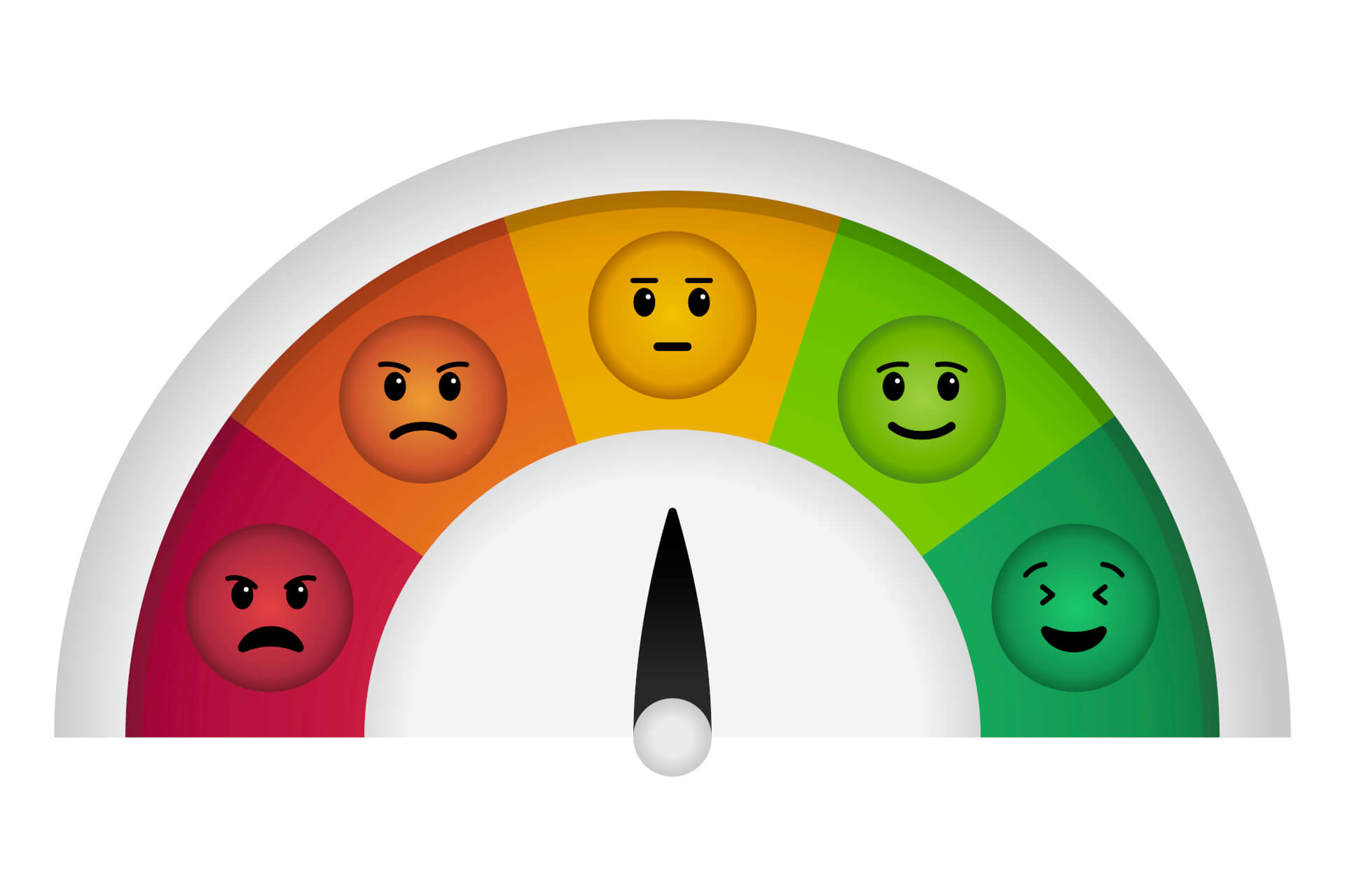 The Net Promoter Score (NPS) is a metric used to measure customer loyalty and satisfaction. It is based on the simple question:
"On a scale of 0-10, how likely are you to recommend our company to a friend or colleague?"
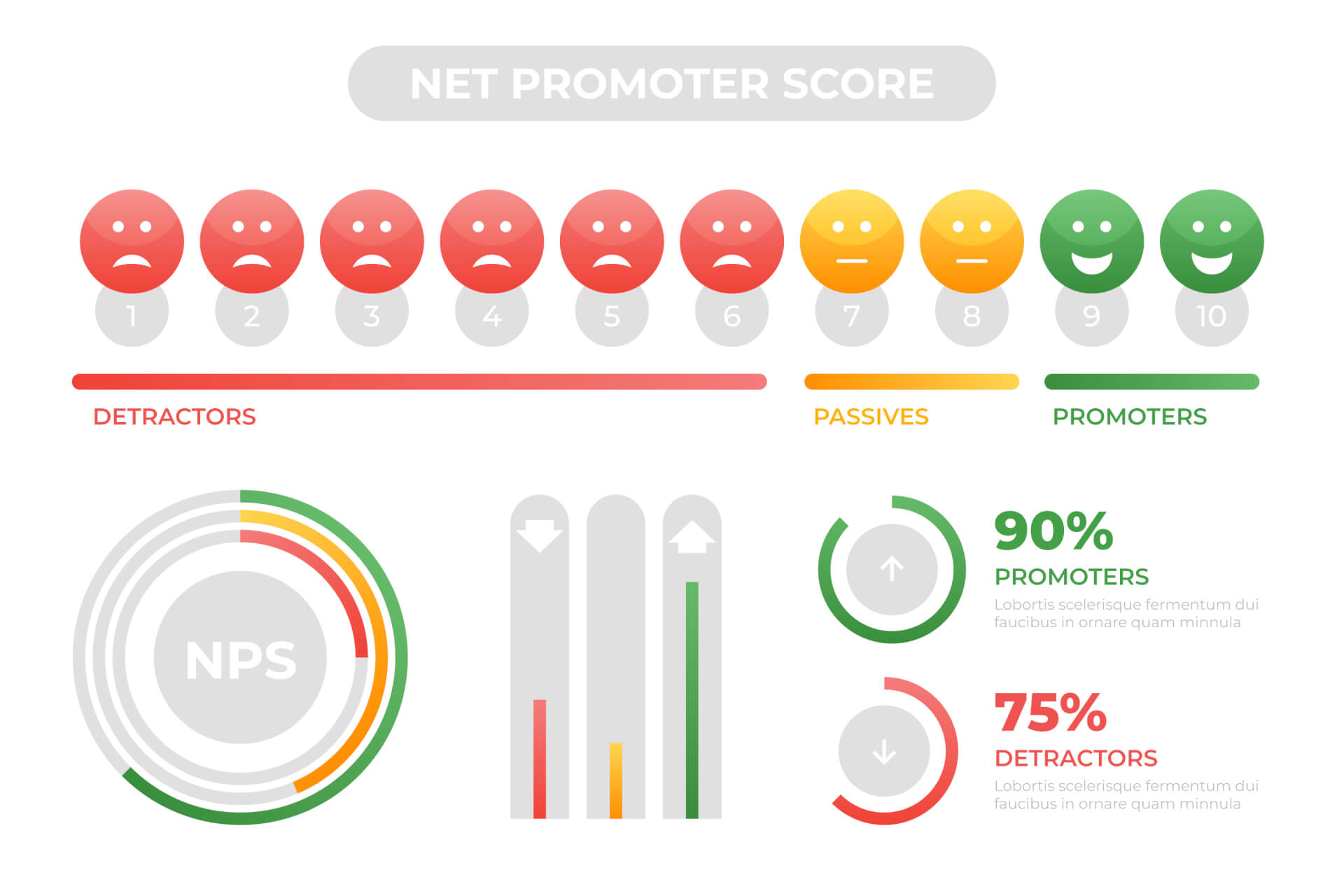
Customers are then categorized into three groups based on their responses: Promoters (9-10), Passives (7-8), and Detractors (0-6).
Why is NPS important?
NPS provides valuable insights into customer satisfaction and loyalty. By tracking your NPS over time, you can identify trends and make informed decisions to improve the customer experience.
Additionally, NPS helps you prioritize your efforts by focusing on the customers who are most likely to recommend your business to others.
How to improve your NPS:

Collect feedback regularly
Make it easy for customers to provide feedback by using surveys, emails, or feedback forms. Regular feedback collection allows you to track changes in customer sentiment and take action accordingly.
Act on feedback
Once you have collected feedback, it's crucial to act on it promptly. Address any issues raised by customers and make improvements to your products or services based on their feedback.
Engage with promoters
Promoters are your most loyal customers who are likely to recommend your business to others. Engage with them by thanking them for their feedback and offering incentives for referrals.
 Convert detractors:
Detractors are customers who are not satisfied with your business.
Reach out to them to understand their concerns and work towards resolving any issues they may have. Converting detractors into promoters can have a significant impact on your NPS.
Monitor trends
Keep track of your NPS score over time and monitor trends to identify areas for improvement.
By analyzing your NPS data, you can make data-driven decisions to enhance the customer experience.
Conclusion
Improving your customer feedback with the NPS is essential for maintaining customer loyalty and driving business growth. By collecting feedback regularly, acting on it, engaging with promoters, converting detractors, and monitoring trends, you can leverage the power of the NPS to enhance the customer experience and drive business success.
Reading recommendation: If this article helped you and you would like to find out more about the Net Promoter Score, continue reading here: “The Net Promoter Score – Basics and Areas of Application”
FAQs
What is a good NPS score?
A good NPS score typically falls between 50-70, with scores above 70 considered excellent.
How often should I collect NPS feedback?
It's recommended to collect NPS feedback on a regular basis, such as quarterly or bi-annually, to track changes in customer sentiment.
Can NPS be used in any industry?
Yes, NPS can be used in any industry to measure customer loyalty and satisfaction.
How can I calculate my NPS score?
To calculate your NPS score, subtract the percentage of detractors from the percentage of promoters.
What are some common mistakes to avoid when using NPS?
Common mistakes to avoid when using NPS include ignoring feedback, not acting on feedback, and focusing solely on the score rather than the underlying issues.