![[EN]](data:image/png;base64,iVBORw0KGgoAAAANSUhEUgAAAB4AAAAUCAYAAACaq43EAAAAGXRFWHRTb2Z0d2FyZQBBZG9iZSBJbWFnZVJlYWR5ccllPAAAAyRpVFh0WE1MOmNvbS5hZG9iZS54bXAAAAAAADw/eHBhY2tldCBiZWdpbj0i77u/IiBpZD0iVzVNME1wQ2VoaUh6cmVTek5UY3prYzlkIj8+IDx4OnhtcG1ldGEgeG1sbnM6eD0iYWRvYmU6bnM6bWV0YS8iIHg6eG1wdGs9IkFkb2JlIFhNUCBDb3JlIDUuMy1jMDExIDY2LjE0NTY2MSwgMjAxMi8wMi8wNi0xNDo1NjoyNyAgICAgICAgIj4gPHJkZjpSREYgeG1sbnM6cmRmPSJodHRwOi8vd3d3LnczLm9yZy8xOTk5LzAyLzIyLXJkZi1zeW50YXgtbnMjIj4gPHJkZjpEZXNjcmlwdGlvbiByZGY6YWJvdXQ9IiIgeG1sbnM6eG1wPSJodHRwOi8vbnMuYWRvYmUuY29tL3hhcC8xLjAvIiB4bWxuczp4bXBNTT0iaHR0cDovL25zLmFkb2JlLmNvbS94YXAvMS4wL21tLyIgeG1sbnM6c3RSZWY9Imh0dHA6Ly9ucy5hZG9iZS5jb20veGFwLzEuMC9zVHlwZS9SZXNvdXJjZVJlZiMiIHhtcDpDcmVhdG9yVG9vbD0iQWRvYmUgUGhvdG9zaG9wIENTNiAoTWFjaW50b3NoKSIgeG1wTU06SW5zdGFuY2VJRD0ieG1wLmlpZDpERTc5MkI3RjE3OEExMUUyQTcxNDlDNEFCRkNENzc2NiIgeG1wTU06RG9jdW1lbnRJRD0ieG1wLmRpZDpERTc5MkI4MDE3OEExMUUyQTcxNDlDNEFCRkNENzc2NiI+IDx4bXBNTTpEZXJpdmVkRnJvbSBzdFJlZjppbnN0YW5jZUlEPSJ4bXAuaWlkOkEyMTE0RjIyMTc4QTExRTJBNzE0OUM0QUJGQ0Q3NzY2IiBzdFJlZjpkb2N1bWVudElEPSJ4bXAuZGlkOkRFNzkyQjdFMTc4QTExRTJBNzE0OUM0QUJGQ0Q3NzY2Ii8+IDwvcmRmOkRlc2NyaXB0aW9uPiA8L3JkZjpSREY+IDwveDp4bXBtZXRhPiA8P3hwYWNrZXQgZW5kPSJyIj8+60cYSwAAAyhJREFUeNrElN1PU3cYxz/tOQUBD/aNymtbUAq2IOiUWXmZA40Iy2BzcW53y7JlyZLtZuE/8NaY7Gbe7WJbdJnTDOdQCbLKrERUotgCSodQ7AsFpK28yKT7rfsL2gv7JCcn+eV3zpPv5/l+H9X2xp65SqtJGfr1Fg3vNPD02SIhfwRniwP3pdvsOVxPaCHGs7+DOA/VJs8crXXEs3P48OfTfMIcU+SRaqlMzm8SNut2VuefIxvyydZIxFbWyX35iviLNZRiPZJaxdLyCkoiQUyc6cwFTPvC9FRkcbJMy7JaTrmxHIuvxaZm5xW7+Jl3NkKRaRt5OVlMjvuoqa9gwr9AgS4PvTYP78hjdtVVEAw9J+Kdxv7Td+hL8tGTeslGg8Jeexk3/riLs62O+cU441NBDjbZGbg+SlNbPYvRF9zzzHCoycFA/yhvCtRqnZbr5a1YEjGm5S2po1ZXfRHVaCTlWLODq24v1eWFGPVbuXH5Dh3vORm88xhziR5zoZ5rl9y0dx/ggS/EzGSQs5Ua3s39h7CUlbri0mKdUGzmijBXqzBXYH4Z931fsmlf7zBvd+wjIigMDI/TcbyRvt+GOSgUZ62uU3S2h8IdRgrTQK1S2T6PyhpZ+aB9LxcF2hpbCUUF27hy4S+Of/wWfUMeykuNVIin9/xNuj9qYWR8juknIc5szNC1voA/DdSypayAhlor57/vp/NEC7OBRfpveek+0cwvP/7JsfedhEWcLg8+pOtkMxfOuTjc5WSrSc+S6ymSQYtGyk5dsVT9/4zbhZmu3Z5IztggXOwSZjvSuZ+hUR9mEan/KAz+PkJb5z7GngSYdXu46T9Ho3EL6ZSKnZ9Fax0W5aFrDNuB6mROA6El7BYTnns+bPt3srK2gV+QcIjIPRLzrxL3ZkLLfB0c40udRCAd1EfFNioxaSG+Sl2NmchSnCKjwh6HBWlzk/rd1uTyMOTn8MbuctRiieyqLKbKbqXs4gSvQmFephOnRCIRFW+F11yyp/3TtD/eSKjYTM4rjcZh110yUZlDPfnVqcwovkppRhRnDrX/2x+UjKDuJXcuE4r/FWAAjBMttNdoYOEAAAAASUVORK5CYII=)
One of the most effective ways to measure customer satisfaction and loyalty is through the Net Promoter Score (NPS) feedback loop. By integrating NPS feedback across teams, organizations can gain valuable insights that drive strategic decision-making and improve overall customer experience.
Introduction

What is the NPS Feedback Loop?
The NPS feedback loop is a system that allows companies to collect, analyze, and act on customer feedback to improve customer satisfaction and loyalty.
It consists of three main components: collecting feedback, analyzing feedback data, and taking action based on the insights gained.
Why is NPS Feedback Important?
NPS feedback provides organizations with a clear metric to measure customer satisfaction and loyalty. By understanding how likely customers are to recommend their products or services, companies can identify areas for improvement and prioritize initiatives that drive customer retention and growth.
How to Integrate NPS Feedback Across Teams
Integrating NPS feedback across teams involves sharing feedback data, collaborating on action plans, and aligning goals to improve the overall customer experience. By breaking down silos and fostering a culture of customer-centricity, organizations can leverage NPS feedback to drive cross-functional collaboration and innovation.
Understanding NPS Feedback
What is Net Promoter Score (NPS)?
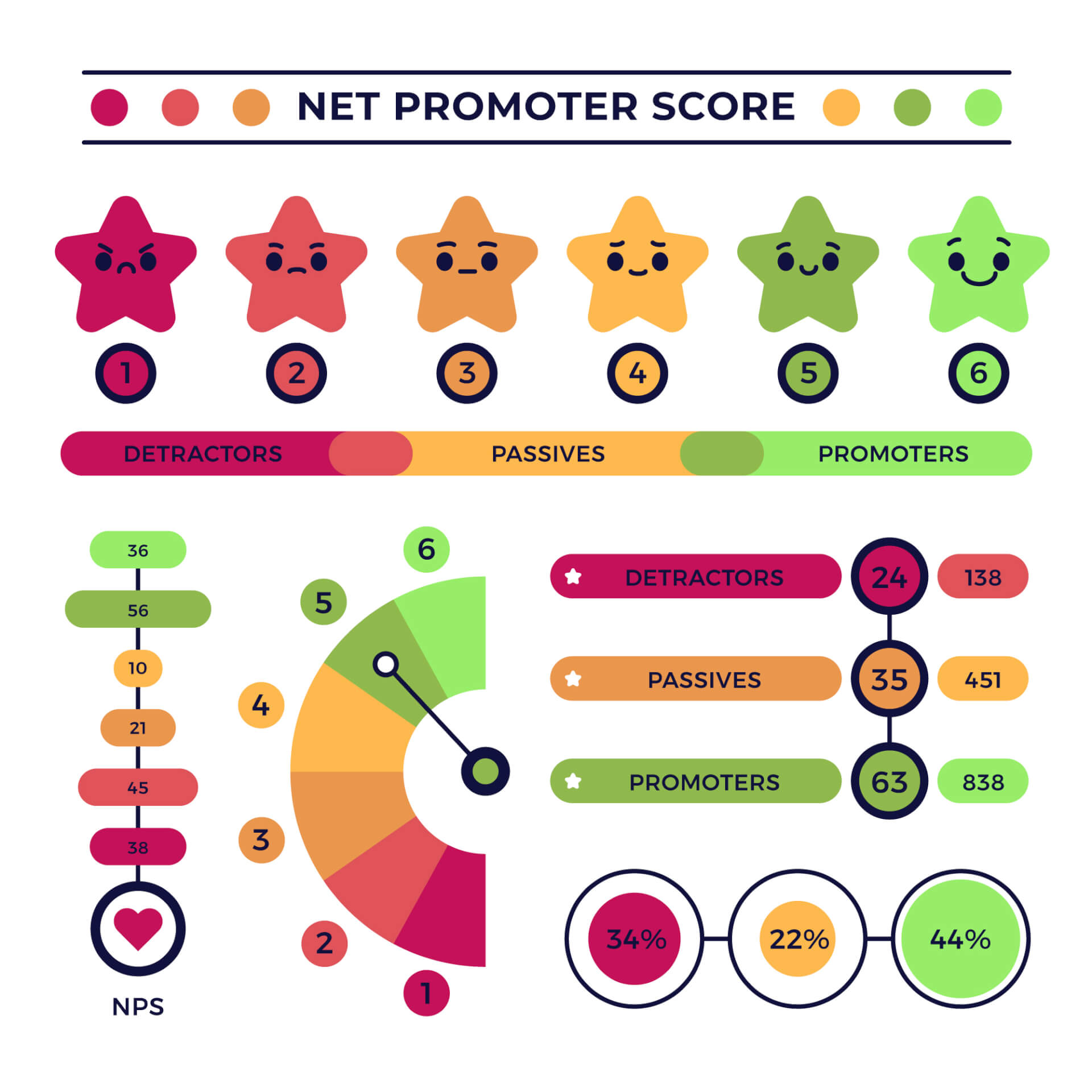
Net Promoter Score (NPS) is a customer loyalty metric that measures how likely customers are to recommend a company to others. It is calculated based on a single question:
"How likely are you to recommend our product/service to a friend or colleague?"
Customers are then classified as promoters, passives, or detractors based on their responses.
How to Collect NPS Feedback
There are several ways to collect NPS feedback, including surveys, email campaigns, and in-app feedback forms. Organizations can also leverage social media and review platforms to gather feedback from a wider audience. It is essential to make the feedback process simple, transparent, and easily accessible to customers.
Analyzing NPS Feedback Data
Once NPS feedback is collected, organizations must analyze the data to identify trends, patterns, and areas for improvement. By segmenting feedback by customer demographics, product/service usage, and satisfaction levels, companies can gain deeper insights into customer preferences and sentiments.
Implementing NPS Feedback Across Teams

Sharing NPS Feedback with Sales Team
The sales team plays a crucial role in converting satisfied customers into brand advocates. By sharing NPS feedback with the sales team, organizations can align sales strategies with customer preferences, address potential issues proactively, and leverage positive feedback to drive referrals and repeat business.
Incorporating NPS Feedback into Product Development
NPS feedback provides valuable insights for product development teams to prioritize features, improve usability, and enhance overall customer experience. By incorporating customer feedback into the product development lifecycle, organizations can create products that meet customer needs and exceed expectations.
Using NPS Feedback for Customer Support Improvement
Customer support teams can leverage NPS feedback to identify pain points, address customer issues promptly, and optimize support processes. By monitoring NPS scores and customer feedback trends, support teams can proactively resolve issues, improve response times, and deliver exceptional customer service.
Tools for NPS Feedback Integration

NPS Software Solutions
There are various NPS software solutions available that automate the feedback collection, analysis, and reporting process. These tools provide organizations with real-time insights, customizable dashboards, and benchmarking capabilities to track NPS scores and customer satisfaction metrics.
CRM Integration for NPS Feedback
Integrating NPS feedback with customer relationship management (CRM) systems allows organizations to centralize customer data, track customer interactions, and personalize communication based on feedback.
By syncing NPS data with CRM platforms, organizations can create a unified view of the customer journey and tailor experiences to individual preferences.
Automating NPS Feedback Processes
Automation tools can streamline the NPS feedback process by triggering surveys, sending follow-up emails, and generating reports automatically. By automating repetitive tasks, organizations can focus on analyzing feedback data, implementing action plans, and driving continuous improvement across teams.

Recommended reading: Our blog article "Using Callexa NPS and Feedback Loops for Continuous Improvement" describes how to implement this in practice with our NPS tool.
Best Practices for NPS Feedback Integration
Setting Clear Objectives
Before integrating NPS feedback across teams, organizations must define clear objectives, KPIs, and success metrics. By aligning goals with business outcomes, teams can prioritize initiatives, measure progress, and drive accountability for delivering exceptional customer experiences.
Regularly Reviewing NPS Feedback
To ensure the effectiveness of NPS feedback integration, organizations must regularly review feedback data, analyze trends, and identify areas for improvement. By conducting regular feedback sessions, organizations can stay agile, responsive, and customer-centric in their approach to feedback management.
Closing the Loop with Customers
Closing the loop with customers involves following up on feedback, addressing customer concerns, and communicating action plans. By actively engaging with customers, organizations can demonstrate their commitment to continuous improvement, build trust and loyalty, and turn detractors into promoters.
Conclusion
In conclusion, integrating NPS feedback across teams is essential for making feedback actionable, driving strategic decision-making, and improving overall customer experience. By leveraging NPS feedback to align teams, prioritize initiatives, and drive cross-functional collaboration, organizations can create a customer-centric culture that fosters innovation and growth.
FAQs
How can NPS feedback benefit different teams within an organization?
NPS feedback provides valuable insights for sales, product development, and customer support teams to align strategies, prioritize initiatives, and drive customer-centric decision-making.
What are the common challenges in integrating NPS feedback across teams?
Common challenges in integrating NPS feedback across teams include siloed data, lack of communication, and resistance to change. By fostering a culture of collaboration and transparency, organizations can overcome these challenges and drive cross-functional alignment.
How can automation help streamline the NPS feedback process?
Automation tools can streamline the NPS feedback process by triggering surveys, analyzing data, and generating reports automatically. By automating repetitive tasks, organizations can save time, improve efficiency, and focus on driving actionable insights from feedback data.
What role does data analysis play in making NPS feedback actionable?
Data analysis plays a crucial role in making NPS feedback actionable by identifying trends, patterns, and areas for improvement. By analyzing feedback data, organizations can gain deeper insights, prioritize initiatives, and drive strategic decision-making based on customer preferences and sentiments.
How can companies ensure a consistent approach to NPS feedback integration?
Companies can ensure a consistent approach to NPS feedback integration by defining clear objectives, establishing KPIs, and fostering a culture of continuous improvement. By aligning teams, setting expectations, and communicating action plans, organizations can create a standardized approach to feedback management that drives customer satisfaction and loyalty.