![[EN]](data:image/png;base64,iVBORw0KGgoAAAANSUhEUgAAAB4AAAAUCAYAAACaq43EAAAAGXRFWHRTb2Z0d2FyZQBBZG9iZSBJbWFnZVJlYWR5ccllPAAAAyRpVFh0WE1MOmNvbS5hZG9iZS54bXAAAAAAADw/eHBhY2tldCBiZWdpbj0i77u/IiBpZD0iVzVNME1wQ2VoaUh6cmVTek5UY3prYzlkIj8+IDx4OnhtcG1ldGEgeG1sbnM6eD0iYWRvYmU6bnM6bWV0YS8iIHg6eG1wdGs9IkFkb2JlIFhNUCBDb3JlIDUuMy1jMDExIDY2LjE0NTY2MSwgMjAxMi8wMi8wNi0xNDo1NjoyNyAgICAgICAgIj4gPHJkZjpSREYgeG1sbnM6cmRmPSJodHRwOi8vd3d3LnczLm9yZy8xOTk5LzAyLzIyLXJkZi1zeW50YXgtbnMjIj4gPHJkZjpEZXNjcmlwdGlvbiByZGY6YWJvdXQ9IiIgeG1sbnM6eG1wPSJodHRwOi8vbnMuYWRvYmUuY29tL3hhcC8xLjAvIiB4bWxuczp4bXBNTT0iaHR0cDovL25zLmFkb2JlLmNvbS94YXAvMS4wL21tLyIgeG1sbnM6c3RSZWY9Imh0dHA6Ly9ucy5hZG9iZS5jb20veGFwLzEuMC9zVHlwZS9SZXNvdXJjZVJlZiMiIHhtcDpDcmVhdG9yVG9vbD0iQWRvYmUgUGhvdG9zaG9wIENTNiAoTWFjaW50b3NoKSIgeG1wTU06SW5zdGFuY2VJRD0ieG1wLmlpZDpERTc5MkI3RjE3OEExMUUyQTcxNDlDNEFCRkNENzc2NiIgeG1wTU06RG9jdW1lbnRJRD0ieG1wLmRpZDpERTc5MkI4MDE3OEExMUUyQTcxNDlDNEFCRkNENzc2NiI+IDx4bXBNTTpEZXJpdmVkRnJvbSBzdFJlZjppbnN0YW5jZUlEPSJ4bXAuaWlkOkEyMTE0RjIyMTc4QTExRTJBNzE0OUM0QUJGQ0Q3NzY2IiBzdFJlZjpkb2N1bWVudElEPSJ4bXAuZGlkOkRFNzkyQjdFMTc4QTExRTJBNzE0OUM0QUJGQ0Q3NzY2Ii8+IDwvcmRmOkRlc2NyaXB0aW9uPiA8L3JkZjpSREY+IDwveDp4bXBtZXRhPiA8P3hwYWNrZXQgZW5kPSJyIj8+60cYSwAAAyhJREFUeNrElN1PU3cYxz/tOQUBD/aNymtbUAq2IOiUWXmZA40Iy2BzcW53y7JlyZLtZuE/8NaY7Gbe7WJbdJnTDOdQCbLKrERUotgCSodQ7AsFpK28yKT7rfsL2gv7JCcn+eV3zpPv5/l+H9X2xp65SqtJGfr1Fg3vNPD02SIhfwRniwP3pdvsOVxPaCHGs7+DOA/VJs8crXXEs3P48OfTfMIcU+SRaqlMzm8SNut2VuefIxvyydZIxFbWyX35iviLNZRiPZJaxdLyCkoiQUyc6cwFTPvC9FRkcbJMy7JaTrmxHIuvxaZm5xW7+Jl3NkKRaRt5OVlMjvuoqa9gwr9AgS4PvTYP78hjdtVVEAw9J+Kdxv7Td+hL8tGTeslGg8Jeexk3/riLs62O+cU441NBDjbZGbg+SlNbPYvRF9zzzHCoycFA/yhvCtRqnZbr5a1YEjGm5S2po1ZXfRHVaCTlWLODq24v1eWFGPVbuXH5Dh3vORm88xhziR5zoZ5rl9y0dx/ggS/EzGSQs5Ua3s39h7CUlbri0mKdUGzmijBXqzBXYH4Z931fsmlf7zBvd+wjIigMDI/TcbyRvt+GOSgUZ62uU3S2h8IdRgrTQK1S2T6PyhpZ+aB9LxcF2hpbCUUF27hy4S+Of/wWfUMeykuNVIin9/xNuj9qYWR8juknIc5szNC1voA/DdSypayAhlor57/vp/NEC7OBRfpveek+0cwvP/7JsfedhEWcLg8+pOtkMxfOuTjc5WSrSc+S6ymSQYtGyk5dsVT9/4zbhZmu3Z5IztggXOwSZjvSuZ+hUR9mEan/KAz+PkJb5z7GngSYdXu46T9Ho3EL6ZSKnZ9Fax0W5aFrDNuB6mROA6El7BYTnns+bPt3srK2gV+QcIjIPRLzrxL3ZkLLfB0c40udRCAd1EfFNioxaSG+Sl2NmchSnCKjwh6HBWlzk/rd1uTyMOTn8MbuctRiieyqLKbKbqXs4gSvQmFephOnRCIRFW+F11yyp/3TtD/eSKjYTM4rjcZh110yUZlDPfnVqcwovkppRhRnDrX/2x+UjKDuJXcuE4r/FWAAjBMttNdoYOEAAAAASUVORK5CYII=)
 Companies are constantly seeking ways to gain insights into customer behavior, preferences, and satisfaction levels. Net Promoter Score (NPS) and Customer Relationship Management (CRM) are two powerful tools that can help businesses achieve this goal. By synchronizing NPS with CRM data, companies can gain a deeper understanding of their customers and make more informed business decisions.
In this article, we will explore the benefits of integrating NPS with CRM data, why it is essential for businesses, and how to successfully implement this integration. We will also discuss common challenges faced when synchronizing NPS with CRM and provide real-world examples of companies that have successfully leveraged this approach.
Additionally, we will outline best practices for maximizing the value of NPS and CRM data to enhance customer relationships and drive business growth.
Understanding NPS and CRM
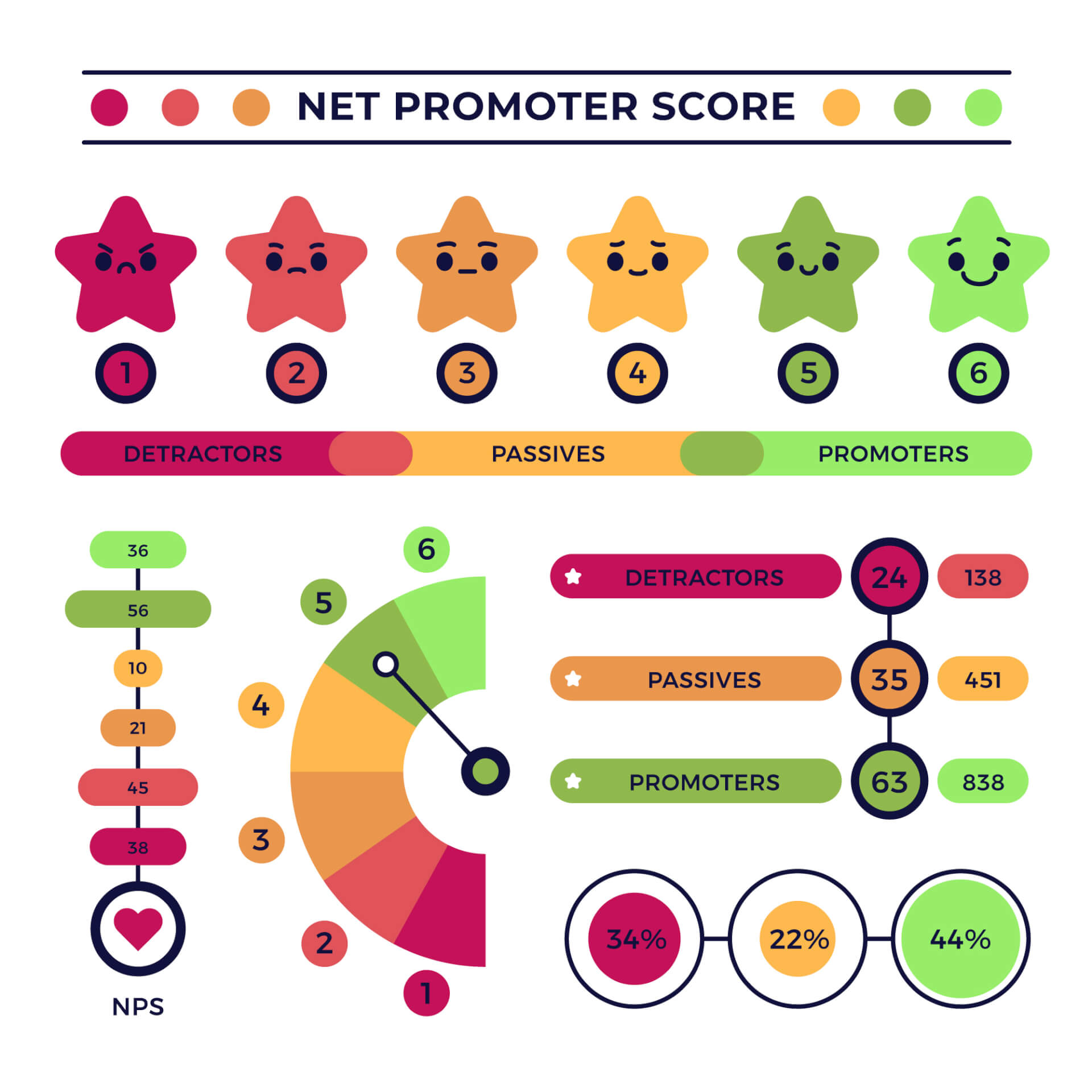
What is Net Promoter Score (NPS)?
Net Promoter Score (NPS) is a metric used to measure customer loyalty and satisfaction. It is based on the simple question:
"How likely are you to recommend our product/service to a friend or colleague?"
Customers are then categorized into Promoters, Passives, or Detractors based on their responses.
NPS provides businesses with valuable insights into customer sentiment and helps identify areas for improvement.
What is Customer Relationship Management (CRM)?
Customer Relationship Management (CRM) is a technology that enables businesses to manage interactions with current and potential customers. CRM systems store customer data, track sales activities, and facilitate personalized communication. By centralizing customer information, businesses can improve customer engagement, streamline processes, and drive sales growth.
Benefits of NPS and CRM Integration
Integrating NPS with CRM data offers several benefits for businesses. By combining customer feedback from NPS surveys with CRM data, companies can create a more comprehensive view of their customers. This integrated approach allows businesses to personalize customer interactions, identify at-risk customers, and measure the impact of customer satisfaction on key business metrics.
The Importance of Synchronizing NPS with CRM Data

Enhancing Customer Insights
Synchronizing NPS with CRM data enables businesses to gain deeper insights into customer behavior and preferences.
By analyzing NPS feedback alongside CRM data such as purchase history and interaction logs, companies can identify trends, patterns, and correlations that provide a holistic view of the customer journey.
This enhanced understanding allows businesses to tailor their products and services to meet customer needs more effectively.
Improving Customer Experience
Integrating NPS with CRM data helps businesses deliver a more personalized and seamless customer experience. By tracking NPS scores and customer interactions in the CRM system, companies can proactively address customer issues, anticipate needs, and provide timely support. This proactive approach not only enhances customer satisfaction but also fosters loyalty and long-term relationships.
Driving Business Growth
Synchronizing NPS with CRM data can have a significant impact on business growth. By leveraging customer feedback and data insights, companies can identify opportunities for upselling, cross-selling, and customer retention. This data-driven approach enables businesses to make informed decisions, optimize their marketing strategies, and ultimately increase revenue and profitability.
How to Successfully Integrate NPS with CRM

Choosing the Right Tools
When integrating NPS with CRM data, it is essential to choose the right tools and technologies that align with your business goals. Look for CRM systems that offer built-in NPS survey capabilities or integrate seamlessly with third-party survey tools.
Consider factors such as data security, scalability, and ease of use when selecting the tools for NPS and CRM integration.
Data Collection and Analysis
Collecting and analyzing NPS data in conjunction with CRM data requires a structured approach. Develop a data collection strategy that captures NPS feedback at key touchpoints in the customer journey.
Use CRM analytics tools to segment customers based on their NPS scores and behavior, allowing you to target specific customer segments with personalized offers and communications.
Implementing Actionable Strategies
To derive maximum value from NPS and CRM integration, it is crucial to implement actionable strategies based on the insights gained. Use NPS feedback to identify areas for improvement and prioritize initiatives that will have the most significant impact on customer satisfaction. Monitor key performance indicators (KPIs) related to NPS and CRM data to track progress and adjust strategies as needed.
Common Challenges and Solutions

Data Security and Privacy Concerns
One common challenge when synchronizing NPS with CRM data is ensuring data security and privacy compliance.
To address this challenge, implement robust data protection measures, such as encryption, access controls, and regular audits. Obtain customer consent for data collection and use transparent communication to build trust and confidence in your data handling practices.
Lack of Employee Buy-In
Another challenge is gaining employee buy-in and adoption of NPS and CRM integration initiatives. To overcome this challenge, provide training and resources to educate employees on the benefits of data integration.
Foster a culture of data-driven decision-making and encourage cross-functional collaboration to ensure alignment and support for NPS and CRM initiatives.
Integration Issues
Integrating NPS with CRM systems can be complex and may require technical expertise. To address integration issues, work closely with IT and data management teams to ensure seamless data flow between systems. Conduct thorough testing and validation to identify and resolve any integration challenges before full implementation.
Examples of NPS and CRM Integration

Transforming Customer Relationships
Our first example company successfully integrated NPS with CRM data to transform customer relationships. By analyzing NPS feedback and CRM data, the Company identified customer pain points, improved service delivery, and personalized customer interactions. This integrated approach resulted in increased customer satisfaction, loyalty, and repeat business.
Increasing Customer Loyalty
Our second example Company leveraged NPS and CRM integration to increase customer loyalty and retention. By tracking NPS scores and customer interactions in their CRM system, the Company identified high-value customers, addressed their needs proactively, and tailored marketing campaigns to target specific customer segments. This personalized approach led to higher customer engagement and loyalty.
Boosting Revenue through Data Insights
Our third example Company used NPS and CRM data integration to drive revenue growth through data insights. By analyzing NPS feedback and CRM data, the Company identified cross-selling opportunities, optimized pricing strategies, and targeted customer segments with personalized offers. This data-driven approach resulted in increased sales, customer satisfaction, and overall business performance.
Best Practices for Leveraging NPS and CRM Data

Personalizing Customer Interactions
Personalization is key to leveraging NPS and CRM data effectively. Use customer insights from NPS feedback and CRM data to personalize communication, offers, and service delivery. Tailor your marketing messages to specific customer segments, anticipate their needs, and provide a seamless and personalized experience at every touchpoint.
Proactive Customer Service
Proactive customer service is essential for building strong customer relationships. Use NPS feedback and CRM data to anticipate customer issues, address concerns proactively, and provide timely support. Implement customer service automation tools to streamline processes and ensure consistent and efficient service delivery across all channels.
Continuous Monitoring and Improvement
Continuous monitoring and improvement are critical for maximizing the value of NPS and CRM data. Regularly review NPS scores, customer feedback, and CRM analytics to identify trends, patterns, and areas for improvement. Use this data to refine your strategies, optimize customer interactions, and drive continuous improvement in customer satisfaction and loyalty.
Conclusion
In conclusion, synchronizing NPS with CRM data offers businesses a smarter way to understand their customers and drive business growth. By integrating NPS feedback with CRM data, companies can gain deeper insights into customer behavior, improve customer experience, and make data-driven decisions that enhance customer relationships. By following best practices and overcoming common challenges, businesses can successfully leverage NPS and CRM data to optimize customer interactions and achieve long-term success.
FAQ
How can integrating NPS with CRM data benefit my business?
Integrating NPS with CRM data can benefit your business by providing deeper insights into customer behavior, improving customer experience, and driving business growth through data-driven decision-making.
What are the common challenges faced when synchronizing NPS with CRM data?
Common challenges include data security and privacy concerns, lack of employee buy-in, and integration issues. These challenges can be overcome through robust data protection measures, employee training, and close collaboration between IT and data management teams.
How can businesses choose the right tools for NPS and CRM integration?
When choosing tools for NPS and CRM integration, consider factors such as data security, scalability, and ease of use. Look for CRM systems that offer built-in NPS survey capabilities or integrate seamlessly with third-party survey tools.
What are some best practices for leveraging NPS and CRM data?
Best practices include personalizing customer interactions, proactive customer service, and continuous monitoring and improvement. Use customer insights from NPS feedback and CRM data to tailor your marketing messages, address customer issues proactively, and drive continuous improvement in customer satisfaction.
Can you provide examples of companies that have successfully leveraged NPS and CRM integration?
Companies like Company A, Company B, and Company C have successfully leveraged NPS and CRM integration to transform customer relationships, increase customer loyalty, and boost revenue through data insights. These real-world examples demonstrate the tangible benefits of synchronizing NPS with CRM data for business success.