![[EN]](data:image/png;base64,iVBORw0KGgoAAAANSUhEUgAAAB4AAAAUCAYAAACaq43EAAAAGXRFWHRTb2Z0d2FyZQBBZG9iZSBJbWFnZVJlYWR5ccllPAAAAyRpVFh0WE1MOmNvbS5hZG9iZS54bXAAAAAAADw/eHBhY2tldCBiZWdpbj0i77u/IiBpZD0iVzVNME1wQ2VoaUh6cmVTek5UY3prYzlkIj8+IDx4OnhtcG1ldGEgeG1sbnM6eD0iYWRvYmU6bnM6bWV0YS8iIHg6eG1wdGs9IkFkb2JlIFhNUCBDb3JlIDUuMy1jMDExIDY2LjE0NTY2MSwgMjAxMi8wMi8wNi0xNDo1NjoyNyAgICAgICAgIj4gPHJkZjpSREYgeG1sbnM6cmRmPSJodHRwOi8vd3d3LnczLm9yZy8xOTk5LzAyLzIyLXJkZi1zeW50YXgtbnMjIj4gPHJkZjpEZXNjcmlwdGlvbiByZGY6YWJvdXQ9IiIgeG1sbnM6eG1wPSJodHRwOi8vbnMuYWRvYmUuY29tL3hhcC8xLjAvIiB4bWxuczp4bXBNTT0iaHR0cDovL25zLmFkb2JlLmNvbS94YXAvMS4wL21tLyIgeG1sbnM6c3RSZWY9Imh0dHA6Ly9ucy5hZG9iZS5jb20veGFwLzEuMC9zVHlwZS9SZXNvdXJjZVJlZiMiIHhtcDpDcmVhdG9yVG9vbD0iQWRvYmUgUGhvdG9zaG9wIENTNiAoTWFjaW50b3NoKSIgeG1wTU06SW5zdGFuY2VJRD0ieG1wLmlpZDpERTc5MkI3RjE3OEExMUUyQTcxNDlDNEFCRkNENzc2NiIgeG1wTU06RG9jdW1lbnRJRD0ieG1wLmRpZDpERTc5MkI4MDE3OEExMUUyQTcxNDlDNEFCRkNENzc2NiI+IDx4bXBNTTpEZXJpdmVkRnJvbSBzdFJlZjppbnN0YW5jZUlEPSJ4bXAuaWlkOkEyMTE0RjIyMTc4QTExRTJBNzE0OUM0QUJGQ0Q3NzY2IiBzdFJlZjpkb2N1bWVudElEPSJ4bXAuZGlkOkRFNzkyQjdFMTc4QTExRTJBNzE0OUM0QUJGQ0Q3NzY2Ii8+IDwvcmRmOkRlc2NyaXB0aW9uPiA8L3JkZjpSREY+IDwveDp4bXBtZXRhPiA8P3hwYWNrZXQgZW5kPSJyIj8+60cYSwAAAyhJREFUeNrElN1PU3cYxz/tOQUBD/aNymtbUAq2IOiUWXmZA40Iy2BzcW53y7JlyZLtZuE/8NaY7Gbe7WJbdJnTDOdQCbLKrERUotgCSodQ7AsFpK28yKT7rfsL2gv7JCcn+eV3zpPv5/l+H9X2xp65SqtJGfr1Fg3vNPD02SIhfwRniwP3pdvsOVxPaCHGs7+DOA/VJs8crXXEs3P48OfTfMIcU+SRaqlMzm8SNut2VuefIxvyydZIxFbWyX35iviLNZRiPZJaxdLyCkoiQUyc6cwFTPvC9FRkcbJMy7JaTrmxHIuvxaZm5xW7+Jl3NkKRaRt5OVlMjvuoqa9gwr9AgS4PvTYP78hjdtVVEAw9J+Kdxv7Td+hL8tGTeslGg8Jeexk3/riLs62O+cU441NBDjbZGbg+SlNbPYvRF9zzzHCoycFA/yhvCtRqnZbr5a1YEjGm5S2po1ZXfRHVaCTlWLODq24v1eWFGPVbuXH5Dh3vORm88xhziR5zoZ5rl9y0dx/ggS/EzGSQs5Ua3s39h7CUlbri0mKdUGzmijBXqzBXYH4Z931fsmlf7zBvd+wjIigMDI/TcbyRvt+GOSgUZ62uU3S2h8IdRgrTQK1S2T6PyhpZ+aB9LxcF2hpbCUUF27hy4S+Of/wWfUMeykuNVIin9/xNuj9qYWR8juknIc5szNC1voA/DdSypayAhlor57/vp/NEC7OBRfpveek+0cwvP/7JsfedhEWcLg8+pOtkMxfOuTjc5WSrSc+S6ymSQYtGyk5dsVT9/4zbhZmu3Z5IztggXOwSZjvSuZ+hUR9mEan/KAz+PkJb5z7GngSYdXu46T9Ho3EL6ZSKnZ9Fax0W5aFrDNuB6mROA6El7BYTnns+bPt3srK2gV+QcIjIPRLzrxL3ZkLLfB0c40udRCAd1EfFNioxaSG+Sl2NmchSnCKjwh6HBWlzk/rd1uTyMOTn8MbuctRiieyqLKbKbqXs4gSvQmFephOnRCIRFW+F11yyp/3TtD/eSKjYTM4rjcZh110yUZlDPfnVqcwovkppRhRnDrX/2x+UjKDuJXcuE4r/FWAAjBMttNdoYOEAAAAASUVORK5CYII=)
Net Promoter Score (NPS) is a powerful tool that helps companies gauge customer loyalty and satisfaction. However, simply collecting NPS data is not enough. To truly harness the value of NPS, organizations must be adept at interpreting the data and extracting actionable insights.
 In this comprehensive guide, we will delve into the world of NPS data interpretation, exploring its significance, best practices, common pitfalls, and future trends.
Importance of NPS Data Interpretation
Identifying Promoters, Passives, and Detractors
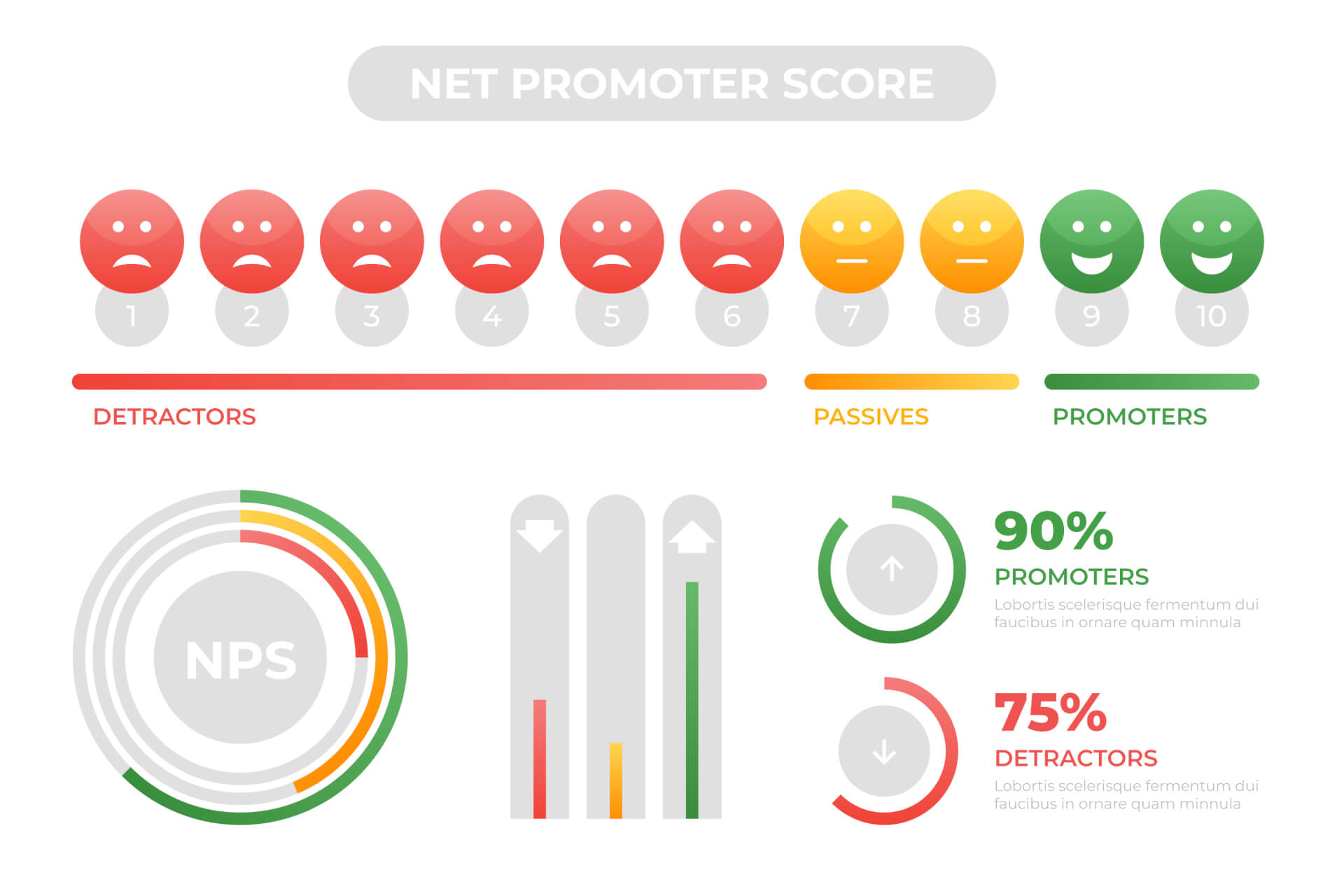
One of the key benefits of NPS data interpretation is the ability to identify different customer segments based on their loyalty levels. Promoters are loyal enthusiasts who are likely to recommend the company to others, while Detractors are dissatisfied customers who may harm the company's reputation. Passives fall in between, lacking strong advocacy or criticism.
Analyzing Trends Over Time
By tracking NPS scores over time, organizations can gain valuable insights into customer sentiment trends. Understanding how NPS fluctuates in response to business initiatives, product changes, or external factors can help companies make informed decisions and course corrections.
Benchmarking Against Competitors
Comparing NPS scores with industry benchmarks and competitors' scores provides valuable context for interpreting NPS data. By understanding how their NPS performance stacks up against others in the market, companies can identify areas for improvement and set realistic goals for growth.
Strategies for Effective NPS Data Interpretation

Segmenting Data for Deeper Insights
Segmenting NPS data based on customer demographics, purchase behavior, or interaction history can reveal hidden patterns and preferences.
By analyzing NPS scores within specific customer segments, organizations can tailor their strategies to meet the unique needs of different customer groups.
Using Qualitative Feedback to Enhance Understanding
While NPS scores provide a quantitative measure of customer loyalty, qualitative feedback offers valuable context and insights.
By analyzing open-ended survey responses, comments, and suggestions, companies can uncover the root causes of customer satisfaction or dissatisfaction and take targeted actions to address them.
Implementing Actionable Changes Based on NPS Data
The ultimate goal of NPS data interpretation is to drive meaningful change and improvement within the organization. By translating NPS insights into actionable strategies, companies can enhance customer experience, build loyalty, and ultimately drive business growth.
Common Mistakes in NPS Data Interpretation

Ignoring Contextual Factors
One common pitfall in NPS data interpretation is failing to consider the broader context in which scores are generated. Factors such as seasonality, market trends, or competitive landscape can influence NPS scores and should be taken into account when analyzing the data.
Focusing Solely on the Score
While the NPS score is a valuable metric, it is essential to look beyond the number and delve deeper into the underlying reasons for customer sentiment. Understanding the drivers of NPS, such as product quality, customer service, or brand reputation, is key to making informed decisions based on the data.
Overlooking the Voice of the Customer
In the quest for data-driven insights, organizations may overlook the importance of listening to the voice of the customer. Engaging with customers directly, soliciting feedback, and fostering a customer-centric culture are essential for interpreting NPS data in a meaningful way.
Tools and Technologies for NPS Data Analysis

NPS Survey Platforms
Numerous survey platforms offer NPS measurement tools that simplify the process of collecting and analyzing customer feedback.
These platforms provide customizable survey templates, real-time reporting, and data visualization capabilities to help organizations make sense of their NPS data.
Data Visualization Tools
Data visualization tools such as Tableau, Power BI, or Google Data Studio can help transform raw NPS data into meaningful insights. By creating interactive dashboards, charts, and graphs, organizations can visually represent their NPS scores and trends for better decision-making.
Customer Relationship Management (CRM) Systems
Integrating NPS data with CRM systems allows companies to link customer feedback with individual profiles, interactions, and purchase history. By centralizing customer data and NPS scores in a single platform, organizations can gain a holistic view of customer sentiment and behavior.
Case Studies: Successful NPS Data Interpretation

Leveraging NPS to Drive Customer Loyalty
The Company in our first example implemented a comprehensive NPS program that included regular surveys, data analysis, and action planning. By segmenting NPS data based on customer profiles and feedback themes, the company identified key areas for improvement and implemented targeted initiatives to enhance customer satisfaction. As a result, the company saw a significant increase in NPS scores and customer loyalty metrics.
Improving Product Development with NPS Insights
Our second example company integrated NPS data into its product development process to gather direct feedback from customers on new features and enhancements. By analyzing NPS scores alongside product usage data and customer feedback, the company was able to prioritize product improvements that resonated with customers and drove higher satisfaction levels.
Future Trends in NPS Data Interpretation

AI and Machine Learning in NPS Analysis
The adoption of AI and machine learning technologies is poised to revolutionize NPS data interpretation.
By leveraging advanced analytics and predictive modeling, organizations can uncover hidden patterns, predict customer behavior, and personalize NPS surveys for greater accuracy and relevance.
Personalization and Customization of NPS Surveys
As customer expectations continue to evolve, personalized and customized NPS surveys are becoming increasingly important.
By tailoring survey questions, formats, and timing to individual preferences, organizations can enhance survey response rates and gather more actionable feedback from customers.
Integration of NPS Data with Other Customer Metrics
To gain a holistic view of customer sentiment and behavior, organizations are increasingly integrating NPS data with other customer metrics such as Customer Satisfaction Score (CSAT), Customer Effort Score (CES), and Lifetime Value (LTV). By combining multiple data sources, companies can create a more comprehensive customer feedback loop and drive data-driven decision-making.
Conclusion
In conclusion, NPS data interpretation is a critical skill for organizations looking to drive customer loyalty, satisfaction, and growth. By understanding the nuances of NPS scores, segmenting data for deeper insights, and translating feedback into actionable strategies, companies can unlock the full potential of NPS as a powerful tool for business success.
Reading recommendation: If this article helped you and you would like to find out more about the Net Promoter Score, continue reading here: “The Net Promoter Score – Basics and Areas of Application”
FAQs
How often should companies collect NPS data?
It is recommended that companies collect NPS data on a regular basis to track customer sentiment over time and identify trends. The frequency of NPS surveys may vary depending on the industry, business model, and customer interaction points.
What is the difference between NPS and other customer satisfaction metrics?
While NPS measures customer loyalty and advocacy, other metrics such as CSAT and CES focus on satisfaction levels and ease of customer interactions. Each metric provides unique insights into different aspects of the customer experience.
How can organizations encourage customers to participate in NPS surveys?
To increase survey response rates, organizations can offer incentives, personalize survey invitations, and ensure that surveys are brief, relevant, and easy to complete. Engaging with customers through multiple channels and touchpoints can also encourage participation.
How should companies prioritize action items based on NPS data?
When prioritizing action items based on NPS data, companies should focus on addressing root causes of customer dissatisfaction, identifying quick wins for improvement, and aligning initiatives with strategic business goals. It is essential to involve cross-functional teams in the action planning process to drive accountability and collaboration.
What role does leadership play in driving NPS data interpretation?
Leadership plays a crucial role in championing a customer-centric culture, setting clear goals for NPS improvement, and fostering a data-driven mindset within the organization. By demonstrating a commitment to listening to customer feedback and acting on NPS insights, leaders can inspire teams to prioritize customer satisfaction and drive continuous improvement.