![[EN]](data:image/png;base64,iVBORw0KGgoAAAANSUhEUgAAAB4AAAAUCAYAAACaq43EAAAAGXRFWHRTb2Z0d2FyZQBBZG9iZSBJbWFnZVJlYWR5ccllPAAAAyRpVFh0WE1MOmNvbS5hZG9iZS54bXAAAAAAADw/eHBhY2tldCBiZWdpbj0i77u/IiBpZD0iVzVNME1wQ2VoaUh6cmVTek5UY3prYzlkIj8+IDx4OnhtcG1ldGEgeG1sbnM6eD0iYWRvYmU6bnM6bWV0YS8iIHg6eG1wdGs9IkFkb2JlIFhNUCBDb3JlIDUuMy1jMDExIDY2LjE0NTY2MSwgMjAxMi8wMi8wNi0xNDo1NjoyNyAgICAgICAgIj4gPHJkZjpSREYgeG1sbnM6cmRmPSJodHRwOi8vd3d3LnczLm9yZy8xOTk5LzAyLzIyLXJkZi1zeW50YXgtbnMjIj4gPHJkZjpEZXNjcmlwdGlvbiByZGY6YWJvdXQ9IiIgeG1sbnM6eG1wPSJodHRwOi8vbnMuYWRvYmUuY29tL3hhcC8xLjAvIiB4bWxuczp4bXBNTT0iaHR0cDovL25zLmFkb2JlLmNvbS94YXAvMS4wL21tLyIgeG1sbnM6c3RSZWY9Imh0dHA6Ly9ucy5hZG9iZS5jb20veGFwLzEuMC9zVHlwZS9SZXNvdXJjZVJlZiMiIHhtcDpDcmVhdG9yVG9vbD0iQWRvYmUgUGhvdG9zaG9wIENTNiAoTWFjaW50b3NoKSIgeG1wTU06SW5zdGFuY2VJRD0ieG1wLmlpZDpERTc5MkI3RjE3OEExMUUyQTcxNDlDNEFCRkNENzc2NiIgeG1wTU06RG9jdW1lbnRJRD0ieG1wLmRpZDpERTc5MkI4MDE3OEExMUUyQTcxNDlDNEFCRkNENzc2NiI+IDx4bXBNTTpEZXJpdmVkRnJvbSBzdFJlZjppbnN0YW5jZUlEPSJ4bXAuaWlkOkEyMTE0RjIyMTc4QTExRTJBNzE0OUM0QUJGQ0Q3NzY2IiBzdFJlZjpkb2N1bWVudElEPSJ4bXAuZGlkOkRFNzkyQjdFMTc4QTExRTJBNzE0OUM0QUJGQ0Q3NzY2Ii8+IDwvcmRmOkRlc2NyaXB0aW9uPiA8L3JkZjpSREY+IDwveDp4bXBtZXRhPiA8P3hwYWNrZXQgZW5kPSJyIj8+60cYSwAAAyhJREFUeNrElN1PU3cYxz/tOQUBD/aNymtbUAq2IOiUWXmZA40Iy2BzcW53y7JlyZLtZuE/8NaY7Gbe7WJbdJnTDOdQCbLKrERUotgCSodQ7AsFpK28yKT7rfsL2gv7JCcn+eV3zpPv5/l+H9X2xp65SqtJGfr1Fg3vNPD02SIhfwRniwP3pdvsOVxPaCHGs7+DOA/VJs8crXXEs3P48OfTfMIcU+SRaqlMzm8SNut2VuefIxvyydZIxFbWyX35iviLNZRiPZJaxdLyCkoiQUyc6cwFTPvC9FRkcbJMy7JaTrmxHIuvxaZm5xW7+Jl3NkKRaRt5OVlMjvuoqa9gwr9AgS4PvTYP78hjdtVVEAw9J+Kdxv7Td+hL8tGTeslGg8Jeexk3/riLs62O+cU441NBDjbZGbg+SlNbPYvRF9zzzHCoycFA/yhvCtRqnZbr5a1YEjGm5S2po1ZXfRHVaCTlWLODq24v1eWFGPVbuXH5Dh3vORm88xhziR5zoZ5rl9y0dx/ggS/EzGSQs5Ua3s39h7CUlbri0mKdUGzmijBXqzBXYH4Z931fsmlf7zBvd+wjIigMDI/TcbyRvt+GOSgUZ62uU3S2h8IdRgrTQK1S2T6PyhpZ+aB9LxcF2hpbCUUF27hy4S+Of/wWfUMeykuNVIin9/xNuj9qYWR8juknIc5szNC1voA/DdSypayAhlor57/vp/NEC7OBRfpveek+0cwvP/7JsfedhEWcLg8+pOtkMxfOuTjc5WSrSc+S6ymSQYtGyk5dsVT9/4zbhZmu3Z5IztggXOwSZjvSuZ+hUR9mEan/KAz+PkJb5z7GngSYdXu46T9Ho3EL6ZSKnZ9Fax0W5aFrDNuB6mROA6El7BYTnns+bPt3srK2gV+QcIjIPRLzrxL3ZkLLfB0c40udRCAd1EfFNioxaSG+Sl2NmchSnCKjwh6HBWlzk/rd1uTyMOTn8MbuctRiieyqLKbKbqXs4gSvQmFephOnRCIRFW+F11yyp/3TtD/eSKjYTM4rjcZh110yUZlDPfnVqcwovkppRhRnDrX/2x+UjKDuJXcuE4r/FWAAjBMttNdoYOEAAAAASUVORK5CYII=)
 Social media is more than just likes, shares, and comments. It’s where customers discover your brand, form first impressions, and decide whether to engage—or scroll past.
But here’s the kicker: social media lead generation doesn’t just drive traffic or leads—it sets the stage for customer satisfaction and long-term loyalty.
If you think generating leads is enough, think again. Every interaction—from an ad click to a direct message—shapes expectations. And expectations directly influence NPS (Net Promoter Score) and overall customer experience.
In this article, we’ll explore how social media lead generation can be strategically aligned with customer satisfaction and experience, ensuring that the leads you attract today become the promoters and loyal customers of tomorrow.
What Social Media Lead Generation Really Means
Social media lead generation is more than capturing email addresses or running ad campaigns.
It’s about creating meaningful interactions that attract the right audience.
Key Goals
- Reach potential customers with relevant messaging
- Engage users in ways that set realistic expectations
- Convert interest into actionable leads for nurturing
- The quality of leads generated here directly affects how satisfied these customers are later.
The Connection Between Social Media and NPS
NPS measures loyalty, but loyalty often starts with first impressions. Social media is often the first touchpoint.
It influences:
- Expectations of your product or service
- Perceived value
- Trust in your brand
Poor messaging can attract mismatched leads—users who feel misled or disappointed—which reduces NPS. Conversely, clear, authentic, and value-driven social interactions attract users who are more likely to become promoters.
Why Quality Leads Matter More Than Quantity
 Chasing volume over fit is a common pitfall.
Consider this analogy: Would you rather have 1,000 random people sign up or 100 highly engaged, enthusiastic users?
The latter is far more likely to:
- Stay longer
- Adopt features fully
- Recommend your brand
Social media lead generation should prioritize fit and intent, not just clicks.
 Reading recommendation: If you wan to learn more about quality leads, head over to our Bog Article "B2B Customer Acquisition: Tactics That Drive Qualified Leads and Long-Term Value"
Understanding Social Media User Intent
Each platform has its own user mindset:
- LinkedIn: Professional, solution-seeking
- Instagram: Visual, inspiration-driven
- Facebook: Community-focused, casual browsing
- Twitter/X: Quick insights, trending topics
Understanding intent allows you to tailor messaging so leads know exactly what to expect, setting the foundation for higher satisfaction.
How Early Impressions Shape Customer Experience
Your social media lead is more than a contact—they’re forming a perception of your company.
What First Impressions Affect
- Trust and credibility
- Expectations about ease of use
- Perceived support and responsiveness
These impressions carry through to onboarding, product adoption, and ultimately, NPS scores.
Aligning Social Media Messaging With Customer Expectations

Consistency is key. Leads should see the same value proposition across:
- Ads
- Posts
- Stories
- Direct messages
Tips for Alignment
- Keep messaging clear and honest
- Set realistic expectations
- Use customer-friendly language
- Avoid overpromising or clickbait
When messaging aligns with reality, users are more likely to become satisfied customers.
The Role of Content in Social Lead Nurturing
 Content is the bridge between social lead generation and actual satisfaction.
Effective content:
- Answers questions
- Demonstrates product value
- Provides early guidance
By nurturing leads with helpful, relevant content, you reduce friction and increase the likelihood of higher NPS.
Tracking Social Leads From Click to Satisfaction
It’s not enough to track clicks or form submissions. True social lead success includes tracking the customer journey from first click to first positive experience.
Metrics to Monitor
- Lead-to-customer conversion
- Onboarding success rate
- Feature adoption
- Early NPS scores
These metrics highlight which social strategies actually produce happy, loyal customers.
Integrating NPS Feedback Into Social Campaigns
 NPS feedback can inform future social campaigns.
For example:
- Promoters may share what they love about your brand
- Detractors may highlight where expectations weren’t met
By incorporating this feedback, you can refine messaging to attract leads that are more likely to be satisfied.
Using Social Data to Improve Onboarding Experiences
Leads from social media often have different expectations than leads from other channels.
Analytics can reveal:
- Common questions
- Early friction points
- Feature usage patterns
This allows you to tailor onboarding to specific social sources, improving satisfaction and reducing early churn.
Social Media Channels: Which Drive the Happiest Customers?
 Not all channels are equal.
By analyzing NPS and satisfaction metrics per channel, you can identify:
- High-value social platforms
- Channels that attract promoters
- Channels that need messaging adjustment
This ensures your investment in social media is not just about reach, but about quality of customer experience.
 Reading Recommendation: Our Blog Article "Why it is important to place NPS at strategically important points" dives in deeper into the topic.
Turning Detractors into Insights Across Social Channels
Detractors provide valuable lessons.
Social media feedback helps identify:
- Misaligned expectations
- Misunderstood product features
- Messaging gaps
By acting on these insights, you can improve campaigns, reduce future dissatisfaction, and enhance NPS.
Promoter-Focused Lead Generation Strategies
 Promoters are your secret weapon for social growth.
Strategies include:
- Encouraging user-generated content
- Sharing testimonials and case studies
- Highlighting authentic success stories
Promoter-driven leads are more likely to convert successfully and maintain high satisfaction levels.
Cross-Channel Coordination for Seamless Experience
Leads often interact with multiple channels before conversion. Consistency across social, email, landing pages, and product messaging ensures:
- Cohesive expectations
- Smooth onboarding
- Improved customer experience
This consistency directly impacts NPS and long-term loyalty.
Measuring Long-Term Impact of Social Leads on Retention
 It’s not just about acquisition—it’s about what happens after.
Tracking metrics such as:
- Customer lifetime value
- Repeat engagement
- Ongoing NPS trends
Helps you understand how social media leads contribute to long-term satisfaction and retention.
Common Mistakes That Hurt NPS Through Social Media
Some pitfalls to avoid:
- Overpromising in ads or posts
- Targeting broad, mismatched audiences
- Ignoring feedback from social leads
- Lack of coordination with onboarding teams
These missteps create early dissatisfaction, which translates into lower NPS.
 Reading Recommendation: Understanding all common mistakes when using NPS is crucial. Our Blog Article "Common Mistakes When Using NPS and How to Avoid Them" provides a brief overview.
Best Practices for Social Media Lead Generation and Satisfaction
 To maximize satisfaction and NPS through social media:
- Focus on lead quality, not just volume
- Align messaging with product reality
- Use content to nurture and educate leads
- Track social leads’ journey to first success
- Integrate NPS and feedback into campaign optimization
When social media campaigns prioritize expectations and satisfaction, leads naturally convert into happy, loyal customers.
Conclusion
Social media lead generation is more than a growth tactic—it’s a customer experience lever. Every ad, post, and interaction shapes expectations. And expectations set the tone for satisfaction, loyalty, and NPS. By aligning lead generation strategies with realistic messaging, nurturing content, and feedback-driven optimization, businesses can ensure that social leads don’t just convert—they become promoters, repeat customers, and advocates.
The takeaway? Social media isn’t just about generating leads. It’s about generating satisfied, loyal customers.
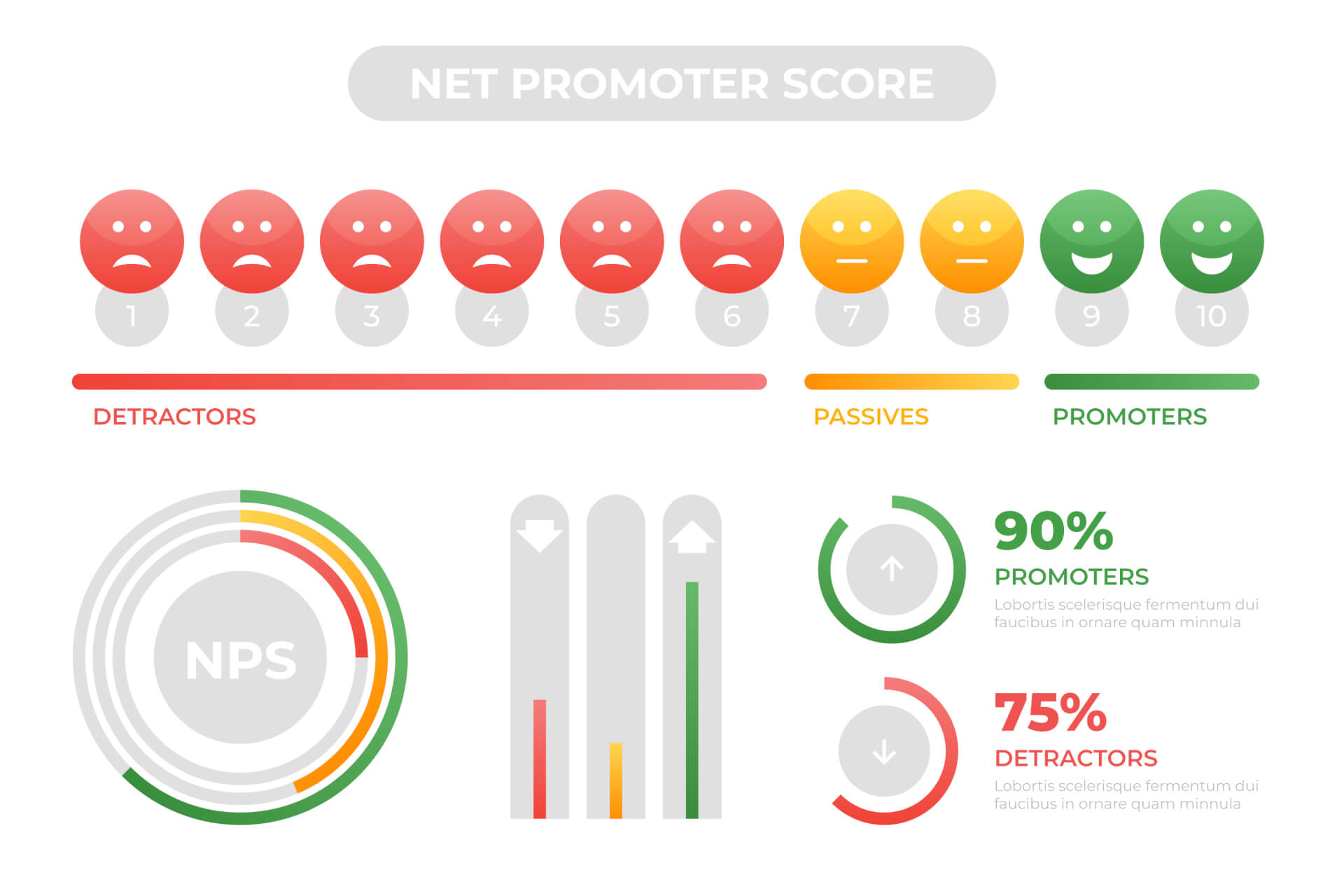 Recommended reading: If this article helped you and you would like to find out more about the Net Promoter Score, continue reading here: “The Net Promoter Score – Basics and Areas of Application”
Frequently Asked Questions (FAQs)
How does social media lead generation impact NPS?
Social media shapes first impressions and expectations. When messaging aligns with reality, leads are more likely to become satisfied promoters.
Which social media channels produce the happiest customers?
It depends on your audience and messaging. NPS tracking by channel reveals which platforms attract high-quality leads.
How can I use social media feedback to improve satisfaction?
Analyze comments, messages, and survey responses to identify expectation gaps and refine campaigns.
Should lead nurturing differ by social channel?
Yes. Different platforms attract different types of users with unique expectations. Tailored nurturing improves satisfaction.
What’s the biggest mistake in social media lead generation?
Prioritizing volume over fit and ignoring how messaging influences long-term satisfaction and NPS.