![[EN]](data:image/png;base64,iVBORw0KGgoAAAANSUhEUgAAAB4AAAAUCAYAAACaq43EAAAAGXRFWHRTb2Z0d2FyZQBBZG9iZSBJbWFnZVJlYWR5ccllPAAAAyRpVFh0WE1MOmNvbS5hZG9iZS54bXAAAAAAADw/eHBhY2tldCBiZWdpbj0i77u/IiBpZD0iVzVNME1wQ2VoaUh6cmVTek5UY3prYzlkIj8+IDx4OnhtcG1ldGEgeG1sbnM6eD0iYWRvYmU6bnM6bWV0YS8iIHg6eG1wdGs9IkFkb2JlIFhNUCBDb3JlIDUuMy1jMDExIDY2LjE0NTY2MSwgMjAxMi8wMi8wNi0xNDo1NjoyNyAgICAgICAgIj4gPHJkZjpSREYgeG1sbnM6cmRmPSJodHRwOi8vd3d3LnczLm9yZy8xOTk5LzAyLzIyLXJkZi1zeW50YXgtbnMjIj4gPHJkZjpEZXNjcmlwdGlvbiByZGY6YWJvdXQ9IiIgeG1sbnM6eG1wPSJodHRwOi8vbnMuYWRvYmUuY29tL3hhcC8xLjAvIiB4bWxuczp4bXBNTT0iaHR0cDovL25zLmFkb2JlLmNvbS94YXAvMS4wL21tLyIgeG1sbnM6c3RSZWY9Imh0dHA6Ly9ucy5hZG9iZS5jb20veGFwLzEuMC9zVHlwZS9SZXNvdXJjZVJlZiMiIHhtcDpDcmVhdG9yVG9vbD0iQWRvYmUgUGhvdG9zaG9wIENTNiAoTWFjaW50b3NoKSIgeG1wTU06SW5zdGFuY2VJRD0ieG1wLmlpZDpERTc5MkI3RjE3OEExMUUyQTcxNDlDNEFCRkNENzc2NiIgeG1wTU06RG9jdW1lbnRJRD0ieG1wLmRpZDpERTc5MkI4MDE3OEExMUUyQTcxNDlDNEFCRkNENzc2NiI+IDx4bXBNTTpEZXJpdmVkRnJvbSBzdFJlZjppbnN0YW5jZUlEPSJ4bXAuaWlkOkEyMTE0RjIyMTc4QTExRTJBNzE0OUM0QUJGQ0Q3NzY2IiBzdFJlZjpkb2N1bWVudElEPSJ4bXAuZGlkOkRFNzkyQjdFMTc4QTExRTJBNzE0OUM0QUJGQ0Q3NzY2Ii8+IDwvcmRmOkRlc2NyaXB0aW9uPiA8L3JkZjpSREY+IDwveDp4bXBtZXRhPiA8P3hwYWNrZXQgZW5kPSJyIj8+60cYSwAAAyhJREFUeNrElN1PU3cYxz/tOQUBD/aNymtbUAq2IOiUWXmZA40Iy2BzcW53y7JlyZLtZuE/8NaY7Gbe7WJbdJnTDOdQCbLKrERUotgCSodQ7AsFpK28yKT7rfsL2gv7JCcn+eV3zpPv5/l+H9X2xp65SqtJGfr1Fg3vNPD02SIhfwRniwP3pdvsOVxPaCHGs7+DOA/VJs8crXXEs3P48OfTfMIcU+SRaqlMzm8SNut2VuefIxvyydZIxFbWyX35iviLNZRiPZJaxdLyCkoiQUyc6cwFTPvC9FRkcbJMy7JaTrmxHIuvxaZm5xW7+Jl3NkKRaRt5OVlMjvuoqa9gwr9AgS4PvTYP78hjdtVVEAw9J+Kdxv7Td+hL8tGTeslGg8Jeexk3/riLs62O+cU441NBDjbZGbg+SlNbPYvRF9zzzHCoycFA/yhvCtRqnZbr5a1YEjGm5S2po1ZXfRHVaCTlWLODq24v1eWFGPVbuXH5Dh3vORm88xhziR5zoZ5rl9y0dx/ggS/EzGSQs5Ua3s39h7CUlbri0mKdUGzmijBXqzBXYH4Z931fsmlf7zBvd+wjIigMDI/TcbyRvt+GOSgUZ62uU3S2h8IdRgrTQK1S2T6PyhpZ+aB9LxcF2hpbCUUF27hy4S+Of/wWfUMeykuNVIin9/xNuj9qYWR8juknIc5szNC1voA/DdSypayAhlor57/vp/NEC7OBRfpveek+0cwvP/7JsfedhEWcLg8+pOtkMxfOuTjc5WSrSc+S6ymSQYtGyk5dsVT9/4zbhZmu3Z5IztggXOwSZjvSuZ+hUR9mEan/KAz+PkJb5z7GngSYdXu46T9Ho3EL6ZSKnZ9Fax0W5aFrDNuB6mROA6El7BYTnns+bPt3srK2gV+QcIjIPRLzrxL3ZkLLfB0c40udRCAd1EfFNioxaSG+Sl2NmchSnCKjwh6HBWlzk/rd1uTyMOTn8MbuctRiieyqLKbKbqXs4gSvQmFephOnRCIRFW+F11yyp/3TtD/eSKjYTM4rjcZh110yUZlDPfnVqcwovkppRhRnDrX/2x+UjKDuJXcuE4r/FWAAjBMttNdoYOEAAAAASUVORK5CYII=)
Data is everywhere. Clicks, sessions, conversions, sign-ups, drop-offs. Dashboards are full, reports are automated, charts look impressive. And yet, many companies still struggle with one fundamental question:
Why are our customers not as satisfied as we expected them to be?
 This is where acquisition analytics steps in—not as another reporting layer, but as a bridge between growth data and customer satisfaction. When done right, acquisition analytics doesn’t just tell you where customers come from. It tells you which customers will stay, succeed, and recommend you.
In this article, we’ll explore how acquisition analytics can be used to build more effective customer satisfaction strategies, with a strong focus on NPS, feedback, and long-term retention.
What Acquisition Analytics Really Means
Acquisition analytics goes far beyond counting leads.
At its core, it answers three critical questions:
- Where do customers come from?
- How do they behave early on?
- What outcomes do they produce long-term?
True acquisition analytics tracks the entire journey from first interaction to ongoing relationship. That means connecting:
- Channels
- Campaigns
- User behavior
- Satisfaction metrics
When acquisition analytics is isolated from customer experience data, it becomes shallow. When connected, it becomes transformational.
Why Traditional Acquisition Metrics Fall Short
Most acquisition dashboards focus on:
- Traffic volume
- Cost per lead
- Conversion rates
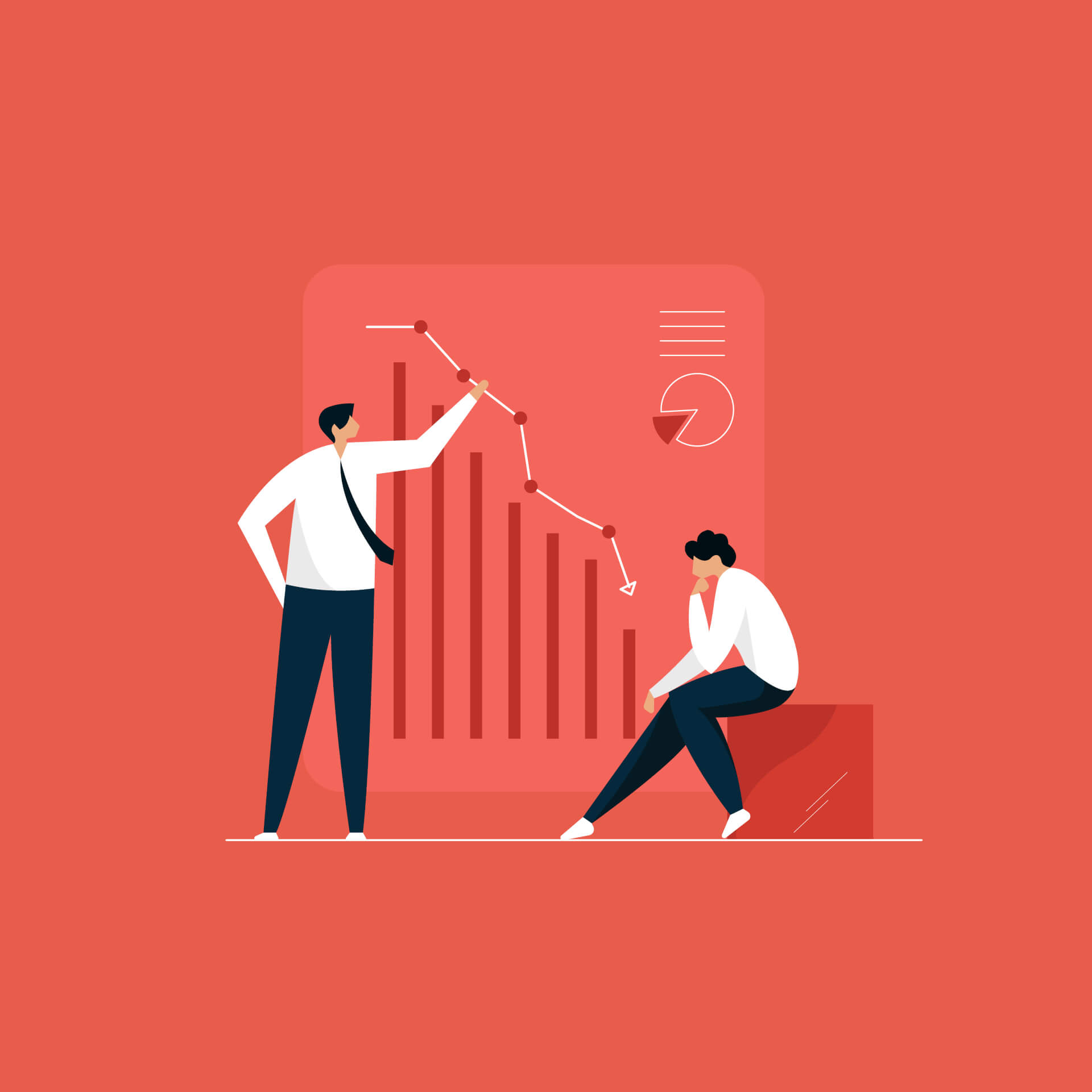
These metrics are useful—but incomplete. They tell you how many customers you acquire, not how good those customers are.
A channel can look successful on paper while quietly producing:
- Low engagement
- High support costs
- Low NPS
- Early churn
If satisfaction isn’t part of acquisition analytics, optimization decisions are based on short-term wins, not long-term value.
The Missing Link: Acquisition Analytics and Customer Satisfaction
Customer satisfaction doesn’t start after onboarding. It starts the moment expectations are formed.
 And expectations are formed through:
- Ads
- SEO content
- Landing pages
- Social media
- Reviews
Acquisition analytics helps you understand which promises you’re making—and which ones you’re breaking.
When acquisition data is connected to NPS and feedback, patterns emerge:
- Some channels consistently create promoters
- Others consistently create detractors
- That insight changes everything.
From Channels to Customers: A Shift in Perspective
Here’s a mindset shift that matters.
- Instead of asking: “Which channel performs best?”
- Ask: “Which channel brings customers who succeed?”
This reframes acquisition analytics from a marketing function into a customer strategy function. Channels don’t churn. Customers do. And acquisition analytics should help you understand why.
Understanding Customer Expectations Through Data

Every acquisition source sets a different expectation.
A customer arriving via:
- Educational content expects guidance
- Paid ads may expect speed and simplicity
- Referrals expect trust and familiarity
Acquisition analytics helps identify:
- Expectation patterns by channel
- Behavioral differences early on
- Signs of confusion or friction
- When expectations are aligned, satisfaction follows naturally.
How Acquisition Data Shapes the First Customer Experience
First experiences matter more than we think.
Early behavior—such as:
- Time to first action
- Feature adoption
- Help article usage
- Often predicts long-term satisfaction.
By analyzing acquisition data alongside early usage signals, you can:
- Identify customers at risk
- Adapt onboarding experiences
- Prevent dissatisfaction before it grows
This is proactive satisfaction management, not reactive damage control.
Mapping Acquisition Channels to NPS Outcomes
 One of the most powerful uses of acquisition analytics is NPS mapping.
By linking NPS scores to acquisition sources, you can answer:
- Which channels produce promoters?
- Which channels produce detractors?
- Where are expectation gaps strongest?
Why This Matters
A channel with high conversion and a low NPS is often more expensive long-term than a lower-volume, high-satisfaction channel. Acquisition analytics helps you see that clearly.
 Reading recommendation: If you want to learn more about Acquisition Channels, head over to our Blog Article "The Impact of Acquisition Channels on NPS"
Identifying High-Risk Channels Before Satisfaction Drops
Not all problems show up immediately.
Some channels:
- Convert quickly
- Look efficient
- But produce delayed dissatisfaction
- Acquisition analytics helps detect early warning signs, such as:
- High bounce rates post-signup
- Low feature adoption
- High support interaction early
These signals often appear before NPS scores drop—giving you time to intervene.
Using Behavioral Data to Predict Satisfaction

Satisfaction isn’t random. It’s behavioral.
Customers who:
- Reach value faster
- Explore features confidently
- Require less support
- Are far more likely to give high NPS scores.
Acquisition analytics helps identify:
- Which channels produce these behaviors
- Which ones don’t
That insight allows you to refine targeting and messaging upstream.
 Reading recommendation: If you want to learn more about gathering valuable insights into customer behavior and preferences, we recommend our Blog Article "NPS and CDPs: Unifying Customer Feedback and Behavioral Data"
Segmenting Customers for Deeper Satisfaction Insights
 Not all customers experience your product the same way.
Acquisition analytics enables segmentation by:
- Channel
- Campaign
- Intent level
- Customer type
When NPS is analyzed within these segments, satisfaction insights become far more actionable.
Instead of: “Our NPS dropped.”
You can say: “NPS dropped for customers from Channel X who signed up via Campaign Y.”
That’s clarity.
 Reading recommendation: Our Blog Article "NPS and Customer Segmentation: Understanding the Dynamics" dives into the intricacies of NPS and customer segmentation, exploring their significance and implications.
Combining Quantitative Data with Qualitative Feedback
Numbers tell you what happened. Feedback tells you why. The real power of acquisition analytics emerges when:
- Behavioral data
- Performance metrics
- Open-text feedback
- Are analyzed together.
Example
If customers from a specific channel say: “This wasn’t what I expected.” And analytics shows low engagement and early churn, You’ve identified an expectation gap rooted in acquisition messaging.
Turning Acquisition Insights into Satisfaction Strategies

Insights only matter if they drive action. Acquisition analytics can directly inform:
- Messaging adjustments
- Target audience refinement
- Channel prioritization
- Onboarding personalization
When satisfaction strategies are based on acquisition data, they become:
- More targeted
- More effective
- More measurable
Acquisition Analytics Across the Customer Lifecycle
 Acquisition doesn’t end at signup. Customers continue to:
- Engage with content
- Respond to campaigns
- Interact with touchpoints
Lifecycle-aware acquisition analytics tracks:
- Early satisfaction
- Mid-term engagement
- Long-term loyalty
This allows teams to see how early acquisition decisions ripple through the entire customer journey.
How Better Analytics Improves Retention and Loyalty
 Retention is a satisfaction outcome—not a coincidence.
When acquisition analytics:
- Filters for better-fit customers
- Aligns expectations early
- Supports proactive intervention
Customers are more likely to:
- Stay longer
- Expand usage
- Become promoters
High NPS is often the result of better decisions made much earlier.
Common Mistakes in Acquisition Analytics
Let’s call out a few pitfalls:
- Optimizing for volume instead of quality
- Ignoring post-acquisition behavior
- Analyzing channels in isolation
- Separating acquisition data from satisfaction data
Each mistake creates blind spots—and blind spots create dissatisfied customers.
Best Practices for Satisfaction-Driven Acquisition Analytics
 To use acquisition analytics effectively:
- Always connect channels to NPS outcomes
- Measure early behavioral signals
- Segment data for clarity
- Combine metrics with feedback
- Use insights to adjust expectations, not just budgets
When analytics serves the customer—not just growth—satisfaction improves naturally.
Conclusion
Acquisition analytics isn’t just about understanding how customers find you.
It’s about understanding which customers thrive with you.
By analyzing acquisition data through the lens of customer satisfaction and NPS, companies can move from reactive fixes to proactive strategies. The result? Better experiences, stronger retention, and more customers who are genuinely happy to recommend your brand.
In the end, the most effective acquisition strategy isn’t the one that grows the fastest—it’s the one that grows the happiest customers.
 Recommended reading: If this article helped you and you would like to learn more about the role of NPS in shaping the customer experience, continue reading here: "The role of NPS in customer experience (CX)"
FAQs
What is acquisition analytics in simple terms?
It’s the analysis of how customers are acquired and how those acquisition sources impact behavior, satisfaction, and long-term value.
Why should acquisition analytics include NPS?
Because NPS reveals which acquisition channels create loyal customers—not just conversions.
Can acquisition analytics predict customer satisfaction?
Yes. Early behavior and channel patterns often strongly correlate with future NPS and retention.
What’s the biggest mistake in acquisition analytics?
Focusing only on short-term metrics like cost per lead while ignoring satisfaction and retention outcomes.
How does acquisition analytics improve customer retention?
By attracting better-fit customers, aligning expectations early, and enabling proactive satisfaction strategies.