![[EN]](data:image/png;base64,iVBORw0KGgoAAAANSUhEUgAAAB4AAAAUCAYAAACaq43EAAAAGXRFWHRTb2Z0d2FyZQBBZG9iZSBJbWFnZVJlYWR5ccllPAAAAyRpVFh0WE1MOmNvbS5hZG9iZS54bXAAAAAAADw/eHBhY2tldCBiZWdpbj0i77u/IiBpZD0iVzVNME1wQ2VoaUh6cmVTek5UY3prYzlkIj8+IDx4OnhtcG1ldGEgeG1sbnM6eD0iYWRvYmU6bnM6bWV0YS8iIHg6eG1wdGs9IkFkb2JlIFhNUCBDb3JlIDUuMy1jMDExIDY2LjE0NTY2MSwgMjAxMi8wMi8wNi0xNDo1NjoyNyAgICAgICAgIj4gPHJkZjpSREYgeG1sbnM6cmRmPSJodHRwOi8vd3d3LnczLm9yZy8xOTk5LzAyLzIyLXJkZi1zeW50YXgtbnMjIj4gPHJkZjpEZXNjcmlwdGlvbiByZGY6YWJvdXQ9IiIgeG1sbnM6eG1wPSJodHRwOi8vbnMuYWRvYmUuY29tL3hhcC8xLjAvIiB4bWxuczp4bXBNTT0iaHR0cDovL25zLmFkb2JlLmNvbS94YXAvMS4wL21tLyIgeG1sbnM6c3RSZWY9Imh0dHA6Ly9ucy5hZG9iZS5jb20veGFwLzEuMC9zVHlwZS9SZXNvdXJjZVJlZiMiIHhtcDpDcmVhdG9yVG9vbD0iQWRvYmUgUGhvdG9zaG9wIENTNiAoTWFjaW50b3NoKSIgeG1wTU06SW5zdGFuY2VJRD0ieG1wLmlpZDpERTc5MkI3RjE3OEExMUUyQTcxNDlDNEFCRkNENzc2NiIgeG1wTU06RG9jdW1lbnRJRD0ieG1wLmRpZDpERTc5MkI4MDE3OEExMUUyQTcxNDlDNEFCRkNENzc2NiI+IDx4bXBNTTpEZXJpdmVkRnJvbSBzdFJlZjppbnN0YW5jZUlEPSJ4bXAuaWlkOkEyMTE0RjIyMTc4QTExRTJBNzE0OUM0QUJGQ0Q3NzY2IiBzdFJlZjpkb2N1bWVudElEPSJ4bXAuZGlkOkRFNzkyQjdFMTc4QTExRTJBNzE0OUM0QUJGQ0Q3NzY2Ii8+IDwvcmRmOkRlc2NyaXB0aW9uPiA8L3JkZjpSREY+IDwveDp4bXBtZXRhPiA8P3hwYWNrZXQgZW5kPSJyIj8+60cYSwAAAyhJREFUeNrElN1PU3cYxz/tOQUBD/aNymtbUAq2IOiUWXmZA40Iy2BzcW53y7JlyZLtZuE/8NaY7Gbe7WJbdJnTDOdQCbLKrERUotgCSodQ7AsFpK28yKT7rfsL2gv7JCcn+eV3zpPv5/l+H9X2xp65SqtJGfr1Fg3vNPD02SIhfwRniwP3pdvsOVxPaCHGs7+DOA/VJs8crXXEs3P48OfTfMIcU+SRaqlMzm8SNut2VuefIxvyydZIxFbWyX35iviLNZRiPZJaxdLyCkoiQUyc6cwFTPvC9FRkcbJMy7JaTrmxHIuvxaZm5xW7+Jl3NkKRaRt5OVlMjvuoqa9gwr9AgS4PvTYP78hjdtVVEAw9J+Kdxv7Td+hL8tGTeslGg8Jeexk3/riLs62O+cU441NBDjbZGbg+SlNbPYvRF9zzzHCoycFA/yhvCtRqnZbr5a1YEjGm5S2po1ZXfRHVaCTlWLODq24v1eWFGPVbuXH5Dh3vORm88xhziR5zoZ5rl9y0dx/ggS/EzGSQs5Ua3s39h7CUlbri0mKdUGzmijBXqzBXYH4Z931fsmlf7zBvd+wjIigMDI/TcbyRvt+GOSgUZ62uU3S2h8IdRgrTQK1S2T6PyhpZ+aB9LxcF2hpbCUUF27hy4S+Of/wWfUMeykuNVIin9/xNuj9qYWR8juknIc5szNC1voA/DdSypayAhlor57/vp/NEC7OBRfpveek+0cwvP/7JsfedhEWcLg8+pOtkMxfOuTjc5WSrSc+S6ymSQYtGyk5dsVT9/4zbhZmu3Z5IztggXOwSZjvSuZ+hUR9mEan/KAz+PkJb5z7GngSYdXu46T9Ho3EL6ZSKnZ9Fax0W5aFrDNuB6mROA6El7BYTnns+bPt3srK2gV+QcIjIPRLzrxL3ZkLLfB0c40udRCAd1EfFNioxaSG+Sl2NmchSnCKjwh6HBWlzk/rd1uTyMOTn8MbuctRiieyqLKbKbqXs4gSvQmFephOnRCIRFW+F11yyp/3TtD/eSKjYTM4rjcZh110yUZlDPfnVqcwovkppRhRnDrX/2x+UjKDuJXcuE4r/FWAAjBMttNdoYOEAAAAASUVORK5CYII=)
 Customer acquisition used to be simple. Pick a channel, run campaigns, generate leads, close deals. Done.
Today? Not even close.
Modern customers don’t live in one channel. They discover brands through search engines, social media, review platforms, communities, email, referrals, and sometimes all of them at once. This is where multi-channel acquisition comes into play—and where customer satisfaction and retention are either won or lost.
Here’s the catch many companies miss: acquiring customers across multiple channels doesn’t automatically lead to better results. In fact, when done poorly, it can fragment expectations, confuse customers, and ultimately hurt NPS (Net Promoter Score).
But when done right? Multi-channel acquisition becomes a powerful engine for higher satisfaction, stronger retention, and more promoters.
In this article, we’ll explore how to leverage multi-channel acquisition strategically—not just to grow faster, but to grow happier customers who stick around.
What Multi-Channel Acquisition Really Means
Multi-channel acquisition isn’t just about being “everywhere.”
It’s about intentionally engaging customers across multiple touchpoints, while delivering a consistent, trustworthy, and valuable experience—no matter where the interaction starts.
Common Acquisition Channels Include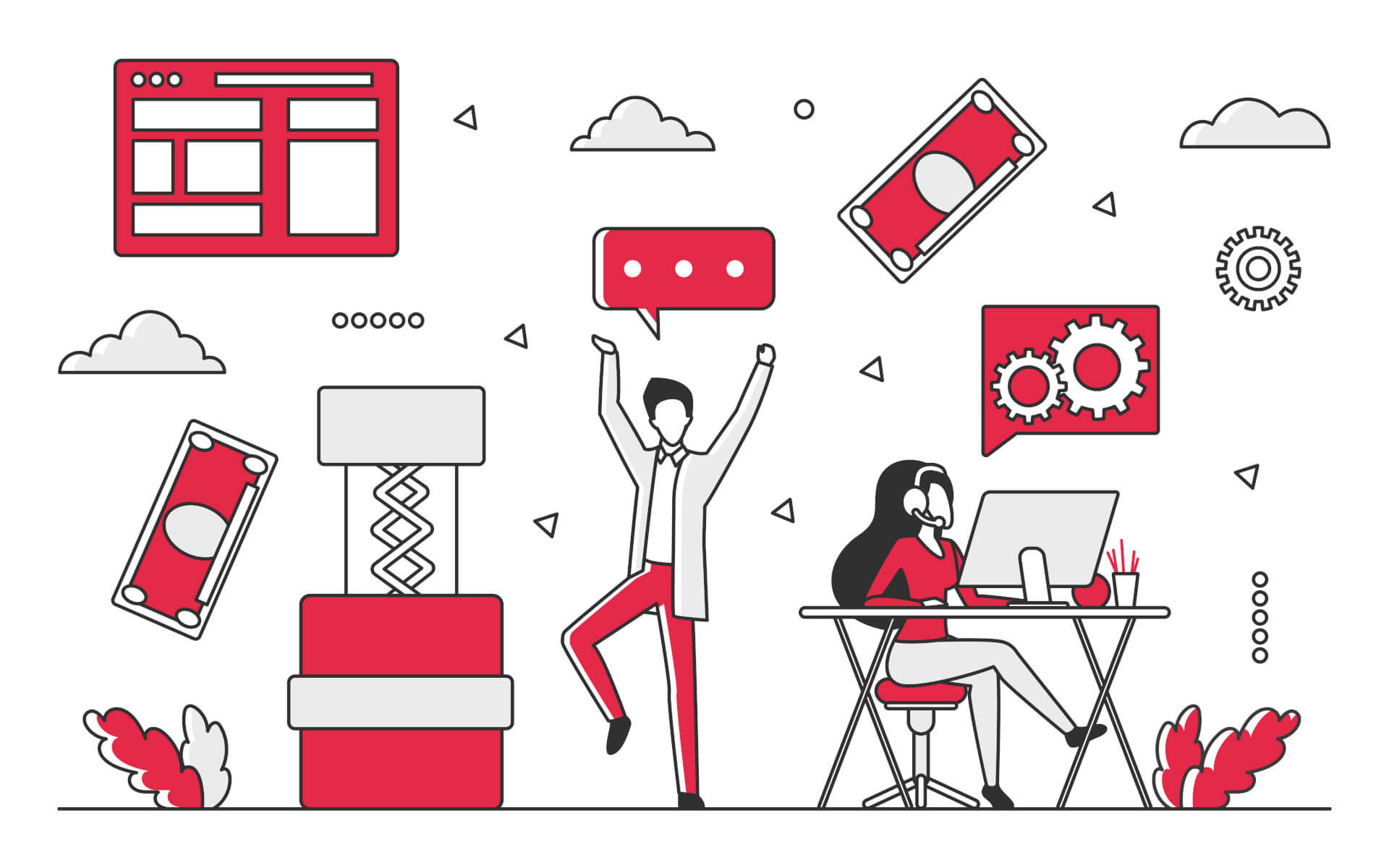
- Search engines (SEO & paid search)
- Social media platforms
- Email marketing
- Content marketing
- Online reviews and communities
- Referrals and partnerships
Each channel plays a different role—but they all shape customer expectations. And expectations are the foundation of satisfaction.
Why Customer Satisfaction Must Guide Acquisition Strategy
Let’s flip the traditional mindset.
- Instead of asking: “Which channels bring the most leads?”
- Ask:“Which channels bring the most satisfied customers?”
Customer satisfaction doesn’t begin after onboarding—it begins at the very first interaction. When acquisition focuses only on volume, retention often suffers. When it focuses on fit, satisfaction rises naturally.
Satisfied customers:
- Stay longer
- Cost less to support
- Expand more
- Recommend more
In other words, satisfaction-driven acquisition is retention-driven growth.
The Hidden Link Between Multi-Channel Acquisition and NPS
 NPS measures loyalty—but loyalty is shaped long before the survey is sent.
Every acquisition channel:
- Sets expectations
- Frames value
- Influences trust
If one channel promises simplicity while another highlights complexity, customers feel misled—even if both messages are technically accurate.
Why This Matters for NPS
- Inconsistent acquisition = inconsistent experience
- Inconsistency creates frustration
- Frustration creates detractors
- Multi-channel acquisition must be orchestrated—not siloed—if you want strong NPS results.
 Reading recommendation: To collect Feedback via NPS at every single touchpoint increases the understanding of customer satisfaction and loyalty significantly. Our Blog Article "Multi-Channel NPS Integration: Collect Feedback Wherever Customers Interact" explores the concept of multi-channel NPS integration and how it can help businesses collect feedback wherever customers interact.
How Channel Consistency Shapes Customer Expectations
Imagine this scenario:
- A user finds your brand through an educational blog
- Sees a highly promotional social media ad
- Clicks through to a technical landing page
- Signs up expecting something completely different
- That gap between expectation and reality? That’s an NPS killer.
Consistency Doesn’t Mean Identical Messaging, it means:
- Aligned value propositions
- Clear positioning
- Honest representation of your product
Customers should feel like they’re interacting with one brand, not five disconnected teams.
The Customer Journey Is Not Linear—And That’s Okay
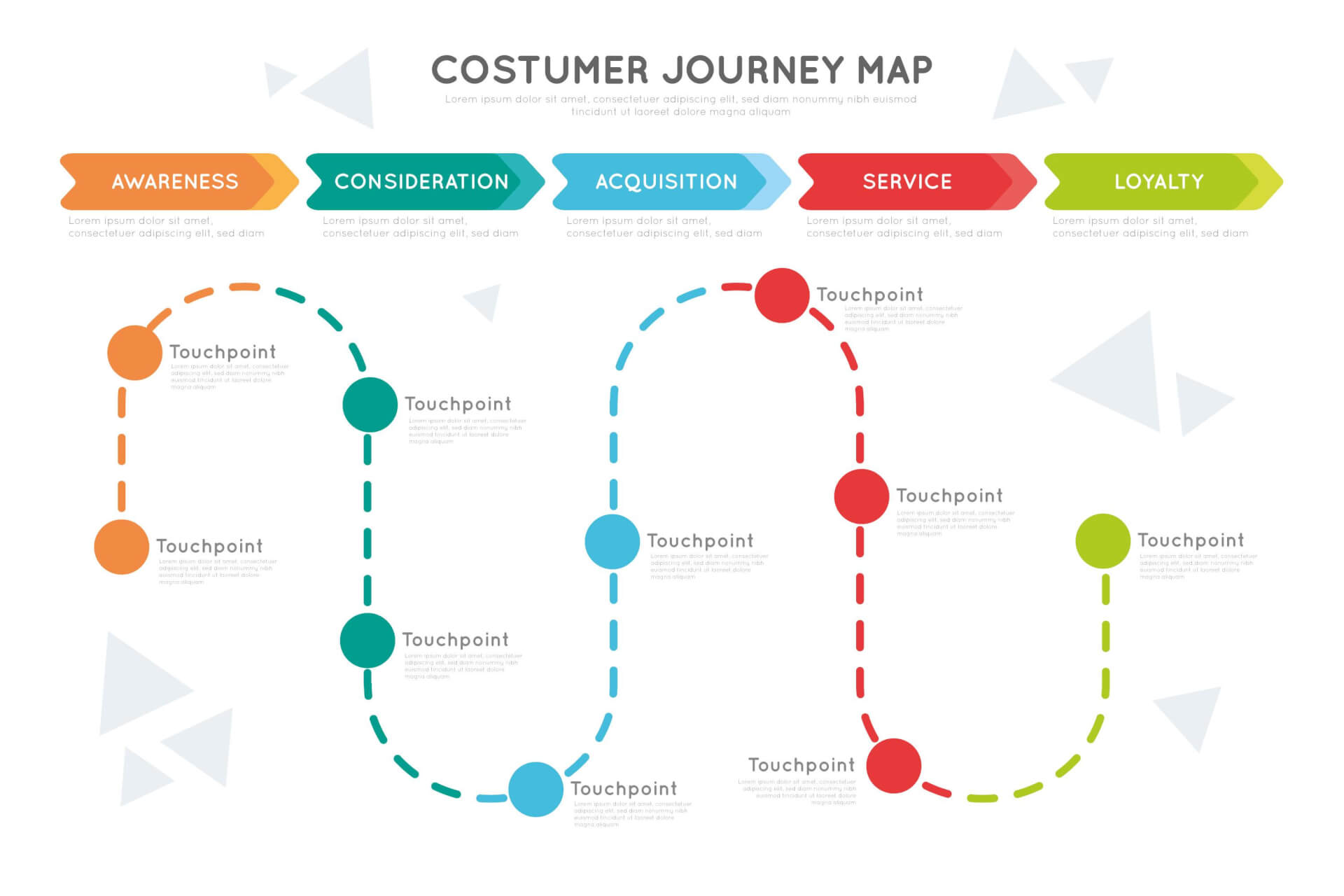 Customers don’t move neatly from awareness to purchase, they:
- Jump between channels
- Research repeatedly
- Pause and return later
- Multi-channel acquisition acknowledges this reality.
Why This Improves Satisfaction
When customers can:
- Discover you anywhere
- Resume their journey seamlessly
- Receive consistent messaging
They feel in control. And control is closely tied to satisfaction.
Reading Recommendation: Connecting NPS to your customer journey can help businesses achieve sustainable growth. Our Blog Article "NPS and Customer Journey Mapping: Closing the Loop Between Insight and Experience" walks you through the process.
Understanding Channel-Specific Customer Intent
Not all channels serve the same purpose—and that’s a good thing.
Examples of Channel Intent
- Search: Problem-solving and comparison
- Social media: Discovery and inspiration
- Email: Relationship-building
- Reviews: Trust validation
Satisfaction drops when messaging ignores intent. Satisfaction grows when each channel meets customers where they are mentally.
Where Multi-Channel Acquisition Goes Wrong
Multi-channel strategies fail when channels compete instead of collaborate.
Common Pitfalls
- Conflicting promises across channels
- Different target audiences per channel
- No shared success metrics
- Disconnected customer data
The result? Customers feel like they’re dealing with multiple companies at once. That confusion shows up later in churn and low NPS scores.
Aligning Messaging Across Channels for Higher Satisfaction
Alignment doesn’t mean repetition—it means harmony.
How to Align Without Sounding Robotic
- Use a shared value proposition
- Adapt tone to each channel
- Keep promises consistent
- Use the same language customers use
When alignment is strong, customers feel understood. When they feel understood, they’re more likely to stay—and recommend.
Personalization at Scale: The Multi-Channel Advantage
Multi-channel acquisition gives you something powerful: context.
 By understanding:
- Where a customer came from
- What content they engaged with
- Which channel influenced them most
- You can personalize experiences without guessing.
Why Personalization Drives Satisfaction
- Reduces friction
- Increases relevance
- Builds emotional connection
- And emotional connection is a major driver of retention and high NPS.
Measuring Satisfaction Across Acquisition Channels
Most companies track conversions by channel—but stop there.
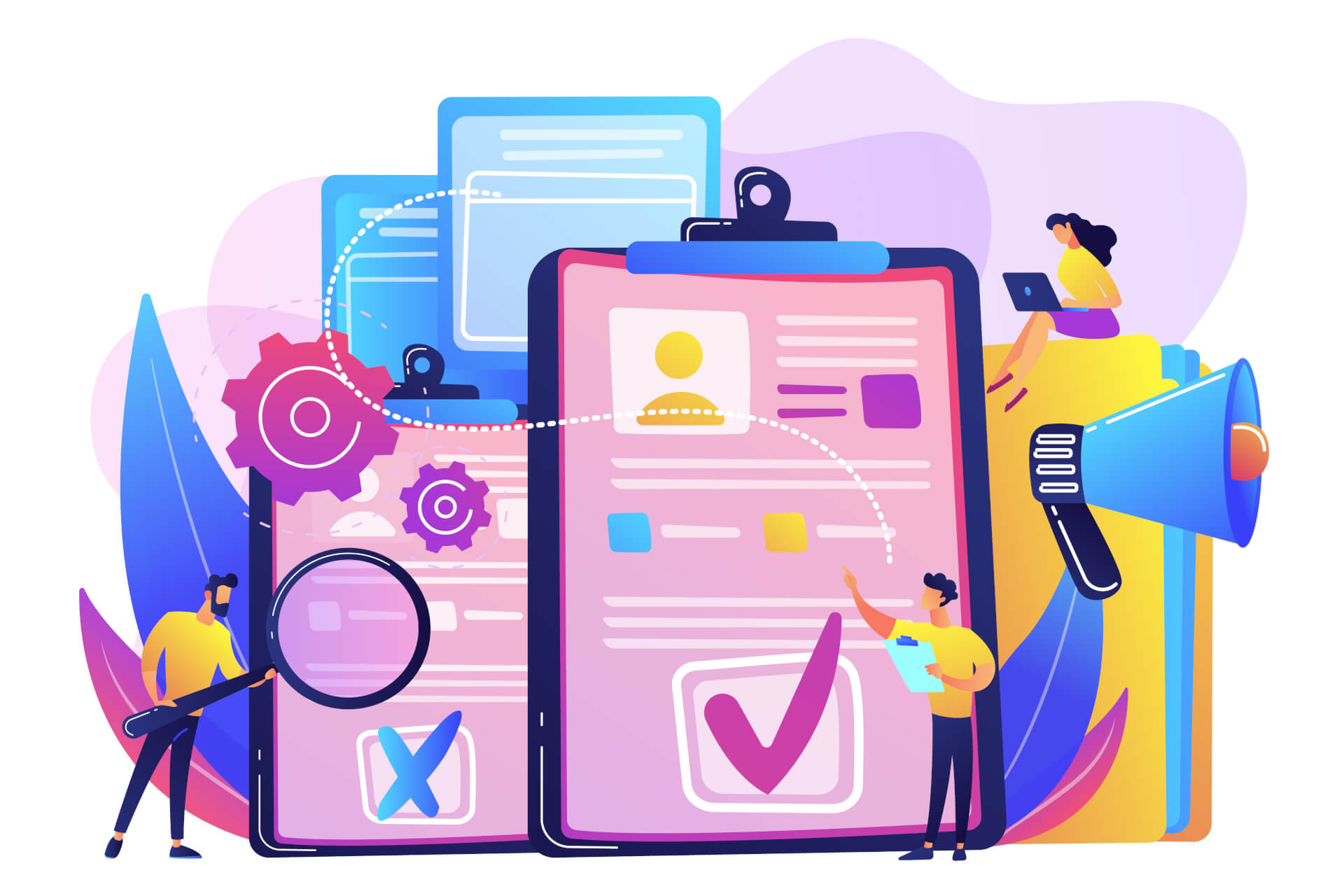
To truly optimize multi-channel acquisition, you need to track:
- NPS by acquisition source
- Churn rates by channel
- Support tickets by channel
- Product adoption patterns
This reveals which channels bring customers who succeed, not just convert.
 Reading recommendation: There are many ways to measure customer satisfation. Our Blog article explains "The Difference Between NPS and Other Customer Satisfaction Metrics"
Using NPS to Identify High-Value Channels
 NPS is more than a loyalty metric—it’s a channel performance signal.
What NPS by Channel Can Tell You
- Which channels attract promoters
- Which channels attract detractors
- Where expectations break down
A channel with lower volume but higher NPS is often more valuable long-term than a high-volume, low-satisfaction source.
Multi-Channel Acquisition and Customer Retention
Retention doesn’t start after acquisition—it starts during it.
When customers:
- Feel informed before signing up
- Experience continuity across channels
- Receive relevant follow-up
- They’re far more likely to stay.
Multi-channel acquisition supports retention by:
- Reinforcing value repeatedly
- Reducing surprises
- Building trust early
Trust is sticky. And sticky customers don’t churn easily.
Closing the Feedback Loop Between Marketing and CX
 One of the biggest missed opportunities? Disconnected teams.
Marketing acquires customers. Customer experience measures satisfaction. Too often, they don’t talk.
What Happens When They Do
- Marketing learns which promises work
- CX identifies expectation gaps
- Messaging improves continuously
NPS feedback should directly influence acquisition messaging across all channels.
How Customer Support Completes the Multi-Channel Experience
Customer support is often the first post-acquisition channel—and a critical one.
When support:
- Understands acquisition context
- Knows which channel the customer came from
- Adapts communication accordingly
- Customers feel continuity instead of handoff.
That seamless experience significantly boosts satisfaction and NPS.
Lifecycle-Based Multi-Channel Strategies
Not every channel should focus on acquisition forever.
Lifecycle-Aligned Channel Use
- Acquisition: SEO, ads, social
- Onboarding: Email, in-app messages
- Adoption: Content, webinars
- Retention: Communities, support, education
Using channels intentionally at each stage improves long-term satisfaction and loyalty.
Common Mistakes That Hurt Satisfaction and Retention
Let’s be honest—multi-channel acquisition is hard.
Mistakes to Avoid
- Optimizing channels in isolation
- Overpromising for short-term growth
- Ignoring post-acquisition experience
- Failing to measure satisfaction by channel
Each mistake increases the risk of churn—and lowers NPS.
Best Practices for Satisfaction-Driven Multi-Channel Acquisition
 Here’s what works:
- Start with the customer journey, not the channel
- Align messaging across touchpoints
- Measure NPS by acquisition source
- Use feedback to refine targeting
- Think long-term, not transactional
When acquisition supports satisfaction, growth becomes sustainable—and predictable.
Conclusion
Multi-channel acquisition isn’t just a growth strategy—it’s a customer experience strategy.
Every channel shapes expectations. Every message builds—or breaks—trust. And every interaction influences whether a customer stays, leaves, or becomes a promoter.
By leveraging multi-channel acquisition with customer satisfaction and retention in mind, you don’t just acquire more customers—you acquire better ones.
And in a world where loyalty is fragile, that makes all the difference.
 Recommended reading: If this article helped you and you would like to learn more about the role of NPS in shaping the customer experience, continue reading here: "The role of NPS in customer experience (CX)"
FAQs
How does multi-channel acquisition affect customer satisfaction?
It shapes expectations across touchpoints. Consistent, aligned messaging leads to higher satisfaction, while fragmented experiences create frustration.
Should NPS be analyzed by acquisition channel?
Yes. NPS by channel reveals which sources attract loyal customers and which create expectation gaps.
Is more acquisition channels always better?
No. More channels without alignment can hurt satisfaction. Fewer, well-orchestrated channels often perform better.
How can personalization improve multi-channel acquisition?
By using channel context to tailor messaging, onboarding, and support—making experiences more relevant and satisfying.
What’s the biggest mistake in multi-channel acquisition?
Optimizing for volume instead of fit. High-volume channels with low satisfaction often lead to poor retention and low NPS.