![[EN]](data:image/png;base64,iVBORw0KGgoAAAANSUhEUgAAAB4AAAAUCAYAAACaq43EAAAAGXRFWHRTb2Z0d2FyZQBBZG9iZSBJbWFnZVJlYWR5ccllPAAAAyRpVFh0WE1MOmNvbS5hZG9iZS54bXAAAAAAADw/eHBhY2tldCBiZWdpbj0i77u/IiBpZD0iVzVNME1wQ2VoaUh6cmVTek5UY3prYzlkIj8+IDx4OnhtcG1ldGEgeG1sbnM6eD0iYWRvYmU6bnM6bWV0YS8iIHg6eG1wdGs9IkFkb2JlIFhNUCBDb3JlIDUuMy1jMDExIDY2LjE0NTY2MSwgMjAxMi8wMi8wNi0xNDo1NjoyNyAgICAgICAgIj4gPHJkZjpSREYgeG1sbnM6cmRmPSJodHRwOi8vd3d3LnczLm9yZy8xOTk5LzAyLzIyLXJkZi1zeW50YXgtbnMjIj4gPHJkZjpEZXNjcmlwdGlvbiByZGY6YWJvdXQ9IiIgeG1sbnM6eG1wPSJodHRwOi8vbnMuYWRvYmUuY29tL3hhcC8xLjAvIiB4bWxuczp4bXBNTT0iaHR0cDovL25zLmFkb2JlLmNvbS94YXAvMS4wL21tLyIgeG1sbnM6c3RSZWY9Imh0dHA6Ly9ucy5hZG9iZS5jb20veGFwLzEuMC9zVHlwZS9SZXNvdXJjZVJlZiMiIHhtcDpDcmVhdG9yVG9vbD0iQWRvYmUgUGhvdG9zaG9wIENTNiAoTWFjaW50b3NoKSIgeG1wTU06SW5zdGFuY2VJRD0ieG1wLmlpZDpERTc5MkI3RjE3OEExMUUyQTcxNDlDNEFCRkNENzc2NiIgeG1wTU06RG9jdW1lbnRJRD0ieG1wLmRpZDpERTc5MkI4MDE3OEExMUUyQTcxNDlDNEFCRkNENzc2NiI+IDx4bXBNTTpEZXJpdmVkRnJvbSBzdFJlZjppbnN0YW5jZUlEPSJ4bXAuaWlkOkEyMTE0RjIyMTc4QTExRTJBNzE0OUM0QUJGQ0Q3NzY2IiBzdFJlZjpkb2N1bWVudElEPSJ4bXAuZGlkOkRFNzkyQjdFMTc4QTExRTJBNzE0OUM0QUJGQ0Q3NzY2Ii8+IDwvcmRmOkRlc2NyaXB0aW9uPiA8L3JkZjpSREY+IDwveDp4bXBtZXRhPiA8P3hwYWNrZXQgZW5kPSJyIj8+60cYSwAAAyhJREFUeNrElN1PU3cYxz/tOQUBD/aNymtbUAq2IOiUWXmZA40Iy2BzcW53y7JlyZLtZuE/8NaY7Gbe7WJbdJnTDOdQCbLKrERUotgCSodQ7AsFpK28yKT7rfsL2gv7JCcn+eV3zpPv5/l+H9X2xp65SqtJGfr1Fg3vNPD02SIhfwRniwP3pdvsOVxPaCHGs7+DOA/VJs8crXXEs3P48OfTfMIcU+SRaqlMzm8SNut2VuefIxvyydZIxFbWyX35iviLNZRiPZJaxdLyCkoiQUyc6cwFTPvC9FRkcbJMy7JaTrmxHIuvxaZm5xW7+Jl3NkKRaRt5OVlMjvuoqa9gwr9AgS4PvTYP78hjdtVVEAw9J+Kdxv7Td+hL8tGTeslGg8Jeexk3/riLs62O+cU441NBDjbZGbg+SlNbPYvRF9zzzHCoycFA/yhvCtRqnZbr5a1YEjGm5S2po1ZXfRHVaCTlWLODq24v1eWFGPVbuXH5Dh3vORm88xhziR5zoZ5rl9y0dx/ggS/EzGSQs5Ua3s39h7CUlbri0mKdUGzmijBXqzBXYH4Z931fsmlf7zBvd+wjIigMDI/TcbyRvt+GOSgUZ62uU3S2h8IdRgrTQK1S2T6PyhpZ+aB9LxcF2hpbCUUF27hy4S+Of/wWfUMeykuNVIin9/xNuj9qYWR8juknIc5szNC1voA/DdSypayAhlor57/vp/NEC7OBRfpveek+0cwvP/7JsfedhEWcLg8+pOtkMxfOuTjc5WSrSc+S6ymSQYtGyk5dsVT9/4zbhZmu3Z5IztggXOwSZjvSuZ+hUR9mEan/KAz+PkJb5z7GngSYdXu46T9Ho3EL6ZSKnZ9Fax0W5aFrDNuB6mROA6El7BYTnns+bPt3srK2gV+QcIjIPRLzrxL3ZkLLfB0c40udRCAd1EfFNioxaSG+Sl2NmchSnCKjwh6HBWlzk/rd1uTyMOTn8MbuctRiieyqLKbKbqXs4gSvQmFephOnRCIRFW+F11yyp/3TtD/eSKjYTM4rjcZh110yUZlDPfnVqcwovkppRhRnDrX/2x+UjKDuJXcuE4r/FWAAjBMttNdoYOEAAAAASUVORK5CYII=)
 Search engine optimization (SEO) and Net Promoter Score (NPS) might seem like they live in different worlds. One focuses on keywords, rankings, and traffic. The other centers on loyalty, satisfaction, and customer advocacy.
But here’s the truth: SEO doesn’t just acquire customers—it sets the tone for how satisfied they’ll be.
Think of SEO as the first handshake with your future customers. If it’s firm, relevant, and trustworthy, you’re already on the path toward higher NPS scores. If it’s misleading, generic, or poorly aligned with user intent, you may acquire traffic—but you’ll also create detractors.
In this article, we’ll explore how SEO for customer acquisition directly influences NPS and customer satisfaction, and how you can optimize your SEO strategy not just for clicks, but for long-term loyalty.
What SEO for Customer Acquisition Really Means
SEO for customer acquisition isn’t just about getting people to your website—it’s about getting the right people. The ones who:
- Have a real problem you solve
- Understand what you offer
- Are likely to succeed with your product or service
When SEO attracts users who match your ideal customer profile, you’re not just increasing acquisition—you’re pre-filtering for satisfaction. From an NPS perspective, this matters a lot. Customers who arrive with clear expectations are far more likely to become promoters.
Understanding the Relationship Between SEO and NPS
At first glance, SEO and NPS don’t share obvious metrics. But zoom out, and the connection becomes clear:
- SEO shapes expectations
- Expectations shape experience
- Experience shapes NPS
- If your SEO content promises simplicity but delivers complexity, you create disappointment. If it promises depth and delivers value, you build trust.
- NPS is not just a product metric—it’s an expectation management metric.
- SEO is often where those expectations are formed.
Why Traffic Quality Matters More Than Traffic Volume
 Let’s use an analogy. Would you rather invite 1,000 random people to a dinner party—or 100 people who love the food you’re serving? SEO works the same way.
High traffic volume means nothing if visitors:
- Don’t understand your offering
- Don’t match your target audience
- Leave frustrated or confused
Low-quality traffic leads to:
- Higher bounce rates
- Poor onboarding experiences
- Lower satisfaction
- More detractors in NPS surveys
High-quality traffic, on the other hand, tends to:
- Engage more deeply
- Convert more intentionally
- Stay longer
- Give higher NPS scores
User Intent: The Missing Link Between SEO and Satisfaction

User intent is the why behind every search.
Types of User Intent
- Informational: “What is NPS?”
- Navigational: “Callexa customer feedback software”
- Transactional: “Best NPS tool for SaaS”
When your SEO content doesn’t match intent, you create friction.
Why This Hurts NPS
- Users feel misled
- Expectations aren’t met
- Trust erodes early
But when SEO aligns perfectly with intent, users feel understood—and that emotional response carries through the entire customer journey.
Aligning SEO Content with Customer Expectations

How to Align Content and Expectations
- Use clear, honest headlines
- Avoid clickbait keywords
- Explain limitations as well as benefits
- Use real examples and use cases
When SEO content accurately reflects the product experience, customers feel:
- Informed
- Respected
- Confident
And confidence is a huge predictor of high NPS.
SEO as the First Touchpoint in the Customer Journey
For many customers, SEO content is:
- Their first interaction with your brand
- Their first impression of your expertise
- Their first source of truth
This makes SEO a customer experience channel, not just a marketing channel.
If that first experience is:
- Helpful → trust grows
- Confusing → skepticism forms
- Salesy → resistance builds
NPS scores often reflect this very early emotional reaction.
 Reading recommendation: In our blog Article "Customer Journey Tracking: Monitor Progress, Spot Risks, Maximize Value" we explore the importance of customer journey tracking, the benefits it offers, how to implement it effectively, common challenges and solutions, best practices, and more.
How Poor SEO Can Create NPS Detractors
 Bad SEO doesn’t just fail to convert—it actively damages satisfaction.
Common SEO Issues That Create Detractors
- Misleading keywords
- Overpromising in meta descriptions
- Thin or generic content
- Slow-loading pages
- Poor mobile experience
Each of these creates frustration before a customer even signs up. And frustrated customers are far more likely to become detractors later.
Optimizing Keywords for Satisfaction, Not Just Rankings
Traditional SEO asks: “What keywords bring the most traffic?”
Customer-centric SEO asks: “What keywords bring the right customers?”
Satisfaction-Focused Keyword Strategy
- Target problem-aware keywords
- Use long-tail phrases that signal intent
- Avoid vague or overly broad terms
For example:
- “Customer feedback tools” (broad)
- “NPS software for B2B SaaS teams” (specific, high intent)
- The second keyword may bring less traffic—but those users are far more likely to be satisfied.
 Reading recommendation: In our Blog article "Enhancing NPS Through Effective SEO Tactics" we explore how SEO tactics can be leveraged to not only boost rankings but also improve Net Promoter Score (NPS) and customer retention.
Content Experience: From SERP to Smile
 SEO doesn’t stop at ranking. It continues through:
- Page layout
- Readability
- Content depth
- Calls to action
What a Great SEO Content Experience Feels Like
- Easy to scan
- Answers questions quickly
- Provides real value
- Guides next steps clearly
When content feels good to consume, users associate that feeling with your brand—and that emotional memory influences NPS responses later.
SEO and Trust: Building Credibility Before the First Click
 Trust is the currency of NPS. SEO builds trust through:
- Consistent messaging
- Demonstrated expertise
- Transparent explanations
Trust Signals in SEO Content
- Clear author expertise
- Up-to-date information
- Real-world examples
- Balanced perspectives
If users trust your content, they’re more likely to trust your product—and recommend it.
Measuring SEO Success Beyond Traffic and Conversions
If you only measure SEO by:
- Sessions
- Rankings
- Conversions
You’re missing the bigger picture.

Customer-Centric SEO Metrics
- Time on page
- Scroll depth
- Return visits
- Post-signup NPS by acquisition channel
Comparing NPS scores of SEO-acquired customers vs. other channels often reveals powerful insights.
Integrating NPS Data into SEO Strategy
This is where things get exciting.
By linking NPS responses to acquisition channels, you can:
- Identify which SEO pages attract promoters
- Spot content that leads to detractors
- Refine messaging and targeting
Example
If users who land on a specific blog post consistently give low NPS scores, ask:
- Did the content overpromise?
- Did it attract the wrong audience?
- Was intent mismatched?
SEO optimization isn’t just about Google—it’s about people.
Using Customer Feedback to Improve SEO Content
 Your customers are your best SEO consultants.
How to Use Feedback
- Analyze open-text NPS comments
- Look for expectation gaps
- Update SEO content to address confusion
When customers say:
“I didn’t realize the setup would take time.”
That’s not just a product issue—it’s an SEO messaging issue.
SEO for Different Stages of the Customer Lifecycle
Not all SEO content should push for acquisition.
Lifecycle-Based SEO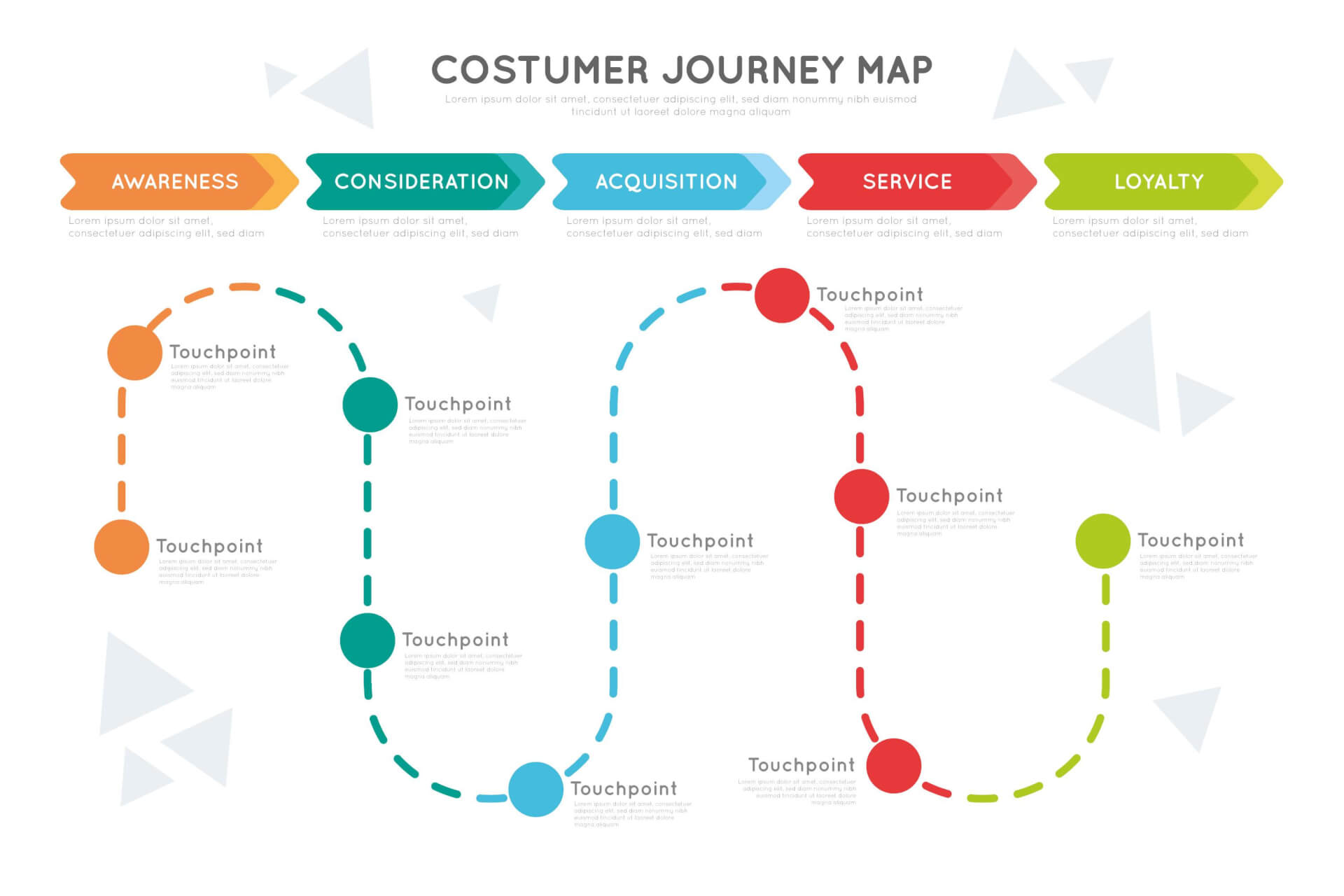
- Awareness: Educational blog posts
- Consideration: Comparison pages
- Decision: Use cases and demos
- Adoption: Help content and guides
Supporting customers after acquisition with SEO-driven content improves satisfaction—and NPS.
How SEO Supports Long-Term Customer Retention
Retention starts before signup. When SEO:
- Attracts the right customers
- Sets realistic expectations
- Educates users early
Customers are more likely to:
- Stay longer
- Use more features
- Recommend your brand
High NPS isn’t an accident—it’s engineered through experiences like these.
 Reading recommendation: If you want to learn more about client retention, our Blog Article "Renewal Forecasting and Contract Strategies: Optimizing Customer Retention" talks about the importance of renewal forecasting and contract strategies in the business world and provide insights on how businesses can predict, plan, and retain customers successfully.
Common SEO Mistakes That Hurt NPS
 Let’s call them out:
- Chasing high-volume keywords without intent
- Ignoring post-click experience
- Writing for algorithms, not humans
- Failing to update outdated content
- Not connecting SEO data with satisfaction metrics
Each mistake creates a small crack in the customer experience. Over time, those cracks show up in your NPS.
Best Practices: SEO Strategies That Boost NPS
Here’s the good news—SEO can be a powerful NPS lever.
High-Impact SEO Best Practices
- Align keywords with real customer problems
- Write honest, transparent content
- Optimize for clarity, not cleverness
- Use NPS feedback to refine messaging
- Think long-term, not transactional
When SEO and customer satisfaction work together, growth becomes sustainable.
Conclusion
SEO for customer acquisition is no longer just about rankings—it’s about relationships. Every keyword you target, every headline you write, and every promise you make shapes how customers feel about your brand. And those feelings show up clearly in your NPS scores.
By optimizing SEO with customer satisfaction in mind, you don’t just attract more users—you attract the right ones. The ones who stay, succeed, and proudly recommend you.
And in the end, isn’t that the real goal?
 Recommended reading: If this article helped you and you would like to learn more about the possibilities of using NPS in customer acquisition, continue reading here: "The role of NPS in customer acquisition"
FAQs
Can SEO really influence NPS scores?
Yes. SEO shapes customer expectations. When expectations align with reality, satisfaction increases—and so does NPS.
Should NPS be tracked by acquisition channel?
Absolutely. Comparing NPS scores across channels reveals which sources bring your most loyal customers.
What type of SEO content leads to higher NPS?
Content that is honest, helpful, intent-driven, and aligned with real customer problems consistently leads to higher satisfaction.
How can I use NPS feedback to improve SEO?
Analyze open-text responses for expectation gaps and update SEO content to clarify messaging and reduce confusion.
Is high traffic bad if NPS is low?
High traffic with low NPS often indicates misaligned SEO. Fewer, better-fit visitors usually result in higher satisfaction and stronger growth.