![[EN]](data:image/png;base64,iVBORw0KGgoAAAANSUhEUgAAAB4AAAAUCAYAAACaq43EAAAAGXRFWHRTb2Z0d2FyZQBBZG9iZSBJbWFnZVJlYWR5ccllPAAAAyRpVFh0WE1MOmNvbS5hZG9iZS54bXAAAAAAADw/eHBhY2tldCBiZWdpbj0i77u/IiBpZD0iVzVNME1wQ2VoaUh6cmVTek5UY3prYzlkIj8+IDx4OnhtcG1ldGEgeG1sbnM6eD0iYWRvYmU6bnM6bWV0YS8iIHg6eG1wdGs9IkFkb2JlIFhNUCBDb3JlIDUuMy1jMDExIDY2LjE0NTY2MSwgMjAxMi8wMi8wNi0xNDo1NjoyNyAgICAgICAgIj4gPHJkZjpSREYgeG1sbnM6cmRmPSJodHRwOi8vd3d3LnczLm9yZy8xOTk5LzAyLzIyLXJkZi1zeW50YXgtbnMjIj4gPHJkZjpEZXNjcmlwdGlvbiByZGY6YWJvdXQ9IiIgeG1sbnM6eG1wPSJodHRwOi8vbnMuYWRvYmUuY29tL3hhcC8xLjAvIiB4bWxuczp4bXBNTT0iaHR0cDovL25zLmFkb2JlLmNvbS94YXAvMS4wL21tLyIgeG1sbnM6c3RSZWY9Imh0dHA6Ly9ucy5hZG9iZS5jb20veGFwLzEuMC9zVHlwZS9SZXNvdXJjZVJlZiMiIHhtcDpDcmVhdG9yVG9vbD0iQWRvYmUgUGhvdG9zaG9wIENTNiAoTWFjaW50b3NoKSIgeG1wTU06SW5zdGFuY2VJRD0ieG1wLmlpZDpERTc5MkI3RjE3OEExMUUyQTcxNDlDNEFCRkNENzc2NiIgeG1wTU06RG9jdW1lbnRJRD0ieG1wLmRpZDpERTc5MkI4MDE3OEExMUUyQTcxNDlDNEFCRkNENzc2NiI+IDx4bXBNTTpEZXJpdmVkRnJvbSBzdFJlZjppbnN0YW5jZUlEPSJ4bXAuaWlkOkEyMTE0RjIyMTc4QTExRTJBNzE0OUM0QUJGQ0Q3NzY2IiBzdFJlZjpkb2N1bWVudElEPSJ4bXAuZGlkOkRFNzkyQjdFMTc4QTExRTJBNzE0OUM0QUJGQ0Q3NzY2Ii8+IDwvcmRmOkRlc2NyaXB0aW9uPiA8L3JkZjpSREY+IDwveDp4bXBtZXRhPiA8P3hwYWNrZXQgZW5kPSJyIj8+60cYSwAAAyhJREFUeNrElN1PU3cYxz/tOQUBD/aNymtbUAq2IOiUWXmZA40Iy2BzcW53y7JlyZLtZuE/8NaY7Gbe7WJbdJnTDOdQCbLKrERUotgCSodQ7AsFpK28yKT7rfsL2gv7JCcn+eV3zpPv5/l+H9X2xp65SqtJGfr1Fg3vNPD02SIhfwRniwP3pdvsOVxPaCHGs7+DOA/VJs8crXXEs3P48OfTfMIcU+SRaqlMzm8SNut2VuefIxvyydZIxFbWyX35iviLNZRiPZJaxdLyCkoiQUyc6cwFTPvC9FRkcbJMy7JaTrmxHIuvxaZm5xW7+Jl3NkKRaRt5OVlMjvuoqa9gwr9AgS4PvTYP78hjdtVVEAw9J+Kdxv7Td+hL8tGTeslGg8Jeexk3/riLs62O+cU441NBDjbZGbg+SlNbPYvRF9zzzHCoycFA/yhvCtRqnZbr5a1YEjGm5S2po1ZXfRHVaCTlWLODq24v1eWFGPVbuXH5Dh3vORm88xhziR5zoZ5rl9y0dx/ggS/EzGSQs5Ua3s39h7CUlbri0mKdUGzmijBXqzBXYH4Z931fsmlf7zBvd+wjIigMDI/TcbyRvt+GOSgUZ62uU3S2h8IdRgrTQK1S2T6PyhpZ+aB9LxcF2hpbCUUF27hy4S+Of/wWfUMeykuNVIin9/xNuj9qYWR8juknIc5szNC1voA/DdSypayAhlor57/vp/NEC7OBRfpveek+0cwvP/7JsfedhEWcLg8+pOtkMxfOuTjc5WSrSc+S6ymSQYtGyk5dsVT9/4zbhZmu3Z5IztggXOwSZjvSuZ+hUR9mEan/KAz+PkJb5z7GngSYdXu46T9Ho3EL6ZSKnZ9Fax0W5aFrDNuB6mROA6El7BYTnns+bPt3srK2gV+QcIjIPRLzrxL3ZkLLfB0c40udRCAd1EfFNioxaSG+Sl2NmchSnCKjwh6HBWlzk/rd1uTyMOTn8MbuctRiieyqLKbKbqXs4gSvQmFephOnRCIRFW+F11yyp/3TtD/eSKjYTM4rjcZh110yUZlDPfnVqcwovkppRhRnDrX/2x+UjKDuJXcuE4r/FWAAjBMttNdoYOEAAAAASUVORK5CYII=)
 Content marketing is everywhere. Blogs, videos, podcasts, infographics—you name it. But here’s the truth: not all content drives meaningful customer relationships. Some pieces generate clicks and leads, but fail to convert those leads into loyal, satisfied customers.
That’s why aligning content marketing with customer satisfaction metrics, especially NPS (Net Promoter Score), is a game-changer. When done right, content doesn’t just attract customers—it educates, sets realistic expectations, and nurtures loyalty.
In this article, we’ll dive into how content marketing can be optimized for acquisition while enhancing customer satisfaction, retention, and long-term advocacy.
Why Content Marketing Matters for Customer Acquisition
Content marketing does more than drive traffic. It:
- Educates prospects
- Builds trust
- Shapes expectations
- Qualifies leads naturally
When aligned with acquisition goals, content ensures that the customers you attract are also the ones who will be satisfied and loyal.
The Link Between Content and Customer Satisfaction
 Every piece of content sets expectations. Misaligned messaging creates friction, confusion, and ultimately lowers NPS scores.
Conversely, content that is:
- Clear
- Helpful
- Honest
guides prospects toward realistic expectations, increasing the likelihood they become satisfied customers.
How NPS Can Inform Your Content Strategy
NPS surveys are a goldmine for content strategy. They reveal:
- What customers love
- Where they feel misled
- Which expectations are unmet
Using this feedback, you can create content that directly addresses doubts, misconceptions, and questions—improving both acquisition quality and satisfaction.
Aligning Messaging With Customer Expectations
 Consistency is key. When content overpromises or exaggerates benefits:
- Leads convert with unrealistic expectations
- Early churn increases
- NPS drops
Tips for Alignment
- Reflect real product value
- Use the language customers understand
- Clarify limitations or prerequisites
- Reinforce promises throughout the journey
Aligned messaging ensures the first interaction sets the stage for long-term satisfaction.
Understanding Audience Segments Through Content Analytics

Not all content resonates equally. By analyzing metrics like:
- Engagement
- Time on page
- Download rates
…you can identify which audience segments find content valuable, and how that correlates with satisfaction metrics.
Segmented insights allow targeted content for leads more likely to become promoters.
 Reading Recommendation: If the topic around Analytics interests you, we suggest reading our Blog Article "Leveraging NPS with BI & Analytics Tools: Benefits & Best Practices"
Using Educational Content to Reduce Friction
Educational content eases the transition from prospect to customer. Examples include:
- How-to guides
- Product tutorials
- Case studies
This content reduces confusion, increases adoption speed, and enhances early satisfaction, positively impacting NPS.
Storytelling That Sets Accurate Expectations
Storytelling isn’t just for engagement—it sets perception.
By sharing realistic success stories, you can:
- Highlight challenges alongside outcomes
- Demonstrate true product value
- Attract leads who resonate with your solutions
Stories that over-promise may attract leads but reduce long-term satisfaction.
 Reading Recommendation: You want to explore the key steps to building a successful narrative that not only highlights your wins but also drives growth and scalability? Then our Blog Article "Building a Successful Narrative: The Power of Crafting Compelling Success Stories" should interest you.
Mapping Content to the Customer Journey
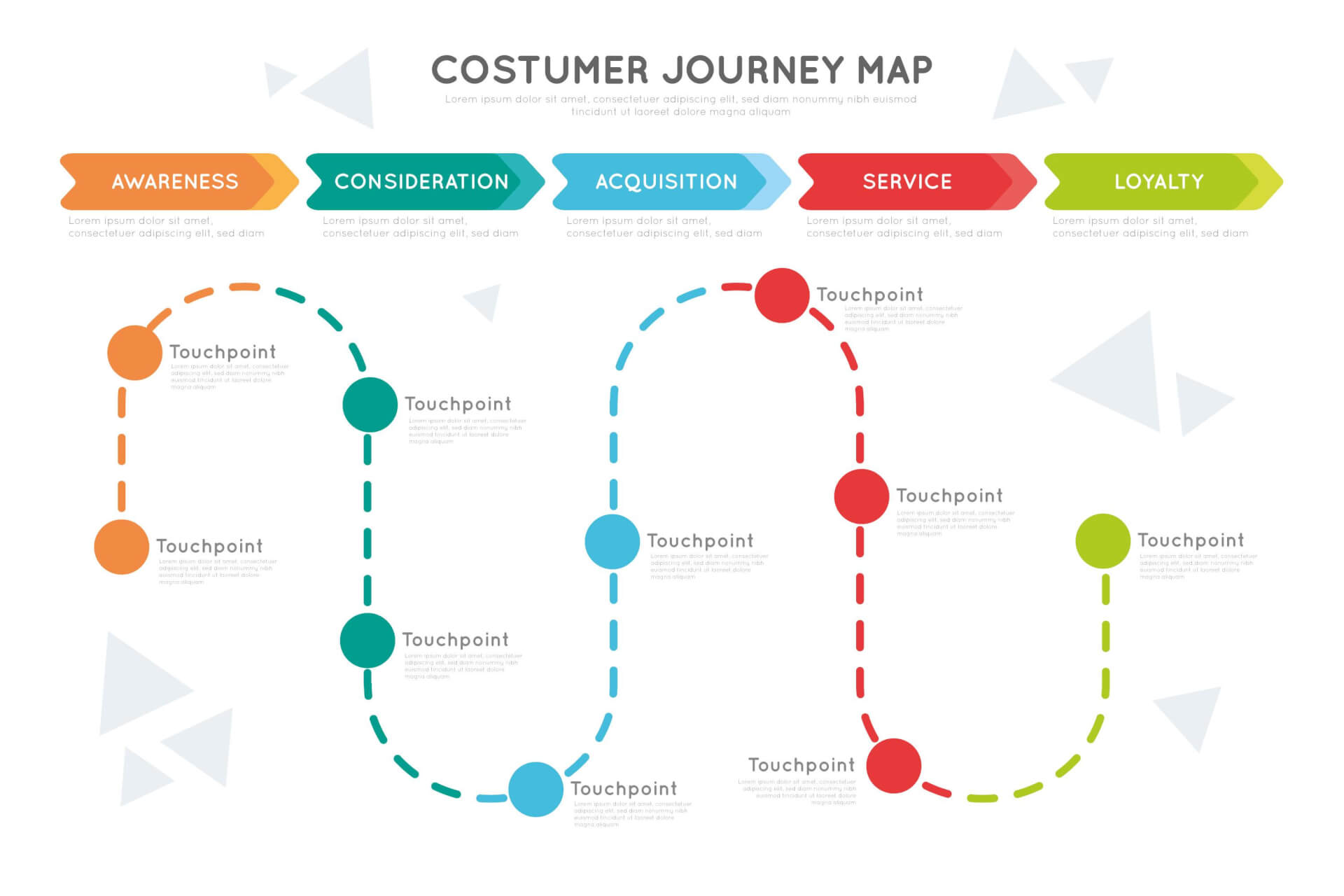 Content should support each stage of the journey:
- Awareness: Blog posts, videos, infographics
- Consideration: Webinars, whitepapers, case studies
- Decision: Demo videos, success stories, ROI calculators
Mapping ensures that content educates and satisfies prospects before they even convert, creating a strong foundation for retention.
Measuring Content Impact Beyond Clicks
Clicks and downloads are vanity metrics if they don’t correlate with satisfaction.
Better indicators include:
- Lead quality
- Time to first success
- Onboarding completion rates
- Early NPS scores
These metrics show whether content attracts the right leads who are more likely to become satisfied customers.
How Content Influences Early Customer Experience

Content shapes perception before and after conversion. When prospects interact with helpful content:
- Onboarding becomes smoother
- Questions are answered proactively
- Customers feel informed and confident
These early experiences are critical for NPS and long-term loyalty.
Feedback Loops: Integrating NPS Insights Into Content Creation
NPS provides actionable insights for content development.
Examples include:
- Addressing repeated customer concerns
- Highlighting features that promote satisfaction
- Adjusting messaging for clarity
This creates a continuous loop where content improves acquisition quality and satisfaction, and feedback further refines content.
Creating High-Value Content That Converts Promoters
 Promoters are your best advocates.
Content strategies that attract and convert promoters:
- Educate rather than just sell
- Show real use cases and benefits
- Provide actionable insights
- Encourage engagement and sharing
The result? Leads that are pre-disposed to satisfaction and advocacy.
Avoiding Content That Attracts the Wrong Leads
Not all traffic is good traffic.
Content that misleads or exaggerates may generate leads, but they:
- Struggle to adopt the product
- Increase support costs
- Reduce NPS
Acquisition-oriented content should prioritize fit and expectation alignment, not just volume.
Multi-Channel Content Distribution and Satisfaction
 Content reaches prospects across:
- Blogs and website
- Social media
- Email campaigns
- Communities
Consistency across channels ensures expectations are reinforced, reducing confusion and increasing satisfaction.
Case Study: From Blog Post to Loyal Customer
Consider a lead who discovers your product via a blog post:
- Blog educates on solving a real problem
- Lead downloads a guide with practical steps
- Onboarding emails build on that content
- Customer achieves first success quickly
By aligning content with realistic expectations, the lead transitions smoothly to a promoter, boosting NPS.
Best Practices for Satisfaction-Oriented Content Marketing
- Use customer feedback and NPS to inform content topics
- Align messaging with real product value
- Map content to the entire customer journey
- Focus on educating and nurturing leads
- Measure impact on both acquisition and satisfaction metrics
Common Mistakes That Undermine Satisfaction
 Avoid these pitfalls:
- Clickbait or misleading headlines
- Ignoring feedback from existing customers
- Overemphasizing volume over quality leads
- Failing to integrate content across channels
Each mistake risks attracting the wrong leads and lowering NPS.
Conclusion
Content marketing isn’t just a lead generation tool—it’s a customer satisfaction engine.
By aligning messaging with realistic expectations, leveraging NPS insights, and mapping content across the customer journey, businesses can attract leads that are more likely to succeed, stay, and advocate for the brand.
Ultimately, the best content doesn’t just convert—it creates loyal, satisfied customers who amplify your brand.
 Recommended reading: If this article helped you and you would like to learn more about the possibilities of using NPS in customer acquisition, continue reading here: "The role of NPS in customer acquisition"
Frequently Asked Questions (FAQs)
How does content marketing influence NPS?
Content shapes customer expectations and early experiences, which directly impacts satisfaction and loyalty measured through NPS.
Should content marketing focus on lead volume or quality?
Quality always matters more. High-quality leads are more likely to adopt the product, stay longer, and become promoters.
How can NPS feedback improve content strategy?
Feedback highlights gaps between expectations and reality, guiding content creation to address real customer needs.
What types of content are most effective for satisfaction-oriented acquisition?
Educational content, tutorials, case studies, and realistic success stories help set expectations and reduce early friction.
Why is cross-channel content consistency important?
Consistent messaging reinforces expectations across touchpoints, minimizing confusion and increasing satisfaction.