
 Conversion Rate Optimization (CRO) is often seen as a numbers game—improving click-through rates, sign-ups, or purchases. But if we stop there, we miss the bigger picture: conversion alone doesn’t guarantee happy customers.
Enter NPS (Net Promoter Score). When paired with CRO, NPS provides a data-driven lens to not just increase conversions, but ensure those conversions lead to satisfied, loyal customers.
In this article, we’ll explore how CRO and NPS can work together to optimize acquisition, boost customer satisfaction, and create long-term advocates.
What Conversion Rate Optimization (CRO) Really Means
CRO is the practice of improving the percentage of visitors who take a desired action—whether it’s signing up, downloading a guide, or making a purchase.
However, CRO is more than tweaking buttons or headlines—it’s about understanding your audience, reducing friction, and making the experience intuitive and valuable.
When done right, CRO improves not only conversion metrics but also the quality of the customer experience.
The Hidden Link Between CRO and Customer Happiness
Every conversion is a promise. When a visitor converts:
- They expect value
- They expect clarity
- They expect a smooth experience
If the promise made during conversion is unfulfilled, dissatisfaction follows—even if your conversion rate is high.
Integrating NPS into CRO allows you to measure how satisfied these newly converted customers really are, closing the loop between acquisition and happiness.
Why High Conversion Doesn’t Always Equal High Satisfaction

A campaign may achieve a 20% conversion increase, but what if:
- Users struggle to onboard
- Features are confusing
- Expectations don’t match reality
You may have more users, but lower NPS, higher churn, and more support tickets. CRO without satisfaction insight is like filling a bucket with holes.
Integrating NPS Into Your CRO Strategy
NPS provides a quantitative and qualitative measure of loyalty and satisfaction. By integrating it with CRO:
- You track not just who converts, but who is happy after conversion
- You identify which CRO changes improve experience versus just conversion
- You prioritize experiments that enhance long-term value
For example, measuring NPS post-A/B test helps distinguish short-term wins from long-term happiness improvements.
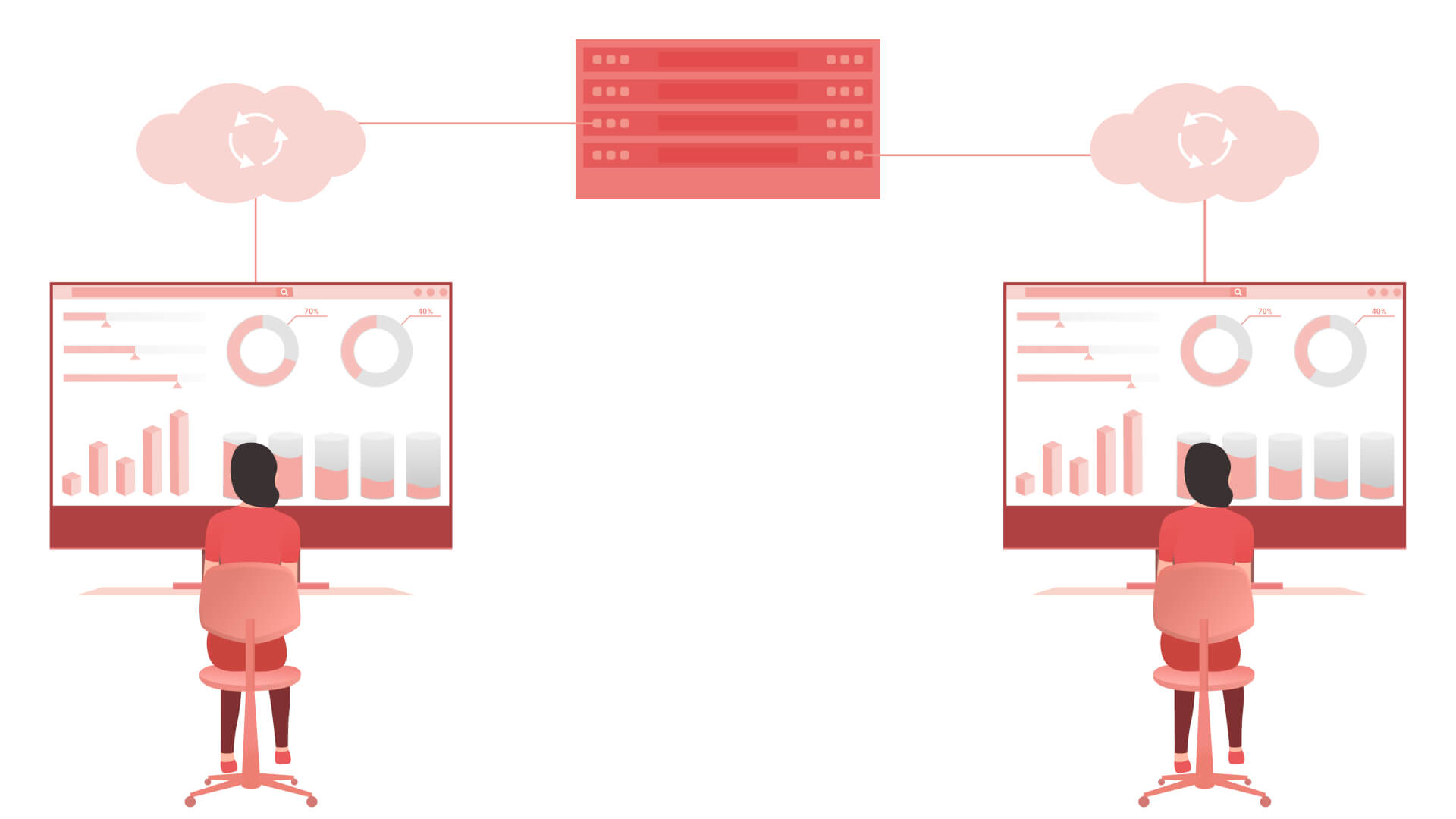 Reading Recommendation: Our Blog Article "The Power of NPS Integration: Connecting Customer Feedback Across Your Tech Stack" dives in deeper into the topic of NPS integration.
Identifying Friction Points That Affect Both Conversion and NPS
 Friction is the enemy of both CRO and customer satisfaction.
Common friction points include:
- Complicated forms
- Confusing navigation
- Lack of clarity about product benefits
- Unexpected costs
By analyzing these areas, you can optimize conversions and simultaneously set the stage for positive NPS outcomes.
Using A/B Testing to Enhance Customer Experience
A/B testing isn’t just for clicks—it’s for happiness.
- Test headline clarity to set realistic expectations
- Test onboarding flows to reduce early confusion
- Test feature messaging to improve first experiences
Combining A/B testing with NPS feedback ensures that your optimizations improve both conversion and satisfaction.
Segmenting Visitors for Personalized Optimization
 Not all visitors are the same. Segmenting by:
- Acquisition channel
- Behavior patterns
- Demographics
- Intent
…allows for tailored CRO strategies. Personalized experiences increase relevance, engagement, and satisfaction, boosting NPS alongside conversions.
How Early Interactions Shape Long-Term Satisfaction
Early customer experiences predict future loyalty. CRO should focus on:
- Immediate clarity of value
- Ease of completing desired actions
- Early wins or milestones
When early interactions are positive, conversions are more likely to translate into promoters and long-term customers.
Tracking Customer Journey Metrics Beyond Conversion
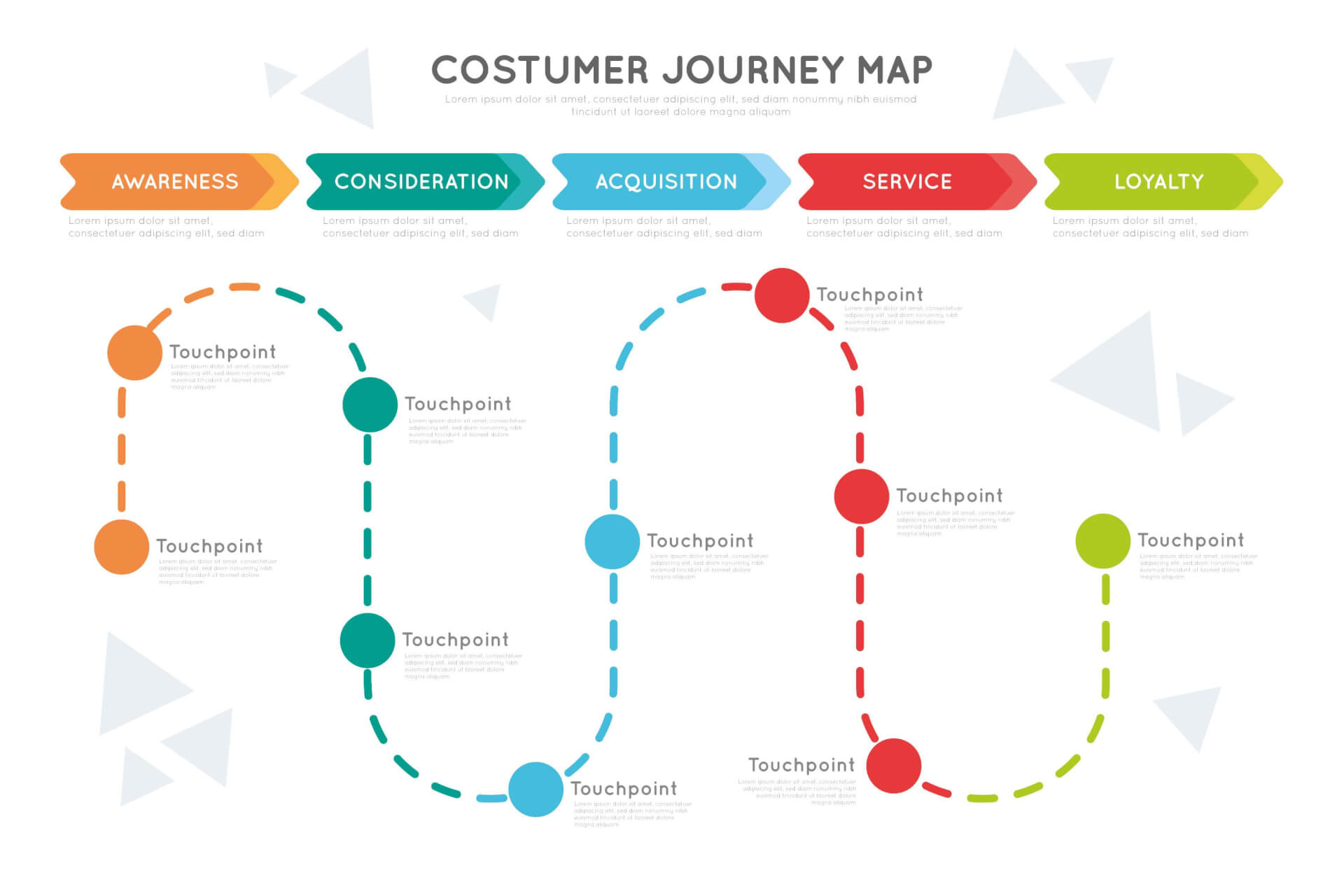 Conversions are just the first step. Other metrics that matter include:
- Time to first success
- Feature adoption rates
- Engagement frequency
- Early NPS scores
Tracking these alongside CRO experiments ensures your optimization drives real customer happiness, not just clicks.
Feedback Loops: Leveraging NPS Insights in CRO Experiments
NPS surveys provide context for why users behave the way they do.
- High detractor rates post-conversion highlight friction
- Promoter feedback reveals which elements delight users
- Trends over time show if optimizations are creating sustainable satisfaction
Integrating this feedback into CRO cycles improves both conversion efficiency and customer happiness.
Aligning Value Proposition Messaging With Expectations

CRO often focuses on persuasive messaging. But messaging must be accurate.
- Over-promising may improve initial conversions but reduce NPS
- Under-promising may reduce conversions but attract happier customers
The goal is honest, compelling messaging that converts and satisfies simultaneously.
CRO for Different Acquisition Channels
Every channel has unique behaviors and expectations:
- Paid ads may promise speed and simplicity
- Organic search users may want detailed information
- Social media leads may expect community and inspiration
CRO should be channel-specific, ensuring that optimizations meet both conversion goals and satisfaction expectations.
Avoiding Short-Term Optimization Pitfalls
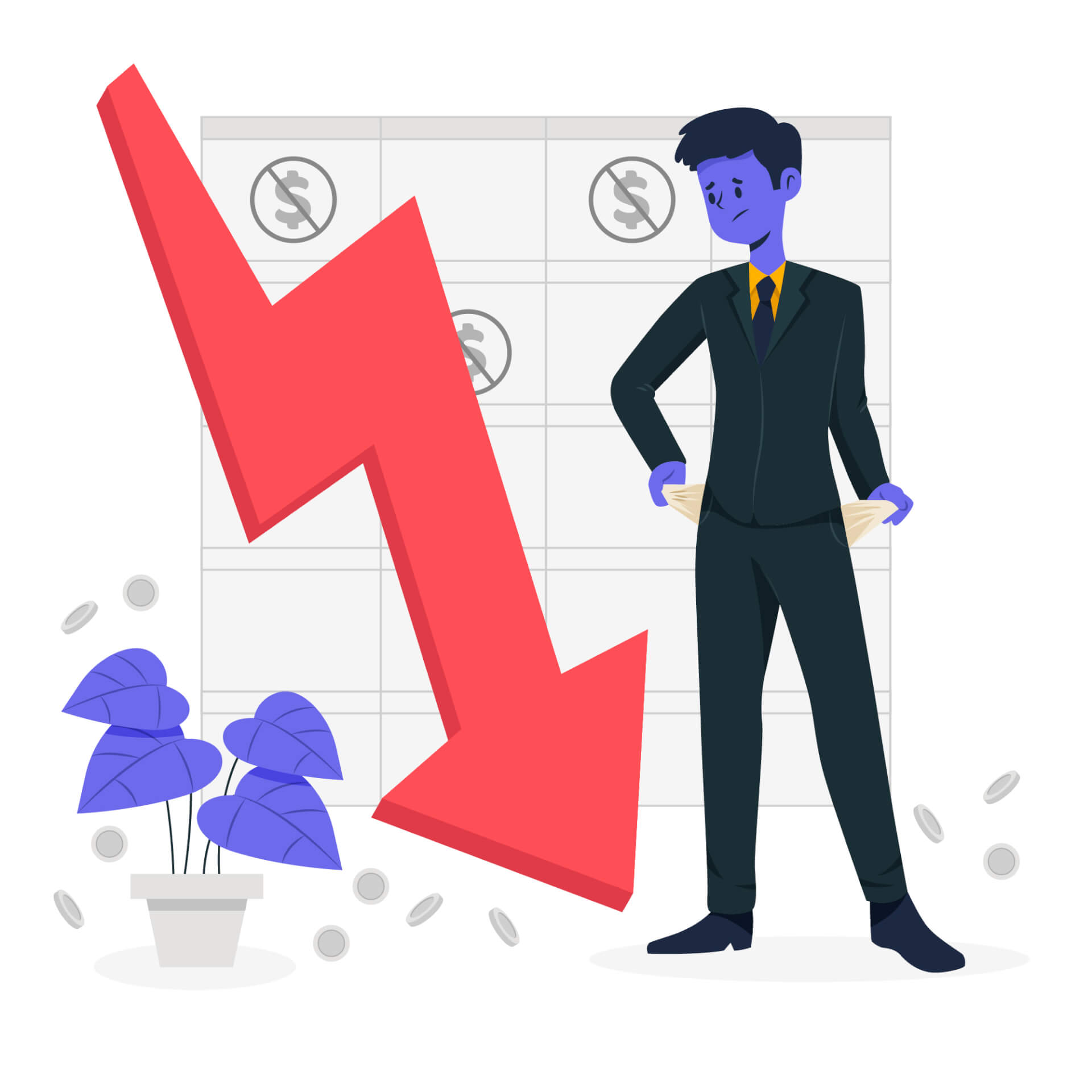 Focusing solely on immediate conversion gains can backfire:
- Aggressive pop-ups may convert but annoy users
- Misleading CTAs may increase click-through but harm trust
- Over-simplifying forms may create sign-ups that never engage
Data-driven CRO with NPS measurement ensures that short-term wins don’t harm long-term satisfaction.
How CRO Impacts Retention and Loyalty
Optimized conversions are only valuable if they lead to:
- Product adoption
- Engagement with features
- Repeat usage
- Advocacy
Integrating CRO with NPS allows you to optimize for retention and loyalty, not just immediate conversion metrics.
Best Practices for Data-Driven CRO With Satisfaction in Mind

- Always measure NPS after key CRO experiments
- Segment users for personalized insights
- Focus on friction points that affect both conversion and satisfaction
- Use qualitative feedback alongside quantitative metrics
- Balance short-term conversion wins with long-term customer happiness
Common Mistakes That Undermine Customer Happiness
- Optimizing only for clicks or sign-ups
- Ignoring NPS or customer feedback
- Misaligned messaging that over-promises
- Neglecting the post-conversion experience
Each mistake risks generating conversions that don’t translate into loyalty or advocacy.
Conclusion
CRO and NPS are two sides of the same coin. One drives conversions, the other measures customer happiness. When combined, CRO becomes about more than clicks—it’s about real value delivery. NPS insights guide smarter optimization decisions and acquisition drives both growth and satisfaction.
A data-driven approach ensures that your conversions aren’t just numbers—they’re happy, loyal customers who advocate for your brand.
 Recommended reading: If this article helped you and you would like to learn more about the role of NPS in shaping the customer experience, continue reading here: "The role of NPS in customer experience (CX)"
Frequently Asked Questions (FAQs)
How does CRO affect NPS?
CRO shapes early user experiences and expectations. Optimizations that improve clarity, usability, and value delivery lead to higher NPS.
Can A/B testing influence customer satisfaction?
Yes. Testing different experiences while tracking NPS ensures that changes enhance satisfaction, not just conversion rates.
Should CRO focus on all users or specific segments?
Segmented CRO allows personalized experiences, increasing relevance and satisfaction, and ultimately improving NPS.
What’s the biggest mistake in CRO related to customer happiness?
Focusing solely on short-term conversion metrics without considering satisfaction and long-term loyalty.
How do I measure if CRO changes positively impact customer experience?
Track NPS, early engagement, onboarding success, and churn alongside conversion metrics to see the full impact.