![[EN]](data:image/png;base64,iVBORw0KGgoAAAANSUhEUgAAAB4AAAAUCAYAAACaq43EAAAAGXRFWHRTb2Z0d2FyZQBBZG9iZSBJbWFnZVJlYWR5ccllPAAAAyRpVFh0WE1MOmNvbS5hZG9iZS54bXAAAAAAADw/eHBhY2tldCBiZWdpbj0i77u/IiBpZD0iVzVNME1wQ2VoaUh6cmVTek5UY3prYzlkIj8+IDx4OnhtcG1ldGEgeG1sbnM6eD0iYWRvYmU6bnM6bWV0YS8iIHg6eG1wdGs9IkFkb2JlIFhNUCBDb3JlIDUuMy1jMDExIDY2LjE0NTY2MSwgMjAxMi8wMi8wNi0xNDo1NjoyNyAgICAgICAgIj4gPHJkZjpSREYgeG1sbnM6cmRmPSJodHRwOi8vd3d3LnczLm9yZy8xOTk5LzAyLzIyLXJkZi1zeW50YXgtbnMjIj4gPHJkZjpEZXNjcmlwdGlvbiByZGY6YWJvdXQ9IiIgeG1sbnM6eG1wPSJodHRwOi8vbnMuYWRvYmUuY29tL3hhcC8xLjAvIiB4bWxuczp4bXBNTT0iaHR0cDovL25zLmFkb2JlLmNvbS94YXAvMS4wL21tLyIgeG1sbnM6c3RSZWY9Imh0dHA6Ly9ucy5hZG9iZS5jb20veGFwLzEuMC9zVHlwZS9SZXNvdXJjZVJlZiMiIHhtcDpDcmVhdG9yVG9vbD0iQWRvYmUgUGhvdG9zaG9wIENTNiAoTWFjaW50b3NoKSIgeG1wTU06SW5zdGFuY2VJRD0ieG1wLmlpZDpERTc5MkI3RjE3OEExMUUyQTcxNDlDNEFCRkNENzc2NiIgeG1wTU06RG9jdW1lbnRJRD0ieG1wLmRpZDpERTc5MkI4MDE3OEExMUUyQTcxNDlDNEFCRkNENzc2NiI+IDx4bXBNTTpEZXJpdmVkRnJvbSBzdFJlZjppbnN0YW5jZUlEPSJ4bXAuaWlkOkEyMTE0RjIyMTc4QTExRTJBNzE0OUM0QUJGQ0Q3NzY2IiBzdFJlZjpkb2N1bWVudElEPSJ4bXAuZGlkOkRFNzkyQjdFMTc4QTExRTJBNzE0OUM0QUJGQ0Q3NzY2Ii8+IDwvcmRmOkRlc2NyaXB0aW9uPiA8L3JkZjpSREY+IDwveDp4bXBtZXRhPiA8P3hwYWNrZXQgZW5kPSJyIj8+60cYSwAAAyhJREFUeNrElN1PU3cYxz/tOQUBD/aNymtbUAq2IOiUWXmZA40Iy2BzcW53y7JlyZLtZuE/8NaY7Gbe7WJbdJnTDOdQCbLKrERUotgCSodQ7AsFpK28yKT7rfsL2gv7JCcn+eV3zpPv5/l+H9X2xp65SqtJGfr1Fg3vNPD02SIhfwRniwP3pdvsOVxPaCHGs7+DOA/VJs8crXXEs3P48OfTfMIcU+SRaqlMzm8SNut2VuefIxvyydZIxFbWyX35iviLNZRiPZJaxdLyCkoiQUyc6cwFTPvC9FRkcbJMy7JaTrmxHIuvxaZm5xW7+Jl3NkKRaRt5OVlMjvuoqa9gwr9AgS4PvTYP78hjdtVVEAw9J+Kdxv7Td+hL8tGTeslGg8Jeexk3/riLs62O+cU441NBDjbZGbg+SlNbPYvRF9zzzHCoycFA/yhvCtRqnZbr5a1YEjGm5S2po1ZXfRHVaCTlWLODq24v1eWFGPVbuXH5Dh3vORm88xhziR5zoZ5rl9y0dx/ggS/EzGSQs5Ua3s39h7CUlbri0mKdUGzmijBXqzBXYH4Z931fsmlf7zBvd+wjIigMDI/TcbyRvt+GOSgUZ62uU3S2h8IdRgrTQK1S2T6PyhpZ+aB9LxcF2hpbCUUF27hy4S+Of/wWfUMeykuNVIin9/xNuj9qYWR8juknIc5szNC1voA/DdSypayAhlor57/vp/NEC7OBRfpveek+0cwvP/7JsfedhEWcLg8+pOtkMxfOuTjc5WSrSc+S6ymSQYtGyk5dsVT9/4zbhZmu3Z5IztggXOwSZjvSuZ+hUR9mEan/KAz+PkJb5z7GngSYdXu46T9Ho3EL6ZSKnZ9Fax0W5aFrDNuB6mROA6El7BYTnns+bPt3srK2gV+QcIjIPRLzrxL3ZkLLfB0c40udRCAd1EfFNioxaSG+Sl2NmchSnCKjwh6HBWlzk/rd1uTyMOTn8MbuctRiieyqLKbKbqXs4gSvQmFephOnRCIRFW+F11yyp/3TtD/eSKjYTM4rjcZh110yUZlDPfnVqcwovkppRhRnDrX/2x+UjKDuJXcuE4r/FWAAjBMttNdoYOEAAAAASUVORK5CYII=)
Net Promoter Score (NPS) is a key metric that helps businesses measure customer loyalty and satisfaction. However, managing NPS data from various sources can be challenging. This is where a central NPS dashboard comes in handy.
In this article, we will explore the importance of NPS, the benefits of a central NPS dashboard, integration strategies to make it work effectively, and best practices for maintaining it.
Understanding NPS and Its Importance
What is NPS?
Net Promoter Score (NPS) is a metric used to measure customer loyalty and satisfaction. It is based on a simple question: "On a scale of 0-10, how likely are you to recommend our product/service to a friend or colleague?"
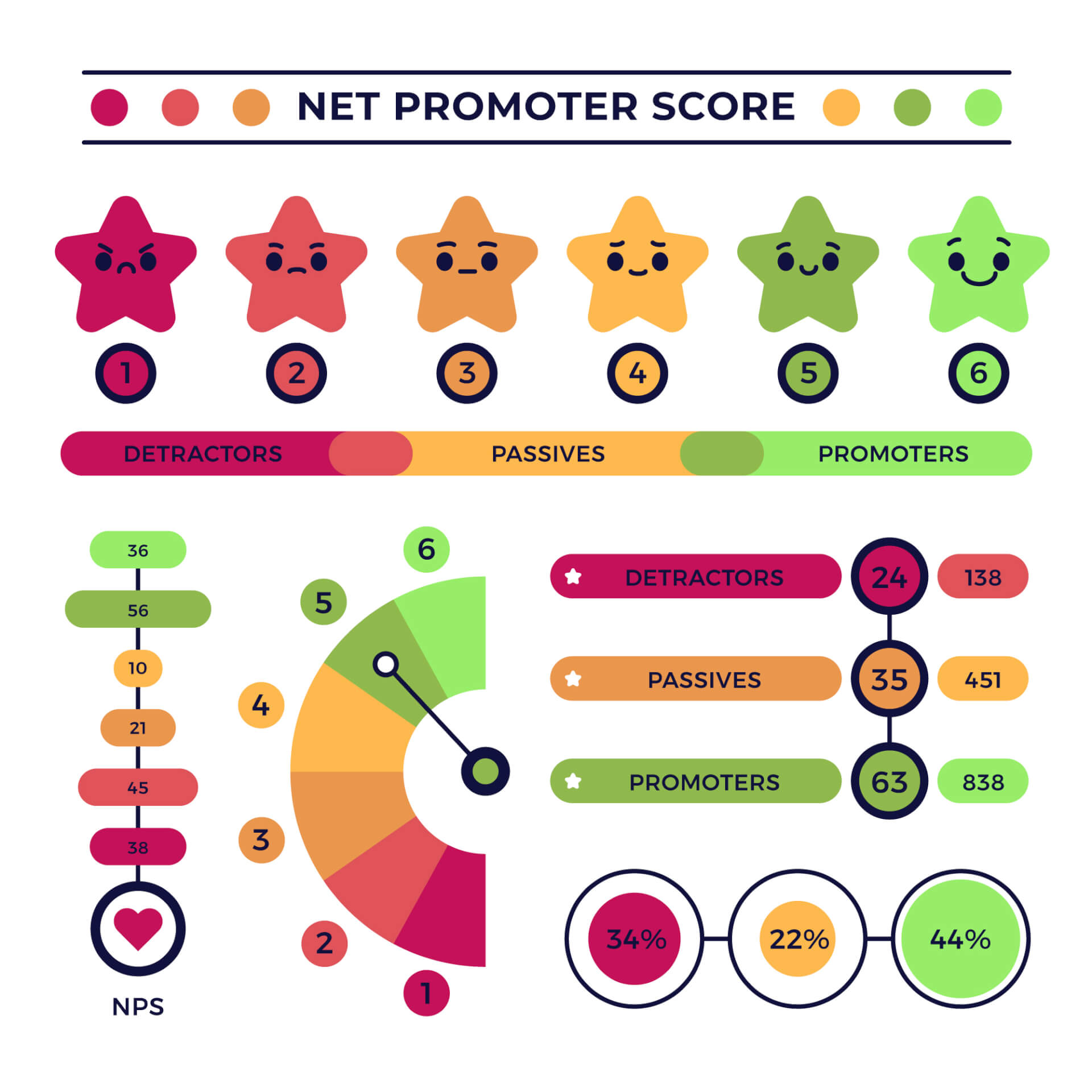
Based on their responses, customers are classified into Promoters (score 9-10), Passives (score 7-8), and Detractors (score 0-6). The NPS score is calculated by subtracting the percentage of Detractors from the percentage of Promoters.
Why is NPS Important for Businesses?
NPS provides businesses with valuable insights into customer sentiment and loyalty. It helps identify areas for improvement, measure customer satisfaction over time, and benchmark performance against competitors. By tracking NPS regularly, businesses can take proactive steps to enhance customer experience and drive growth.
Common Challenges with NPS Data
One of the main challenges businesses face with NPS data is managing it effectively. NPS data is often collected from multiple touchpoints, such as surveys, social media, and customer reviews. Consolidating this data into a central dashboard can be time-consuming and error-prone.
Without a centralized system, businesses may struggle to analyze the data efficiently and derive meaningful insights from it.
Benefits of a Central NPS Dashboard

Streamlined Data Collection
A central NPS dashboard allows businesses to consolidate data from various sources into a single platform. This streamlines the data collection process and ensures that all relevant information is easily accessible. By centralizing NPS data, businesses can save time and resources that would otherwise be spent on manual data entry and consolidation.
Enhanced Data Analysis
With a central NPS dashboard, businesses can analyze NPS data more effectively. The dashboard provides a comprehensive view of customer feedback, trends, and patterns, enabling businesses to identify key drivers of customer satisfaction and loyalty.
By visualizing the data in a clear and concise manner, businesses can make informed decisions based on real-time insights.
Improved Decision-Making
By having access to real-time NPS data through a central dashboard, businesses can make data-driven decisions that drive growth and profitability. The insights derived from the dashboard can help businesses identify areas for improvement, prioritize initiatives, and track the impact of changes over time.
This leads to more informed decision-making and better outcomes for the business.
Integration Strategies for a Central NPS Dashboard

Choosing the Right NPS Platform
The first step in creating a central NPS dashboard is to choose the right NPS platform that meets the needs of your business. Consider factors such as data integration capabilities, scalability, ease of use, and pricing. Look for a platform that allows you to consolidate data from multiple sources, customize dashboard metrics, and automate data updates.
Integrating Data Sources
Once you have selected an NPS platform, the next step is to integrate data sources into the dashboard. This may include customer surveys, social media feedback, CRM systems, and other touchpoints where NPS data is collected. By integrating data sources, businesses can ensure that all relevant information is captured and analyzed in one place.
Automating Data Updates
To ensure that the central NPS dashboard is always up to date, it is important to automate data updates. Set up automated processes to pull data from different sources into the dashboard at regular intervals. This ensures that the dashboard reflects the most recent customer feedback and trends, allowing businesses to make timely decisions based on accurate data.
Customizing Dashboard Metrics
Every business is unique, and the metrics that matter most may vary depending on the industry and customer base. Customize the dashboard metrics to align with your business goals and objectives. Include key performance indicators (KPIs) that measure customer satisfaction, loyalty, and advocacy. By tailoring the dashboard to your specific needs, you can focus on the metrics that drive business success.
Ensuring Data Security
Data security is a top priority when it comes to managing NPS data. Ensure that the central NPS dashboard complies with data protection regulations and industry standards. Implement encryption, access controls, and other security measures to safeguard customer data and prevent unauthorized access. By prioritizing data security, businesses can build trust with customers and protect sensitive information.
Best Practices for Maintaining a Central NPS Dashboard

Regular Data Quality Checks
To ensure the accuracy and reliability of NPS data, conduct regular data quality checks on the central dashboard. Verify that data sources are integrated correctly, monitor data validation processes, and address any inconsistencies or errors promptly.
By maintaining data quality standards, businesses can trust the insights derived from the dashboard and make informed decisions based on accurate data.
Training and Education for Users
Empower employees to leverage the central NPS dashboard effectively by providing training and education on its features and functionalities. Ensure that users understand how to interpret the data, generate reports, and extract meaningful insights from the dashboard. By investing in user training, businesses can maximize the value of the dashboard and drive continuous improvement in customer satisfaction.
Continuous Improvement and Optimization
A central NPS dashboard is not a one-time solution but an ongoing process that requires continuous improvement and optimization. Monitor dashboard performance, gather feedback from users, and identify areas for enhancement. Regularly review dashboard metrics, update data visualization techniques, and incorporate new features to stay ahead of evolving business needs.
By continuously improving the dashboard, businesses can adapt to changing market conditions and drive long-term success.
Conclusion
In conclusion, creating a central NPS dashboard is essential for businesses looking to leverage customer feedback effectively and drive growth. By consolidating NPS data into a centralized platform, businesses can streamline data collection, enhance data analysis, and make informed decisions based on real-time insights. Integration strategies such as choosing the right NPS platform, integrating data sources, automating data updates, customizing dashboard metrics, and ensuring data security are key to the success of a central NPS dashboard.
By following best practices for maintaining the dashboard, businesses can optimize performance, drive continuous improvement, and achieve lasting success in customer satisfaction.
FAQs
How can a central NPS dashboard benefit my business?
A central NPS dashboard streamlines data collection, enhances data analysis, and improves decision-making based on real-time insights derived from customer feedback.
What are the common challenges businesses face with NPS data?
Common challenges include managing data from multiple sources, consolidating information into a central platform, and deriving actionable insights from the data.
How can businesses ensure data security when managing NPS data?
Businesses can prioritize data security by implementing encryption, access controls, and other security measures to protect customer data and prevent unauthorized access.
What are the best practices for maintaining a central NPS dashboard?
Best practices include conducting regular data quality checks, providing training for users, and continuously improving and optimizing the dashboard to meet evolving business needs.
Why is it important to customize dashboard metrics for a central NPS dashboard?
Customizing dashboard metrics allows businesses to focus on the key performance indicators that align with their specific goals and objectives, driving success in customer satisfaction and loyalty.