![[EN]](data:image/png;base64,iVBORw0KGgoAAAANSUhEUgAAAB4AAAAUCAYAAACaq43EAAAAGXRFWHRTb2Z0d2FyZQBBZG9iZSBJbWFnZVJlYWR5ccllPAAAAyRpVFh0WE1MOmNvbS5hZG9iZS54bXAAAAAAADw/eHBhY2tldCBiZWdpbj0i77u/IiBpZD0iVzVNME1wQ2VoaUh6cmVTek5UY3prYzlkIj8+IDx4OnhtcG1ldGEgeG1sbnM6eD0iYWRvYmU6bnM6bWV0YS8iIHg6eG1wdGs9IkFkb2JlIFhNUCBDb3JlIDUuMy1jMDExIDY2LjE0NTY2MSwgMjAxMi8wMi8wNi0xNDo1NjoyNyAgICAgICAgIj4gPHJkZjpSREYgeG1sbnM6cmRmPSJodHRwOi8vd3d3LnczLm9yZy8xOTk5LzAyLzIyLXJkZi1zeW50YXgtbnMjIj4gPHJkZjpEZXNjcmlwdGlvbiByZGY6YWJvdXQ9IiIgeG1sbnM6eG1wPSJodHRwOi8vbnMuYWRvYmUuY29tL3hhcC8xLjAvIiB4bWxuczp4bXBNTT0iaHR0cDovL25zLmFkb2JlLmNvbS94YXAvMS4wL21tLyIgeG1sbnM6c3RSZWY9Imh0dHA6Ly9ucy5hZG9iZS5jb20veGFwLzEuMC9zVHlwZS9SZXNvdXJjZVJlZiMiIHhtcDpDcmVhdG9yVG9vbD0iQWRvYmUgUGhvdG9zaG9wIENTNiAoTWFjaW50b3NoKSIgeG1wTU06SW5zdGFuY2VJRD0ieG1wLmlpZDpERTc5MkI3RjE3OEExMUUyQTcxNDlDNEFCRkNENzc2NiIgeG1wTU06RG9jdW1lbnRJRD0ieG1wLmRpZDpERTc5MkI4MDE3OEExMUUyQTcxNDlDNEFCRkNENzc2NiI+IDx4bXBNTTpEZXJpdmVkRnJvbSBzdFJlZjppbnN0YW5jZUlEPSJ4bXAuaWlkOkEyMTE0RjIyMTc4QTExRTJBNzE0OUM0QUJGQ0Q3NzY2IiBzdFJlZjpkb2N1bWVudElEPSJ4bXAuZGlkOkRFNzkyQjdFMTc4QTExRTJBNzE0OUM0QUJGQ0Q3NzY2Ii8+IDwvcmRmOkRlc2NyaXB0aW9uPiA8L3JkZjpSREY+IDwveDp4bXBtZXRhPiA8P3hwYWNrZXQgZW5kPSJyIj8+60cYSwAAAyhJREFUeNrElN1PU3cYxz/tOQUBD/aNymtbUAq2IOiUWXmZA40Iy2BzcW53y7JlyZLtZuE/8NaY7Gbe7WJbdJnTDOdQCbLKrERUotgCSodQ7AsFpK28yKT7rfsL2gv7JCcn+eV3zpPv5/l+H9X2xp65SqtJGfr1Fg3vNPD02SIhfwRniwP3pdvsOVxPaCHGs7+DOA/VJs8crXXEs3P48OfTfMIcU+SRaqlMzm8SNut2VuefIxvyydZIxFbWyX35iviLNZRiPZJaxdLyCkoiQUyc6cwFTPvC9FRkcbJMy7JaTrmxHIuvxaZm5xW7+Jl3NkKRaRt5OVlMjvuoqa9gwr9AgS4PvTYP78hjdtVVEAw9J+Kdxv7Td+hL8tGTeslGg8Jeexk3/riLs62O+cU441NBDjbZGbg+SlNbPYvRF9zzzHCoycFA/yhvCtRqnZbr5a1YEjGm5S2po1ZXfRHVaCTlWLODq24v1eWFGPVbuXH5Dh3vORm88xhziR5zoZ5rl9y0dx/ggS/EzGSQs5Ua3s39h7CUlbri0mKdUGzmijBXqzBXYH4Z931fsmlf7zBvd+wjIigMDI/TcbyRvt+GOSgUZ62uU3S2h8IdRgrTQK1S2T6PyhpZ+aB9LxcF2hpbCUUF27hy4S+Of/wWfUMeykuNVIin9/xNuj9qYWR8juknIc5szNC1voA/DdSypayAhlor57/vp/NEC7OBRfpveek+0cwvP/7JsfedhEWcLg8+pOtkMxfOuTjc5WSrSc+S6ymSQYtGyk5dsVT9/4zbhZmu3Z5IztggXOwSZjvSuZ+hUR9mEan/KAz+PkJb5z7GngSYdXu46T9Ho3EL6ZSKnZ9Fax0W5aFrDNuB6mROA6El7BYTnns+bPt3srK2gV+QcIjIPRLzrxL3ZkLLfB0c40udRCAd1EfFNioxaSG+Sl2NmchSnCKjwh6HBWlzk/rd1uTyMOTn8MbuctRiieyqLKbKbqXs4gSvQmFephOnRCIRFW+F11yyp/3TtD/eSKjYTM4rjcZh110yUZlDPfnVqcwovkppRhRnDrX/2x+UjKDuJXcuE4r/FWAAjBMttNdoYOEAAAAASUVORK5CYII=)
 Customer experience plays a crucial role in determining the success of a company. One of the key metrics used to measure customer satisfaction and loyalty is Net Promoter Score (NPS). However, simply implementing an NPS program is not enough. Regularly conducting an NPS health check is essential to ensure that your program is still driving value for your business.
What is NPS and Why is it Important?
Understanding NPS
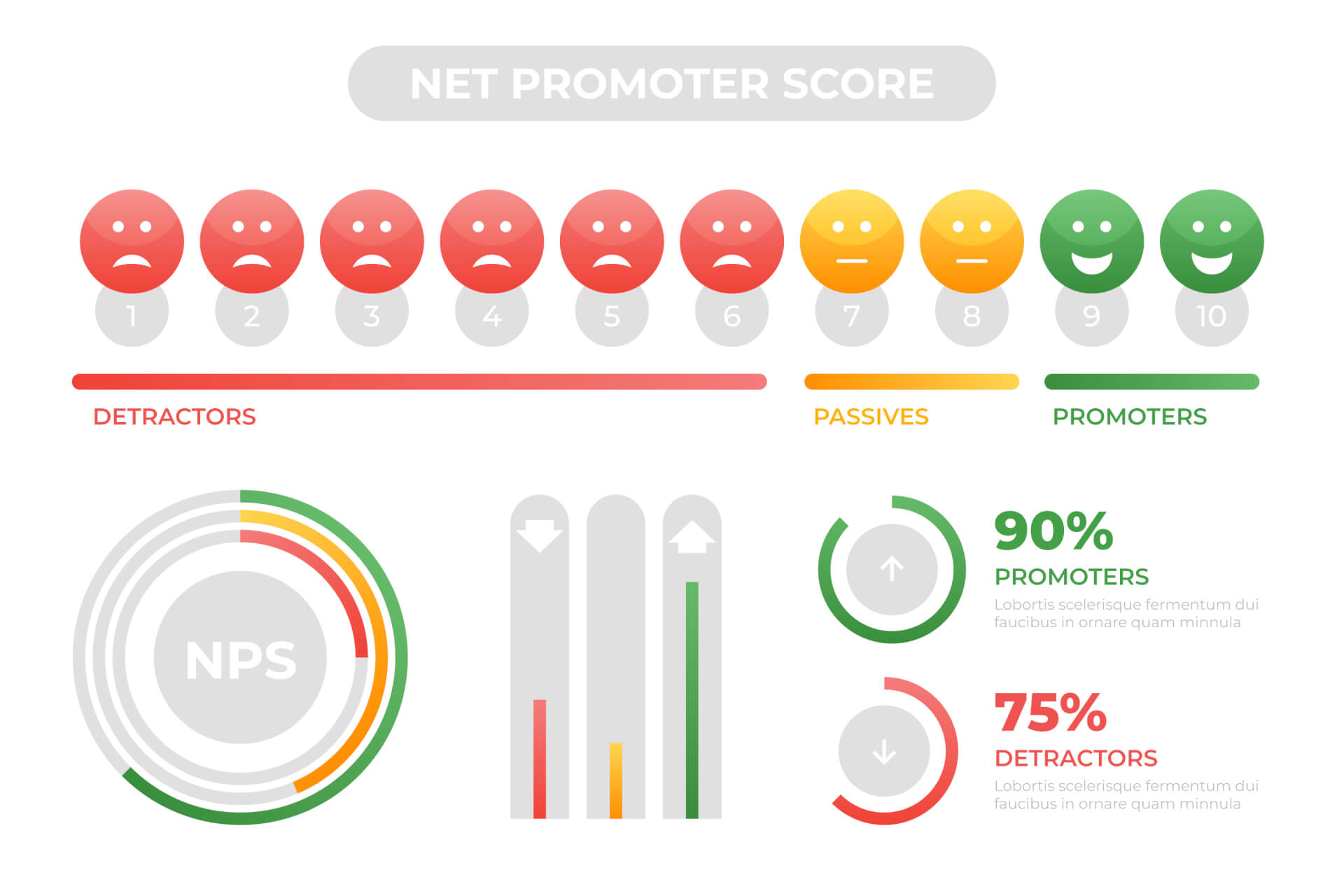
Net Promoter Score is a metric used to gauge the loyalty of customers to a company. It is based on the simple question: "On a scale of 0-10, how likely are you to recommend our company to a friend or colleague?" Customers are then categorized into Promoters (score 9-10), Passives (score 7-8), and Detractors (score 0-6).
The NPS is calculated by subtracting the percentage of Detractors from the percentage of Promoters.
Importance of NPS in Business
NPS provides valuable insights into customer satisfaction and loyalty, which are directly linked to business growth and success. A high NPS indicates that customers are likely to recommend your company to others, leading to increased customer retention and acquisition. On the other hand, a low NPS can signal potential issues that need to be addressed to improve the customer experience.
How to Conduct an NPS Health Check
Setting Clear Objectives
Before conducting an NPS health check, it is crucial to define clear objectives and goals for the evaluation. Determine what you want to achieve from the assessment, whether it is identifying areas for improvement, measuring the impact of recent changes, or benchmarking against competitors.
Collecting and Analyzing Data
Collecting feedback from customers is the foundation of an NPS health check. Use surveys, interviews, and other feedback channels to gather data on customer satisfaction and loyalty.
Analyze the data to identify trends, patterns, and correlations that can provide valuable insights into the effectiveness of your NPS program.
Identifying Areas for Improvement
Once you have collected and analyzed the data, it is important to identify areas for improvement in your NPS program. Look for common themes or issues that are affecting customer satisfaction and loyalty. Prioritize these areas and develop action plans to address them effectively.
Common Mistakes in NPS Programs

Ignoring Detractors
One common mistake in NPS programs is focusing solely on Promoters and ignoring Detractors. Detractors are customers who are unhappy with your company and are likely to spread negative word-of-mouth. It is essential to address their concerns and turn them into loyal customers to improve your NPS.
Focusing Solely on Promoters
While Promoters are valuable advocates for your company, focusing solely on them can lead to a skewed perception of your NPS. It is important to pay attention to Passives and Detractors as well, as their feedback can provide valuable insights into areas for improvement.
Lack of Actionable Insights
Another common mistake is collecting NPS data without using it to drive actionable insights. Simply measuring NPS without taking concrete steps to improve it is a wasted opportunity. Use the feedback from customers to make informed decisions and drive positive change in your organization.
Recommended reading: Still waters run deep. Listening to dissatisfied customers can save your business. In our blog article, we explain, "Why you should also talk to your detractors."
Best Practices for Maximizing NPS Value

Closing the Loop with Customers
One of the best practices for maximizing NPS value is closing the loop with customers. Reach out to customers who have provided feedback and let them know that their input is valued.
Share the actions you are taking based on their feedback to demonstrate that you are committed to improving the customer experience.
Empowering Employees to Drive Change
Empowering employees to act on NPS feedback is crucial for driving change within your organization. Provide training and resources to frontline staff to address customer concerns and make improvements based on customer feedback.
Engage employees in the NPS process to create a customer-centric culture.
Using NPS as a Strategic Tool
Finally, use NPS as a strategic tool to drive business growth and success. Integrate NPS data into decision-making processes, set targets for improvement, and track progress over time. Use NPS insights to identify opportunities for innovation and differentiation in the market.

Recommended reading: Our blog article "The Power of Customer Success: Fostering Satisfaction and Loyalty" shows you how to ensure long-term customer satisfaction and loyalty.
Conclusion
In conclusion, conducting an NPS health check is essential to ensure that your program is still driving value for your business. By setting clear objectives, collecting and analyzing data, identifying areas for improvement, avoiding common mistakes, and following best practices, you can maximize the impact of your NPS program and enhance the customer experience.
Reading recommendation: If this article helped you and you would like to find out more about the Net Promoter Score, continue reading here: “The Net Promoter Score – Basics and Areas of Application”
FAQs
How often should I conduct an NPS health check?
It is recommended to conduct an NPS health check at least once a quarter to track changes in customer satisfaction and loyalty over time.
What is the best way to collect feedback for an NPS health check?
There are various methods to collect feedback, including online surveys, email campaigns, and customer interviews. Choose the method that best suits your audience and objectives.
How can I turn Detractors into Promoters?
To turn Detractors into Promoters, address their concerns promptly, offer solutions to their issues, and follow up to ensure their satisfaction. Providing exceptional customer service can help convert Detractors into loyal advocates.
How can I measure the ROI of my NPS program?
To measure the ROI of your NPS program, track key metrics such as customer retention, referral rates, and revenue growth. Calculate the cost of implementing the program and compare it to the benefits generated from improved customer loyalty.
What role does senior leadership play in an NPS program?
Senior leadership plays a crucial role in championing the NPS program, setting the tone for a customer-centric culture, and allocating resources to support initiatives based on customer feedback. Engage senior leaders in the NPS process to drive organizational change and customer loyalty.