![[EN]](data:image/png;base64,iVBORw0KGgoAAAANSUhEUgAAAB4AAAAUCAYAAACaq43EAAAAGXRFWHRTb2Z0d2FyZQBBZG9iZSBJbWFnZVJlYWR5ccllPAAAAyRpVFh0WE1MOmNvbS5hZG9iZS54bXAAAAAAADw/eHBhY2tldCBiZWdpbj0i77u/IiBpZD0iVzVNME1wQ2VoaUh6cmVTek5UY3prYzlkIj8+IDx4OnhtcG1ldGEgeG1sbnM6eD0iYWRvYmU6bnM6bWV0YS8iIHg6eG1wdGs9IkFkb2JlIFhNUCBDb3JlIDUuMy1jMDExIDY2LjE0NTY2MSwgMjAxMi8wMi8wNi0xNDo1NjoyNyAgICAgICAgIj4gPHJkZjpSREYgeG1sbnM6cmRmPSJodHRwOi8vd3d3LnczLm9yZy8xOTk5LzAyLzIyLXJkZi1zeW50YXgtbnMjIj4gPHJkZjpEZXNjcmlwdGlvbiByZGY6YWJvdXQ9IiIgeG1sbnM6eG1wPSJodHRwOi8vbnMuYWRvYmUuY29tL3hhcC8xLjAvIiB4bWxuczp4bXBNTT0iaHR0cDovL25zLmFkb2JlLmNvbS94YXAvMS4wL21tLyIgeG1sbnM6c3RSZWY9Imh0dHA6Ly9ucy5hZG9iZS5jb20veGFwLzEuMC9zVHlwZS9SZXNvdXJjZVJlZiMiIHhtcDpDcmVhdG9yVG9vbD0iQWRvYmUgUGhvdG9zaG9wIENTNiAoTWFjaW50b3NoKSIgeG1wTU06SW5zdGFuY2VJRD0ieG1wLmlpZDpERTc5MkI3RjE3OEExMUUyQTcxNDlDNEFCRkNENzc2NiIgeG1wTU06RG9jdW1lbnRJRD0ieG1wLmRpZDpERTc5MkI4MDE3OEExMUUyQTcxNDlDNEFCRkNENzc2NiI+IDx4bXBNTTpEZXJpdmVkRnJvbSBzdFJlZjppbnN0YW5jZUlEPSJ4bXAuaWlkOkEyMTE0RjIyMTc4QTExRTJBNzE0OUM0QUJGQ0Q3NzY2IiBzdFJlZjpkb2N1bWVudElEPSJ4bXAuZGlkOkRFNzkyQjdFMTc4QTExRTJBNzE0OUM0QUJGQ0Q3NzY2Ii8+IDwvcmRmOkRlc2NyaXB0aW9uPiA8L3JkZjpSREY+IDwveDp4bXBtZXRhPiA8P3hwYWNrZXQgZW5kPSJyIj8+60cYSwAAAyhJREFUeNrElN1PU3cYxz/tOQUBD/aNymtbUAq2IOiUWXmZA40Iy2BzcW53y7JlyZLtZuE/8NaY7Gbe7WJbdJnTDOdQCbLKrERUotgCSodQ7AsFpK28yKT7rfsL2gv7JCcn+eV3zpPv5/l+H9X2xp65SqtJGfr1Fg3vNPD02SIhfwRniwP3pdvsOVxPaCHGs7+DOA/VJs8crXXEs3P48OfTfMIcU+SRaqlMzm8SNut2VuefIxvyydZIxFbWyX35iviLNZRiPZJaxdLyCkoiQUyc6cwFTPvC9FRkcbJMy7JaTrmxHIuvxaZm5xW7+Jl3NkKRaRt5OVlMjvuoqa9gwr9AgS4PvTYP78hjdtVVEAw9J+Kdxv7Td+hL8tGTeslGg8Jeexk3/riLs62O+cU441NBDjbZGbg+SlNbPYvRF9zzzHCoycFA/yhvCtRqnZbr5a1YEjGm5S2po1ZXfRHVaCTlWLODq24v1eWFGPVbuXH5Dh3vORm88xhziR5zoZ5rl9y0dx/ggS/EzGSQs5Ua3s39h7CUlbri0mKdUGzmijBXqzBXYH4Z931fsmlf7zBvd+wjIigMDI/TcbyRvt+GOSgUZ62uU3S2h8IdRgrTQK1S2T6PyhpZ+aB9LxcF2hpbCUUF27hy4S+Of/wWfUMeykuNVIin9/xNuj9qYWR8juknIc5szNC1voA/DdSypayAhlor57/vp/NEC7OBRfpveek+0cwvP/7JsfedhEWcLg8+pOtkMxfOuTjc5WSrSc+S6ymSQYtGyk5dsVT9/4zbhZmu3Z5IztggXOwSZjvSuZ+hUR9mEan/KAz+PkJb5z7GngSYdXu46T9Ho3EL6ZSKnZ9Fax0W5aFrDNuB6mROA6El7BYTnns+bPt3srK2gV+QcIjIPRLzrxL3ZkLLfB0c40udRCAd1EfFNioxaSG+Sl2NmchSnCKjwh6HBWlzk/rd1uTyMOTn8MbuctRiieyqLKbKbqXs4gSvQmFephOnRCIRFW+F11yyp/3TtD/eSKjYTM4rjcZh110yUZlDPfnVqcwovkppRhRnDrX/2x+UjKDuJXcuE4r/FWAAjBMttNdoYOEAAAAASUVORK5CYII=)
Customer success reporting plays a vital role in helping businesses understand the effectiveness of their strategies and initiatives in retaining and growing their customer base. However, with a plethora of metrics available, it can be challenging to determine which ones truly matter in driving customer success.
In this comprehensive guide, we will delve into the world of customer success metrics, explore the key metrics that businesses should track, discuss best practices for customer success reporting, debunk common misconceptions, and provide actionable insights for optimizing customer success strategies.
Understanding Customer Success Metrics

Definition of Customer Success Metrics
Customer success metrics are quantifiable measurements that help businesses gauge the satisfaction, loyalty, and overall success of their customer base. These metrics provide valuable insights into how well a company is meeting the needs and expectations of its customers, as well as the effectiveness of its customer success initiatives.
Importance of Customer Success Metrics
Customer success metrics are crucial for businesses looking to drive growth, increase customer retention, and enhance overall customer satisfaction. By tracking and analyzing these metrics, companies can identify areas of improvement, make data-driven decisions, and ultimately, build stronger, more loyal customer relationships.
Commonly Used Customer Success Metrics
Some of the most commonly used customer success metrics include
- Net Promoter Score (NPS)
- Customer Churn Rate
- Customer Lifetime Value (CLV)
- Customer Health Score
- Expansion Revenue
- and Product Adoption Rate.
Each of these metrics provides unique insights into different aspects of customer success and can help businesses evaluate their performance and identify areas for improvement.

Choosing the Right Customer Success Metrics
When selecting which customer success metrics to track, it's essential for businesses to align them with their overall goals and objectives.
By focusing on the metrics that are most relevant to their specific business model and customer base, companies can ensure that they are measuring what truly matters in driving customer success.
Real-World Examples of Customer Success Metrics
To better understand how customer success metrics work in practice, let's consider a real-world example.
A SaaS company may track its Net Promoter Score to measure customer satisfaction and loyalty, its Customer Churn Rate to assess customer retention, and its Customer Health Score to monitor the overall health of its customer relationships.
By analyzing these metrics, the company can identify areas for improvement and take proactive steps to enhance its customer success efforts.
Key Customer Success Metrics to Track
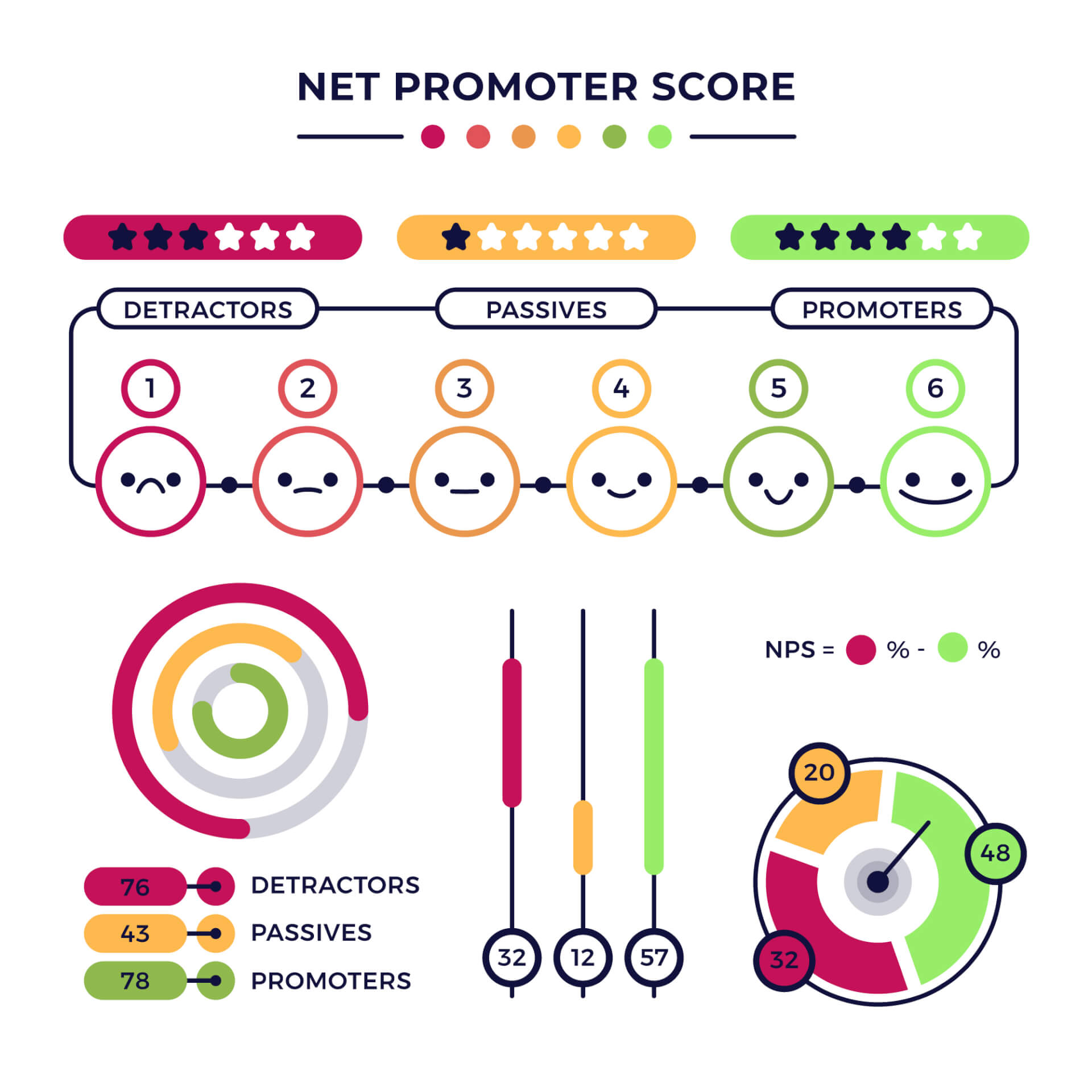
Net Promoter Score (NPS)
Net Promoter Score is a widely used metric that measures the likelihood of customers to recommend a company's products or services to others. By calculating the NPS, businesses can gauge customer satisfaction and loyalty, as well as identify potential brand advocates and detractors.
Customer Churn Rate
Customer Churn Rate is the percentage of customers who stop using a company's products or services within a given period. By tracking the churn rate, businesses can assess customer retention and identify factors that may be contributing to customer attrition.
Customer Lifetime Value
(CLV) Customer Lifetime Value is the total revenue that a customer is expected to generate over the entire duration of their relationship with a company. By calculating the CLV, businesses can determine the long-term value of their customer base and tailor their customer success strategies accordingly.

Customer Health Score
Customer Health Score is a metric that assesses the overall health of a company's customer relationships based on various factors such as usage, engagement, and satisfaction. By monitoring the health score, businesses can proactively identify at-risk customers and take steps to prevent churn.
Expansion Revenue
Expansion Revenue refers to the additional revenue generated from existing customers through upsells, cross-sells, and upgrades. By tracking expansion revenue, businesses can measure their success in driving customer growth and increasing customer lifetime value.
Product Adoption Rate
Product Adoption Rate measures the rate at which customers are using a company's products or services. By analyzing the adoption rate, businesses can evaluate the effectiveness of their onboarding processes, identify areas for improvement, and drive higher levels of customer engagement.
Best Practices for Customer Success Reporting

Establish Clear Goals and Objectives
Before diving into customer success reporting, it's essential for businesses to establish clear goals and objectives. By defining what they hope to achieve through their customer success efforts, companies can align their metrics and strategies accordingly and measure their success against specific benchmarks.
Use a Customer Success Platform
Utilizing a customer success platform can streamline the process of tracking and analyzing customer success metrics. These platforms provide businesses with the tools and insights they need to monitor customer health, identify at-risk accounts, and drive proactive customer engagement.
Regularly Review and Analyze Data
Consistent data review and analysis are key to deriving meaningful insights from customer success metrics. By regularly reviewing their data, businesses can identify trends, patterns, and opportunities for improvement, as well as make informed decisions to enhance their customer success strategies.
Communicate Findings Effectively
Effective communication of customer success metrics is essential for ensuring alignment and buy-in across the organization. By sharing their findings with key stakeholders, businesses can foster a culture of data-driven decision-making and drive collaboration towards common customer success goals.
Continuously Improve and Iterate
Customer success reporting is an ongoing process that requires continuous improvement and iteration. By learning from past successes and failures, adapting to changing customer needs, and experimenting with new strategies, businesses can optimize their customer success efforts and drive long-term growth and success.
Common Misconceptions about Customer Success Metrics

Quantity Over Quality
One common misconception about customer success metrics is that more metrics are always better.
In reality, it's essential for businesses to focus on quality over quantity and track only the metrics that are most relevant to their specific goals and objectives.
Focusing Solely on Revenue Metrics
While revenue metrics are important indicators of business success, focusing solely on revenue can lead to a narrow view of customer success.
It's crucial for businesses to consider a holistic set of metrics that encompass customer satisfaction, loyalty, retention, and engagement to drive long-term growth and sustainability.
Ignoring Customer Feedback
Customer feedback is a valuable source of insights that can help businesses understand their customers' needs, preferences, and pain points. Ignoring customer feedback can result in missed opportunities for improvement and hinder the effectiveness of customer success initiatives.
Not Adapting to Changing Customer Needs
Customer needs and expectations are constantly evolving, and businesses must adapt their customer success strategies accordingly. Failing to adjust to changing customer needs can lead to decreased satisfaction, increased churn, and ultimately, hindered growth and success.
Overlooking the Human Element
In the age of data-driven decision-making, it's easy for businesses to overlook the human element of customer success. Building strong, personal relationships with customers, understanding their unique needs and preferences, and providing exceptional customer service are essential components of driving long-term customer success.
Conclusion
In conclusion, customer success reporting is a critical component of driving growth, increasing customer retention, and enhancing overall customer satisfaction.
By tracking and analyzing key customer success metrics, businesses can gain valuable insights into the effectiveness of their strategies, identify areas for improvement, and ultimately, build stronger, more loyal customer relationships. By following best practices, debunking common misconceptions, and continuously iterating on their customer success efforts, companies can optimize their customer success strategies and drive long-term success in today's competitive business landscape.

Recommended reading: If this article helped you and you would like to learn more about the role of NPS in shaping the customer experience, continue reading here: "The role of NPS in customer experience (CX)"
FAQs
Why is it important to track customer success metrics?
Tracking customer success metrics is essential for businesses looking to drive growth, increase customer retention, and enhance overall customer satisfaction. These metrics provide valuable insights into how well a company is meeting the needs and expectations of its customers, as well as the effectiveness of its customer success initiatives.
How can businesses choose the right customer success metrics to track?
When selecting which customer success metrics to track, it's essential for businesses to align them with their overall goals and objectives. By focusing on the metrics that are most relevant to their specific business model and customer base, companies can ensure that they are measuring what truly matters in driving customer success.
What are some common misconceptions about customer success metrics?
Some common misconceptions about customer success metrics include focusing solely on revenue metrics, ignoring customer feedback, and not adapting to changing customer needs. It's crucial for businesses to consider a holistic set of metrics that encompass customer satisfaction, loyalty, retention, and engagement to drive long-term growth and sustainability.
How can businesses effectively communicate their customer success findings?
Effective communication of customer success metrics is essential for ensuring alignment and buy-in across the organization. By sharing their findings with key stakeholders, businesses can foster a culture of data-driven decision-making and drive collaboration towards common customer success goals.
What are the key best practices for customer success reporting?
Key best practices for customer success reporting include establishing clear goals and objectives, using a customer success platform, regularly reviewing and analyzing data, communicating findings effectively, and continuously improving and iterating on customer success strategies. By following these best practices, businesses can optimize their customer success efforts and drive long-term growth and success.