![[EN]](data:image/png;base64,iVBORw0KGgoAAAANSUhEUgAAAB4AAAAUCAYAAACaq43EAAAAGXRFWHRTb2Z0d2FyZQBBZG9iZSBJbWFnZVJlYWR5ccllPAAAAyRpVFh0WE1MOmNvbS5hZG9iZS54bXAAAAAAADw/eHBhY2tldCBiZWdpbj0i77u/IiBpZD0iVzVNME1wQ2VoaUh6cmVTek5UY3prYzlkIj8+IDx4OnhtcG1ldGEgeG1sbnM6eD0iYWRvYmU6bnM6bWV0YS8iIHg6eG1wdGs9IkFkb2JlIFhNUCBDb3JlIDUuMy1jMDExIDY2LjE0NTY2MSwgMjAxMi8wMi8wNi0xNDo1NjoyNyAgICAgICAgIj4gPHJkZjpSREYgeG1sbnM6cmRmPSJodHRwOi8vd3d3LnczLm9yZy8xOTk5LzAyLzIyLXJkZi1zeW50YXgtbnMjIj4gPHJkZjpEZXNjcmlwdGlvbiByZGY6YWJvdXQ9IiIgeG1sbnM6eG1wPSJodHRwOi8vbnMuYWRvYmUuY29tL3hhcC8xLjAvIiB4bWxuczp4bXBNTT0iaHR0cDovL25zLmFkb2JlLmNvbS94YXAvMS4wL21tLyIgeG1sbnM6c3RSZWY9Imh0dHA6Ly9ucy5hZG9iZS5jb20veGFwLzEuMC9zVHlwZS9SZXNvdXJjZVJlZiMiIHhtcDpDcmVhdG9yVG9vbD0iQWRvYmUgUGhvdG9zaG9wIENTNiAoTWFjaW50b3NoKSIgeG1wTU06SW5zdGFuY2VJRD0ieG1wLmlpZDpERTc5MkI3RjE3OEExMUUyQTcxNDlDNEFCRkNENzc2NiIgeG1wTU06RG9jdW1lbnRJRD0ieG1wLmRpZDpERTc5MkI4MDE3OEExMUUyQTcxNDlDNEFCRkNENzc2NiI+IDx4bXBNTTpEZXJpdmVkRnJvbSBzdFJlZjppbnN0YW5jZUlEPSJ4bXAuaWlkOkEyMTE0RjIyMTc4QTExRTJBNzE0OUM0QUJGQ0Q3NzY2IiBzdFJlZjpkb2N1bWVudElEPSJ4bXAuZGlkOkRFNzkyQjdFMTc4QTExRTJBNzE0OUM0QUJGQ0Q3NzY2Ii8+IDwvcmRmOkRlc2NyaXB0aW9uPiA8L3JkZjpSREY+IDwveDp4bXBtZXRhPiA8P3hwYWNrZXQgZW5kPSJyIj8+60cYSwAAAyhJREFUeNrElN1PU3cYxz/tOQUBD/aNymtbUAq2IOiUWXmZA40Iy2BzcW53y7JlyZLtZuE/8NaY7Gbe7WJbdJnTDOdQCbLKrERUotgCSodQ7AsFpK28yKT7rfsL2gv7JCcn+eV3zpPv5/l+H9X2xp65SqtJGfr1Fg3vNPD02SIhfwRniwP3pdvsOVxPaCHGs7+DOA/VJs8crXXEs3P48OfTfMIcU+SRaqlMzm8SNut2VuefIxvyydZIxFbWyX35iviLNZRiPZJaxdLyCkoiQUyc6cwFTPvC9FRkcbJMy7JaTrmxHIuvxaZm5xW7+Jl3NkKRaRt5OVlMjvuoqa9gwr9AgS4PvTYP78hjdtVVEAw9J+Kdxv7Td+hL8tGTeslGg8Jeexk3/riLs62O+cU441NBDjbZGbg+SlNbPYvRF9zzzHCoycFA/yhvCtRqnZbr5a1YEjGm5S2po1ZXfRHVaCTlWLODq24v1eWFGPVbuXH5Dh3vORm88xhziR5zoZ5rl9y0dx/ggS/EzGSQs5Ua3s39h7CUlbri0mKdUGzmijBXqzBXYH4Z931fsmlf7zBvd+wjIigMDI/TcbyRvt+GOSgUZ62uU3S2h8IdRgrTQK1S2T6PyhpZ+aB9LxcF2hpbCUUF27hy4S+Of/wWfUMeykuNVIin9/xNuj9qYWR8juknIc5szNC1voA/DdSypayAhlor57/vp/NEC7OBRfpveek+0cwvP/7JsfedhEWcLg8+pOtkMxfOuTjc5WSrSc+S6ymSQYtGyk5dsVT9/4zbhZmu3Z5IztggXOwSZjvSuZ+hUR9mEan/KAz+PkJb5z7GngSYdXu46T9Ho3EL6ZSKnZ9Fax0W5aFrDNuB6mROA6El7BYTnns+bPt3srK2gV+QcIjIPRLzrxL3ZkLLfB0c40udRCAd1EfFNioxaSG+Sl2NmchSnCKjwh6HBWlzk/rd1uTyMOTn8MbuctRiieyqLKbKbqXs4gSvQmFephOnRCIRFW+F11yyp/3TtD/eSKjYTM4rjcZh110yUZlDPfnVqcwovkppRhRnDrX/2x+UjKDuJXcuE4r/FWAAjBMttNdoYOEAAAAASUVORK5CYII=)
One effective way to gather valuable insights about your customers' needs and preferences is through Net Promoter Score (NPS) segmentation. NPS segmentation allows businesses to divide their customers into different groups based on their likelihood to recommend the brand to others. By using this segmentation strategy, businesses can tailor their marketing efforts and communication strategies to drive targeted customer actions.
In this article, we will discuss how to effectively use NPS segmentation to drive targeted customer actions.

What is NPS Segmentation?
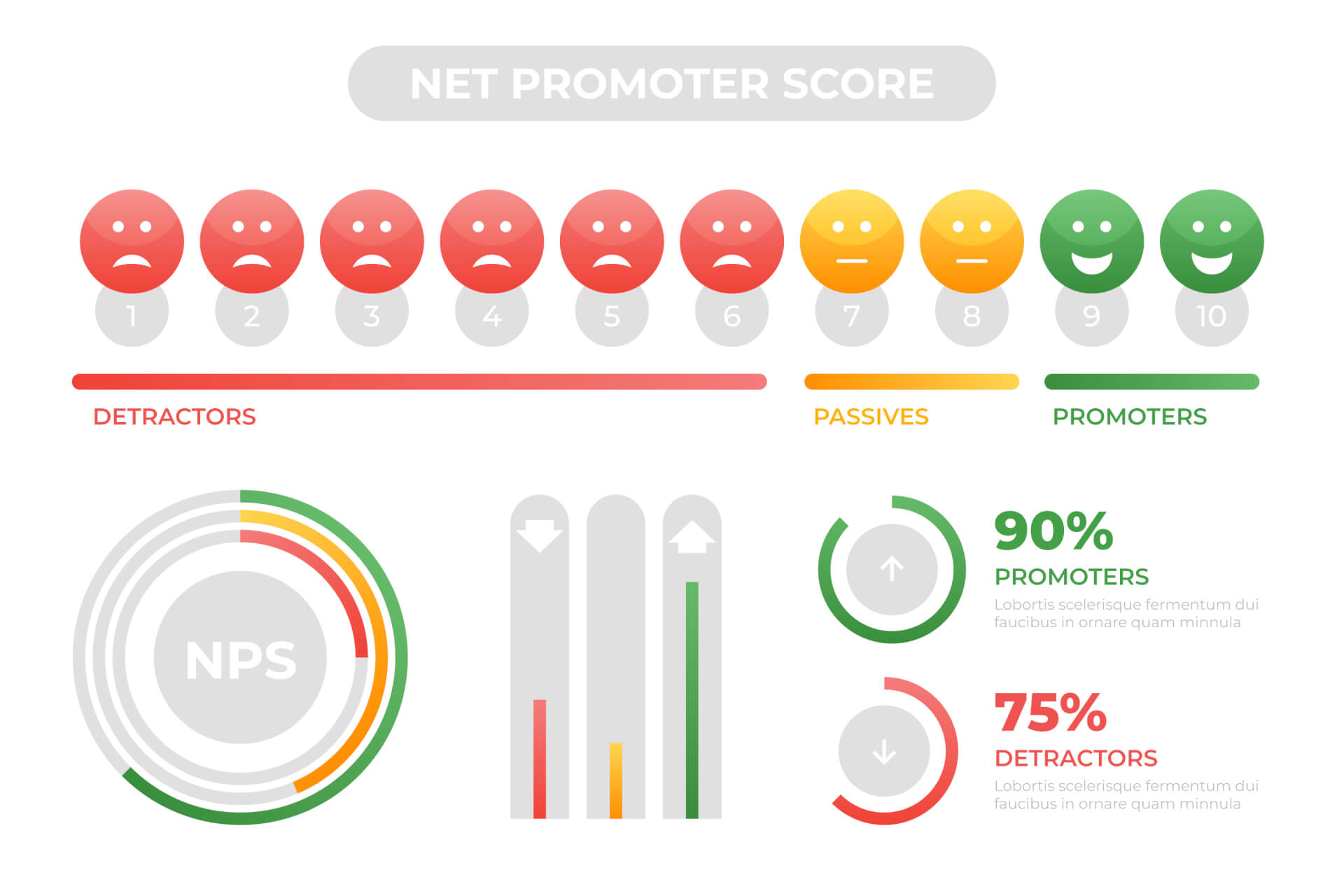
NPS segmentation is a method of categorizing customers based on their NPS scores. NPS scores are obtained by asking customers a single question: "On a scale of 0-10, how likely are you to recommend our company to a friend or colleague?"
Based on their responses, customers are classified into three categories:
- Promoters (score 9-10): These are loyal customers who are likely to recommend the brand to others.
- Passives (score 7-8): These customers are satisfied but not enthusiastic enough to promote the brand.
- Detractors (score 0-6): These customers are unhappy and may spread negative word-of-mouth about the brand.
Why is NPS Segmentation Important?
NPS segmentation is important because it allows businesses to identify their most loyal customers (Promoters) and focus on retaining and engaging them. By understanding the needs and preferences of Promoters, businesses can create targeted marketing campaigns and loyalty programs to encourage them to spread positive word-of-mouth.
On the other hand, businesses can also identify Detractors and address their concerns to prevent them from damaging the brand's reputation.
How to Use NPS Segmentation to Drive Targeted Customer Actions

1 - Identify Promoters and Passives
The first step in using NPS segmentation is to identify Promoters and Passives in your customer base. This can be done by analyzing the NPS survey results and categorizing customers based on their scores.
2 - Create Targeted Marketing Campaigns
Once you have identified Promoters, you can create targeted marketing campaigns to encourage them to refer the brand to others. This can include referral programs, exclusive discounts, or personalized offers.
3 - Engage with Promoters
Engaging with Promoters is essential to maintain their loyalty and encourage them to become brand advocates. This can be done through personalized communication, loyalty rewards, or special events.
4 - Address Detractors' Concerns
It is important to address the concerns of Detractors to prevent them from spreading negative word-of-mouth. By reaching out to Detractors and resolving their issues, businesses can turn them into satisfied customers.
5 - Monitor and Measure Results
It is crucial to monitor and measure the results of your NPS segmentation strategy to determine its effectiveness. This can be done by tracking referral rates, customer satisfaction scores, and customer retention rates.
Conclusion
In conclusion, NPS segmentation is a powerful tool that businesses can use to drive targeted customer actions. By identifying Promoters, Passives, and Detractors in their customer base, businesses can tailor their marketing efforts and communication strategies to maximize customer loyalty and advocacy.
By following the steps outlined in this article, businesses can effectively use NPS segmentation to drive targeted customer actions and ultimately improve their bottom line.
Reading recommendation: If this article helped you and you would like to find out more about the Net Promoter Score, continue reading here: “The Net Promoter Score – Basics and Areas of Application”
FAQs
What is NPS segmentation?
NPS segmentation is a method of categorizing customers based on their likelihood to recommend the brand to others.
Why is NPS segmentation important?
NPS segmentation is important because it helps businesses identify their most loyal customers and address the concerns of unhappy customers.
How can businesses use NPS segmentation to drive targeted customer actions?
Businesses can use NPS segmentation to identify Promoters and Passives, create targeted marketing campaigns, engage with Promoters, address Detractors' concerns, and monitor results.
How do businesses measure the effectiveness of their NPS segmentation strategy?
Businesses can measure the effectiveness of their NPS segmentation strategy by tracking referral rates, customer satisfaction scores, and customer retention rates.
What are some examples of targeted customer actions that businesses can drive using NPS segmentation?
Examples of targeted customer actions include increasing customer referrals, improving customer satisfaction, and enhancing customer loyalty.