![[EN]](data:image/png;base64,iVBORw0KGgoAAAANSUhEUgAAAB4AAAAUCAYAAACaq43EAAAAGXRFWHRTb2Z0d2FyZQBBZG9iZSBJbWFnZVJlYWR5ccllPAAAAyRpVFh0WE1MOmNvbS5hZG9iZS54bXAAAAAAADw/eHBhY2tldCBiZWdpbj0i77u/IiBpZD0iVzVNME1wQ2VoaUh6cmVTek5UY3prYzlkIj8+IDx4OnhtcG1ldGEgeG1sbnM6eD0iYWRvYmU6bnM6bWV0YS8iIHg6eG1wdGs9IkFkb2JlIFhNUCBDb3JlIDUuMy1jMDExIDY2LjE0NTY2MSwgMjAxMi8wMi8wNi0xNDo1NjoyNyAgICAgICAgIj4gPHJkZjpSREYgeG1sbnM6cmRmPSJodHRwOi8vd3d3LnczLm9yZy8xOTk5LzAyLzIyLXJkZi1zeW50YXgtbnMjIj4gPHJkZjpEZXNjcmlwdGlvbiByZGY6YWJvdXQ9IiIgeG1sbnM6eG1wPSJodHRwOi8vbnMuYWRvYmUuY29tL3hhcC8xLjAvIiB4bWxuczp4bXBNTT0iaHR0cDovL25zLmFkb2JlLmNvbS94YXAvMS4wL21tLyIgeG1sbnM6c3RSZWY9Imh0dHA6Ly9ucy5hZG9iZS5jb20veGFwLzEuMC9zVHlwZS9SZXNvdXJjZVJlZiMiIHhtcDpDcmVhdG9yVG9vbD0iQWRvYmUgUGhvdG9zaG9wIENTNiAoTWFjaW50b3NoKSIgeG1wTU06SW5zdGFuY2VJRD0ieG1wLmlpZDpERTc5MkI3RjE3OEExMUUyQTcxNDlDNEFCRkNENzc2NiIgeG1wTU06RG9jdW1lbnRJRD0ieG1wLmRpZDpERTc5MkI4MDE3OEExMUUyQTcxNDlDNEFCRkNENzc2NiI+IDx4bXBNTTpEZXJpdmVkRnJvbSBzdFJlZjppbnN0YW5jZUlEPSJ4bXAuaWlkOkEyMTE0RjIyMTc4QTExRTJBNzE0OUM0QUJGQ0Q3NzY2IiBzdFJlZjpkb2N1bWVudElEPSJ4bXAuZGlkOkRFNzkyQjdFMTc4QTExRTJBNzE0OUM0QUJGQ0Q3NzY2Ii8+IDwvcmRmOkRlc2NyaXB0aW9uPiA8L3JkZjpSREY+IDwveDp4bXBtZXRhPiA8P3hwYWNrZXQgZW5kPSJyIj8+60cYSwAAAyhJREFUeNrElN1PU3cYxz/tOQUBD/aNymtbUAq2IOiUWXmZA40Iy2BzcW53y7JlyZLtZuE/8NaY7Gbe7WJbdJnTDOdQCbLKrERUotgCSodQ7AsFpK28yKT7rfsL2gv7JCcn+eV3zpPv5/l+H9X2xp65SqtJGfr1Fg3vNPD02SIhfwRniwP3pdvsOVxPaCHGs7+DOA/VJs8crXXEs3P48OfTfMIcU+SRaqlMzm8SNut2VuefIxvyydZIxFbWyX35iviLNZRiPZJaxdLyCkoiQUyc6cwFTPvC9FRkcbJMy7JaTrmxHIuvxaZm5xW7+Jl3NkKRaRt5OVlMjvuoqa9gwr9AgS4PvTYP78hjdtVVEAw9J+Kdxv7Td+hL8tGTeslGg8Jeexk3/riLs62O+cU441NBDjbZGbg+SlNbPYvRF9zzzHCoycFA/yhvCtRqnZbr5a1YEjGm5S2po1ZXfRHVaCTlWLODq24v1eWFGPVbuXH5Dh3vORm88xhziR5zoZ5rl9y0dx/ggS/EzGSQs5Ua3s39h7CUlbri0mKdUGzmijBXqzBXYH4Z931fsmlf7zBvd+wjIigMDI/TcbyRvt+GOSgUZ62uU3S2h8IdRgrTQK1S2T6PyhpZ+aB9LxcF2hpbCUUF27hy4S+Of/wWfUMeykuNVIin9/xNuj9qYWR8juknIc5szNC1voA/DdSypayAhlor57/vp/NEC7OBRfpveek+0cwvP/7JsfedhEWcLg8+pOtkMxfOuTjc5WSrSc+S6ymSQYtGyk5dsVT9/4zbhZmu3Z5IztggXOwSZjvSuZ+hUR9mEan/KAz+PkJb5z7GngSYdXu46T9Ho3EL6ZSKnZ9Fax0W5aFrDNuB6mROA6El7BYTnns+bPt3srK2gV+QcIjIPRLzrxL3ZkLLfB0c40udRCAd1EfFNioxaSG+Sl2NmchSnCKjwh6HBWlzk/rd1uTyMOTn8MbuctRiieyqLKbKbqXs4gSvQmFephOnRCIRFW+F11yyp/3TtD/eSKjYTM4rjcZh110yUZlDPfnVqcwovkppRhRnDrX/2x+UjKDuJXcuE4r/FWAAjBMttNdoYOEAAAAASUVORK5CYII=)
Customer feedback is more important than ever. One of the most effective ways to measure customer satisfaction and loyalty is through Net Promoter Score (NPS) surveys.
However, getting customers to respond to these surveys can be a challenge. In this article, we will explore some strategies to improve NPS survey response rates and gather valuable insights from your customers.
Understanding NPS Surveys
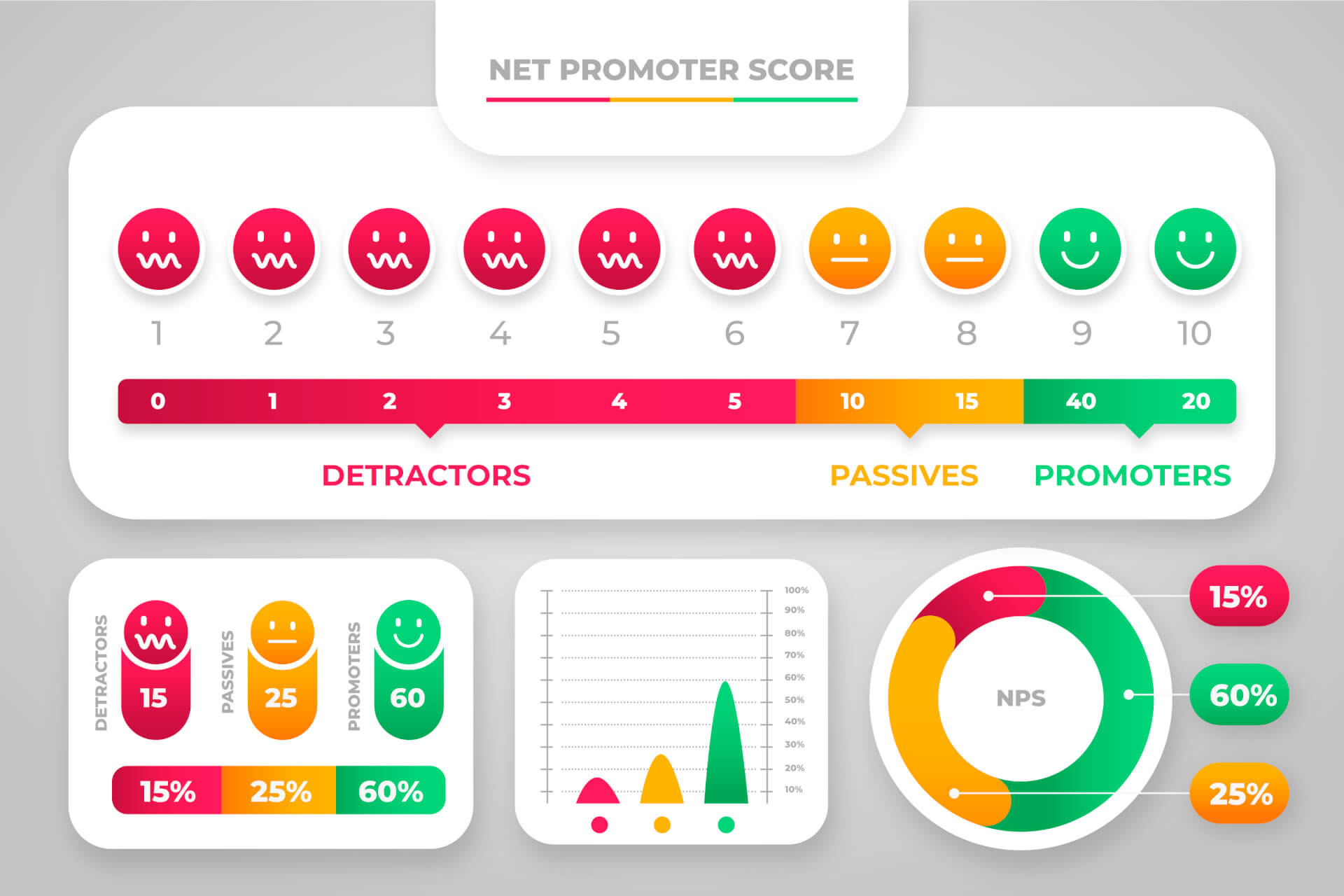
Before we dive into ways to improve NPS survey response rates, let's first understand what NPS surveys are and why they are important. NPS surveys are used to measure customer loyalty by asking customers how likely they are to recommend your product or service to others on a scale of 0 to 10.
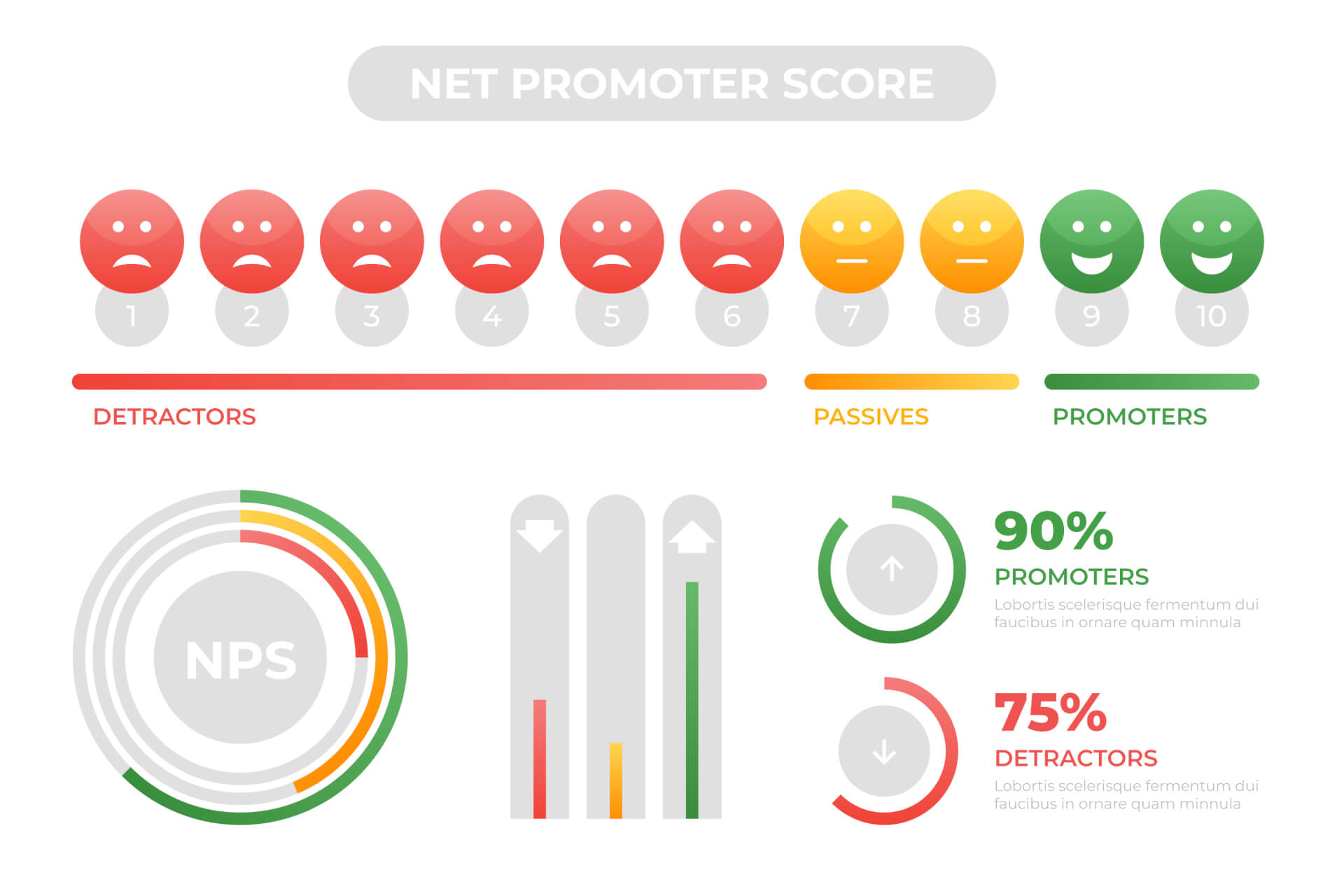
Customers are then categorized into three groups: Promoters (score 9-10), Passives (score 7-8), and Detractors (score 0-6).
1. Keep it Short and Simple
One of the main reasons why customers may not respond to NPS surveys is because they are too long or complicated. Keep your survey short and to the point, focusing on the key questions that will provide you with valuable insights. Customers are more likely to respond if they feel that their time is being respected.

2. Timing is Key
Timing plays a crucial role in the success of NPS surveys. Send out your surveys at the right time, such as after a customer has made a purchase or interacted with your customer service team. This way, the experience is fresh in their minds, and they are more likely to provide feedback.
3. Incentivize Responses
Offering incentives can be a great way to encourage customers to respond to your NPS surveys. Consider offering discounts, freebies, or entry into a prize draw in exchange for their feedback. This can increase response rates and show customers that you value their opinion.

4. Personalize the Survey
Personalization can make a big difference in NPS survey response rates. Address customers by their name, tailor the survey questions to their specific experience with your brand, and make them feel like their feedback is important and valued.
5. Follow Up
If a customer does not respond to your initial NPS survey, don't be afraid to follow up with a reminder. Sometimes, customers may simply forget to respond, and a gentle nudge can prompt them to provide their feedback.
Conclusion
Improving NPS survey response rates is essential for gaining valuable insights into customer satisfaction and loyalty. By keeping surveys short and simple, sending them at the right time, offering incentives, personalizing the survey, and following up with reminders, you can increase response rates and gather important feedback from your customers.
Reading recommendation: If this article helped you and you would like to find out more about the Net Promoter Score, continue reading here: “The Net Promoter Score – Basics and Areas of Application”
FAQs
How can I measure the success of my NPS survey campaign?
You can measure the success of your NPS survey campaign by tracking response rates, analyzing feedback, and monitoring changes in your NPS score over time.
Can I use NPS surveys for different touchpoints in the customer journey?
Yes, you can use NPS surveys at various touchpoints in the customer journey, such as after a purchase, interaction with customer service, or attending an event.
What is a good NPS score?
A good NPS score typically falls between 50-70, but this can vary depending on your industry and competition.
How often should I send out NPS surveys?
It is recommended to send out NPS surveys on a regular basis, such as quarterly or annually, to track changes in customer satisfaction and loyalty over time.
How can I use NPS survey feedback to improve my business?
Use NPS survey feedback to identify areas for improvement, address customer concerns, and enhance the overall customer experience to increase loyalty and retention.