![[EN]](data:image/png;base64,iVBORw0KGgoAAAANSUhEUgAAAB4AAAAUCAYAAACaq43EAAAAGXRFWHRTb2Z0d2FyZQBBZG9iZSBJbWFnZVJlYWR5ccllPAAAAyRpVFh0WE1MOmNvbS5hZG9iZS54bXAAAAAAADw/eHBhY2tldCBiZWdpbj0i77u/IiBpZD0iVzVNME1wQ2VoaUh6cmVTek5UY3prYzlkIj8+IDx4OnhtcG1ldGEgeG1sbnM6eD0iYWRvYmU6bnM6bWV0YS8iIHg6eG1wdGs9IkFkb2JlIFhNUCBDb3JlIDUuMy1jMDExIDY2LjE0NTY2MSwgMjAxMi8wMi8wNi0xNDo1NjoyNyAgICAgICAgIj4gPHJkZjpSREYgeG1sbnM6cmRmPSJodHRwOi8vd3d3LnczLm9yZy8xOTk5LzAyLzIyLXJkZi1zeW50YXgtbnMjIj4gPHJkZjpEZXNjcmlwdGlvbiByZGY6YWJvdXQ9IiIgeG1sbnM6eG1wPSJodHRwOi8vbnMuYWRvYmUuY29tL3hhcC8xLjAvIiB4bWxuczp4bXBNTT0iaHR0cDovL25zLmFkb2JlLmNvbS94YXAvMS4wL21tLyIgeG1sbnM6c3RSZWY9Imh0dHA6Ly9ucy5hZG9iZS5jb20veGFwLzEuMC9zVHlwZS9SZXNvdXJjZVJlZiMiIHhtcDpDcmVhdG9yVG9vbD0iQWRvYmUgUGhvdG9zaG9wIENTNiAoTWFjaW50b3NoKSIgeG1wTU06SW5zdGFuY2VJRD0ieG1wLmlpZDpERTc5MkI3RjE3OEExMUUyQTcxNDlDNEFCRkNENzc2NiIgeG1wTU06RG9jdW1lbnRJRD0ieG1wLmRpZDpERTc5MkI4MDE3OEExMUUyQTcxNDlDNEFCRkNENzc2NiI+IDx4bXBNTTpEZXJpdmVkRnJvbSBzdFJlZjppbnN0YW5jZUlEPSJ4bXAuaWlkOkEyMTE0RjIyMTc4QTExRTJBNzE0OUM0QUJGQ0Q3NzY2IiBzdFJlZjpkb2N1bWVudElEPSJ4bXAuZGlkOkRFNzkyQjdFMTc4QTExRTJBNzE0OUM0QUJGQ0Q3NzY2Ii8+IDwvcmRmOkRlc2NyaXB0aW9uPiA8L3JkZjpSREY+IDwveDp4bXBtZXRhPiA8P3hwYWNrZXQgZW5kPSJyIj8+60cYSwAAAyhJREFUeNrElN1PU3cYxz/tOQUBD/aNymtbUAq2IOiUWXmZA40Iy2BzcW53y7JlyZLtZuE/8NaY7Gbe7WJbdJnTDOdQCbLKrERUotgCSodQ7AsFpK28yKT7rfsL2gv7JCcn+eV3zpPv5/l+H9X2xp65SqtJGfr1Fg3vNPD02SIhfwRniwP3pdvsOVxPaCHGs7+DOA/VJs8crXXEs3P48OfTfMIcU+SRaqlMzm8SNut2VuefIxvyydZIxFbWyX35iviLNZRiPZJaxdLyCkoiQUyc6cwFTPvC9FRkcbJMy7JaTrmxHIuvxaZm5xW7+Jl3NkKRaRt5OVlMjvuoqa9gwr9AgS4PvTYP78hjdtVVEAw9J+Kdxv7Td+hL8tGTeslGg8Jeexk3/riLs62O+cU441NBDjbZGbg+SlNbPYvRF9zzzHCoycFA/yhvCtRqnZbr5a1YEjGm5S2po1ZXfRHVaCTlWLODq24v1eWFGPVbuXH5Dh3vORm88xhziR5zoZ5rl9y0dx/ggS/EzGSQs5Ua3s39h7CUlbri0mKdUGzmijBXqzBXYH4Z931fsmlf7zBvd+wjIigMDI/TcbyRvt+GOSgUZ62uU3S2h8IdRgrTQK1S2T6PyhpZ+aB9LxcF2hpbCUUF27hy4S+Of/wWfUMeykuNVIin9/xNuj9qYWR8juknIc5szNC1voA/DdSypayAhlor57/vp/NEC7OBRfpveek+0cwvP/7JsfedhEWcLg8+pOtkMxfOuTjc5WSrSc+S6ymSQYtGyk5dsVT9/4zbhZmu3Z5IztggXOwSZjvSuZ+hUR9mEan/KAz+PkJb5z7GngSYdXu46T9Ho3EL6ZSKnZ9Fax0W5aFrDNuB6mROA6El7BYTnns+bPt3srK2gV+QcIjIPRLzrxL3ZkLLfB0c40udRCAd1EfFNioxaSG+Sl2NmchSnCKjwh6HBWlzk/rd1uTyMOTn8MbuctRiieyqLKbKbqXs4gSvQmFephOnRCIRFW+F11yyp/3TtD/eSKjYTM4rjcZh110yUZlDPfnVqcwovkppRhRnDrX/2x+UjKDuJXcuE4r/FWAAjBMttNdoYOEAAAAASUVORK5CYII=)
 Net Promoter Score (NPS) performance tracking is a powerful tool that allows businesses to measure and monitor their progress in building strong customer relationships.
Customer feedback is invaluable for businesses looking to improve their products and services. NPS performance tracking goes beyond traditional customer satisfaction surveys by focusing on one key question: "How likely are you to recommend our company to a friend or colleague?" This simple question can provide valuable insights into customer loyalty and satisfaction levels.
In this comprehensive guide, we will explore the importance of NPS, how it works, and best practices for implementing and optimizing NPS performance tracking over time.
Understanding NPS Performance Tracking

What is NPS?
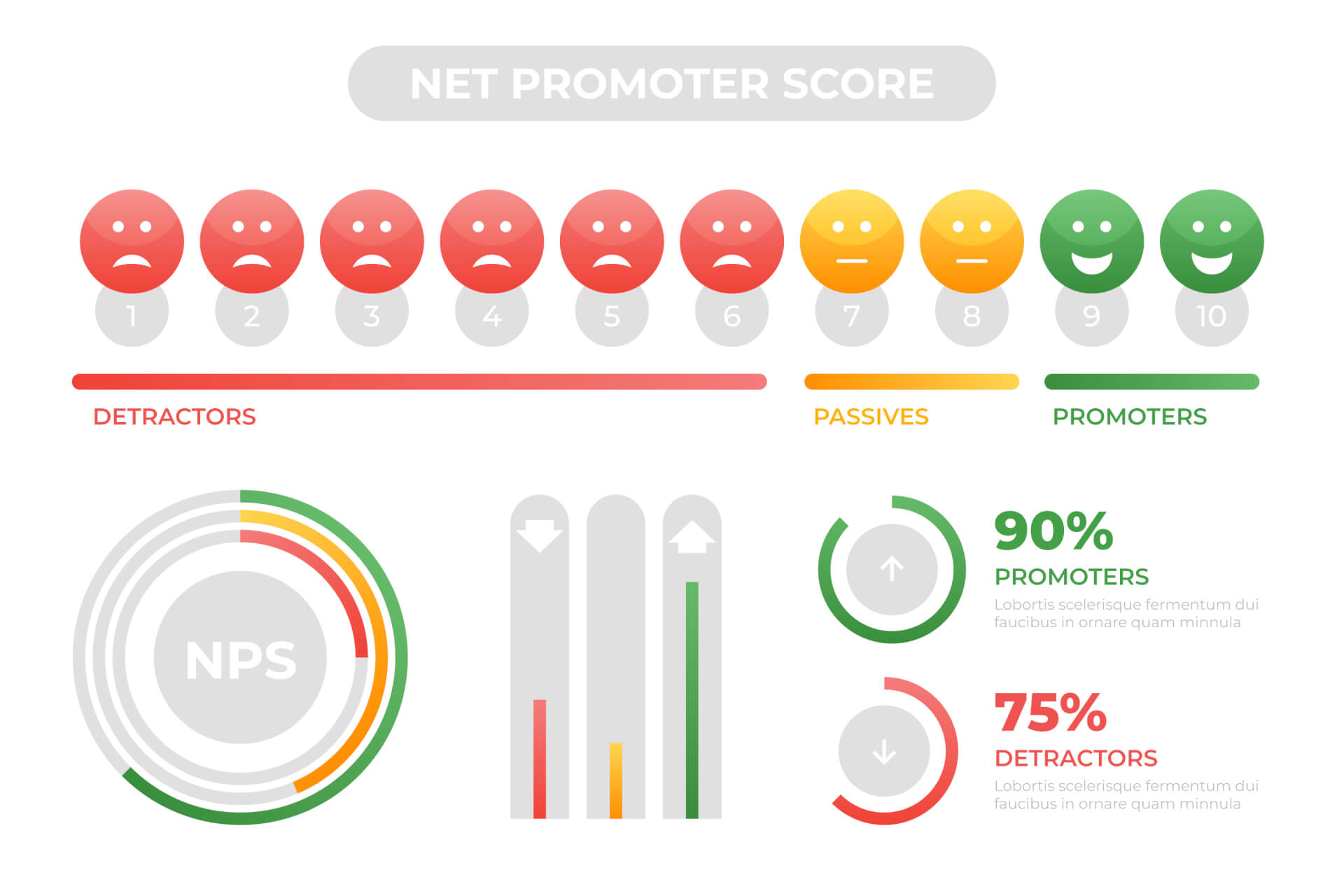
Net Promoter Score (NPS) is a metric used to measure customer loyalty and satisfaction. It is calculated based on responses to the aforementioned question, with customers categorized into Promoters, Passives, and Detractors.
The NPS score is calculated by subtracting the percentage of Detractors from the percentage of Promoters.
Why is NPS important for businesses?
NPS provides businesses with a clear and actionable metric to track customer sentiment over time. By focusing on the likelihood of recommendations, NPS helps businesses understand the impact of customer experiences on brand advocacy and loyalty.
How does NPS performance tracking work?
NPS performance tracking involves setting up regular surveys to collect customer feedback, analyzing the data to identify trends and patterns, and taking action based on the insights gained. By tracking NPS scores over time, businesses can measure the impact of their efforts on customer loyalty and satisfaction.
Implementing NPS Performance Tracking

Setting up an NPS survey
To start tracking NPS performance, businesses need to set up an NPS survey that asks customers the key question about recommending the company. The survey should be easy to understand and quick to complete to encourage high response rates.
Analyzing NPS scores
Once the NPS survey data is collected, businesses need to analyze the scores to understand the distribution of Promoters, Passives, and Detractors. This analysis can help identify areas of strength and opportunities for improvement.
Identifying trends and patterns
By tracking NPS scores over time, businesses can identify trends and patterns in customer sentiment. This can help businesses understand the impact of specific initiatives or changes on customer loyalty and satisfaction.
Taking action based on NPS feedback
The most important aspect of NPS performance tracking is taking action based on the feedback received. Businesses should prioritize addressing the concerns of Detractors, while also recognizing and rewarding Promoters for their loyalty.
Best Practices for NPS Performance Tracking

Timing of NPS surveys
It is important to consider the timing of NPS surveys to capture feedback at key touchpoints in the customer journey.
This can provide a more accurate reflection of customer sentiment and loyalty.
Segmenting NPS data Segmenting
NPS data by customer demographics, behavior, or purchase history can provide deeper insights into customer sentiment.
This segmentation can help businesses tailor their strategies to different customer segments.
Integrating NPS with other metrics
NPS should not be viewed in isolation but integrated with other key metrics such as customer satisfaction, retention rates, and revenue growth. This holistic view can provide a more comprehensive understanding of customer loyalty.
Communicating NPS results internally
It is important to communicate NPS results internally to ensure that all stakeholders are aware of customer sentiment and the impact of their actions on NPS scores. This transparency can help drive a customer-centric culture within the organization.
Common Mistakes to Avoid in NPS Performance Tracking

Ignoring qualitative feedback
While NPS scores provide a quantitative measure of customer loyalty, businesses should not overlook the qualitative feedback provided by customers. This feedback can offer valuable insights into the root causes of customer satisfaction or dissatisfaction.
Focusing only on the score
Businesses should not focus solely on the NPS score but also consider the factors driving the score. Understanding the reasons behind customer sentiment can help businesses make meaningful improvements to their products and services.
Not following up with detractors
Detractors are customers who are unlikely to recommend the company to others. It is crucial for businesses to follow up with detractors to address their concerns and potentially turn them into Promoters through exceptional service and support.
Not tracking NPS over time
NPS performance tracking is most effective when done consistently over time. By tracking NPS scores regularly, businesses can measure the impact of their efforts on customer loyalty and satisfaction and make data-driven decisions.
The Impact of NPS Performance Tracking on Business Growth

Case studies of successful NPS implementations
Numerous case studies have shown the positive impact of NPS performance tracking on business growth. Companies that prioritize customer loyalty and satisfaction often see higher retention rates, increased referrals, and ultimately, revenue growth.
How NPS drives customer loyalty and retention
By focusing on building strong customer relationships and delivering exceptional experiences, businesses can drive customer loyalty and retention. NPS performance tracking provides a roadmap for businesses to continuously improve and exceed customer expectations.
The link between NPS scores and revenue growth
Research has shown a strong correlation between high NPS scores and revenue growth. Customers who are loyal and satisfied are more likely to make repeat purchases, refer others to the company, and contribute to overall business success.
Conclusion
In conclusion, NPS performance tracking is a valuable tool for businesses looking to measure and monitor their progress in building strong customer relationships. By implementing best practices, avoiding common mistakes, and tracking NPS scores over time, businesses can drive customer loyalty, retention, and ultimately, revenue growth.
Reading recommendation: If this article helped you and you would like to find out more about the Net Promoter Score, continue reading here: “The Net Promoter Score – Basics and Areas of Application”
FAQs
How often should businesses conduct NPS surveys?
Businesses should aim to conduct NPS surveys regularly to track customer sentiment over time and identify trends. The frequency of surveys can vary depending on the industry and customer touchpoints.
How can businesses use NPS data to improve customer experiences?
By analyzing NPS data and identifying areas for improvement, businesses can make data-driven decisions to enhance customer experiences. This can involve addressing common pain points, improving product or service offerings, or enhancing customer support.
What role does employee engagement play in NPS performance tracking?
Employee engagement is a critical factor in driving customer satisfaction and loyalty. Engaged employees are more likely to deliver exceptional service and create positive experiences for customers, ultimately impacting NPS scores.
How can businesses measure the ROI of NPS performance tracking?
Measuring the ROI of NPS performance tracking involves analyzing the impact of improved NPS scores on key business metrics such as revenue, retention rates, and customer lifetime value. By quantifying the benefits of NPS, businesses can justify their investment in customer experience initiatives.
What are some innovative ways businesses can use NPS data to drive growth?
Businesses can leverage NPS data in innovative ways to drive growth, such as creating personalized customer experiences, implementing loyalty programs based on NPS scores, or using NPS insights to inform product development and marketing strategies. By thinking creatively and strategically, businesses can maximize the impact of NPS performance tracking on business growth.