![[EN]](data:image/png;base64,iVBORw0KGgoAAAANSUhEUgAAAB4AAAAUCAYAAACaq43EAAAAGXRFWHRTb2Z0d2FyZQBBZG9iZSBJbWFnZVJlYWR5ccllPAAAAyRpVFh0WE1MOmNvbS5hZG9iZS54bXAAAAAAADw/eHBhY2tldCBiZWdpbj0i77u/IiBpZD0iVzVNME1wQ2VoaUh6cmVTek5UY3prYzlkIj8+IDx4OnhtcG1ldGEgeG1sbnM6eD0iYWRvYmU6bnM6bWV0YS8iIHg6eG1wdGs9IkFkb2JlIFhNUCBDb3JlIDUuMy1jMDExIDY2LjE0NTY2MSwgMjAxMi8wMi8wNi0xNDo1NjoyNyAgICAgICAgIj4gPHJkZjpSREYgeG1sbnM6cmRmPSJodHRwOi8vd3d3LnczLm9yZy8xOTk5LzAyLzIyLXJkZi1zeW50YXgtbnMjIj4gPHJkZjpEZXNjcmlwdGlvbiByZGY6YWJvdXQ9IiIgeG1sbnM6eG1wPSJodHRwOi8vbnMuYWRvYmUuY29tL3hhcC8xLjAvIiB4bWxuczp4bXBNTT0iaHR0cDovL25zLmFkb2JlLmNvbS94YXAvMS4wL21tLyIgeG1sbnM6c3RSZWY9Imh0dHA6Ly9ucy5hZG9iZS5jb20veGFwLzEuMC9zVHlwZS9SZXNvdXJjZVJlZiMiIHhtcDpDcmVhdG9yVG9vbD0iQWRvYmUgUGhvdG9zaG9wIENTNiAoTWFjaW50b3NoKSIgeG1wTU06SW5zdGFuY2VJRD0ieG1wLmlpZDpERTc5MkI3RjE3OEExMUUyQTcxNDlDNEFCRkNENzc2NiIgeG1wTU06RG9jdW1lbnRJRD0ieG1wLmRpZDpERTc5MkI4MDE3OEExMUUyQTcxNDlDNEFCRkNENzc2NiI+IDx4bXBNTTpEZXJpdmVkRnJvbSBzdFJlZjppbnN0YW5jZUlEPSJ4bXAuaWlkOkEyMTE0RjIyMTc4QTExRTJBNzE0OUM0QUJGQ0Q3NzY2IiBzdFJlZjpkb2N1bWVudElEPSJ4bXAuZGlkOkRFNzkyQjdFMTc4QTExRTJBNzE0OUM0QUJGQ0Q3NzY2Ii8+IDwvcmRmOkRlc2NyaXB0aW9uPiA8L3JkZjpSREY+IDwveDp4bXBtZXRhPiA8P3hwYWNrZXQgZW5kPSJyIj8+60cYSwAAAyhJREFUeNrElN1PU3cYxz/tOQUBD/aNymtbUAq2IOiUWXmZA40Iy2BzcW53y7JlyZLtZuE/8NaY7Gbe7WJbdJnTDOdQCbLKrERUotgCSodQ7AsFpK28yKT7rfsL2gv7JCcn+eV3zpPv5/l+H9X2xp65SqtJGfr1Fg3vNPD02SIhfwRniwP3pdvsOVxPaCHGs7+DOA/VJs8crXXEs3P48OfTfMIcU+SRaqlMzm8SNut2VuefIxvyydZIxFbWyX35iviLNZRiPZJaxdLyCkoiQUyc6cwFTPvC9FRkcbJMy7JaTrmxHIuvxaZm5xW7+Jl3NkKRaRt5OVlMjvuoqa9gwr9AgS4PvTYP78hjdtVVEAw9J+Kdxv7Td+hL8tGTeslGg8Jeexk3/riLs62O+cU441NBDjbZGbg+SlNbPYvRF9zzzHCoycFA/yhvCtRqnZbr5a1YEjGm5S2po1ZXfRHVaCTlWLODq24v1eWFGPVbuXH5Dh3vORm88xhziR5zoZ5rl9y0dx/ggS/EzGSQs5Ua3s39h7CUlbri0mKdUGzmijBXqzBXYH4Z931fsmlf7zBvd+wjIigMDI/TcbyRvt+GOSgUZ62uU3S2h8IdRgrTQK1S2T6PyhpZ+aB9LxcF2hpbCUUF27hy4S+Of/wWfUMeykuNVIin9/xNuj9qYWR8juknIc5szNC1voA/DdSypayAhlor57/vp/NEC7OBRfpveek+0cwvP/7JsfedhEWcLg8+pOtkMxfOuTjc5WSrSc+S6ymSQYtGyk5dsVT9/4zbhZmu3Z5IztggXOwSZjvSuZ+hUR9mEan/KAz+PkJb5z7GngSYdXu46T9Ho3EL6ZSKnZ9Fax0W5aFrDNuB6mROA6El7BYTnns+bPt3srK2gV+QcIjIPRLzrxL3ZkLLfB0c40udRCAd1EfFNioxaSG+Sl2NmchSnCKjwh6HBWlzk/rd1uTyMOTn8MbuctRiieyqLKbKbqXs4gSvQmFephOnRCIRFW+F11yyp/3TtD/eSKjYTM4rjcZh110yUZlDPfnVqcwovkppRhRnDrX/2x+UjKDuJXcuE4r/FWAAjBMttNdoYOEAAAAASUVORK5CYII=)
 Maintaining strong customer relationships isn’t about occasional contact—it’s about consistent, meaningful engagement. Regular client check-ins provide the opportunity to understand customer needs, address challenges early, and demonstrate that your company genuinely cares about their success.
When executed effectively, check-ins positively impact both NPS (Net Promoter Score) and retention rates, turning satisfied clients into loyal advocates.
This article explores how structured client check-ins can strengthen relationships, uncover insights, and drive long-term success.
What Client Check-ins Are and Why They Matter
Client check-ins are scheduled interactions between your team and customers to review progress, address concerns, and discuss opportunities for improvement.
Unlike reactive support, check-ins are proactive engagements that demonstrate commitment and care. Customers who feel regularly supported are more likely to stay loyal and recommend your brand, directly affecting retention and NPS.
How Check-ins Influence Customer Satisfaction
Check-ins allow businesses to stay connected with customer needs:
- Customers can voice concerns before they escalate
- Teams can highlight features or solutions that drive value
- Open dialogue fosters trust and transparency
This proactive communication strengthens relationships and ensures that clients feel heard and valued, boosting satisfaction and loyalty.
Linking Check-ins to NPS and Retention
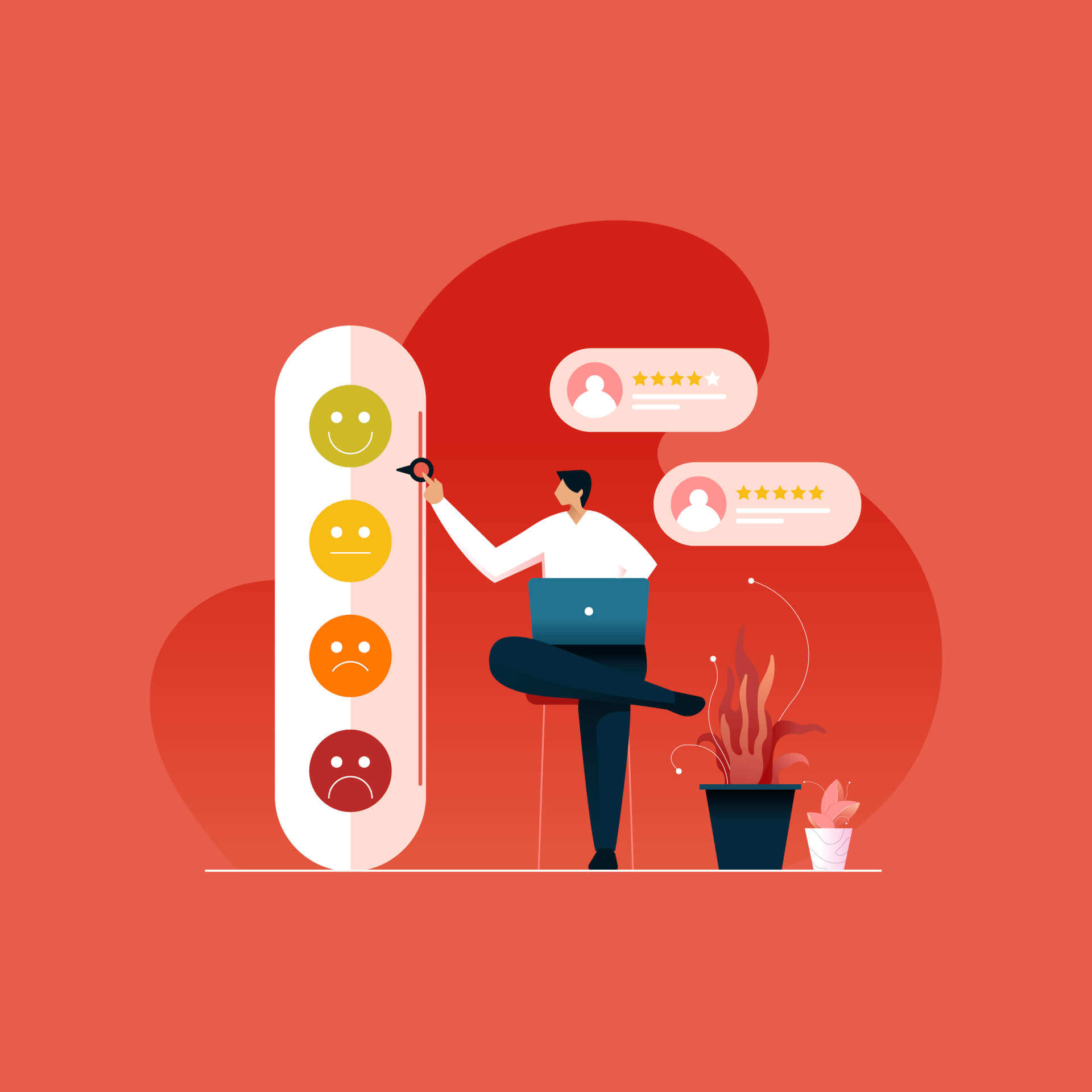 Regular interactions have a measurable impact on NPS:
- Promoters often emerge from clients who feel supported and understood
- Passives can be converted into promoters through attention and follow-ups
- Detractors’ issues can be addressed early to prevent churn
Check-ins are a predictive tool, helping you monitor sentiment and take action before problems affect retention.
Timing Your Check-ins for Maximum Impact
Timing is crucial. Effective check-ins consider:
- Customer lifecycle stage (onboarding, adoption, renewal)
- Critical product milestones or updates
- NPS survey results or prior feedback
Strategic timing ensures interactions are relevant, meaningful, and effective in improving both NPS and retention.
Preparing for Effective Client Meetings
 Preparation makes check-ins productive:
- Review account history, prior feedback, and usage data
- Identify potential challenges or areas for guidance
- Set clear objectives for the meeting
A well-prepared check-in demonstrates professionalism and commitment, making clients feel valued.
Personalizing the Check-in Experience
Generic interactions are easy to ignore. Personalization improves engagement by:
- Referring to specific goals or prior conversations
- Highlighting relevant product features or updates
- Addressing customer-specific challenges
Tailored interactions strengthen relationships and trust, directly influencing NPS scores.
Gathering Insights During Check-ins
Check-ins are an opportunity to collect actionable feedback:
- Understand satisfaction levels
- Identify friction points in product adoption
- Learn about changing customer priorities
These insights can guide product improvements, service adjustments, and proactive retention strategies.
Proactive Problem-Solving Through Check-ins
 The most effective check-ins anticipate issues rather than just reacting:
- Identify obstacles preventing customers from reaching goals
- Provide solutions before frustration escalates
- Offer guidance on maximizing product value
Proactive support fosters loyalty and prevents detractors from forming.
Documenting and Acting on Feedback
Feedback is only valuable if acted upon. Best practices include:
- Recording insights from each check-in
- Assigning action items to relevant teams
- Following up with customers to close the loop
This process shows customers that their input matters, boosting satisfaction and retention.
Check-ins Across Different Customer Segments
Not all clients require the same level of engagement:
- High-value accounts: Frequent, detailed check-ins
- Mid-tier accounts: Scheduled periodic reviews
- Smaller clients: Automated or scaled-touch check-ins
Segmenting check-ins ensures resources are used efficiently while maintaining high satisfaction across all clients.
 Reading Recommendation: If you want to learn more about this topic, we recommend our Blog Article "NPS and Customer Segmentation: Understanding the Dynamics".
Integrating Check-ins with Customer Success Strategy
 Check-ins should be part of a broader customer success framework:
- Align touchpoints with onboarding, adoption, and renewal phases
- Coordinate with product updates and marketing campaigns
- Monitor metrics like NPS, engagement, and usage trends
Integration ensures check-ins contribute strategically to retention and advocacy.
Leveraging Technology to Optimize Check-ins
Technology can streamline and enhance check-ins:
- CRM tools track client history and previous interactions
- Automated reminders ensure regular touchpoints
- Analytics platforms provide data to guide discussions
Using technology allows for efficient, data-informed check-ins that maximize impact.
Avoiding Common Mistakes in Client Engagement

- Skipping preparation and relying on generic updates
- Making check-ins reactive instead of proactive
- Overloading clients with irrelevant information
- Failing to follow up on feedback or action items
- Conducting too many check-ins, causing fatigue
Avoiding these pitfalls ensures interactions build trust rather than frustration.
Case Study: Regular Check-ins Improving NPS
- A B2B software provider implemented quarterly client check-ins
- Personalized agendas based on usage and prior feedback
- Focused on early problem resolution and goal alignment
- Follow-up actions documented and tracked
Result: NPS increased by 22 points, retention improved by 15%, and customer satisfaction scores rose significantly—demonstrating the power of consistent, structured check-ins.
Balancing Frequency and Quality of Interactions
 Frequency alone isn’t enough. Effective check-ins balance:
- Consistency: Maintaining regular touchpoints
- Depth: Meaningful discussions with actionable outcomes
- Relevance: Tailored to client goals, stage, and challenges
Striking this balance ensures interactions strengthen satisfaction without overwhelming clients.
Long-Term Benefits of Consistent Check-ins
Regular client engagement results in:
- Stronger relationships built on trust and transparency
- Early identification of challenges, reducing churn
- Increased opportunities for upselling and cross-selling
- Positive NPS growth and advocacy
These benefits compound over time, driving both retention and long-term business success.
Conclusion
Client check-ins are more than routine meetings—they’re strategic opportunities to boost satisfaction, prevent churn, and strengthen loyalty. By preparing thoroughly, personalizing interactions, acting on feedback, and integrating check-ins into your customer success strategy, companies can see measurable improvements in NPS and retention rates.
When done right, check-ins transform customer relationships from transactional to trust-based partnerships that fuel long-term success.
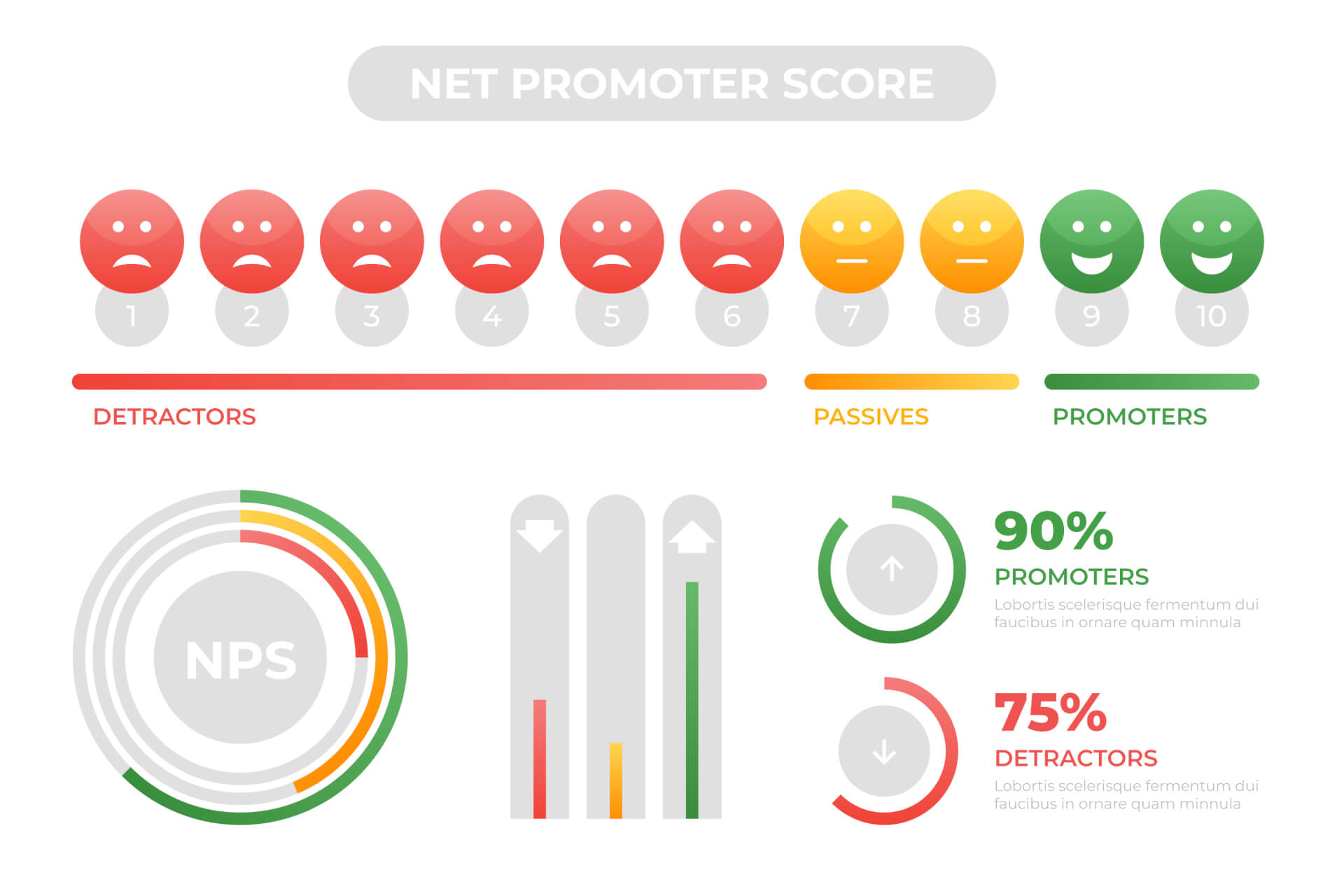 Reading recommendation: If this article helped you and you would like to find out more about the Net Promoter Score, continue reading here: “The Net Promoter Score – Basics and Areas of Application”
Frequently Asked Questions (FAQs)
How often should client check-ins occur?
Frequency depends on client segment and lifecycle stage—high-value accounts may need monthly or quarterly touchpoints, while smaller accounts can be scaled with periodic check-ins.
Can check-ins directly improve NPS?
Yes. By addressing concerns proactively and demonstrating commitment to customer success, check-ins increase satisfaction and the likelihood of high NPS scores.
What should be discussed during a check-in?
Focus on progress toward goals, challenges or obstacles, feedback on product/service, upcoming needs, and opportunities for added value.
How can technology enhance client check-ins?
CRM and analytics tools track history, usage, and feedback, enabling personalized, data-informed discussions that maximize impact.
What are common mistakes to avoid in check-ins?
Avoid being unprepared, overloading clients with irrelevant information, being reactive only, failing to follow up, or conducting too many interactions that cause fatigue.