
 Every customer is unique. Their goals, pain points, and expectations differ, yet many companies treat them as if one size fits all. That’s where personalized success plans come in—customized strategies designed to guide each client toward achieving their objectives while maximizing satisfaction.
By aligning success plans with customer expectations, usage data, and NPS feedback, businesses can create tailored experiences that not only retain customers but also turn them into advocates.
In this article, we’ll explore how personalized success plans can enhance customer satisfaction, improve retention, and elevate NPS scores.
What a Personalized Success Plan Is
A personalized success plan is a strategic roadmap customized for an individual customer. It outlines clear goals, milestones, and actionable steps to help the customer achieve success with your product or service.
Unlike generic onboarding or support processes, personalized plans focus on the unique context and objectives of each customer, ensuring relevance and maximizing satisfaction.
The Value of Tailored Strategies for Customer Satisfaction
Customers feel more valued when businesses invest in understanding their specific needs.
Personalized success plans provide:
- Clear pathways to achieve desired outcomes
- Targeted resources and support
- Transparency around progress and expectations
This tailored approach fosters engagement, reduces frustration, and enhances NPS scores by showing customers that their success truly matters.
Linking Success Plans with NPS Metrics
 NPS isn’t just a satisfaction metric—it’s a tool to guide personalized strategies. By analyzing promoter, passive, and detractor feedback, businesses can:
- Identify gaps in the customer journey
- Understand where expectations are unmet
- Tailor success plans to address pain points
When success plans align with NPS insights, they not only retain customers but actively increase satisfaction and loyalty.
Understanding Customer Goals Before Planning
Creating an effective plan requires deep understanding of customer objectives. Questions to consider include:
- What outcomes does the customer hope to achieve?
- Which challenges are blocking success?
- How does the customer measure value or ROI?
Engaging with customers to define these goals ensures the plan is relevant, actionable, and aligned with their definition of success.
 Reading Recommendation: Our Blog Article explains "How to Align Customer Goals for Sustainable Success"
Mapping Success Plans Across the Customer Journey
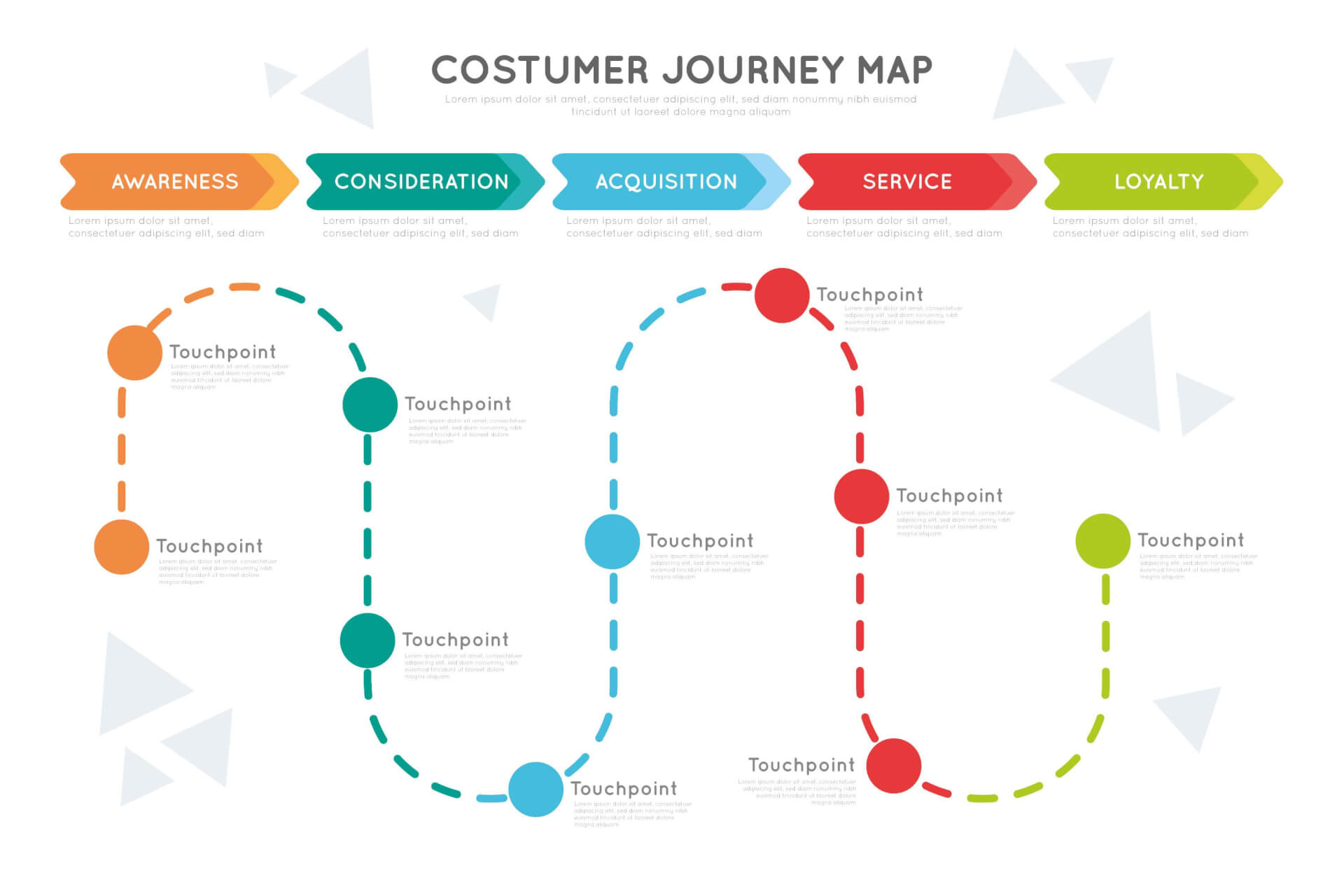 A success plan should touch every stage of the customer journey:
- Onboarding: Set expectations, define success metrics, and provide initial guidance
- Adoption: Encourage feature engagement, monitor usage, and address early challenges
- Growth and Expansion: Identify opportunities for upselling, optimization, and long-term value realization
By embedding the plan throughout the journey, businesses ensure continuous alignment with customer needs and satisfaction drivers.
Leveraging Data to Inform Personalization
Data-driven insights are essential for tailoring plans effectively.
Examples include:
- Usage analytics: Identify which features the customer engages with most
- Support tickets: Understand recurring pain points or friction areas
- NPS feedback: Highlight areas of delight or dissatisfaction
Using these data sources, companies can create plans that are realistic, actionable, and focused on the customer’s priorities.
Early Wins: The Key to Long-Term Satisfaction

Nothing builds confidence like early success. A personalized plan should identify quick wins that allow the customer to see value immediately.
For example, guiding a new user to adopt a high-impact feature or solve a pressing problem can:
- Boost engagement
- Increase satisfaction
- Strengthen NPS
Early wins set a positive tone for the entire customer relationship.
Balancing Structure and Flexibility in Plans
While structure provides clarity, flexibility ensures relevance.
A successful plan should:
- Outline clear milestones and deadlines
- Allow adjustments based on evolving customer needs
- Adapt to unexpected challenges without derailing progress
This balance ensures that plans remain actionable, measurable, and customer-centric.
Engaging Customers in Co-Creation
 Customers are more committed when they participate in creating their success plans.
This engagement:
- Encourages ownership and accountability
- Builds trust and transparency
- Increases adoption of recommended strategies
By collaborating on the plan, customers feel heard, respected, and motivated to achieve their goals.
Communicating Success Plans Effectively
A plan is only valuable if it’s clearly communicated.
Best practices include:
- Using visual roadmaps or timelines
- Highlighting milestones and KPIs
- Regularly reviewing progress and adapting the plan as needed
Clear communication reduces uncertainty, keeps customers aligned, and reinforces satisfaction.
Using Success Plans to Reduce Churn

Churn often occurs when customers fail to realize value. Personalized plans mitigate this by:
- Setting achievable milestones
- Providing proactive guidance
- Addressing issues before they escalate
By guiding customers to tangible outcomes, businesses retain more clients and improve NPS.
Continuous Feedback Loops to Refine Plans
Customer needs evolve over time. Feedback loops ensure plans remain relevant and effective.
Techniques include:
- NPS surveys to measure satisfaction at key milestones
- Regular check-ins to gather qualitative feedback
- Iterative adjustments based on evolving goals or challenges
Continuous feedback strengthens the customer relationship and enhances success outcomes.
 Reading Recommendation: If you want to know more about this topic, head over to our Blog Article "Creating a Success Plan Focused on NPS Improvement".
Integration with Customer Success Teams
 Personalized success plans work best when embedded within customer success teams’ workflows. Teams can:
- Track progress and intervene proactively
- Use NPS insights to identify at-risk clients
- Coordinate with product, support, and sales teams to align actions
This cross-functional approach ensures plans are holistic and actionable.
Case Study: Tailored Strategies Driving High NPS
A SaaS company implemented personalized success plans for its mid-market clients.
Key actions included:
- Initial discovery sessions to define goals
- Data-informed feature recommendations
- Regular check-ins and milestone reviews
- Adjustments based on usage and NPS feedback
Outcome: Promoter NPS scores increased by 25 points, churn decreased by 18%, and overall customer satisfaction rose significantly.
This demonstrates the power of tailored strategies in driving measurable impact.
Common Mistakes in Personalized Success Planning
- Creating generic plans that ignore unique customer goals
- Failing to align plans with actual product usage and data
- Neglecting continuous monitoring and feedback
- Overloading plans with unrealistic milestones
- Not communicating the plan clearly to the customer
Avoiding these mistakes ensures the plans are practical, relevant, and effective.
Best Practices for Effective Success Plans

- Start with a deep understanding of customer goals and expectations
- Incorporate usage data and NPS insights into planning
- Define clear milestones and measurable outcomes
- Engage customers in co-creation to build ownership
- Review, iterate, and adapt plans continuously
Conclusion
Personalized success plans are more than just documents—they are strategic tools that guide customers to success while driving satisfaction and loyalty. By combining data insights, NPS feedback, and collaborative goal-setting, companies can create plans that are actionable, measurable, and impactful.
The result? Customers achieve their goals, feel valued, and become promoters of your brand, creating a cycle of long-term success for both parties.
 Recommended reading: If this article helped you and you would like to learn more about the role of NPS in shaping the customer experience, continue reading here: "The role of NPS in customer experience (CX)"
Frequently Asked Questions (FAQs)
What is a personalized success plan?
It’s a tailored roadmap for each customer outlining goals, milestones, and actions to achieve success with your product or service.
How does a success plan impact NPS?
By guiding customers to success, addressing pain points proactively, and aligning expectations, personalized plans increase satisfaction and likelihood of recommendation.
Should customers be involved in creating their success plan?
Yes. Co-creating plans increases ownership, engagement, and alignment with actual customer goals.
How often should success plans be reviewed?
Regularly—at key milestones, after major product updates, or based on feedback—to ensure relevance and effectiveness.
What metrics can be used to measure the effectiveness of success plans?
Metrics include NPS scores, feature adoption rates, goal completion rates, retention, and overall customer satisfaction.