![[EN]](data:image/png;base64,iVBORw0KGgoAAAANSUhEUgAAAB4AAAAUCAYAAACaq43EAAAAGXRFWHRTb2Z0d2FyZQBBZG9iZSBJbWFnZVJlYWR5ccllPAAAAyRpVFh0WE1MOmNvbS5hZG9iZS54bXAAAAAAADw/eHBhY2tldCBiZWdpbj0i77u/IiBpZD0iVzVNME1wQ2VoaUh6cmVTek5UY3prYzlkIj8+IDx4OnhtcG1ldGEgeG1sbnM6eD0iYWRvYmU6bnM6bWV0YS8iIHg6eG1wdGs9IkFkb2JlIFhNUCBDb3JlIDUuMy1jMDExIDY2LjE0NTY2MSwgMjAxMi8wMi8wNi0xNDo1NjoyNyAgICAgICAgIj4gPHJkZjpSREYgeG1sbnM6cmRmPSJodHRwOi8vd3d3LnczLm9yZy8xOTk5LzAyLzIyLXJkZi1zeW50YXgtbnMjIj4gPHJkZjpEZXNjcmlwdGlvbiByZGY6YWJvdXQ9IiIgeG1sbnM6eG1wPSJodHRwOi8vbnMuYWRvYmUuY29tL3hhcC8xLjAvIiB4bWxuczp4bXBNTT0iaHR0cDovL25zLmFkb2JlLmNvbS94YXAvMS4wL21tLyIgeG1sbnM6c3RSZWY9Imh0dHA6Ly9ucy5hZG9iZS5jb20veGFwLzEuMC9zVHlwZS9SZXNvdXJjZVJlZiMiIHhtcDpDcmVhdG9yVG9vbD0iQWRvYmUgUGhvdG9zaG9wIENTNiAoTWFjaW50b3NoKSIgeG1wTU06SW5zdGFuY2VJRD0ieG1wLmlpZDpERTc5MkI3RjE3OEExMUUyQTcxNDlDNEFCRkNENzc2NiIgeG1wTU06RG9jdW1lbnRJRD0ieG1wLmRpZDpERTc5MkI4MDE3OEExMUUyQTcxNDlDNEFCRkNENzc2NiI+IDx4bXBNTTpEZXJpdmVkRnJvbSBzdFJlZjppbnN0YW5jZUlEPSJ4bXAuaWlkOkEyMTE0RjIyMTc4QTExRTJBNzE0OUM0QUJGQ0Q3NzY2IiBzdFJlZjpkb2N1bWVudElEPSJ4bXAuZGlkOkRFNzkyQjdFMTc4QTExRTJBNzE0OUM0QUJGQ0Q3NzY2Ii8+IDwvcmRmOkRlc2NyaXB0aW9uPiA8L3JkZjpSREY+IDwveDp4bXBtZXRhPiA8P3hwYWNrZXQgZW5kPSJyIj8+60cYSwAAAyhJREFUeNrElN1PU3cYxz/tOQUBD/aNymtbUAq2IOiUWXmZA40Iy2BzcW53y7JlyZLtZuE/8NaY7Gbe7WJbdJnTDOdQCbLKrERUotgCSodQ7AsFpK28yKT7rfsL2gv7JCcn+eV3zpPv5/l+H9X2xp65SqtJGfr1Fg3vNPD02SIhfwRniwP3pdvsOVxPaCHGs7+DOA/VJs8crXXEs3P48OfTfMIcU+SRaqlMzm8SNut2VuefIxvyydZIxFbWyX35iviLNZRiPZJaxdLyCkoiQUyc6cwFTPvC9FRkcbJMy7JaTrmxHIuvxaZm5xW7+Jl3NkKRaRt5OVlMjvuoqa9gwr9AgS4PvTYP78hjdtVVEAw9J+Kdxv7Td+hL8tGTeslGg8Jeexk3/riLs62O+cU441NBDjbZGbg+SlNbPYvRF9zzzHCoycFA/yhvCtRqnZbr5a1YEjGm5S2po1ZXfRHVaCTlWLODq24v1eWFGPVbuXH5Dh3vORm88xhziR5zoZ5rl9y0dx/ggS/EzGSQs5Ua3s39h7CUlbri0mKdUGzmijBXqzBXYH4Z931fsmlf7zBvd+wjIigMDI/TcbyRvt+GOSgUZ62uU3S2h8IdRgrTQK1S2T6PyhpZ+aB9LxcF2hpbCUUF27hy4S+Of/wWfUMeykuNVIin9/xNuj9qYWR8juknIc5szNC1voA/DdSypayAhlor57/vp/NEC7OBRfpveek+0cwvP/7JsfedhEWcLg8+pOtkMxfOuTjc5WSrSc+S6ymSQYtGyk5dsVT9/4zbhZmu3Z5IztggXOwSZjvSuZ+hUR9mEan/KAz+PkJb5z7GngSYdXu46T9Ho3EL6ZSKnZ9Fax0W5aFrDNuB6mROA6El7BYTnns+bPt3srK2gV+QcIjIPRLzrxL3ZkLLfB0c40udRCAd1EfFNioxaSG+Sl2NmchSnCKjwh6HBWlzk/rd1uTyMOTn8MbuctRiieyqLKbKbqXs4gSvQmFephOnRCIRFW+F11yyp/3TtD/eSKjYTM4rjcZh110yUZlDPfnVqcwovkppRhRnDrX/2x+UjKDuJXcuE4r/FWAAjBMttNdoYOEAAAAASUVORK5CYII=)
Two key metrics that companies often use to gauge customer sentiment are Net Promoter Score (NPS) and Customer Satisfaction. While both metrics aim to measure customer experience, they have distinct differences that can impact how businesses interpret and act upon the feedback they receive.
In this comprehensive guide, we will delve into the nuances of NPS and Customer Satisfaction, explore their differences, and discuss why they matter in today's business environment.

Understanding NPS
What is NPS?
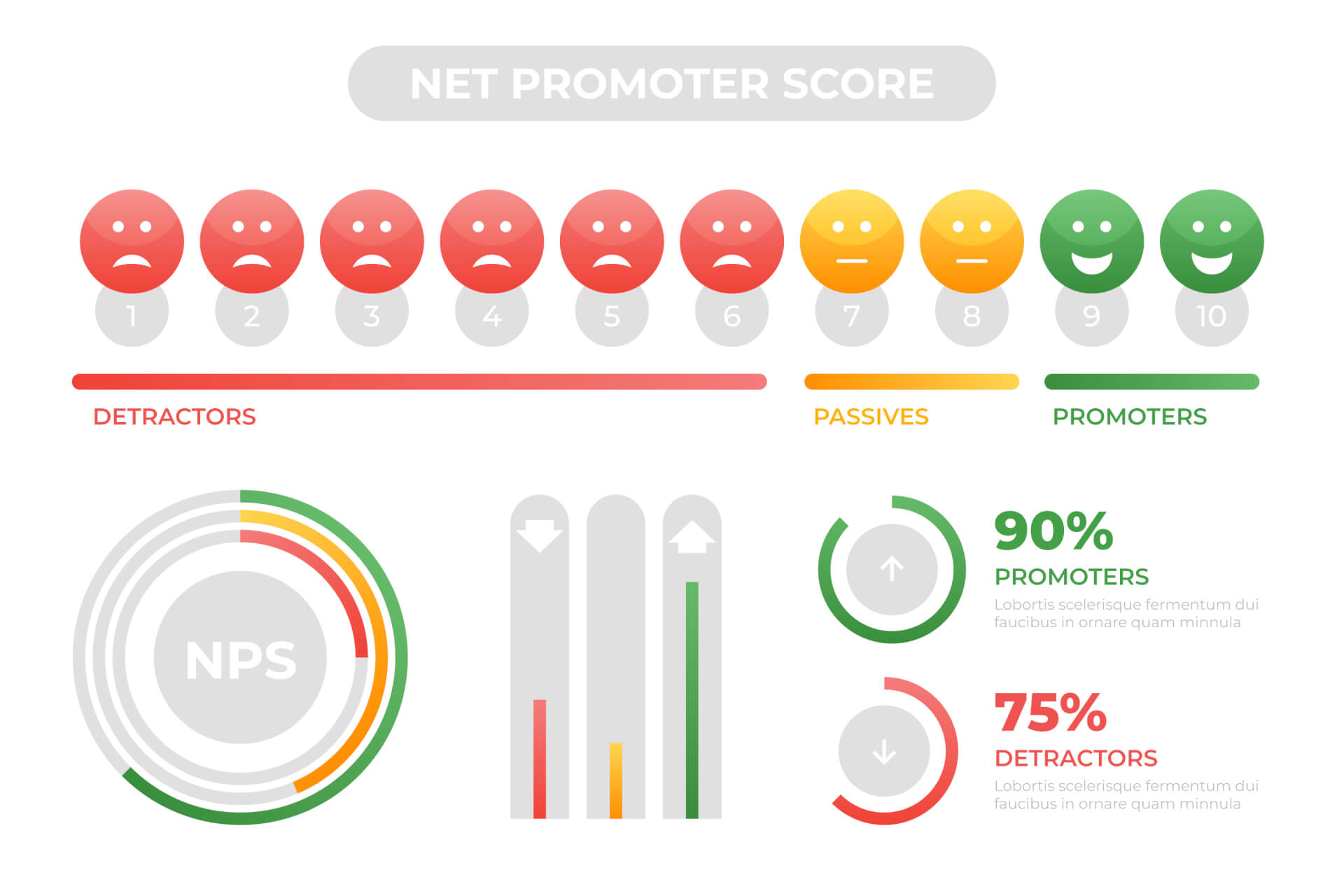
Net Promoter Score (NPS) is a metric used to measure customer loyalty and satisfaction based on the likelihood of customers to recommend a company's products or services to others. It is calculated by asking customers a single question: "On a scale of 0-10, how likely are you to recommend us to a friend or colleague?" Based on their responses, customers are classified into Promoters (score 9-10), Passives (score 7-8), or Detractors (score 0-6).
How is NPS calculated?
The Net Promoter Score is calculated by subtracting the percentage of Detractors from the percentage of Promoters. The resulting score can range from -100 to +100, with higher scores indicating a higher level of customer loyalty and advocacy.
Importance of NPS
NPS is valuable for businesses as it provides a simple yet powerful metric to gauge customer loyalty and satisfaction. By focusing on the likelihood of customers to recommend the brand, companies can identify areas for improvement and measure the effectiveness of their customer experience initiatives.
Customer Satisfaction Explained

What is customer satisfaction?
Customer Satisfaction is a metric that measures how satisfied customers are with a company's products or services. It is typically measured through surveys, feedback forms, or other means of gathering customer input.
Customer satisfaction reflects the overall experience customers have with a brand and their perception of its value.
Measurement of customer satisfaction
Customer satisfaction can be measured using various methods, including customer satisfaction surveys, Net Promoter Score, Customer Effort Score, and more. These metrics help companies understand how well they are meeting customer expectations and identify areas for improvement.
Significance of customer satisfaction
Customer satisfaction is crucial for businesses as it directly impacts customer retention, loyalty, and advocacy. Satisfied customers are more likely to make repeat purchases, recommend the brand to others, and remain loyal in the long term.
By prioritizing customer satisfaction, companies can create a positive customer experience and build strong relationships with their customer base.
Key Differences Between NPS and Customer Satisfaction
Focus on loyalty vs. overall satisfaction
While NPS focuses on measuring customer loyalty and advocacy, customer satisfaction provides a broader view of the overall satisfaction levels of customers. NPS specifically looks at the likelihood of customers to recommend the brand, while customer satisfaction encompasses various aspects of the customer experience.
Actionable vs. descriptive data
NPS provides actionable data by categorizing customers into Promoters, Passives, and Detractors, allowing companies to identify specific areas for improvement. On the other hand, customer satisfaction surveys often provide descriptive data without clear action points, making it challenging for businesses to take meaningful action based on the feedback received.
Predictive vs. reactive metrics
NPS is considered a predictive metric as it measures the likelihood of customers to promote the brand in the future. In contrast, customer satisfaction is often seen as a reactive metric that reflects past experiences and may not necessarily predict future behavior. Understanding the difference between predictive and reactive metrics is essential for companies to make informed decisions based on customer feedback.
Why NPS and Customer Satisfaction Matter

Impact on business growth
Both NPS and Customer Satisfaction have a direct impact on business growth and success. High NPS scores and satisfied customers are more likely to lead to increased customer retention, repeat purchases, and positive word-of-mouth referrals, ultimately driving revenue and profitability for the company.
Customer retention and loyalty
By focusing on improving NPS and customer satisfaction levels, companies can enhance customer retention rates and build long-term loyalty with their customer base. Satisfied customers are more likely to remain loyal to the brand, make repeat purchases, and become brand advocates, contributing to sustainable business growth.
Improving customer experience
NPS and Customer Satisfaction metrics provide valuable insights into the customer experience and help companies identify areas for improvement. By listening to customer feedback, addressing pain points, and enhancing the overall customer experience, businesses can create a competitive advantage and differentiate themselves in the market.
Implementing NPS and Customer Satisfaction Strategies
Collecting feedback
To effectively measure NPS and customer satisfaction, companies must collect feedback from customers through surveys, feedback forms, social media, and other channels. By gathering insights directly from customers, companies can gain a deeper understanding of their needs, preferences, and pain points.

Analyzing data
Once feedback is collected, companies must analyze the data to identify trends, patterns, and areas for improvement.
By leveraging analytics tools and technologies, businesses can extract actionable insights from customer feedback and prioritize initiatives that will have the greatest impact on NPS and customer satisfaction levels.
Taking action
The most critical step in implementing NPS and customer satisfaction strategies is taking action based on the insights gained from customer feedback. Companies must use the data to inform decision-making, implement changes to improve the customer experience, and track progress over time to ensure continuous improvement.
Case Studies and Examples

Successful NPS implementations
Several companies have successfully implemented NPS strategies to drive customer loyalty and advocacy. Companies like Apple, Amazon, and Netflix have consistently high NPS scores, indicating strong customer loyalty and satisfaction.
By prioritizing customer experience and listening to customer feedback, these companies have built strong relationships with their customer base and achieved sustainable growth.
Customer satisfaction success stories
Companies that prioritize customer satisfaction, such as Zappos, Southwest Airlines, and Ritz-Carlton, have achieved remarkable success in building customer loyalty and advocacy. These companies go above and beyond to exceed customer expectations, deliver exceptional service, and create memorable experiences that keep customers coming back for more.
Common Misconceptions About NPS and Customer Satisfaction
NPS as the only metric
One common misconception is that NPS is the only metric companies need to measure customer loyalty and satisfaction. While NPS is a valuable metric, it should be used in conjunction with other metrics, such as customer satisfaction surveys, Customer Effort Score, and Customer Lifetime Value, to gain a comprehensive view of the customer experience.
Customer satisfaction as a one-time measurement
Another misconception is that customer satisfaction is a one-time measurement that does not require continuous monitoring. In reality, customer satisfaction is an ongoing process that requires regular feedback collection, analysis, and action to ensure that customers' needs and expectations are consistently met.
Misinterpreting feedback
Misinterpreting customer feedback is a common pitfall that companies must avoid when measuring NPS and customer satisfaction. It is essential to analyze feedback objectively, identify key themes and trends, and take action based on data-driven insights rather than subjective interpretations.
Best Practices for NPS and Customer Satisfaction

Continuous monitoring
To effectively measure NPS and customer satisfaction, companies should implement continuous monitoring processes to track changes in customer sentiment over time. By regularly collecting feedback, analyzing trends, and adjusting strategies accordingly, businesses can stay ahead of customer expectations and drive continuous improvement.
Engaging with customers
Engaging with customers is crucial for building strong relationships and enhancing customer loyalty. Companies should actively seek feedback from customers, respond to their concerns, and communicate transparently about the actions taken to address feedback.
By involving customers in the feedback loop, companies can demonstrate their commitment to customer satisfaction and build trust with their audience.
Integrating feedback into business decisions
One of the key best practices for NPS and customer satisfaction is integrating feedback into business decisions. Companies should use customer feedback to inform product development, service enhancements, and overall business strategy.
By aligning business decisions with customer needs and preferences, companies can create a customer-centric culture that drives long-term success.
Conclusion
In conclusion, NPS and Customer Satisfaction are two essential metrics that companies can use to measure customer experience, loyalty, and satisfaction. While NPS focuses on customer loyalty and advocacy, customer satisfaction provides a broader view of the overall customer experience.
By understanding the differences between these metrics and implementing strategies to improve both NPS and customer satisfaction levels, companies can drive business growth, enhance customer retention, and create a competitive advantage in the market.
Reading recommendation: If this article helped you and you would like to find out more about the Net Promoter Score, continue reading here: “The Net Promoter Score – Basics and Areas of Application”
FAQ
What is the significance of NPS and Customer Satisfaction for businesses?
NPS and Customer Satisfaction are crucial for businesses as they provide insights into customer loyalty, satisfaction, and advocacy, which directly impact business growth and success.
How can companies effectively measure NPS and customer satisfaction?
Companies can measure NPS and customer satisfaction by collecting feedback from customers through surveys, feedback forms, social media, and other channels, and analyzing the data to identify trends and areas for improvement.
What are some common misconceptions about NPS and customer satisfaction?
Common misconceptions include viewing NPS as the only metric, treating customer satisfaction as a one-time measurement, and misinterpreting customer feedback without objective analysis.
How can companies use NPS and customer satisfaction data to drive business decisions?
Companies can use NPS and customer satisfaction data to inform product development, service enhancements, and overall business strategy, aligning business decisions with customer needs and preferences.
What are some best practices for implementing NPS and customer satisfaction strategies?
Best practices include continuous monitoring of customer feedback, engaging with customers to build relationships, and integrating feedback into business decisions to create a customer-centric culture.