![[EN]](data:image/png;base64,iVBORw0KGgoAAAANSUhEUgAAAB4AAAAUCAYAAACaq43EAAAAGXRFWHRTb2Z0d2FyZQBBZG9iZSBJbWFnZVJlYWR5ccllPAAAAyRpVFh0WE1MOmNvbS5hZG9iZS54bXAAAAAAADw/eHBhY2tldCBiZWdpbj0i77u/IiBpZD0iVzVNME1wQ2VoaUh6cmVTek5UY3prYzlkIj8+IDx4OnhtcG1ldGEgeG1sbnM6eD0iYWRvYmU6bnM6bWV0YS8iIHg6eG1wdGs9IkFkb2JlIFhNUCBDb3JlIDUuMy1jMDExIDY2LjE0NTY2MSwgMjAxMi8wMi8wNi0xNDo1NjoyNyAgICAgICAgIj4gPHJkZjpSREYgeG1sbnM6cmRmPSJodHRwOi8vd3d3LnczLm9yZy8xOTk5LzAyLzIyLXJkZi1zeW50YXgtbnMjIj4gPHJkZjpEZXNjcmlwdGlvbiByZGY6YWJvdXQ9IiIgeG1sbnM6eG1wPSJodHRwOi8vbnMuYWRvYmUuY29tL3hhcC8xLjAvIiB4bWxuczp4bXBNTT0iaHR0cDovL25zLmFkb2JlLmNvbS94YXAvMS4wL21tLyIgeG1sbnM6c3RSZWY9Imh0dHA6Ly9ucy5hZG9iZS5jb20veGFwLzEuMC9zVHlwZS9SZXNvdXJjZVJlZiMiIHhtcDpDcmVhdG9yVG9vbD0iQWRvYmUgUGhvdG9zaG9wIENTNiAoTWFjaW50b3NoKSIgeG1wTU06SW5zdGFuY2VJRD0ieG1wLmlpZDpERTc5MkI3RjE3OEExMUUyQTcxNDlDNEFCRkNENzc2NiIgeG1wTU06RG9jdW1lbnRJRD0ieG1wLmRpZDpERTc5MkI4MDE3OEExMUUyQTcxNDlDNEFCRkNENzc2NiI+IDx4bXBNTTpEZXJpdmVkRnJvbSBzdFJlZjppbnN0YW5jZUlEPSJ4bXAuaWlkOkEyMTE0RjIyMTc4QTExRTJBNzE0OUM0QUJGQ0Q3NzY2IiBzdFJlZjpkb2N1bWVudElEPSJ4bXAuZGlkOkRFNzkyQjdFMTc4QTExRTJBNzE0OUM0QUJGQ0Q3NzY2Ii8+IDwvcmRmOkRlc2NyaXB0aW9uPiA8L3JkZjpSREY+IDwveDp4bXBtZXRhPiA8P3hwYWNrZXQgZW5kPSJyIj8+60cYSwAAAyhJREFUeNrElN1PU3cYxz/tOQUBD/aNymtbUAq2IOiUWXmZA40Iy2BzcW53y7JlyZLtZuE/8NaY7Gbe7WJbdJnTDOdQCbLKrERUotgCSodQ7AsFpK28yKT7rfsL2gv7JCcn+eV3zpPv5/l+H9X2xp65SqtJGfr1Fg3vNPD02SIhfwRniwP3pdvsOVxPaCHGs7+DOA/VJs8crXXEs3P48OfTfMIcU+SRaqlMzm8SNut2VuefIxvyydZIxFbWyX35iviLNZRiPZJaxdLyCkoiQUyc6cwFTPvC9FRkcbJMy7JaTrmxHIuvxaZm5xW7+Jl3NkKRaRt5OVlMjvuoqa9gwr9AgS4PvTYP78hjdtVVEAw9J+Kdxv7Td+hL8tGTeslGg8Jeexk3/riLs62O+cU441NBDjbZGbg+SlNbPYvRF9zzzHCoycFA/yhvCtRqnZbr5a1YEjGm5S2po1ZXfRHVaCTlWLODq24v1eWFGPVbuXH5Dh3vORm88xhziR5zoZ5rl9y0dx/ggS/EzGSQs5Ua3s39h7CUlbri0mKdUGzmijBXqzBXYH4Z931fsmlf7zBvd+wjIigMDI/TcbyRvt+GOSgUZ62uU3S2h8IdRgrTQK1S2T6PyhpZ+aB9LxcF2hpbCUUF27hy4S+Of/wWfUMeykuNVIin9/xNuj9qYWR8juknIc5szNC1voA/DdSypayAhlor57/vp/NEC7OBRfpveek+0cwvP/7JsfedhEWcLg8+pOtkMxfOuTjc5WSrSc+S6ymSQYtGyk5dsVT9/4zbhZmu3Z5IztggXOwSZjvSuZ+hUR9mEan/KAz+PkJb5z7GngSYdXu46T9Ho3EL6ZSKnZ9Fax0W5aFrDNuB6mROA6El7BYTnns+bPt3srK2gV+QcIjIPRLzrxL3ZkLLfB0c40udRCAd1EfFNioxaSG+Sl2NmchSnCKjwh6HBWlzk/rd1uTyMOTn8MbuctRiieyqLKbKbqXs4gSvQmFephOnRCIRFW+F11yyp/3TtD/eSKjYTM4rjcZh110yUZlDPfnVqcwovkppRhRnDrX/2x+UjKDuJXcuE4r/FWAAjBMttNdoYOEAAAAASUVORK5CYII=)
One powerful tool that businesses can use to anticipate and prevent customer churn is predictive analytics.
By combining predictive analytics with the Net Promoter Score (NPS), companies can gain valuable insights into customer behavior and sentiment, allowing them to take proactive measures to retain customers before they decide to leave.
Understanding Predictive Analytics

What is Predictive Analytics?
Predictive analytics is a branch of advanced analytics that uses data, statistical algorithms, and machine learning techniques to identify the likelihood of future outcomes based on historical data. In the context of customer churn, predictive analytics can help businesses predict which customers are at risk of leaving based on their past behavior and interactions with the company.
How Does Predictive Analytics Work?
Predictive analytics works by analyzing historical data to identify patterns and trends that can be used to make predictions about future events. By leveraging techniques such as
- regression analysis
- decision trees
- and neural networks
businesses can build predictive models that can forecast customer behavior with a high degree of accuracy.
Benefits of Predictive Analytics
The benefits of using predictive analytics in business are numerous. From improving customer retention and increasing revenue to optimizing marketing campaigns and reducing operational costs, predictive analytics can provide valuable insights that drive strategic decision-making and business growth.

Recommended reading: If you want to move away from reactive behavior and proactively manage customer success in the future, we recommend our blog article: "Forecasting Customer Success: Moving from Reactive to Predictive"
Net Promoter Score (NPS) Explained
What is NPS?
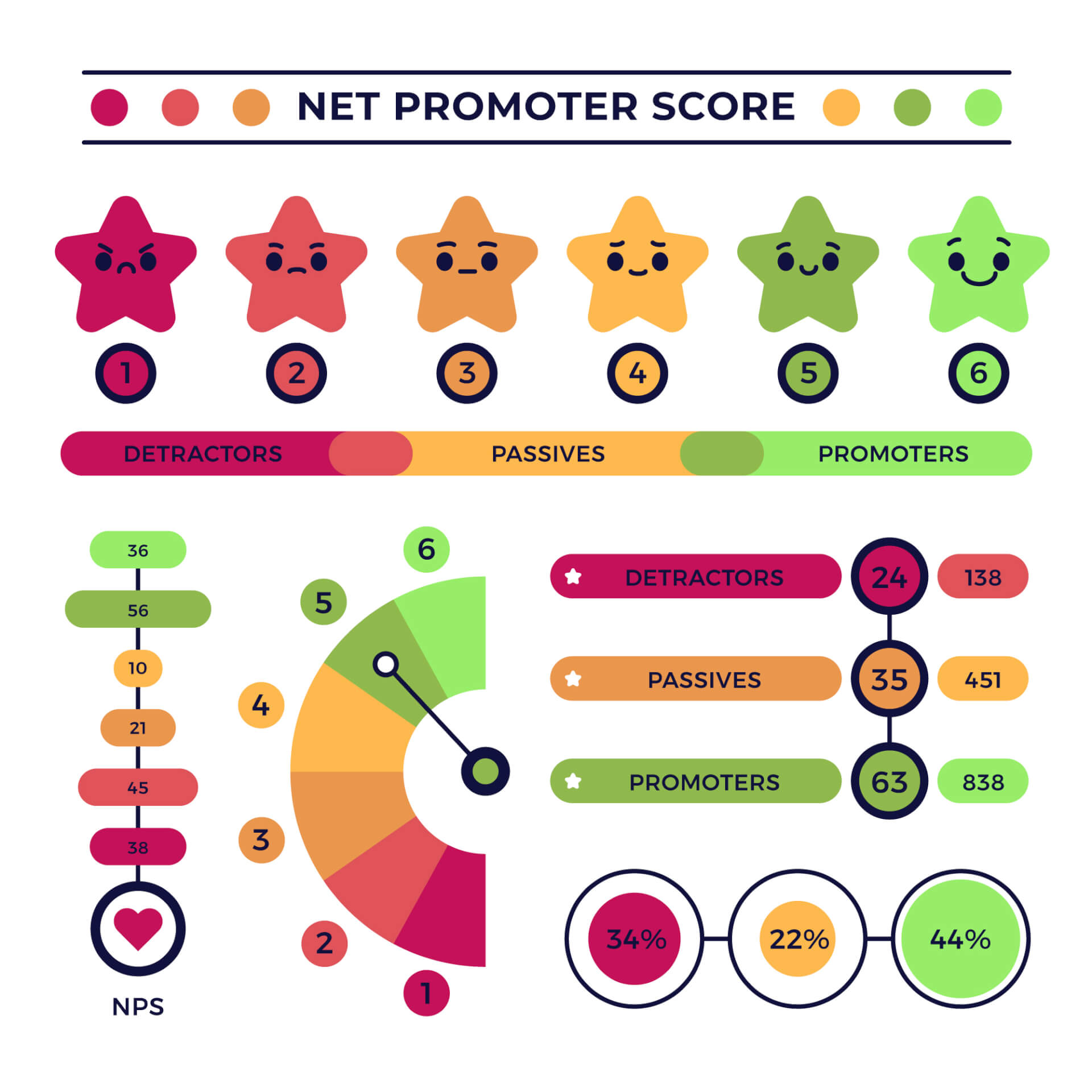
Net Promoter Score (NPS) is a metric used to measure customer loyalty and satisfaction. It is based on the simple question: "How likely are you to recommend our company/product/service to a friend or colleague?" Customers are then classified into three categories: Promoters, Passives, and Detractors, based on their responses.
How to Calculate NPS
To calculate NPS, businesses subtract the percentage of Detractors from the percentage of Promoters. The resulting score can range from -100 (if all customers are Detractors) to +100 (if all customers are Promoters).
A high NPS indicates that customers are satisfied and loyal, while a low NPS suggests that improvements are needed to retain customers.
Importance of NPS in Customer Experience
NPS is a valuable tool for measuring customer satisfaction and loyalty. By regularly tracking NPS scores and analyzing customer feedback, businesses can identify areas for improvement and take proactive steps to enhance the customer experience. When combined with predictive analytics, NPS can provide even deeper insights into customer behavior and preferences.
Combining Predictive Analytics with NPS

Why Use Predictive Analytics with NPS?
By combining predictive analytics with NPS, businesses can gain a more comprehensive understanding of their customers and their likelihood to churn. Predictive analytics can help identify patterns and trends in customer data that may not be apparent through NPS scores alone, enabling businesses to take proactive measures to retain at-risk customers.
Anticipating Churn with Predictive Analytics and NPS
Predictive analytics can help businesses anticipate customer churn by identifying early warning signs and predicting which customers are most likely to leave. By analyzing factors such as purchase history, engagement levels, and customer feedback, businesses can take targeted actions to prevent churn before it happens.
Implementing Predictive Analytics with NPS in Your Business
To implement predictive analytics with NPS in your business, start by collecting and analyzing customer data to build predictive models. Use these models to identify at-risk customers and segment them based on their likelihood to churn. Then, take proactive measures to retain these customers, such as personalized offers, targeted marketing campaigns, or enhanced customer support.
Case Studies and Real-World Examples
Leveraging Predictive Analytics and NPS
The company in our first example used predictive analytics and NPS to identify at-risk customers and reduce churn rates by 20%. By analyzing customer data and feedback, they were able to personalize their marketing efforts and improve the overall customer experience, leading to increased customer loyalty and satisfaction.
Avoiding Churn Through Predictive Analytics
The company in our second example implemented predictive analytics with NPS to predict customer churn and take proactive measures to retain customers. By offering targeted promotions and personalized recommendations, they were able to reduce churn rates by 15% and increase customer retention.
Best Practices for Using Predictive Analytics with NPS

Collecting and Analyzing Data
Collect and analyze customer data from various sources, such as CRM systems, social media, and customer feedback channels.
Use this data to build predictive models that can forecast customer behavior and identify at-risk customers.
Setting Up Predictive Models
Use advanced analytics techniques, such as machine learning and data mining, to build predictive models that can predict customer churn.
Train these models on historical data and validate their accuracy before implementing them in your business.
Taking Action Based on Predictive Insights
Once you have identified at-risk customers through predictive analytics, take proactive measures to retain them. Offer personalized incentives, targeted marketing campaigns, or enhanced customer support to address their concerns and prevent them from leaving.
Common Misconceptions about Predictive Analytics and NPS
Myth: Predictive Analytics is Too Complex
While predictive analytics may seem complex, advancements in technology have made it more accessible to businesses of all sizes. With the right tools and expertise, businesses can leverage predictive analytics to gain valuable insights into customer behavior and improve retention rates.
Myth: NPS is Just a Number
NPS is more than just a number—it is a powerful tool for measuring customer loyalty and satisfaction. By regularly tracking NPS scores and analyzing customer feedback, businesses can identify areas for improvement and take proactive steps to enhance the customer experience.
Conclusion
In conclusion, combining predictive analytics with NPS can help businesses anticipate and prevent customer churn before it happens. By leveraging predictive insights and customer feedback, businesses can take targeted actions to retain at-risk customers and improve overall customer satisfaction and loyalty.
FAQs
How can businesses use predictive analytics to reduce customer churn?
Businesses can use predictive analytics to analyze customer data and identify patterns that indicate a customer is at risk of churning. By leveraging predictive models, businesses can take proactive measures to retain at-risk customers and improve overall customer retention rates.
What role does NPS play in predicting customer churn?
NPS provides businesses with a simple yet effective way to measure customer loyalty and satisfaction. By combining NPS scores with predictive analytics, businesses can gain deeper insights into customer behavior and preferences, allowing them to anticipate and prevent customer churn before it happens.
How can businesses implement predictive analytics with NPS in their customer retention strategy?
To implement predictive analytics with NPS, businesses should start by collecting and analyzing customer data to build predictive models. These models can then be used to identify at-risk customers and take targeted actions to retain them, such as personalized offers, targeted marketing campaigns, or enhanced customer support.
What are some best practices for using predictive analytics with NPS?
Some best practices for using predictive analytics with NPS include collecting and analyzing data from various sources, setting up predictive models using advanced analytics techniques, and taking proactive measures based on predictive insights to retain at-risk customers and improve overall customer retention rates.
How can businesses overcome common misconceptions about predictive analytics and NPS?
Businesses can overcome common misconceptions about predictive analytics and NPS by educating themselves and their teams about the benefits of these tools. By demonstrating the value of predictive analytics and NPS in improving customer retention and satisfaction, businesses can gain buy-in from stakeholders and drive successful implementation strategies.