![[EN]](data:image/png;base64,iVBORw0KGgoAAAANSUhEUgAAAB4AAAAUCAYAAACaq43EAAAAGXRFWHRTb2Z0d2FyZQBBZG9iZSBJbWFnZVJlYWR5ccllPAAAAyRpVFh0WE1MOmNvbS5hZG9iZS54bXAAAAAAADw/eHBhY2tldCBiZWdpbj0i77u/IiBpZD0iVzVNME1wQ2VoaUh6cmVTek5UY3prYzlkIj8+IDx4OnhtcG1ldGEgeG1sbnM6eD0iYWRvYmU6bnM6bWV0YS8iIHg6eG1wdGs9IkFkb2JlIFhNUCBDb3JlIDUuMy1jMDExIDY2LjE0NTY2MSwgMjAxMi8wMi8wNi0xNDo1NjoyNyAgICAgICAgIj4gPHJkZjpSREYgeG1sbnM6cmRmPSJodHRwOi8vd3d3LnczLm9yZy8xOTk5LzAyLzIyLXJkZi1zeW50YXgtbnMjIj4gPHJkZjpEZXNjcmlwdGlvbiByZGY6YWJvdXQ9IiIgeG1sbnM6eG1wPSJodHRwOi8vbnMuYWRvYmUuY29tL3hhcC8xLjAvIiB4bWxuczp4bXBNTT0iaHR0cDovL25zLmFkb2JlLmNvbS94YXAvMS4wL21tLyIgeG1sbnM6c3RSZWY9Imh0dHA6Ly9ucy5hZG9iZS5jb20veGFwLzEuMC9zVHlwZS9SZXNvdXJjZVJlZiMiIHhtcDpDcmVhdG9yVG9vbD0iQWRvYmUgUGhvdG9zaG9wIENTNiAoTWFjaW50b3NoKSIgeG1wTU06SW5zdGFuY2VJRD0ieG1wLmlpZDpERTc5MkI3RjE3OEExMUUyQTcxNDlDNEFCRkNENzc2NiIgeG1wTU06RG9jdW1lbnRJRD0ieG1wLmRpZDpERTc5MkI4MDE3OEExMUUyQTcxNDlDNEFCRkNENzc2NiI+IDx4bXBNTTpEZXJpdmVkRnJvbSBzdFJlZjppbnN0YW5jZUlEPSJ4bXAuaWlkOkEyMTE0RjIyMTc4QTExRTJBNzE0OUM0QUJGQ0Q3NzY2IiBzdFJlZjpkb2N1bWVudElEPSJ4bXAuZGlkOkRFNzkyQjdFMTc4QTExRTJBNzE0OUM0QUJGQ0Q3NzY2Ii8+IDwvcmRmOkRlc2NyaXB0aW9uPiA8L3JkZjpSREY+IDwveDp4bXBtZXRhPiA8P3hwYWNrZXQgZW5kPSJyIj8+60cYSwAAAyhJREFUeNrElN1PU3cYxz/tOQUBD/aNymtbUAq2IOiUWXmZA40Iy2BzcW53y7JlyZLtZuE/8NaY7Gbe7WJbdJnTDOdQCbLKrERUotgCSodQ7AsFpK28yKT7rfsL2gv7JCcn+eV3zpPv5/l+H9X2xp65SqtJGfr1Fg3vNPD02SIhfwRniwP3pdvsOVxPaCHGs7+DOA/VJs8crXXEs3P48OfTfMIcU+SRaqlMzm8SNut2VuefIxvyydZIxFbWyX35iviLNZRiPZJaxdLyCkoiQUyc6cwFTPvC9FRkcbJMy7JaTrmxHIuvxaZm5xW7+Jl3NkKRaRt5OVlMjvuoqa9gwr9AgS4PvTYP78hjdtVVEAw9J+Kdxv7Td+hL8tGTeslGg8Jeexk3/riLs62O+cU441NBDjbZGbg+SlNbPYvRF9zzzHCoycFA/yhvCtRqnZbr5a1YEjGm5S2po1ZXfRHVaCTlWLODq24v1eWFGPVbuXH5Dh3vORm88xhziR5zoZ5rl9y0dx/ggS/EzGSQs5Ua3s39h7CUlbri0mKdUGzmijBXqzBXYH4Z931fsmlf7zBvd+wjIigMDI/TcbyRvt+GOSgUZ62uU3S2h8IdRgrTQK1S2T6PyhpZ+aB9LxcF2hpbCUUF27hy4S+Of/wWfUMeykuNVIin9/xNuj9qYWR8juknIc5szNC1voA/DdSypayAhlor57/vp/NEC7OBRfpveek+0cwvP/7JsfedhEWcLg8+pOtkMxfOuTjc5WSrSc+S6ymSQYtGyk5dsVT9/4zbhZmu3Z5IztggXOwSZjvSuZ+hUR9mEan/KAz+PkJb5z7GngSYdXu46T9Ho3EL6ZSKnZ9Fax0W5aFrDNuB6mROA6El7BYTnns+bPt3srK2gV+QcIjIPRLzrxL3ZkLLfB0c40udRCAd1EfFNioxaSG+Sl2NmchSnCKjwh6HBWlzk/rd1uTyMOTn8MbuctRiieyqLKbKbqXs4gSvQmFephOnRCIRFW+F11yyp/3TtD/eSKjYTM4rjcZh110yUZlDPfnVqcwovkppRhRnDrX/2x+UjKDuJXcuE4r/FWAAjBMttNdoYOEAAAAASUVORK5CYII=)
With the vast amount of data available, companies can now leverage technology and tools to drive their customer acquisition strategies.
Customer acquisition is the process of attracting new customers to your business. It involves identifying potential customers, engaging with them through various marketing channels, and ultimately converting them into paying customers. In a highly competitive market, businesses need to adopt data-driven strategies to effectively acquire and retain customers.
In this article, we will explore the best customer acquisition tools for data-driven growth, how data plays a crucial role in the process, and the best practices to ensure successful customer acquisition campaigns.
Understanding Customer Acquisition

What is Customer Acquisition?
Customer acquisition refers to the process of gaining new customers for a business. It involves various marketing and sales tactics to attract potential customers and convert them into paying customers. Customer acquisition is essential for business growth and sustainability.
Why is Customer Acquisition Important?
Customer acquisition is crucial for businesses to expand their customer base, increase revenue, and stay competitive in the market. By acquiring new customers, businesses can drive growth and achieve their business goals.
The Customer Acquisition Funnel
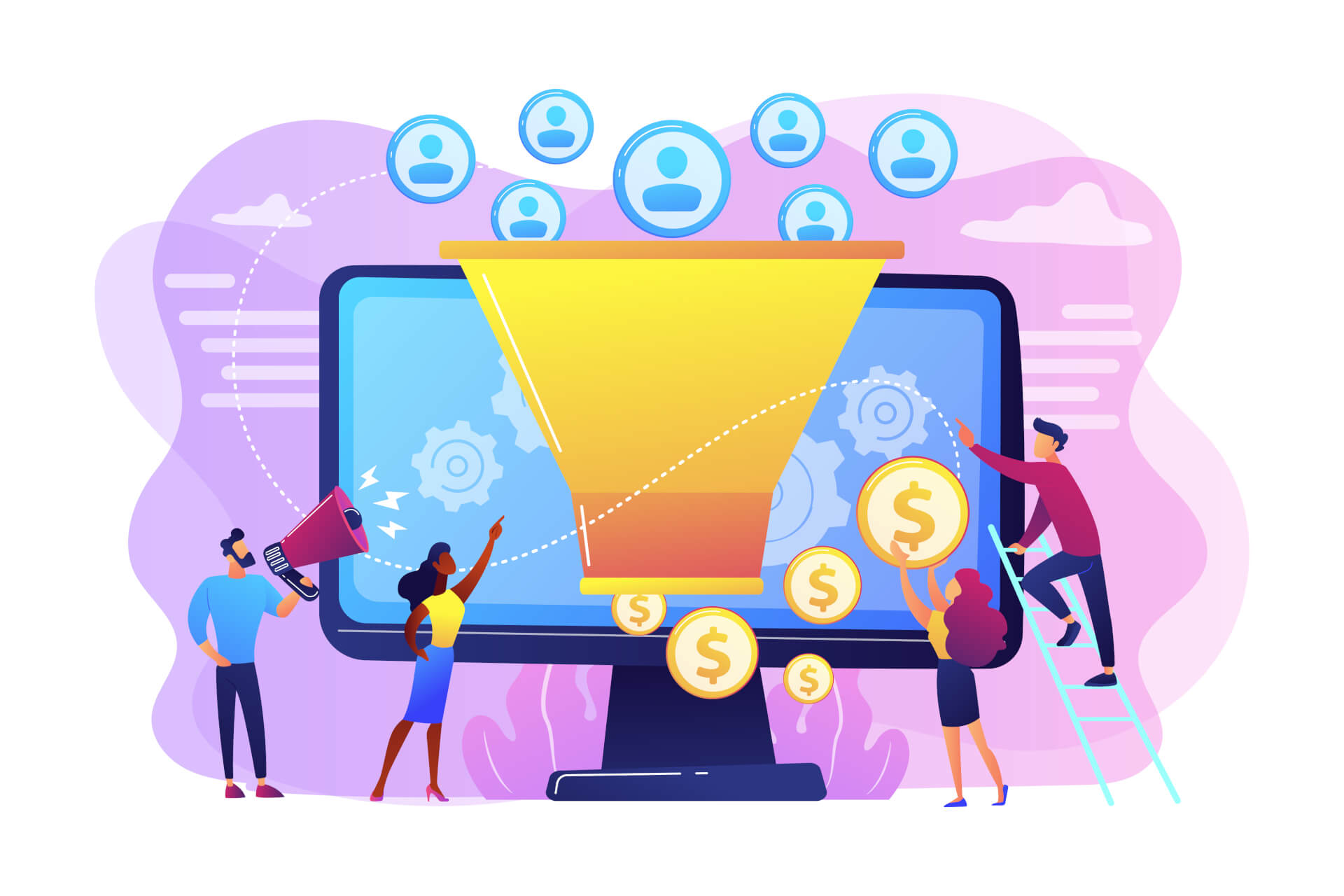
The customer acquisition funnel is a model that illustrates the stages a customer goes through from awareness to conversion. The stages include awareness, interest, consideration, intent, evaluation, and purchase. Understanding the customer acquisition funnel helps businesses optimize their marketing strategies for each stage.
The Role of Data in Customer Acquisition

Leveraging Data for Customer Insights
Data plays a crucial role in customer acquisition by providing valuable insights into customer behavior, preferences, and trends. By analyzing data, businesses can better understand their target audience and tailor their marketing strategies accordingly.
Using Data to Identify Target Audiences
Data helps businesses identify their target audiences by analyzing demographic information, online behavior, and purchasing patterns.
By segmenting audiences based on data, businesses can create personalized marketing campaigns that resonate with their target customers.
Personalizing Customer Acquisition
Strategies with Data Personalization is key to successful customer acquisition. By leveraging data, businesses can personalize their marketing messages, offers, and promotions to target specific customer segments. Personalized marketing campaigns are more effective in driving customer engagement and conversion.
Top Customer Acquisition Tools
- Google Analytics : Google Analytics is a powerful tool for tracking website traffic, user behavior, and conversion rates.
It provides valuable insights into how visitors interact with your website and helps optimize marketing campaigns for better customer acquisition. - HubSpot : HubSpot is a comprehensive marketing automation platform that helps businesses attract, engage, and delight customers.
It offers a range of tools for email marketing, social media management, lead generation, and customer relationship management. - Salesforce : Salesforce is a leading customer relationship management (CRM) platform that helps businesses manage customer interactions, track leads, and drive sales.
It provides valuable data insights to improve customer acquisition strategies and streamline sales processes. - Mailchimp : Mailchimp is a popular email marketing platform that helps businesses create and send personalized email campaigns to target audiences.
It offers advanced analytics and reporting tools to track campaign performance and optimize customer acquisition efforts. - AdRoll : AdRoll is a retargeting platform that helps businesses reach and convert lost website visitors through targeted ads.
It uses data-driven insights to deliver personalized ads to potential customers, increasing the chances of conversion.
Best Practices for Data-Driven Customer Acquisition

Setting Clear Goals and KPIs
Before implementing customer acquisition strategies, businesses should define clear goals and key performance indicators (KPIs) to measure success. Setting specific, measurable, achievable, relevant, and time-bound (SMART) goals helps businesses track progress and optimize campaigns accordingly.
A/B Testing and Optimization
A/B testing involves comparing two versions of a marketing campaign to determine which one performs better. By testing different elements such as headlines, images, and calls-to-action, businesses can optimize their customer acquisition strategies for maximum effectiveness.
Integrating Tools for Seamless Data Flow
To ensure a seamless data flow and accurate insights, businesses should integrate their customer acquisition tools and platforms. By connecting tools such as CRM systems, marketing automation platforms, and analytics tools, businesses can streamline data collection and analysis for better decision-making.
Continuous Monitoring and Analysis
Customer acquisition is an ongoing process that requires continuous monitoring and analysis. Businesses should regularly review data, track key metrics, and analyze performance to identify areas for improvement and optimize strategies for better results.
Scaling Strategies for Growth
As businesses grow, they need to scale their customer acquisition strategies to reach new markets and expand their customer base. By leveraging data, businesses can identify growth opportunities, optimize marketing campaigns, and drive sustainable growth over time.
Conclusion
In conclusion, customer acquisition is a critical aspect of business growth, and data-driven strategies play a key role in driving successful customer acquisition campaigns. By leveraging the best customer acquisition tools, businesses can attract, engage, and convert potential customers effectively.
By following best practices and continuously optimizing strategies, businesses can achieve sustainable growth and success in the competitive market.
Recommended reading: If this article helped you and you would like to learn more about the possibilities of using NPS in customer acquisition, continue reading here: "The role of NPS in customer acquisition"
FAQ
How can businesses use data to personalize customer acquisition strategies?
Businesses can use data to personalize customer acquisition strategies by analyzing customer behavior, preferences, and interactions. By segmenting audiences based on data insights, businesses can create targeted marketing campaigns that resonate with specific customer segments.
What are the key benefits of using customer acquisition tools like Google Analytics?
Customer acquisition tools like Google Analytics provide valuable insights into website traffic, user behavior, and conversion rates. By leveraging data from Google Analytics, businesses can optimize marketing campaigns, track performance, and improve customer acquisition efforts.
How important is A/B testing in optimizing customer acquisition strategies?
A/B testing is crucial in optimizing customer acquisition strategies as it helps businesses compare different versions of marketing campaigns to determine which one performs better. By testing elements such as headlines, images, and calls-to-action, businesses can identify the most effective strategies for customer acquisition.
What role does customer relationship management (CRM) software play in customer acquisition?
CRM software like Salesforce helps businesses manage customer interactions, track leads, and drive sales. By leveraging CRM data insights, businesses can improve customer acquisition strategies, nurture leads, and build lasting relationships with customers.
How can businesses scale their customer acquisition strategies for growth?
Businesses can scale their customer acquisition strategies for growth by leveraging data insights, optimizing marketing campaigns, and identifying growth opportunities. By continuously monitoring performance, analyzing data, and adapting strategies, businesses can drive sustainable growth and expand their customer base.