![[EN]](data:image/png;base64,iVBORw0KGgoAAAANSUhEUgAAAB4AAAAUCAYAAACaq43EAAAAGXRFWHRTb2Z0d2FyZQBBZG9iZSBJbWFnZVJlYWR5ccllPAAAAyRpVFh0WE1MOmNvbS5hZG9iZS54bXAAAAAAADw/eHBhY2tldCBiZWdpbj0i77u/IiBpZD0iVzVNME1wQ2VoaUh6cmVTek5UY3prYzlkIj8+IDx4OnhtcG1ldGEgeG1sbnM6eD0iYWRvYmU6bnM6bWV0YS8iIHg6eG1wdGs9IkFkb2JlIFhNUCBDb3JlIDUuMy1jMDExIDY2LjE0NTY2MSwgMjAxMi8wMi8wNi0xNDo1NjoyNyAgICAgICAgIj4gPHJkZjpSREYgeG1sbnM6cmRmPSJodHRwOi8vd3d3LnczLm9yZy8xOTk5LzAyLzIyLXJkZi1zeW50YXgtbnMjIj4gPHJkZjpEZXNjcmlwdGlvbiByZGY6YWJvdXQ9IiIgeG1sbnM6eG1wPSJodHRwOi8vbnMuYWRvYmUuY29tL3hhcC8xLjAvIiB4bWxuczp4bXBNTT0iaHR0cDovL25zLmFkb2JlLmNvbS94YXAvMS4wL21tLyIgeG1sbnM6c3RSZWY9Imh0dHA6Ly9ucy5hZG9iZS5jb20veGFwLzEuMC9zVHlwZS9SZXNvdXJjZVJlZiMiIHhtcDpDcmVhdG9yVG9vbD0iQWRvYmUgUGhvdG9zaG9wIENTNiAoTWFjaW50b3NoKSIgeG1wTU06SW5zdGFuY2VJRD0ieG1wLmlpZDpERTc5MkI3RjE3OEExMUUyQTcxNDlDNEFCRkNENzc2NiIgeG1wTU06RG9jdW1lbnRJRD0ieG1wLmRpZDpERTc5MkI4MDE3OEExMUUyQTcxNDlDNEFCRkNENzc2NiI+IDx4bXBNTTpEZXJpdmVkRnJvbSBzdFJlZjppbnN0YW5jZUlEPSJ4bXAuaWlkOkEyMTE0RjIyMTc4QTExRTJBNzE0OUM0QUJGQ0Q3NzY2IiBzdFJlZjpkb2N1bWVudElEPSJ4bXAuZGlkOkRFNzkyQjdFMTc4QTExRTJBNzE0OUM0QUJGQ0Q3NzY2Ii8+IDwvcmRmOkRlc2NyaXB0aW9uPiA8L3JkZjpSREY+IDwveDp4bXBtZXRhPiA8P3hwYWNrZXQgZW5kPSJyIj8+60cYSwAAAyhJREFUeNrElN1PU3cYxz/tOQUBD/aNymtbUAq2IOiUWXmZA40Iy2BzcW53y7JlyZLtZuE/8NaY7Gbe7WJbdJnTDOdQCbLKrERUotgCSodQ7AsFpK28yKT7rfsL2gv7JCcn+eV3zpPv5/l+H9X2xp65SqtJGfr1Fg3vNPD02SIhfwRniwP3pdvsOVxPaCHGs7+DOA/VJs8crXXEs3P48OfTfMIcU+SRaqlMzm8SNut2VuefIxvyydZIxFbWyX35iviLNZRiPZJaxdLyCkoiQUyc6cwFTPvC9FRkcbJMy7JaTrmxHIuvxaZm5xW7+Jl3NkKRaRt5OVlMjvuoqa9gwr9AgS4PvTYP78hjdtVVEAw9J+Kdxv7Td+hL8tGTeslGg8Jeexk3/riLs62O+cU441NBDjbZGbg+SlNbPYvRF9zzzHCoycFA/yhvCtRqnZbr5a1YEjGm5S2po1ZXfRHVaCTlWLODq24v1eWFGPVbuXH5Dh3vORm88xhziR5zoZ5rl9y0dx/ggS/EzGSQs5Ua3s39h7CUlbri0mKdUGzmijBXqzBXYH4Z931fsmlf7zBvd+wjIigMDI/TcbyRvt+GOSgUZ62uU3S2h8IdRgrTQK1S2T6PyhpZ+aB9LxcF2hpbCUUF27hy4S+Of/wWfUMeykuNVIin9/xNuj9qYWR8juknIc5szNC1voA/DdSypayAhlor57/vp/NEC7OBRfpveek+0cwvP/7JsfedhEWcLg8+pOtkMxfOuTjc5WSrSc+S6ymSQYtGyk5dsVT9/4zbhZmu3Z5IztggXOwSZjvSuZ+hUR9mEan/KAz+PkJb5z7GngSYdXu46T9Ho3EL6ZSKnZ9Fax0W5aFrDNuB6mROA6El7BYTnns+bPt3srK2gV+QcIjIPRLzrxL3ZkLLfB0c40udRCAd1EfFNioxaSG+Sl2NmchSnCKjwh6HBWlzk/rd1uTyMOTn8MbuctRiieyqLKbKbqXs4gSvQmFephOnRCIRFW+F11yyp/3TtD/eSKjYTM4rjcZh110yUZlDPfnVqcwovkppRhRnDrX/2x+UjKDuJXcuE4r/FWAAjBMttNdoYOEAAAAASUVORK5CYII=)
 The journey from prospect to loyal customer is often a long and winding road. But what if you could navigate it with a roadmap that helps you identify potential roadblocks and accelerates the journey to success? Enter Sales Pipeline Management and the powerful role that Net Promoter Score (NPS) insights play in boosting your conversion rates.
In this article, we’re going to dive deep into the concept of sales pipeline management and show you how leveraging NPS insights can provide valuable data to optimize your pipeline, increase your sales, and enhance customer satisfaction. Ready to unlock your sales potential? Let’s get started.
What Is Sales Pipeline Management?
Sales pipeline management is the process of overseeing and managing all stages of the sales process, from the moment a prospect enters the pipeline to when they make a purchase. A sales pipeline is essentially a visual representation of where each lead is in your sales journey.
It typically includes several stages, such as:
- Lead Generation
- Qualification
- Proposal
- Negotiation
- Closing
Effective pipeline management helps sales teams stay organized, track progress, and optimize their strategies to move prospects closer to making a purchase. By doing so, you’re not just increasing your conversion rate, but you’re also enhancing the overall sales experience for your leads.
What Is NPS and How Does It Relate to Sales Pipeline Management?
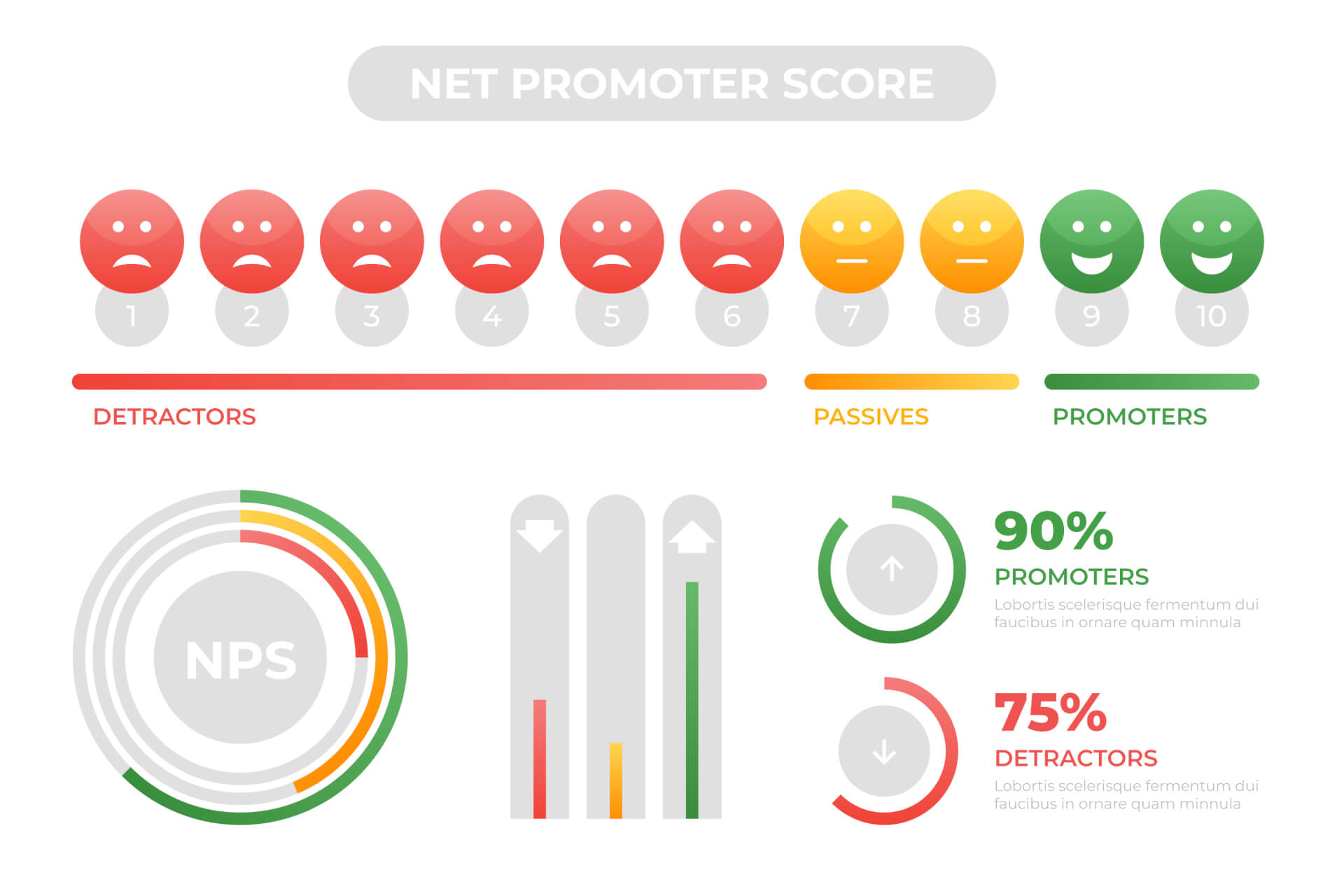
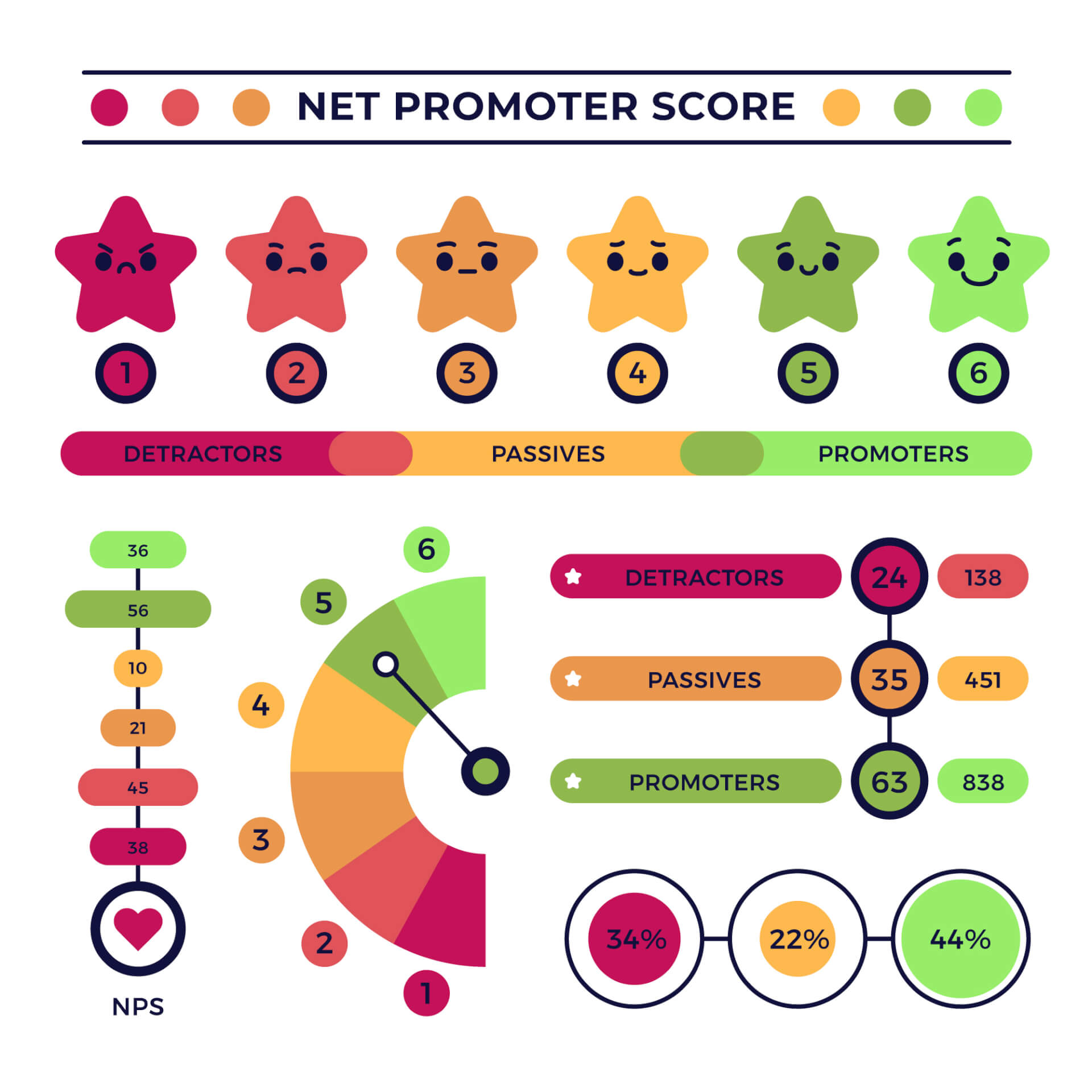 NPS (Net Promoter Score) is a metric used to measure customer loyalty and satisfaction. It’s based on the simple question: “On a scale of 0 to 10, how likely are you to recommend our product/service to a friend or colleague?”
Customers are then categorized as follows:
- Promoters (score 9-10): Loyal enthusiasts who are likely to recommend your service.
- Passives (score 7-8): Satisfied but unenthusiastic customers.
- Detractors (score 0-6): Unhappy customers who could potentially harm your brand.
NPS is often seen as a tool to gauge post-sale satisfaction, but it’s also incredibly valuable during the sales pipeline stage.
By collecting NPS feedback throughout the pipeline, you can gain insights into how prospects are engaging with your offering, whether they are progressing smoothly, and where you may be losing them.
 Reading recommendation: If you want to learn more, we suggest reading our detailed Blog article "The Net Promoter Score – basics and areas of application"
How NPS Can Improve Conversion Rates in Your Sales Pipeline
Conversion rate optimization (CRO) is the goal of any sales team, and NPS insights can be a game-changer in this area. Here’s how:

Identify Early-Stage Issues in the Sales Process
NPS isn’t just useful for post-sale feedback—it can be gathered throughout the sales process. By measuring NPS during different pipeline stages, you can quickly identify pain points and areas of dissatisfaction.
For example, let’s say you’re tracking NPS during the qualification stage and notice a drop in scores from Promoters to Passives.
This could indicate that leads are not understanding the value of your solution early enough, or perhaps your sales team isn’t addressing their needs correctly.
By addressing these issues at the beginning of the pipeline, you can adjust your messaging or sales tactics to improve engagement and move prospects through the funnel with higher conversion rates.
 Recommended Reading: If you want to learn more about improving your Sales pipeline, we recommend our Blog article: "Conversion Path Analysis: Mapping the Buyer's Journey from Click to Customer"
Improve Lead Qualification with NPS Insights
Effective lead qualification is crucial for the sales process. You want to ensure that you’re focusing your energy on leads that have a higher likelihood of conversion.
Here’s where NPS comes in: By assessing early interactions with prospects and gathering feedback, you can get a better sense of their engagement and likelihood to buy. For example, a prospect who gives you a high NPS score during the initial stages is more likely to convert than one who scores low.
By integrating NPS feedback into your qualification process, your sales team can prioritize leads based on their willingness to buy, thereby boosting the chances of conversion.
Optimizing Your Sales Pipeline Using NPS Insights
 Now that you know the potential of NPS in sales pipeline management, let's talk about some actionable strategies to optimize your pipeline and improve conversion rates using NPS insights.
Personalize Your Outreach Based on NPS Feedback
Personalization is a key factor in customer satisfaction. If a prospect rates you highly on the NPS scale, they are likely to appreciate personalized content and communication tailored to their needs.
For instance, if a lead responds positively during the initial contact stage, you can send them content that directly addresses their pain points and positions your product as a solution. On the other hand, if a lead rates you poorly, perhaps send them an apology email with a request for more information on how you can improve.
Personalizing your outreach based on NPS feedback can help foster better relationships, increasing the likelihood of conversion.
 Reading recommendation: The interpretation of data is not always easy. For a better overview, we suggest our article "NPS Data Interpretation: Turning Numbers Into Meaningful Insights"
Act on Negative Feedback Immediately
If you receive a low NPS score from a lead, don’t ignore it. Low scores indicate potential friction in the sales process. Whether it’s a lack of understanding, pricing concerns, or poor communication, addressing these issues promptly can turn a Detractor into a Promoter.
For example, if a prospect expresses concerns about pricing in the negotiation stage, respond quickly with alternative solutions, discounts, or added value.
Not only does this show that you’re listening, but it also builds trust, increasing the chance they’ll continue down the sales pipeline.
Create a Feedback Loop for Continuous Improvement
One of the most powerful aspects of NPS is that it’s a feedback loop. Regularly collecting NPS data allows you to constantly improve your pipeline.
For example, after a prospect moves through the proposal stage, ask for NPS feedback on how clear and relevant your proposal was. This feedback will help you refine future proposals and increase your chances of moving prospects to the next stage.
The Role of Customer Success in Pipeline Management
 While pipeline management traditionally focuses on sales, customer success plays an important role too. Happy, engaged customers are more likely to convert and refer others.
By integrating customer success strategies with your sales pipeline, you can increase the likelihood of conversion and retention. After all, retaining a customer is often easier (and cheaper) than acquiring a new one.
To further enhance your pipeline, consider integrating customer success touchpoints at various stages. This could be a proactive follow-up email after a demo or a call after a proposal is sent to ensure all questions are answered. These touchpoints provide value to the prospect and improve their overall experience, which can lead to higher NPS scores and better conversion rates.
Key Metrics to Track Alongside NPS for Better Sales Pipeline Management
While NPS is a fantastic tool for understanding customer satisfaction, it’s even more powerful when paired with other sales performance metrics. Here are some metrics to track alongside NPS:
- Lead Conversion Rate: The percentage of leads that turn into paying customers.
- Sales Cycle Length: The time it takes for a lead to move from one stage of the pipeline to the next.
- Win Rate: The percentage of opportunities that result in a closed sale.
- Customer Retention Rate: The percentage of customers who continue to do business with you.
By combining these metrics with NPS insights, you can better understand your pipeline’s performance and find new ways to improve your conversion rate.
Conclusion: Maximizing Conversion Rates with NPS Insights
Sales pipeline management is a critical aspect of any business looking to grow and scale. By integrating NPS insights into your pipeline management strategy, you can identify key areas for improvement, personalize your sales approach, and ultimately drive higher conversion rates. Remember, sales isn’t just about closing deals—it’s about building lasting relationships that benefit both you and your customers.
So, what are you waiting for? Start tracking NPS at every stage of your sales pipeline and use the insights to optimize your strategy. With the right approach, you’ll see an increase in conversion rates and happier, more loyal customers.
 Recommended reading: If this article helped you and you would like to learn more about the possibilities of using NPS in customer acquisition, continue reading here: "The role of NPS in customer acquisition"
FAQs
How often should I measure NPS during the sales pipeline?
It’s ideal to collect NPS feedback at various stages throughout the pipeline, such as after initial contact, following demos, and after proposals are sent. This allows you to gauge customer satisfaction and make necessary adjustments in real-time.
What should I do if I receive a low NPS score from a prospect?
A low NPS score is an opportunity to improve. Reach out to the prospect and ask for more details about their concerns. Address these issues promptly to regain trust and move the prospect further down the pipeline.
Can NPS insights help in lead qualification?
Yes! NPS scores can help you identify which leads are more likely to convert. High scores indicate strong engagement, while low scores may indicate that further nurturing or a change in approach is necessary.
How can I integrate customer success into my sales pipeline?
You can integrate customer success by creating touchpoints at different stages of the pipeline—such as follow-up emails or calls after demos or proposals—to ensure prospects feel supported throughout the process.
What other metrics should I track along with NPS?
In addition to NPS, tracking metrics like lead conversion rate, sales cycle length, and win rate will give you a more comprehensive view of your pipeline performance and help you identify areas for improvement.