![[EN]](data:image/png;base64,iVBORw0KGgoAAAANSUhEUgAAAB4AAAAUCAYAAACaq43EAAAAGXRFWHRTb2Z0d2FyZQBBZG9iZSBJbWFnZVJlYWR5ccllPAAAAyRpVFh0WE1MOmNvbS5hZG9iZS54bXAAAAAAADw/eHBhY2tldCBiZWdpbj0i77u/IiBpZD0iVzVNME1wQ2VoaUh6cmVTek5UY3prYzlkIj8+IDx4OnhtcG1ldGEgeG1sbnM6eD0iYWRvYmU6bnM6bWV0YS8iIHg6eG1wdGs9IkFkb2JlIFhNUCBDb3JlIDUuMy1jMDExIDY2LjE0NTY2MSwgMjAxMi8wMi8wNi0xNDo1NjoyNyAgICAgICAgIj4gPHJkZjpSREYgeG1sbnM6cmRmPSJodHRwOi8vd3d3LnczLm9yZy8xOTk5LzAyLzIyLXJkZi1zeW50YXgtbnMjIj4gPHJkZjpEZXNjcmlwdGlvbiByZGY6YWJvdXQ9IiIgeG1sbnM6eG1wPSJodHRwOi8vbnMuYWRvYmUuY29tL3hhcC8xLjAvIiB4bWxuczp4bXBNTT0iaHR0cDovL25zLmFkb2JlLmNvbS94YXAvMS4wL21tLyIgeG1sbnM6c3RSZWY9Imh0dHA6Ly9ucy5hZG9iZS5jb20veGFwLzEuMC9zVHlwZS9SZXNvdXJjZVJlZiMiIHhtcDpDcmVhdG9yVG9vbD0iQWRvYmUgUGhvdG9zaG9wIENTNiAoTWFjaW50b3NoKSIgeG1wTU06SW5zdGFuY2VJRD0ieG1wLmlpZDpERTc5MkI3RjE3OEExMUUyQTcxNDlDNEFCRkNENzc2NiIgeG1wTU06RG9jdW1lbnRJRD0ieG1wLmRpZDpERTc5MkI4MDE3OEExMUUyQTcxNDlDNEFCRkNENzc2NiI+IDx4bXBNTTpEZXJpdmVkRnJvbSBzdFJlZjppbnN0YW5jZUlEPSJ4bXAuaWlkOkEyMTE0RjIyMTc4QTExRTJBNzE0OUM0QUJGQ0Q3NzY2IiBzdFJlZjpkb2N1bWVudElEPSJ4bXAuZGlkOkRFNzkyQjdFMTc4QTExRTJBNzE0OUM0QUJGQ0Q3NzY2Ii8+IDwvcmRmOkRlc2NyaXB0aW9uPiA8L3JkZjpSREY+IDwveDp4bXBtZXRhPiA8P3hwYWNrZXQgZW5kPSJyIj8+60cYSwAAAyhJREFUeNrElN1PU3cYxz/tOQUBD/aNymtbUAq2IOiUWXmZA40Iy2BzcW53y7JlyZLtZuE/8NaY7Gbe7WJbdJnTDOdQCbLKrERUotgCSodQ7AsFpK28yKT7rfsL2gv7JCcn+eV3zpPv5/l+H9X2xp65SqtJGfr1Fg3vNPD02SIhfwRniwP3pdvsOVxPaCHGs7+DOA/VJs8crXXEs3P48OfTfMIcU+SRaqlMzm8SNut2VuefIxvyydZIxFbWyX35iviLNZRiPZJaxdLyCkoiQUyc6cwFTPvC9FRkcbJMy7JaTrmxHIuvxaZm5xW7+Jl3NkKRaRt5OVlMjvuoqa9gwr9AgS4PvTYP78hjdtVVEAw9J+Kdxv7Td+hL8tGTeslGg8Jeexk3/riLs62O+cU441NBDjbZGbg+SlNbPYvRF9zzzHCoycFA/yhvCtRqnZbr5a1YEjGm5S2po1ZXfRHVaCTlWLODq24v1eWFGPVbuXH5Dh3vORm88xhziR5zoZ5rl9y0dx/ggS/EzGSQs5Ua3s39h7CUlbri0mKdUGzmijBXqzBXYH4Z931fsmlf7zBvd+wjIigMDI/TcbyRvt+GOSgUZ62uU3S2h8IdRgrTQK1S2T6PyhpZ+aB9LxcF2hpbCUUF27hy4S+Of/wWfUMeykuNVIin9/xNuj9qYWR8juknIc5szNC1voA/DdSypayAhlor57/vp/NEC7OBRfpveek+0cwvP/7JsfedhEWcLg8+pOtkMxfOuTjc5WSrSc+S6ymSQYtGyk5dsVT9/4zbhZmu3Z5IztggXOwSZjvSuZ+hUR9mEan/KAz+PkJb5z7GngSYdXu46T9Ho3EL6ZSKnZ9Fax0W5aFrDNuB6mROA6El7BYTnns+bPt3srK2gV+QcIjIPRLzrxL3ZkLLfB0c40udRCAd1EfFNioxaSG+Sl2NmchSnCKjwh6HBWlzk/rd1uTyMOTn8MbuctRiieyqLKbKbqXs4gSvQmFephOnRCIRFW+F11yyp/3TtD/eSKjYTM4rjcZh110yUZlDPfnVqcwovkppRhRnDrX/2x+UjKDuJXcuE4r/FWAAjBMttNdoYOEAAAAASUVORK5CYII=)
Customer loyalty is a critical factor for the success of any business. It is the key to building long-term relationships with customers, driving repeat business, and increasing profitability. But how do you measure true loyalty? This is where the Net Promoter Score (NPS) Loyalty Index comes into play.
Understanding NPS

What is Net Promoter Score (NPS)?
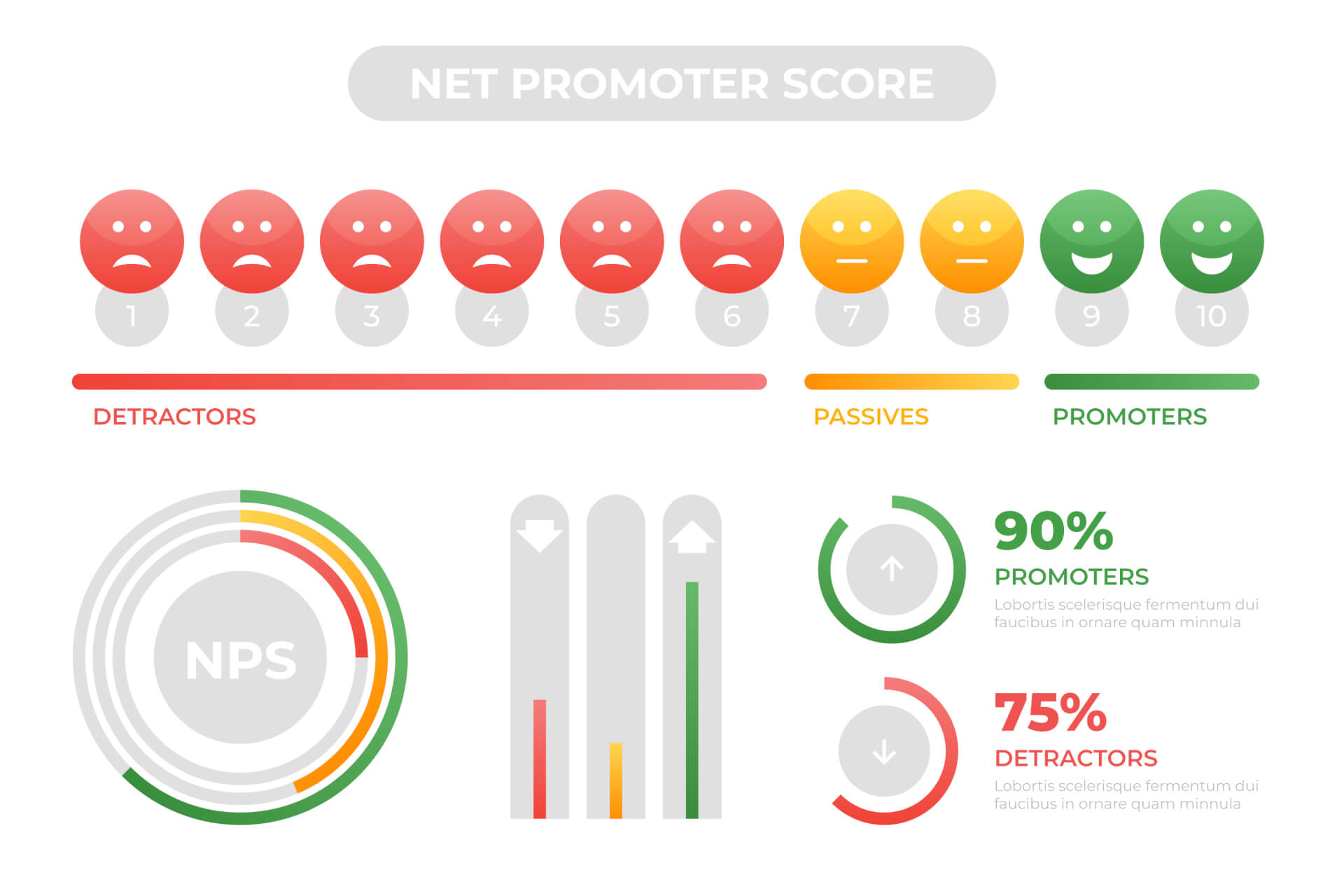
Net Promoter Score (NPS) is a widely used metric for measuring customer loyalty. It is based on the simple question: "How likely are you to recommend our product/service to a friend or colleague?" Customers are then asked to rate their likelihood on a scale of 0 to 10, with 0 being least likely and 10 being most likely.
How does NPS work?
NPS categorizes customers into three groups based on their responses: Promoters (score 9-10), Passives (score 7-8), and Detractors (score 0-6). The NPS is calculated by subtracting the percentage of Detractors from the percentage of Promoters.
The resulting score can range from -100 to +100.
Benefits of using NPS for measuring loyalty
NPS provides a simple and effective way to measure customer loyalty. It helps businesses identify their most loyal customers, understand customer sentiment, and track changes in loyalty over time.
NPS also allows for benchmarking against competitors and industry standards.
NPS Loyalty Index Explained

Definition of NPS Loyalty Index
The NPS Loyalty Index goes beyond the traditional NPS score by incorporating additional factors that contribute to true loyalty.
It takes into account customer behaviors, attitudes, and emotions to provide a more comprehensive view of customer loyalty.
How is NPS Loyalty Index calculated?
The NPS Loyalty Index is calculated by combining the NPS score with other loyalty metrics, such as
- customer retention rates
- purchase frequency
- and customer lifetime value.
This holistic approach provides a more nuanced understanding of customer loyalty and helps businesses identify areas for improvement.
Interpreting NPS Loyalty Index scores
Unlike the standard NPS score, which focuses solely on advocacy, the NPS Loyalty Index considers a broader range of loyalty indicators. Higher NPS Loyalty Index scores indicate stronger customer relationships, higher customer lifetime value, and increased likelihood of repeat business.
Importance of True Loyalty

Differentiating between transactional and true loyalty
Transactional loyalty is based on incentives, discounts, or convenience, while true loyalty is driven by emotional connections, trust, and brand affinity. True loyalty leads to long-term customer relationships and sustainable business growth.
Why is true loyalty crucial for businesses?
True loyalty is more valuable than transactional loyalty because it results in higher customer satisfaction, increased customer lifetime value, and positive word-of-mouth referrals. Businesses that prioritize true loyalty are more likely to withstand market fluctuations and competitive pressures.
How NPS Loyalty Index helps measure true loyalty
The NPS Loyalty Index provides a holistic view of customer loyalty by considering both transactional and emotional factors. By measuring true loyalty, businesses can identify areas of strength and weakness in their customer relationships and make data-driven decisions to improve loyalty over time.

Recommended reading: For more information on customer success and satisfaction, read our blog article "The Power of Customer Success: Fostering Satisfaction and Loyalty."
Implementing NPS Loyalty Index

Best practices for implementing NPS Loyalty Index
To effectively measure true loyalty using the NPS Loyalty Index, businesses should align internal teams, collect feedback at key touchpoints, and track customer behaviors over time.
It is essential to integrate the NPS Loyalty Index into existing customer experience initiatives and use the insights to drive strategic decision-making.
Common challenges in using NPS Loyalty Index
Challenges in implementing the NPS Loyalty Index include data silos, lack of cross-functional collaboration, and resistance to change.
Overcoming these challenges requires leadership buy-in, employee training, and a commitment to continuous improvement in customer loyalty strategies.
Case studies of successful implementations
Several companies have successfully implemented the NPS Loyalty Index to drive customer loyalty and business growth. By leveraging customer feedback, analyzing loyalty metrics, and taking proactive measures to enhance customer relationships, these companies have achieved significant improvements in customer satisfaction and loyalty.
Conclusion
In conclusion, the NPS Loyalty Index is a powerful tool for measuring true loyalty and building long-term customer relationships. By incorporating additional loyalty metrics and focusing on emotional connections, businesses can gain deeper insights into customer loyalty and drive sustainable growth. To succeed in today's competitive landscape, businesses must prioritize true loyalty and use the NPS Loyalty Index to guide their customer experience strategies.
Reading recommendation: If this article helped you and you would like to find out more about the Net Promoter Score, continue reading here: “The Net Promoter Score – Basics and Areas of Application”
FAQs
How does NPS differ from other customer loyalty metrics?
NPS focuses on advocacy and word-of-mouth referrals, while other metrics may measure customer satisfaction or purchase intent.
Can NPS scores be influenced by external factors?
Yes, external factors such as market trends, competitor actions, or economic conditions can impact NPS scores.
What industries benefit the most from using NPS Loyalty Index?
Industries with high customer interaction, such as retail, hospitality, and technology, can benefit greatly from using the NPS Loyalty Index.
How often should businesses measure their NPS Loyalty Index?
Businesses should measure their NPS Loyalty Index regularly to track changes in customer loyalty and identify areas for improvement.
What are the limitations of relying solely on NPS for measuring loyalty?
Relying solely on NPS may overlook other important factors that contribute to customer loyalty, such as customer service quality or product innovation.