![[EN]](data:image/png;base64,iVBORw0KGgoAAAANSUhEUgAAAB4AAAAUCAYAAACaq43EAAAAGXRFWHRTb2Z0d2FyZQBBZG9iZSBJbWFnZVJlYWR5ccllPAAAAyRpVFh0WE1MOmNvbS5hZG9iZS54bXAAAAAAADw/eHBhY2tldCBiZWdpbj0i77u/IiBpZD0iVzVNME1wQ2VoaUh6cmVTek5UY3prYzlkIj8+IDx4OnhtcG1ldGEgeG1sbnM6eD0iYWRvYmU6bnM6bWV0YS8iIHg6eG1wdGs9IkFkb2JlIFhNUCBDb3JlIDUuMy1jMDExIDY2LjE0NTY2MSwgMjAxMi8wMi8wNi0xNDo1NjoyNyAgICAgICAgIj4gPHJkZjpSREYgeG1sbnM6cmRmPSJodHRwOi8vd3d3LnczLm9yZy8xOTk5LzAyLzIyLXJkZi1zeW50YXgtbnMjIj4gPHJkZjpEZXNjcmlwdGlvbiByZGY6YWJvdXQ9IiIgeG1sbnM6eG1wPSJodHRwOi8vbnMuYWRvYmUuY29tL3hhcC8xLjAvIiB4bWxuczp4bXBNTT0iaHR0cDovL25zLmFkb2JlLmNvbS94YXAvMS4wL21tLyIgeG1sbnM6c3RSZWY9Imh0dHA6Ly9ucy5hZG9iZS5jb20veGFwLzEuMC9zVHlwZS9SZXNvdXJjZVJlZiMiIHhtcDpDcmVhdG9yVG9vbD0iQWRvYmUgUGhvdG9zaG9wIENTNiAoTWFjaW50b3NoKSIgeG1wTU06SW5zdGFuY2VJRD0ieG1wLmlpZDpERTc5MkI3RjE3OEExMUUyQTcxNDlDNEFCRkNENzc2NiIgeG1wTU06RG9jdW1lbnRJRD0ieG1wLmRpZDpERTc5MkI4MDE3OEExMUUyQTcxNDlDNEFCRkNENzc2NiI+IDx4bXBNTTpEZXJpdmVkRnJvbSBzdFJlZjppbnN0YW5jZUlEPSJ4bXAuaWlkOkEyMTE0RjIyMTc4QTExRTJBNzE0OUM0QUJGQ0Q3NzY2IiBzdFJlZjpkb2N1bWVudElEPSJ4bXAuZGlkOkRFNzkyQjdFMTc4QTExRTJBNzE0OUM0QUJGQ0Q3NzY2Ii8+IDwvcmRmOkRlc2NyaXB0aW9uPiA8L3JkZjpSREY+IDwveDp4bXBtZXRhPiA8P3hwYWNrZXQgZW5kPSJyIj8+60cYSwAAAyhJREFUeNrElN1PU3cYxz/tOQUBD/aNymtbUAq2IOiUWXmZA40Iy2BzcW53y7JlyZLtZuE/8NaY7Gbe7WJbdJnTDOdQCbLKrERUotgCSodQ7AsFpK28yKT7rfsL2gv7JCcn+eV3zpPv5/l+H9X2xp65SqtJGfr1Fg3vNPD02SIhfwRniwP3pdvsOVxPaCHGs7+DOA/VJs8crXXEs3P48OfTfMIcU+SRaqlMzm8SNut2VuefIxvyydZIxFbWyX35iviLNZRiPZJaxdLyCkoiQUyc6cwFTPvC9FRkcbJMy7JaTrmxHIuvxaZm5xW7+Jl3NkKRaRt5OVlMjvuoqa9gwr9AgS4PvTYP78hjdtVVEAw9J+Kdxv7Td+hL8tGTeslGg8Jeexk3/riLs62O+cU441NBDjbZGbg+SlNbPYvRF9zzzHCoycFA/yhvCtRqnZbr5a1YEjGm5S2po1ZXfRHVaCTlWLODq24v1eWFGPVbuXH5Dh3vORm88xhziR5zoZ5rl9y0dx/ggS/EzGSQs5Ua3s39h7CUlbri0mKdUGzmijBXqzBXYH4Z931fsmlf7zBvd+wjIigMDI/TcbyRvt+GOSgUZ62uU3S2h8IdRgrTQK1S2T6PyhpZ+aB9LxcF2hpbCUUF27hy4S+Of/wWfUMeykuNVIin9/xNuj9qYWR8juknIc5szNC1voA/DdSypayAhlor57/vp/NEC7OBRfpveek+0cwvP/7JsfedhEWcLg8+pOtkMxfOuTjc5WSrSc+S6ymSQYtGyk5dsVT9/4zbhZmu3Z5IztggXOwSZjvSuZ+hUR9mEan/KAz+PkJb5z7GngSYdXu46T9Ho3EL6ZSKnZ9Fax0W5aFrDNuB6mROA6El7BYTnns+bPt3srK2gV+QcIjIPRLzrxL3ZkLLfB0c40udRCAd1EfFNioxaSG+Sl2NmchSnCKjwh6HBWlzk/rd1uTyMOTn8MbuctRiieyqLKbKbqXs4gSvQmFephOnRCIRFW+F11yyp/3TtD/eSKjYTM4rjcZh110yUZlDPfnVqcwovkppRhRnDrX/2x+UjKDuJXcuE4r/FWAAjBMttNdoYOEAAAAASUVORK5CYII=)
 Scaling a customer success program can be challenging. As your client base grows, maintaining personalized engagement without overwhelming your team becomes increasingly difficult. This is where customer success automation comes in—it allows you to deliver timely, relevant, and data-driven interactions at scale, without sacrificing quality.
When combined with NPS (Net Promoter Score) insights, automation becomes a powerful tool to improve satisfaction, boost retention, and drive advocacy. In this article, we’ll explore how customer success automation can enhance experiences, leverage NPS feedback, and help businesses scale personalized engagement efficiently.
What Customer Success Automation Is
Customer success automation involves leveraging software and workflows to deliver targeted, proactive interactions to customers. It can range from automated emails and in-app messages to workflow triggers that guide customers through milestones.
The goal is to ensure every customer receives timely guidance, support, and engagement, even as your team scales.
The Role of NPS in Driving Automated Success Actions
NPS isn’t just a metric; it’s a strategic input for automation. By segmenting customers based on NPS:
- Promoters can be targeted for advocacy campaigns and upsells
- Passives can receive educational content to increase engagement
- Detractors can trigger immediate interventions to prevent churn
- Integrating NPS insights ensures automation addresses customer needs proactively, rather than taking a one-size-fits-all approach.
How Automation Enhances Customer Satisfaction
 Automation enables:
- Faster responses to customer actions or behaviors
- Timely guidance on product features or milestones
- Consistent engagement across large customer bases
By delivering the right message at the right time, automation keeps customers on track toward success, enhancing satisfaction and positively impacting NPS.
Identifying Key Touchpoints for Automation
Not every interaction should be automated. Focus on high-impact touchpoints, such as:
- Onboarding completion
- Feature adoption milestones
- Usage inactivity or low engagement
- Renewal or contract milestones
Automating these touchpoints ensures consistent, timely support and engagement.
Integrating NPS Feedback Into Automated Workflows
NPS feedback can trigger specific automated actions:
- Low scores (detractors) can trigger proactive check-ins or support interventions
- Mid-range scores (passives) can receive targeted educational content
- High scores (promoters) can be invited to advocacy programs or referrals
This approach ensures actions are informed by real customer sentiment, not assumptions.
 Reading recommendation: Our Blog Article provides you with "Practical ideas for automating the customer feedback workflow"
Automating Onboarding and Early Engagement
 First impressions matter. Automated onboarding workflows can:
- Guide new users through product setup
- Deliver feature tips and best practices at appropriate times
- Highlight key milestones and success metrics
Automated onboarding reduces friction, accelerates time-to-value, and sets the tone for long-term satisfaction.
Proactive Support and Issue Resolution at Scale
Automation can detect potential issues and trigger timely interventions:
- Monitor usage patterns for signs of frustration or underuse
- Automatically alert support teams to at-risk customers
- Send self-service resources or troubleshooting guides proactively
Proactive, automated support prevents problems from escalating, maintaining satisfaction and loyalty.
Segmenting Customers for Tailored Automation

Effective automation isn’t one-size-fits-all. Segment customers based on:
- NPS score
- Product usage and engagement
- Industry or company size
- Contract value or lifecycle stage
Segmentation allows automated workflows to feel personalized, relevant, and effective.
Personalization Without Manual Effort
Automation enables personalization at scale:
- Dynamic content in emails based on usage or preferences
- Customized in-app messages for different customer segments
- Milestone-specific outreach triggered automatically
By automating personalization, teams can deliver human-like engagement without overwhelming resources.
Monitoring and Optimizing Automated Programs
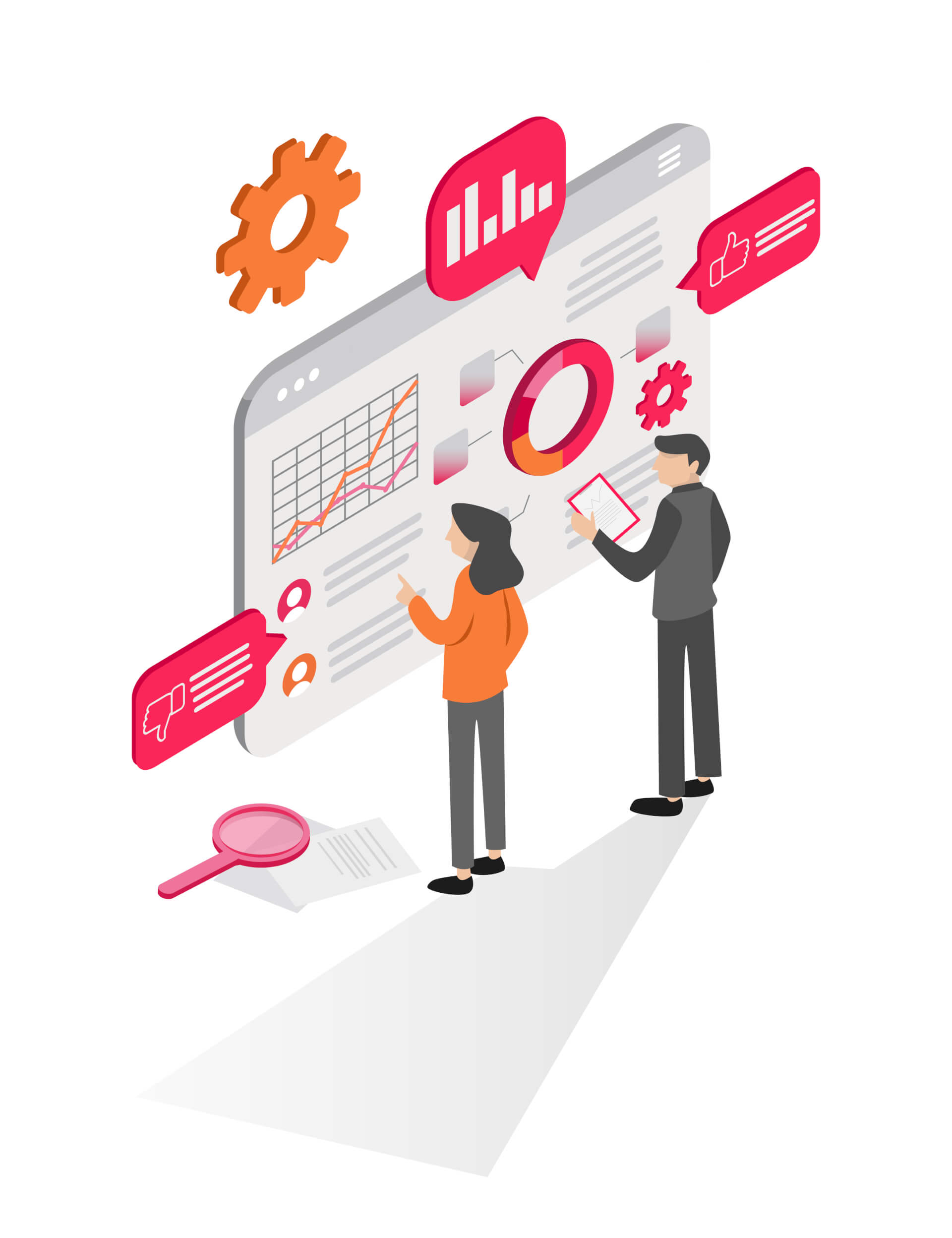 Automation requires continuous evaluation:
- Track engagement metrics (opens, clicks, feature adoption)
- Measure impact on NPS and satisfaction
- Adjust workflows based on effectiveness
Ongoing optimization ensures automation remains relevant, effective, and aligned with customer success goals.
Using Predictive Analytics to Prevent Churn
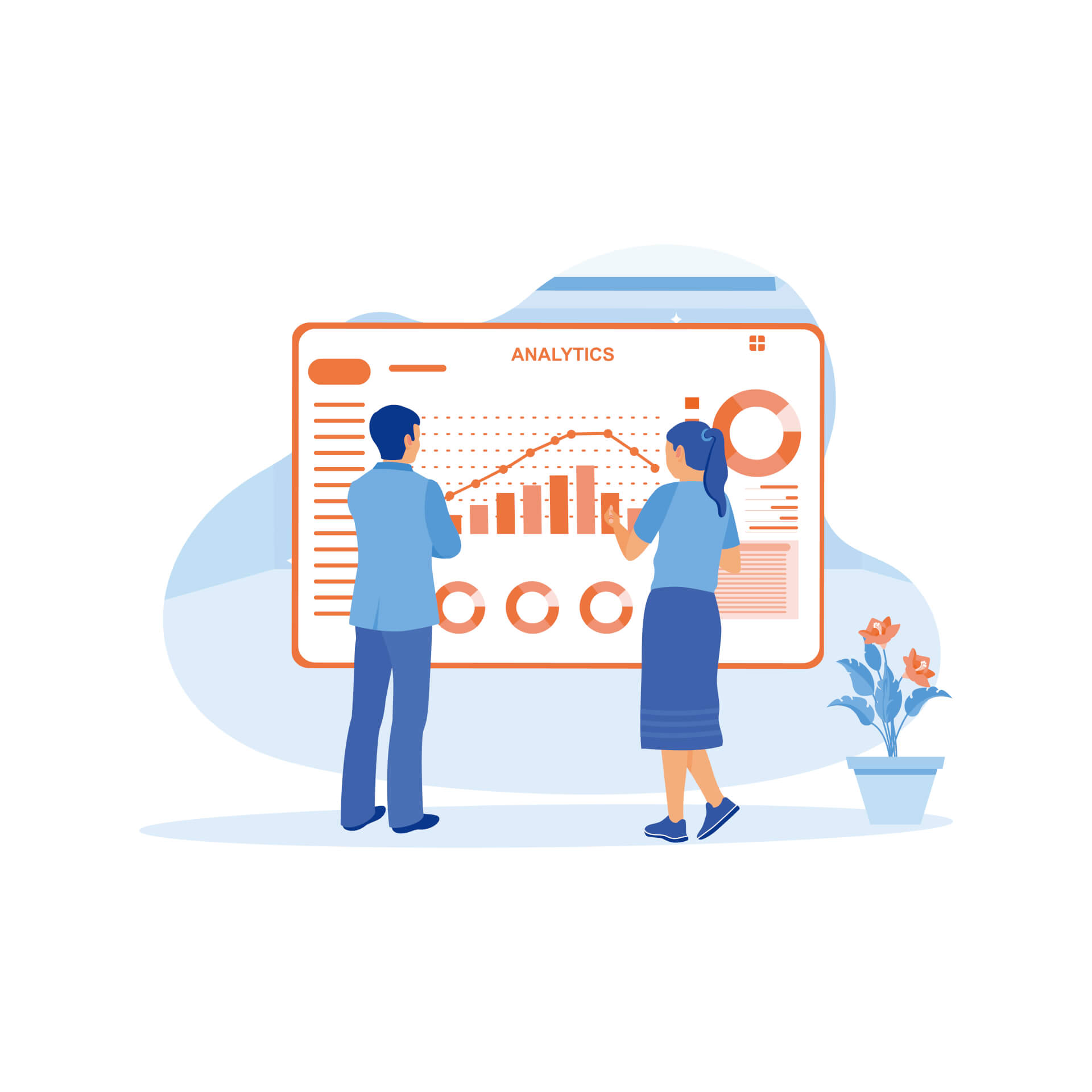
Predictive analytics combined with automation allows teams to:
- Identify at-risk customers early
- Trigger proactive interventions based on behavior and NPS trends
- Tailor recommendations to reduce churn risk
Predictive insights turn automation into a proactive retention tool, rather than a reactive one.
 Reading Recommendation: Our Blog Article "Using Predictive Analytics with NPS: Anticipate Churn Before It Happens" shows yo how.
Aligning Automation With Customer Success Goals
Automation should support broader success objectives:
- Maximize feature adoption
- Reduce time-to-value
- Improve NPS and retention
- Increase expansion and advocacy
Aligning automation ensures consistent value delivery at scale.
Combining Automation With Human Touch
 Automation works best when complemented by human interaction:
- Escalate complex or sensitive issues to customer success managers
- Personalize interactions for high-value clients
- Use automation to handle routine tasks, freeing human teams for strategic engagement
This hybrid approach enhances efficiency without compromising relationship quality.
Case Study: Scaling Success with Automation and NPS Insights
A SaaS company serving hundreds of mid-market clients implemented customer success automation:
- Automated onboarding and milestone tracking
- Integrated NPS feedback to segment clients and trigger workflows
- Proactively engaged detractors while nurturing promoters
Results
NPS rose by 20 points, feature adoption increased 30%, and churn decreased significantly, demonstrating the power of combining automation with NPS-driven insights.
Common Pitfalls in Customer Success Automation
- Over-automating, making interactions feel impersonal
- Ignoring NPS and other satisfaction metrics in automation design
- Failing to monitor effectiveness and engagement
- Lacking segmentation, leading to irrelevant outreach
- Neglecting the human touch for complex situations
Avoiding these mistakes ensures automation enhances, rather than harms, the customer experience.
Best Practices for Effective Automation
- Leverage NPS insights to inform workflows and triggers
- Focus automation on high-impact touchpoints and milestones
- Segment customers to maintain relevance and personalization
- Monitor performance and continuously optimize automated actions
- Balance automation with human support for complex or strategic interactions
Conclusion
Customer success automation, when guided by NPS insights, allows businesses to deliver timely, personalized engagement at scale. By automating routine touchpoints, proactively addressing at-risk customers, and integrating human oversight where needed, organizations can enhance satisfaction, improve retention, and increase advocacy.
Automation doesn’t replace the human element—it empowers teams to focus on strategic, high-value interactions, ensuring customers feel supported, understood, and successful.
 Recommended reading: If this article helped you and you would like to learn more about the role of NPS in shaping the customer experience, continue reading here: "The role of NPS in customer experience (CX)"
Frequently Asked Questions
How does customer success automation improve satisfaction?
By delivering timely, relevant interactions and proactive guidance, automation ensures customers consistently achieve their goals, enhancing satisfaction.
How can NPS insights guide automation?
NPS scores help segment customers and trigger tailored workflows—engaging promoters, nurturing passives, and proactively addressing detractors.
Can automation replace human customer success managers?
No. Automation handles routine and scalable tasks, while human managers focus on complex or strategic engagements requiring empathy and judgment.
How do you measure the effectiveness of automated programs?
Track engagement metrics, feature adoption, NPS trends, retention rates, and customer feedback to evaluate impact.
What are common mistakes in customer success automation?
Over-automation, ignoring NPS insights, lack of personalization, not monitoring performance, and neglecting human interaction are common pitfalls.