![[EN]](data:image/png;base64,iVBORw0KGgoAAAANSUhEUgAAAB4AAAAUCAYAAACaq43EAAAAGXRFWHRTb2Z0d2FyZQBBZG9iZSBJbWFnZVJlYWR5ccllPAAAAyRpVFh0WE1MOmNvbS5hZG9iZS54bXAAAAAAADw/eHBhY2tldCBiZWdpbj0i77u/IiBpZD0iVzVNME1wQ2VoaUh6cmVTek5UY3prYzlkIj8+IDx4OnhtcG1ldGEgeG1sbnM6eD0iYWRvYmU6bnM6bWV0YS8iIHg6eG1wdGs9IkFkb2JlIFhNUCBDb3JlIDUuMy1jMDExIDY2LjE0NTY2MSwgMjAxMi8wMi8wNi0xNDo1NjoyNyAgICAgICAgIj4gPHJkZjpSREYgeG1sbnM6cmRmPSJodHRwOi8vd3d3LnczLm9yZy8xOTk5LzAyLzIyLXJkZi1zeW50YXgtbnMjIj4gPHJkZjpEZXNjcmlwdGlvbiByZGY6YWJvdXQ9IiIgeG1sbnM6eG1wPSJodHRwOi8vbnMuYWRvYmUuY29tL3hhcC8xLjAvIiB4bWxuczp4bXBNTT0iaHR0cDovL25zLmFkb2JlLmNvbS94YXAvMS4wL21tLyIgeG1sbnM6c3RSZWY9Imh0dHA6Ly9ucy5hZG9iZS5jb20veGFwLzEuMC9zVHlwZS9SZXNvdXJjZVJlZiMiIHhtcDpDcmVhdG9yVG9vbD0iQWRvYmUgUGhvdG9zaG9wIENTNiAoTWFjaW50b3NoKSIgeG1wTU06SW5zdGFuY2VJRD0ieG1wLmlpZDpERTc5MkI3RjE3OEExMUUyQTcxNDlDNEFCRkNENzc2NiIgeG1wTU06RG9jdW1lbnRJRD0ieG1wLmRpZDpERTc5MkI4MDE3OEExMUUyQTcxNDlDNEFCRkNENzc2NiI+IDx4bXBNTTpEZXJpdmVkRnJvbSBzdFJlZjppbnN0YW5jZUlEPSJ4bXAuaWlkOkEyMTE0RjIyMTc4QTExRTJBNzE0OUM0QUJGQ0Q3NzY2IiBzdFJlZjpkb2N1bWVudElEPSJ4bXAuZGlkOkRFNzkyQjdFMTc4QTExRTJBNzE0OUM0QUJGQ0Q3NzY2Ii8+IDwvcmRmOkRlc2NyaXB0aW9uPiA8L3JkZjpSREY+IDwveDp4bXBtZXRhPiA8P3hwYWNrZXQgZW5kPSJyIj8+60cYSwAAAyhJREFUeNrElN1PU3cYxz/tOQUBD/aNymtbUAq2IOiUWXmZA40Iy2BzcW53y7JlyZLtZuE/8NaY7Gbe7WJbdJnTDOdQCbLKrERUotgCSodQ7AsFpK28yKT7rfsL2gv7JCcn+eV3zpPv5/l+H9X2xp65SqtJGfr1Fg3vNPD02SIhfwRniwP3pdvsOVxPaCHGs7+DOA/VJs8crXXEs3P48OfTfMIcU+SRaqlMzm8SNut2VuefIxvyydZIxFbWyX35iviLNZRiPZJaxdLyCkoiQUyc6cwFTPvC9FRkcbJMy7JaTrmxHIuvxaZm5xW7+Jl3NkKRaRt5OVlMjvuoqa9gwr9AgS4PvTYP78hjdtVVEAw9J+Kdxv7Td+hL8tGTeslGg8Jeexk3/riLs62O+cU441NBDjbZGbg+SlNbPYvRF9zzzHCoycFA/yhvCtRqnZbr5a1YEjGm5S2po1ZXfRHVaCTlWLODq24v1eWFGPVbuXH5Dh3vORm88xhziR5zoZ5rl9y0dx/ggS/EzGSQs5Ua3s39h7CUlbri0mKdUGzmijBXqzBXYH4Z931fsmlf7zBvd+wjIigMDI/TcbyRvt+GOSgUZ62uU3S2h8IdRgrTQK1S2T6PyhpZ+aB9LxcF2hpbCUUF27hy4S+Of/wWfUMeykuNVIin9/xNuj9qYWR8juknIc5szNC1voA/DdSypayAhlor57/vp/NEC7OBRfpveek+0cwvP/7JsfedhEWcLg8+pOtkMxfOuTjc5WSrSc+S6ymSQYtGyk5dsVT9/4zbhZmu3Z5IztggXOwSZjvSuZ+hUR9mEan/KAz+PkJb5z7GngSYdXu46T9Ho3EL6ZSKnZ9Fax0W5aFrDNuB6mROA6El7BYTnns+bPt3srK2gV+QcIjIPRLzrxL3ZkLLfB0c40udRCAd1EfFNioxaSG+Sl2NmchSnCKjwh6HBWlzk/rd1uTyMOTn8MbuctRiieyqLKbKbqXs4gSvQmFephOnRCIRFW+F11yyp/3TtD/eSKjYTM4rjcZh110yUZlDPfnVqcwovkppRhRnDrX/2x+UjKDuJXcuE4r/FWAAjBMttNdoYOEAAAAASUVORK5CYII=)
NPS (Net Promoter Score) surveys have become a popular tool for businesses to measure customer loyalty and satisfaction. By asking a simple question – "How likely are you to recommend our product/service to a friend or colleague?" – companies can gauge the overall sentiment of their customers and identify areas for improvement.
However, crafting effective NPS survey questions that deliver insightful responses requires careful planning and consideration.
What is NPS?
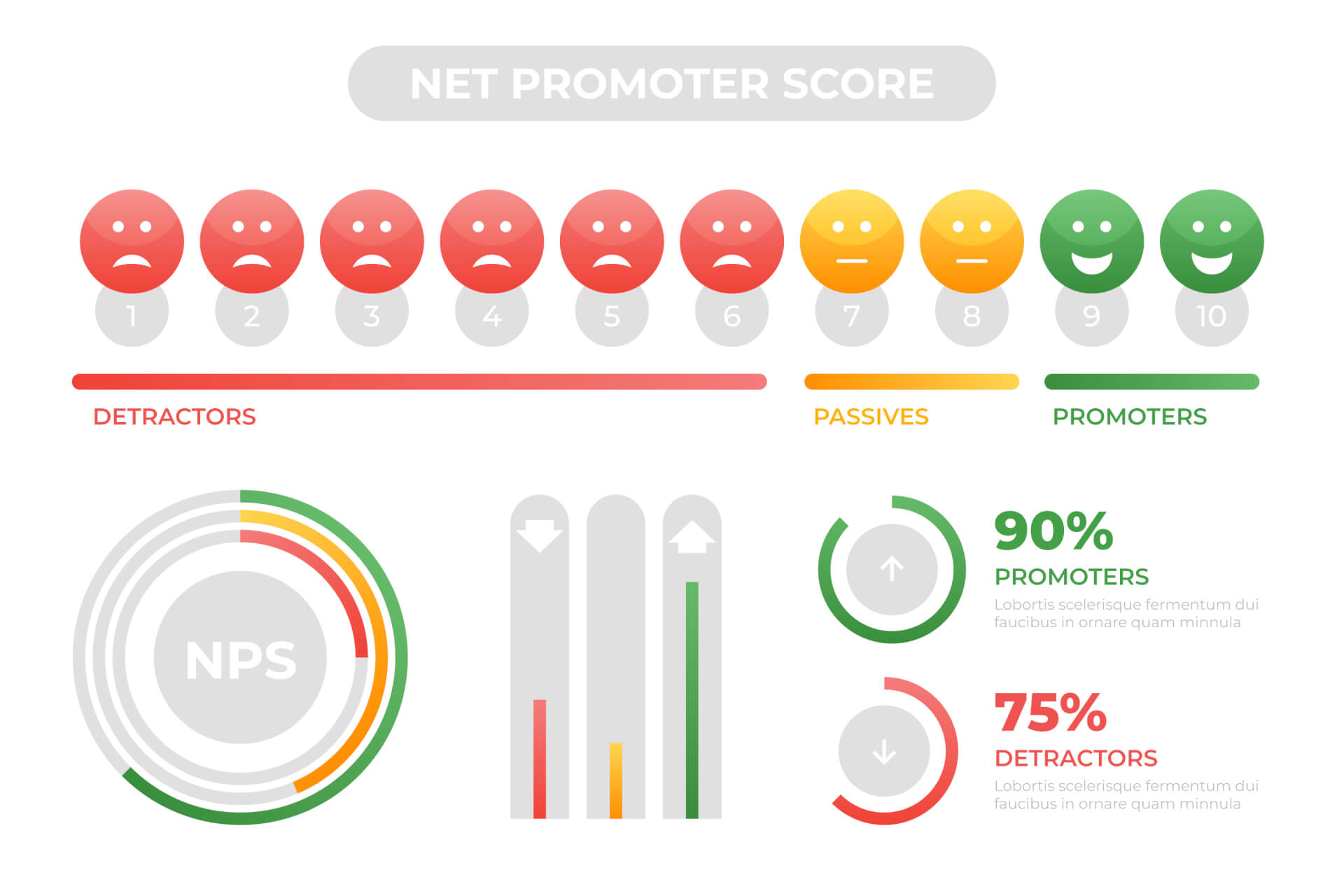
 NPS is a metric used to assess customer loyalty based on their likelihood to recommend a company's products or services to others. It is calculated by subtracting the percentage of detractors (those who are unlikely to recommend) from the percentage of promoters (those who are likely to recommend).
Importance of NPS Surveys
NPS surveys provide businesses with valuable feedback that can help them identify areas for improvement, measure customer satisfaction, and track changes in customer sentiment over time.
By understanding their NPS score, companies can take proactive steps to enhance the customer experience and drive growth.
Overview of NPS Survey Design
Crafting effective NPS survey questions is essential for obtaining meaningful insights from customers. By asking the right questions in the right way, businesses can gather actionable feedback that can inform strategic decision-making and drive business success.
Understanding NPS Scores
What do NPS scores mean?
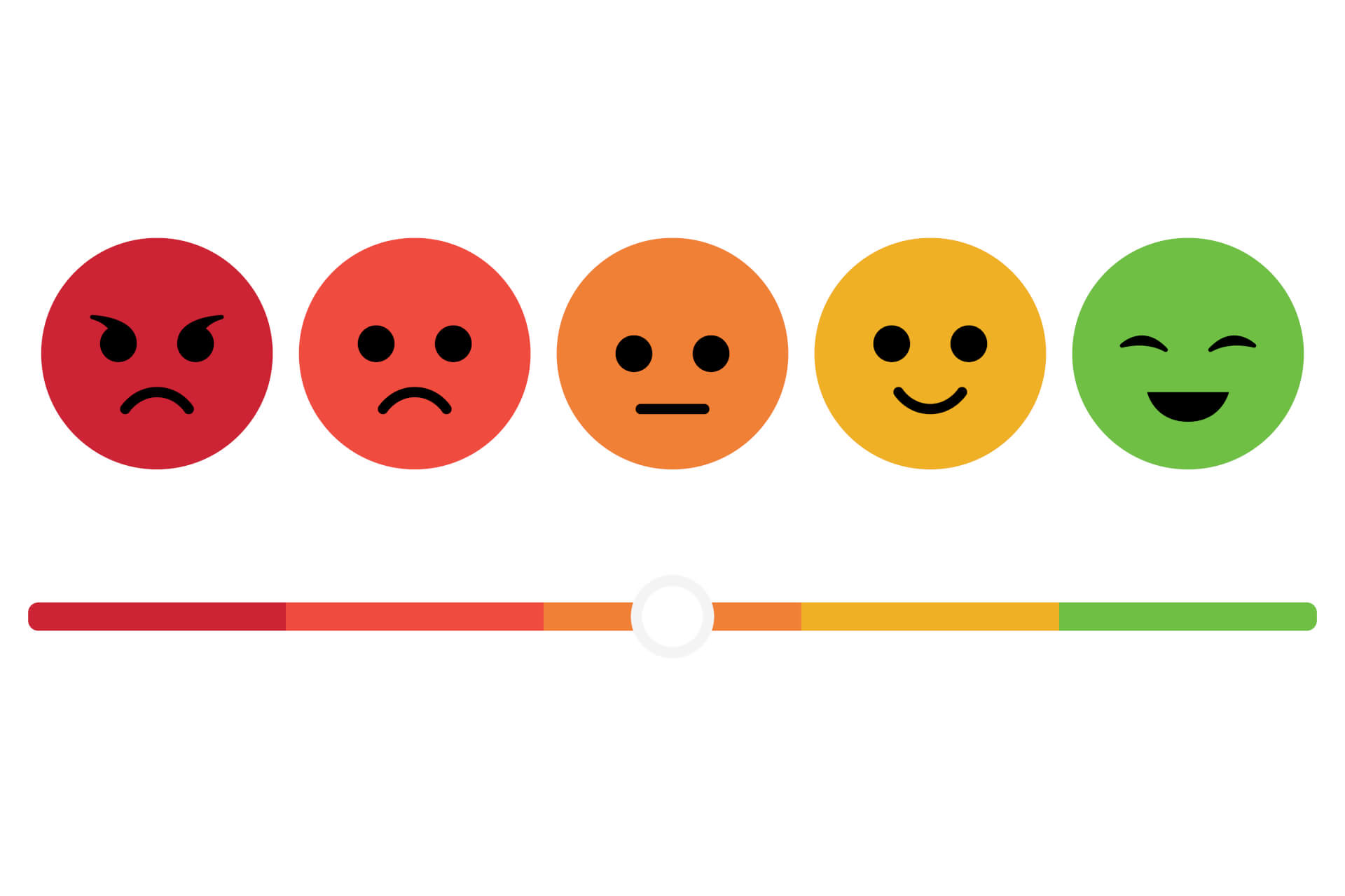
NPS scores range from -100 to +100, with scores above 0 considered to be positive and indicative of a strong customer base. Scores can vary by industry, with some sectors typically achieving higher scores than others.
Interpreting NPS scores
Interpreting NPS scores requires context and comparison to industry benchmarks. A score of 50 or above is generally seen as excellent, while scores below 0 may indicate areas of concern that require attention.
Benchmarking NPS scores
Benchmarking NPS scores against competitors and industry averages can provide valuable insights into how a company's customer loyalty stacks up against others in the market. This can help identify areas of strength and weakness that need to be addressed.
Crafting Effective NPS Survey Questions
 Open-ended vs. closed-ended questions
Open-ended questions allow customers to provide detailed feedback in their own words, while closed-ended questions offer predefined response options. A combination of both types of questions can provide a more comprehensive understanding of customer sentiment.
Best practices for wording NPS questions
Well-worded NPS questions should be clear, concise, and easy to understand. Avoiding jargon and technical language can help ensure that respondents provide accurate and meaningful feedback.
Avoiding bias in NPS surveys
Bias in survey questions can skew results and lead to inaccurate conclusions. By carefully crafting neutral and unbiased questions, businesses can obtain more reliable data that accurately reflects customer sentiment.
Implementing NPS Surveys
Choosing the right survey platform
Selecting a survey platform that is user-friendly, customizable, and secure is essential for collecting and analyzing NPS data effectively. Consider factors such as ease of use, reporting capabilities, and integration with other systems.
Timing and frequency of NPS surveys
Determining the optimal timing and frequency of NPS surveys can help maximize response rates and ensure that feedback is collected at key touchpoints in the customer journey. Consider factors such as customer satisfaction, loyalty, and engagement.
Analyzing and acting on NPS feedback
Analyzing NPS feedback in a timely manner and taking action on the insights gained is crucial for driving continuous improvement. By identifying trends, patterns, and areas for enhancement, businesses can make data-driven decisions that positively impact customer satisfaction.
NPS Survey Design Case Studies

Success stories of well-designed NPS surveys
Case studies of companies that have successfully implemented NPS surveys can provide valuable insights into best practices and strategies for designing effective surveys. By learning from the successes of others, businesses can improve their own survey design processes.
Lessons learned from NPS survey failures
Examining the failures and shortcomings of NPS surveys can also offer valuable lessons for businesses. By understanding what went wrong and why, companies can avoid making the same mistakes and improve the effectiveness of their survey design efforts.
Tips for improving NPS survey design
Tips for improving NPS survey design include soliciting feedback from customers, testing survey questions before deployment, and continuously iterating on survey design based on feedback and results.
By incorporating these best practices, businesses can enhance the quality and effectiveness of their NPS surveys.
Conclusion
In conclusion, crafting effective NPS survey questions that deliver insightful responses is essential for businesses looking to measure customer loyalty and satisfaction. By understanding the key principles of NPS survey design, implementing best practices, and continuously improving survey processes, companies can gather valuable feedback that informs strategic decision-making and drives business success.
Reading recommendation: If this article helped you and you would like to find out more about the Net Promoter Score, continue reading here: “The Net Promoter Score – Basics and Areas of Application”
FAQ
How can I increase my NPS score?
To increase your NPS score, focus on improving customer satisfaction, addressing feedback from detractors, and enhancing the overall customer experience.
What are the common mistakes to avoid in NPS survey design?
Common mistakes to avoid in NPS survey design include using biased questions, overwhelming respondents with too many questions, and failing to act on feedback received.
How do I measure the effectiveness of my NPS survey questions?
Measuring the effectiveness of NPS survey questions can be done by tracking response rates, analyzing feedback trends, and correlating NPS scores with business outcomes.
Can NPS surveys be used for employee feedback?
While NPS surveys are primarily used for measuring customer loyalty, they can also be adapted for gathering employee feedback and assessing employee satisfaction.
What role does NPS play in customer retention strategies?
NPS scores can be a valuable indicator of customer loyalty and satisfaction, helping businesses identify at-risk customers and implement retention strategies to improve customer retention rates.